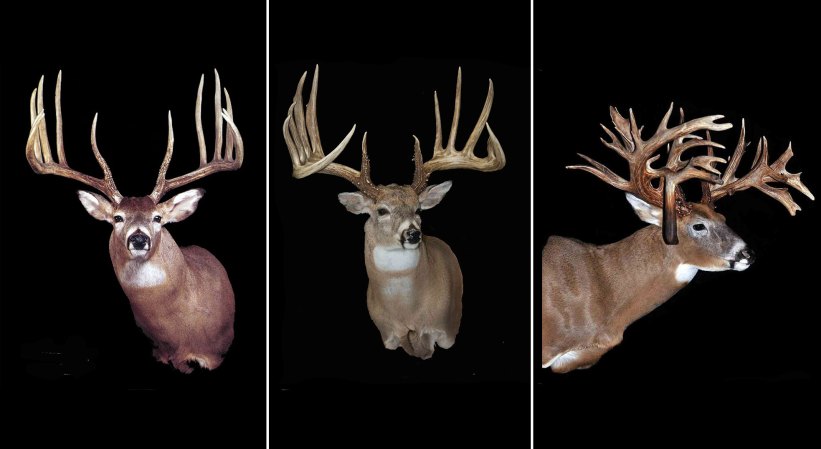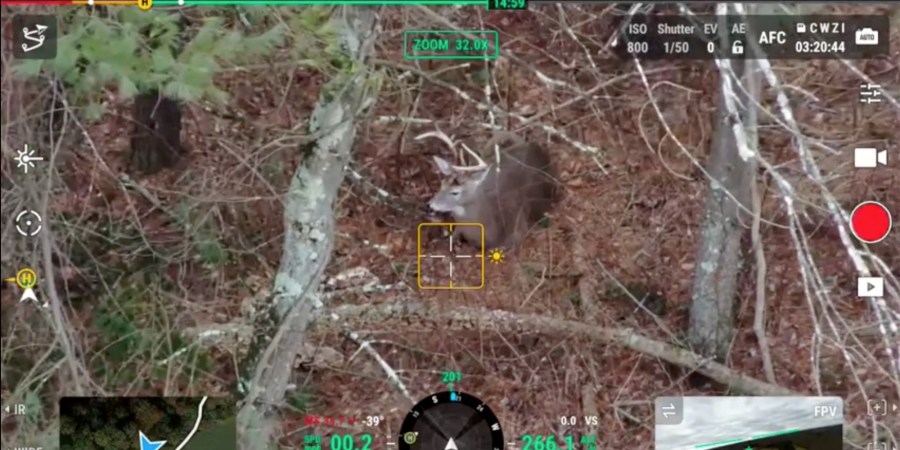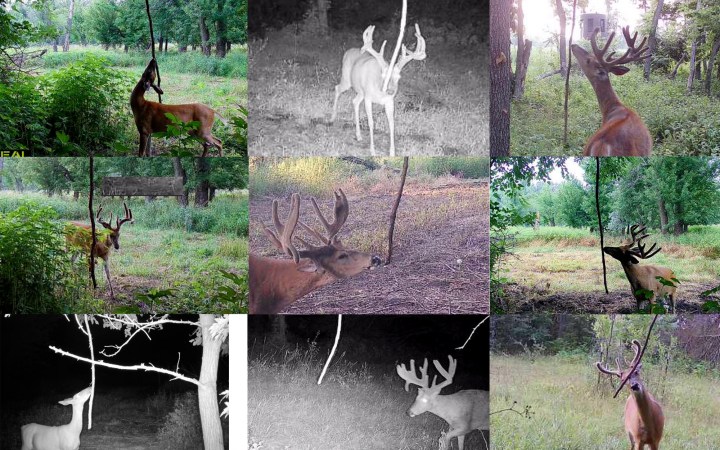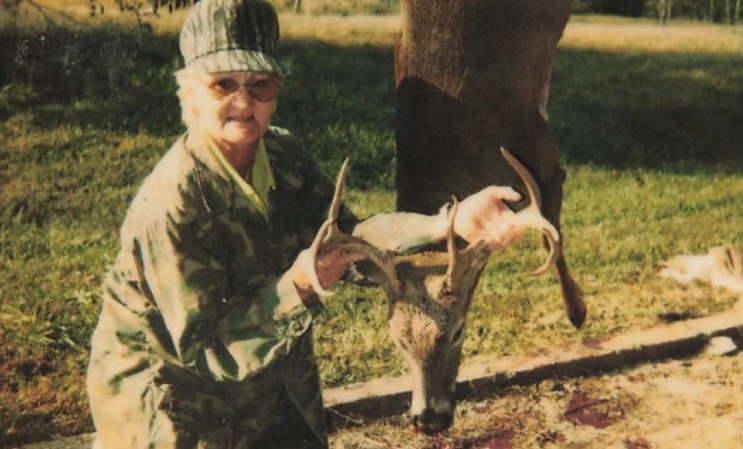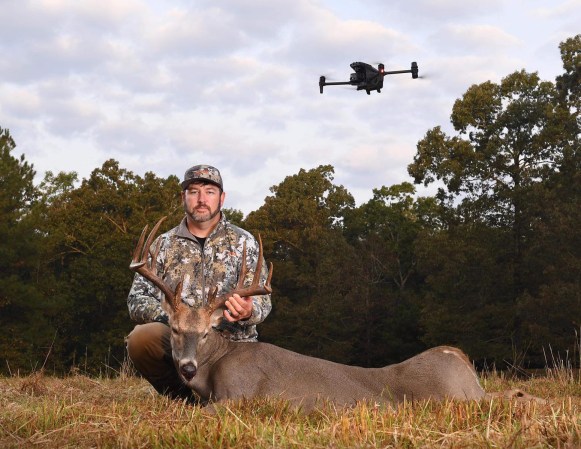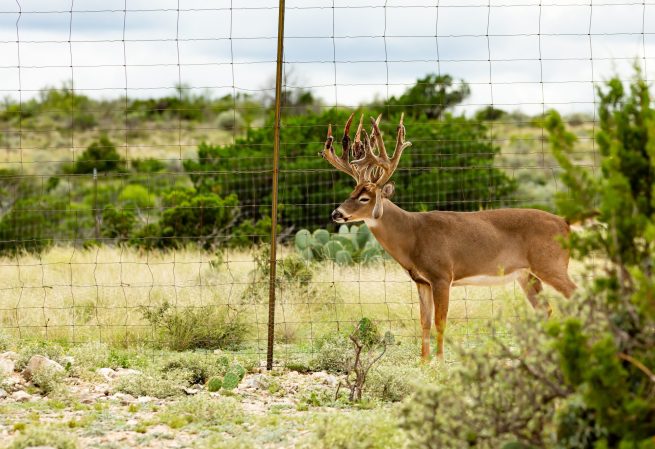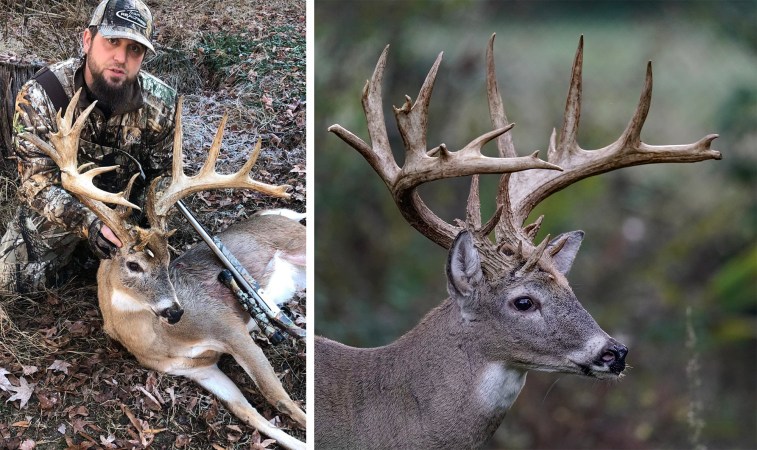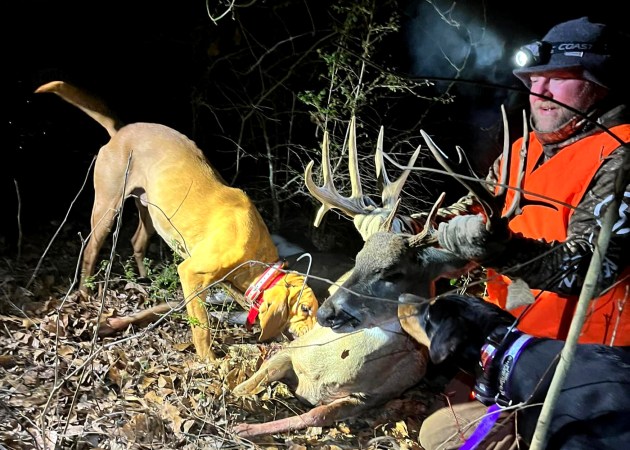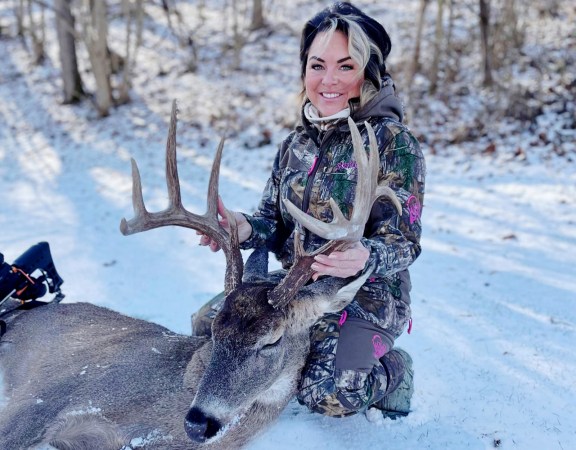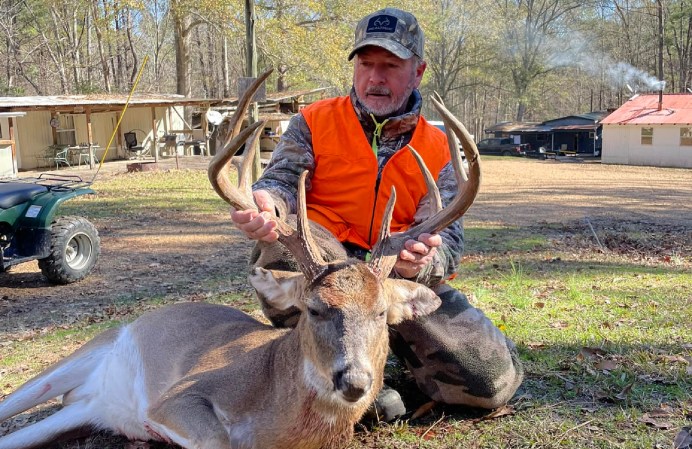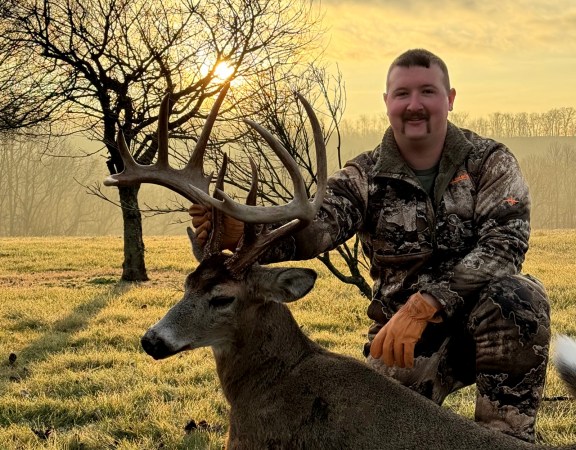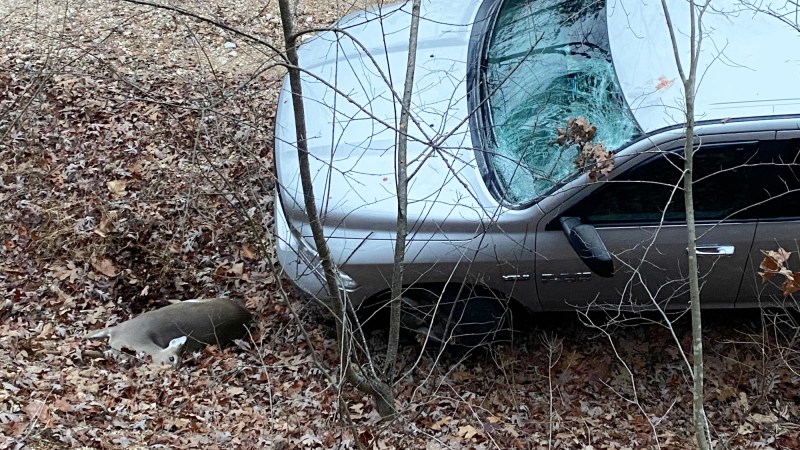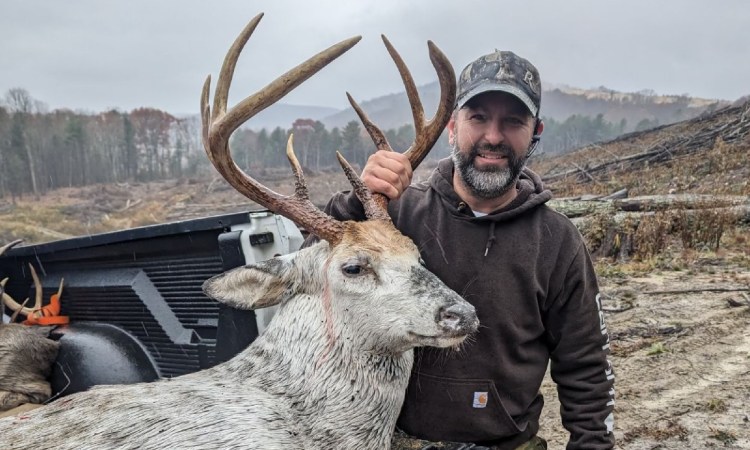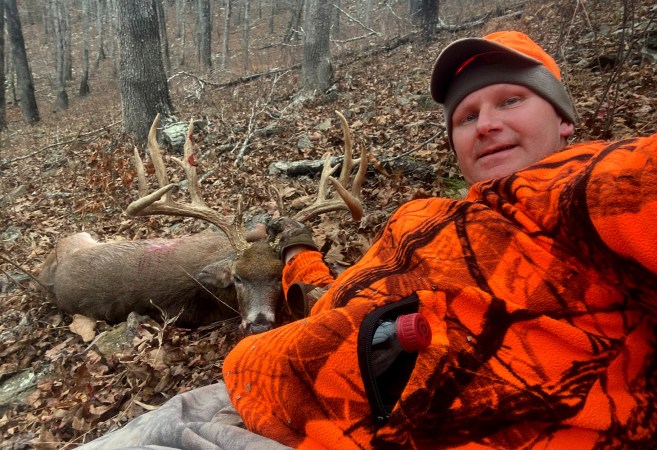
Craig Dougherty investigates the ugly side of deer farming, including this outrageous 561-inch buck.
We put together a countdown of the highest-scoring whitetail bucks ever killed according to Boone and Crockett records.
![]() | Wolf vs. BuckIt's easy to think of wolves as killing machines and whitetails as their defenseless... |
![]() | 40 Best Deer TipsWe've put together the 40 best tips from recent issues to help you kill the biggest... |
![]() | Read a BuckMost deer hunting tips concern reading deer sign. But, don't miss out on your chance to... |
![]() | Black FawnThink albino deer are rare? Check out these photos of a black fawn taken by a... |
![]() | Let 'Em WalkOf all the variables that contribute to record racks, age is the most important. There’s... |
![]() | First Deer IIIt's a season of firsts! At least it has been for these fortunate hunters. |


In just the last four years, Cory Peterson’s outfitting business has doubled in size to nearly 60,000 acres of deer- and turkey-rich ground in Nebraska’s Sand Hills. But Peterson, who also farms corn and raises beef cattle in the area, didn’t pursue many of his leases. Instead, neighbors came to him, offering to lease their land for annual payments that range between $1 and $3 per acre.
The main reason Peterson’s Hidden Valley Outfitting has grown? His neighbors find it increasingly difficult to allow free public hunting.
“Most traditional farmers understand the idea that hunting is something that should be free,” says Peterson. “But these guys have had gates left open by hunters, cattle shot by hunters, and water tanks shot by hunters. After a while, they just run out of patience.” [ Read Full Post ]

Researchers in whitetail country have begun looking at the impact of coyotes and other predators on whitetail deer and the results are pretty grim. Coyotes are gobbling up fawns at an alarming rate and so are black bears.
In one such study, researchers in South Carolina captured and monitored 60 newborn fawns. Coyotes killed over 50% before fall. Fawns are particularly vulnerable immediately after birth as 66% of the kills occurred within the first 3 weeks of life.
A study in Georgia amazingly found that it took 78 does to recruit 2 fawns in a predator rich area! Once the predators were removed, it took only 3 does to recruit 2 fawns into the fall herd. Research in Pennsylvania found that in certain mature forest, areas bears are as effective as coyotes as fawn predators. [ Read Full Post ]
Each year, we round up photos of the country's biggest bucks and most thrilling hunting stories for the Outdoor Life Deer of the Year contest. Now, we're calling on you to help us pick America's best buck. We started off with 24 finalists, and we're now down to eight. The overall winner will be awarded a Cabela's gift card and a Weaver range finder in addition to eternal bragging rights. Select your favorite buck from each match-up and then hit the submit button at the bottom to enter your votes.
Today's Matchups...


Timothy Beck took this outrageous buck last fall in Indiana. The deer was officially accepted by the Boone & Crockett Club earlier this year with a net score of 305 7/8 inches. It's the fourth largest nontypical in history and one of only five bucks to break the 300-inch mark. "This is one of those deer that come along so rarely, it makes you pause and marvel at the wonders of nature and modern conservation," Richard Hale, chairman of the B&C's records committee, said in a press release.
To celebrate this incredible whitetail, B&C rounded up the only 5 whitetail bucks that boast more than 300 inches of antler. [ Read Full Post ]
In case you haven’t noticed, newborn fawns are beginning to show up in the woods. Turkey hunters are beginning to report them and before long the woods and fields will be covered with them.
We anxiously await the fawn drop each year, it reminds us of the cycle of nature, lifts our spirits, and allows us to look in the rear view mirror and take another look at last year’s rut. Anytime we come across a newborn fawn we head to the calendar and start counting backward. Last year our rut report called for most of the breeding to occur sometime around Nov. 15, and sure enough, they are appearing on schedule. [ Read Full Post ]
Each year, we round up photos of the country's biggest bucks and most thrilling hunting stories for the Outdoor Life Deer of the Year contest. Now, we're calling on you to help us pick America's best buck. We started off with 24 finalists, and we're now down to eight. The overall winner will be awarded a Cabela's gift card and a Weaver range finder in addition to eternal bragging rights. Select your favorite buck from each match-up and then hit the submit button at the bottom to enter your votes.
Today's Matchups:

Its time for planting food plots and one of the most common questions I hear is: “Can I use my left over seed from last year?”
It seems like just about every foodplotter out there has a half bag or so of last year’s seed and is wondering if he can plant it. Nobody wants to plant “dead” seed; you waste hours of valuable time and can get a poor stand or no stand at all. On the other hand, just because it’s old doesn’t mean it won’t grow. Some seeds will germinate and grow for up to 5 years after the date they came from the field. And, at the price of quality food plot seed, it’s worth a second look.
It depends upon what kind of seed it is, how it was cared for, and how it was stored. Seed should be kept cool, dry, and clean and protected from pests and insects in some sort of protective container. [ Read Full Post ]