
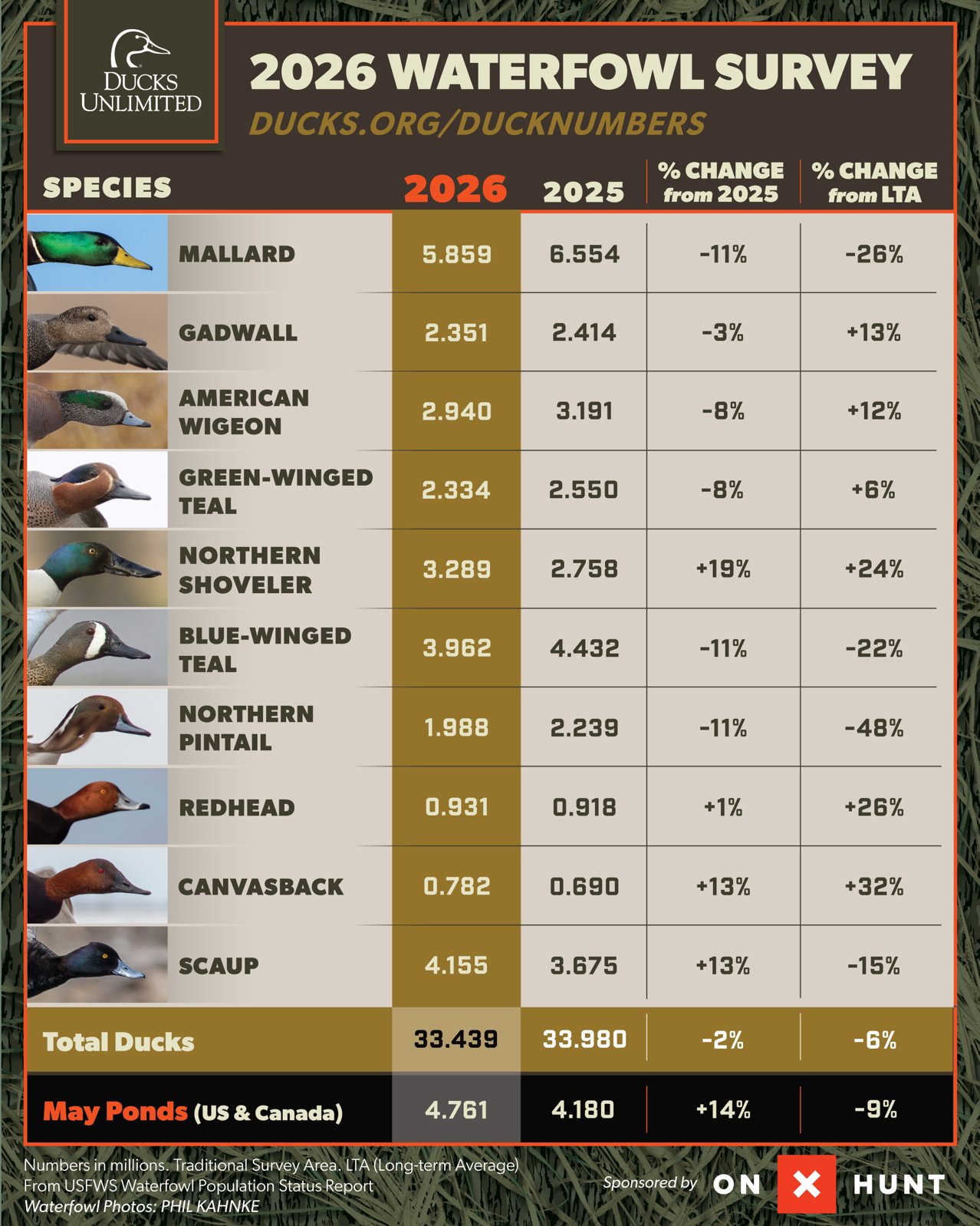
This year’s overall waterfowl population survey results are largely unchanged from last year. The total number of breeding ducks in the survey area remained relatively stable at around 33.4 million, according to the annual migratory bird counts published Tuesday by the U.S. Fish and Wildlife Service.
That’s a 2 percent decrease from last year, when the total duck count was 33.9 million. That change is within the margin of error, notes Delta Waterfowl senior scientist Dr. Todd Arnold. It reflects a total decline of 6 percent compared to the long-term average.
The key takeaways this year are in the species data, which reveal major hits to three keystone dabblers: mallards, pintails, and blue-winged teal.
“It’s a little worse than what I expected, to be blunt,” says Arnold. “The overall duck numbers aren’t bad … I’d say that’s unchanged. What jumps out at me is mallards, blue-wings, and pintails all being down by eleven percent. And also long-term, they’re down. Collectively those two things, to me, mean more than the annual fluctuation. It says the prairies have been dry for a long time, and we haven’t had good production for a long time.”
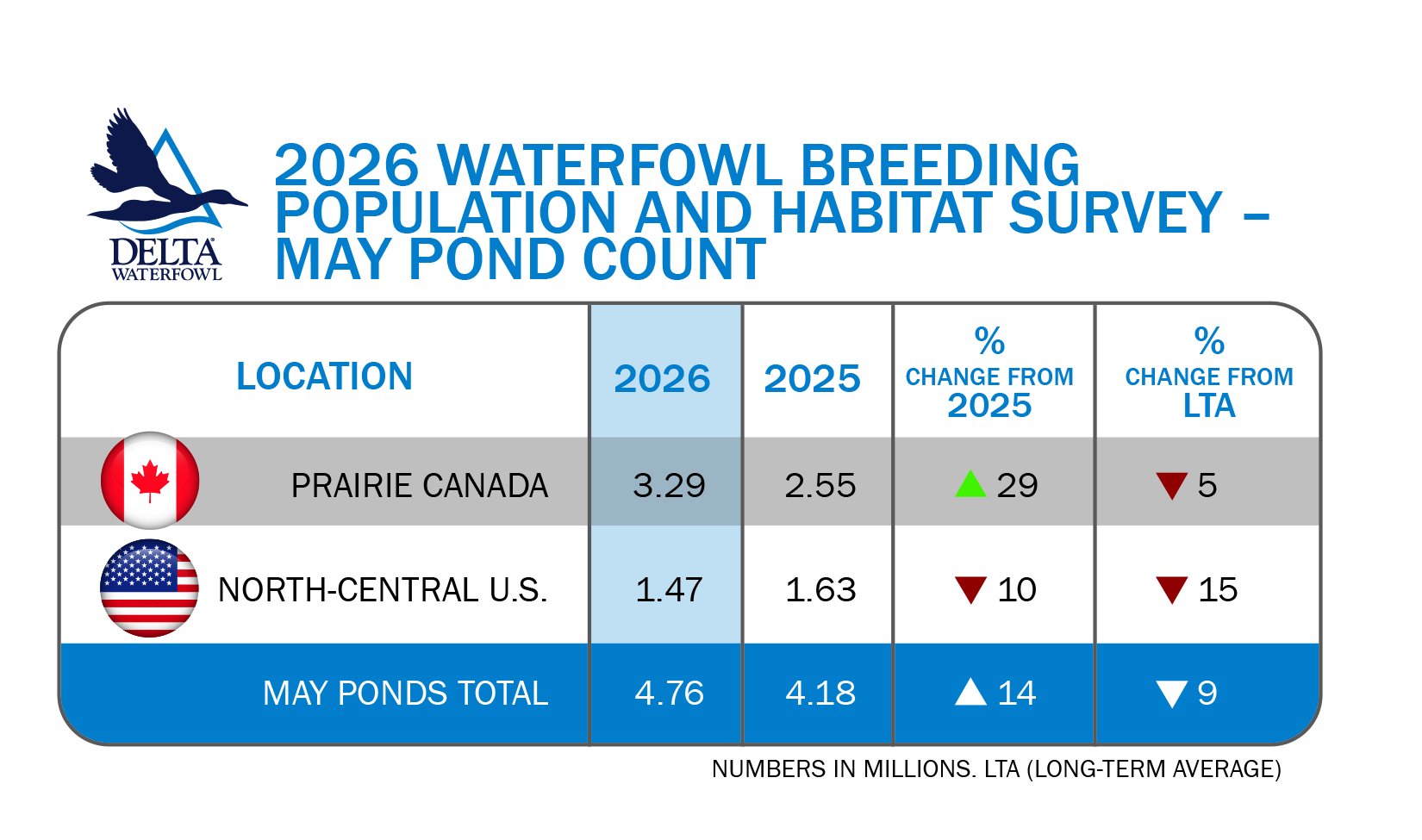
When scientists conduct the USFWS Waterfowl Breeding Population and Habitat Survey, as they’ve done every year since 1955 (except for the Covid-19 pandemic), they’re not just counting ducks. They’re also recording the number of ponds that those ducks use to reproduce. Pond counts are up 14 percent from last year, but with a skewed distribution and down 9 percent compared to the long-term average. In 2026, Canada has gotten wetter, with a 29 percent bump in pond counts from 2025, as the U.S. prairie has gotten drier. U.S. wetlands were down 10 percent.
Duck counts in the Eastern Dakotas, for instance, are down 24 percent.
“The U.S. prairies have gotten drier, and they’ve been carrying the show for the last two decades,” says Arnold. “The Eastern Dakotas really carried things for a long time. That’s the bad news — that the Dakotas aren’t looking great.”
Still, brood surveys conducted by the North Dakota Game and Fish Department in July showed a 55 percent increase in broods, notes a Delta press release. As a result, North Dakota alone is projected to produce a fall flight of 4 million ducks, more than both 2024 and 2025.
Mallard Numbers
Mallard counts this year are at 5.8 million, which is a decline of 11 percent from last year and 26 percent below the long-term average.
While some duck hunters in the South have blamed practices like hunting flooded corn for short-stopping fall flights (especially for mallards), waterfowl experts have continuously pointed to shrinking habitat and ongoing drought in the Prairie Pothole Region. This year’s survey further confirms a northern shift in breeding ducks.
Even as the Dakotas have dried up and duck counts there are declining, duck numbers have increased farther north. That includes 16 percent in Southern Saskatchewan, and 21 percent in Manitoba and Ontario.
“It’s a kind of northward shift in species,” Arnold says. “The U.S. prairies are kind of uniformly down across species. The Parkland region of Canada is more important. That’s a trend … This is what we’ve seen in terms of total ducks, and it’s also what we’ve seen in pond numbers.”
Northern Pintail Numbers
Pintail counts this year are at 1.99 million, which is a decline of 11 percent from 2025 and a drop of 48 percent below the long-term average.
“Pintails have been declining in the Prairie Pothole Region for a long time, but they’ve been really holding their own and, in fact, increasing in the Arctic region, in Alaska and Northern Canada,” says Arnold. “But in this year’s report, pintails are down 37 percent in Alaska. That caught my attention. Alaska has been their stronghold.”
Still, it’s too soon to draw any conclusions from this survey on the impacts of last year’s increased pintail bag-limit (from one to three birds) under the new USFWS interim pintail management strategy. Instead, Arnold is waiting for last year’s harvest data to be released this fall.
“In the Southern U.S., the Gulf Coast, and California, hunters are really good at selectively harvesting drakes,” says Arnold. “We’re talking like ninety percent of the [pintail] harvest being drakes.”
That means that if the reduction in the pintail population in Alaska is due to a skewed ratio of drakes to hens — say, two drakes for every one hen — then a more liberal pintail bag limit could ultimately help.
“Cautiously, I’m concerned [by the pintail population], but I want to look at the harvest data. And if the hen harvest went up a lot, as well as drakes, then I’d maybe be worried. But if it just reflects an evening of the sex ratio, that [three-pintail] bag limit might actually be a good thing.”
Bright Spots in the Annual Duck Survey
There are two encouraging takeaways from this year’s survey, Arnold notes. One is that diver numbers are up across the board.
Compared to last year, canvasbacks are up 13 percent, bluebills are up 13 percent, and redheads are up 1 percent.
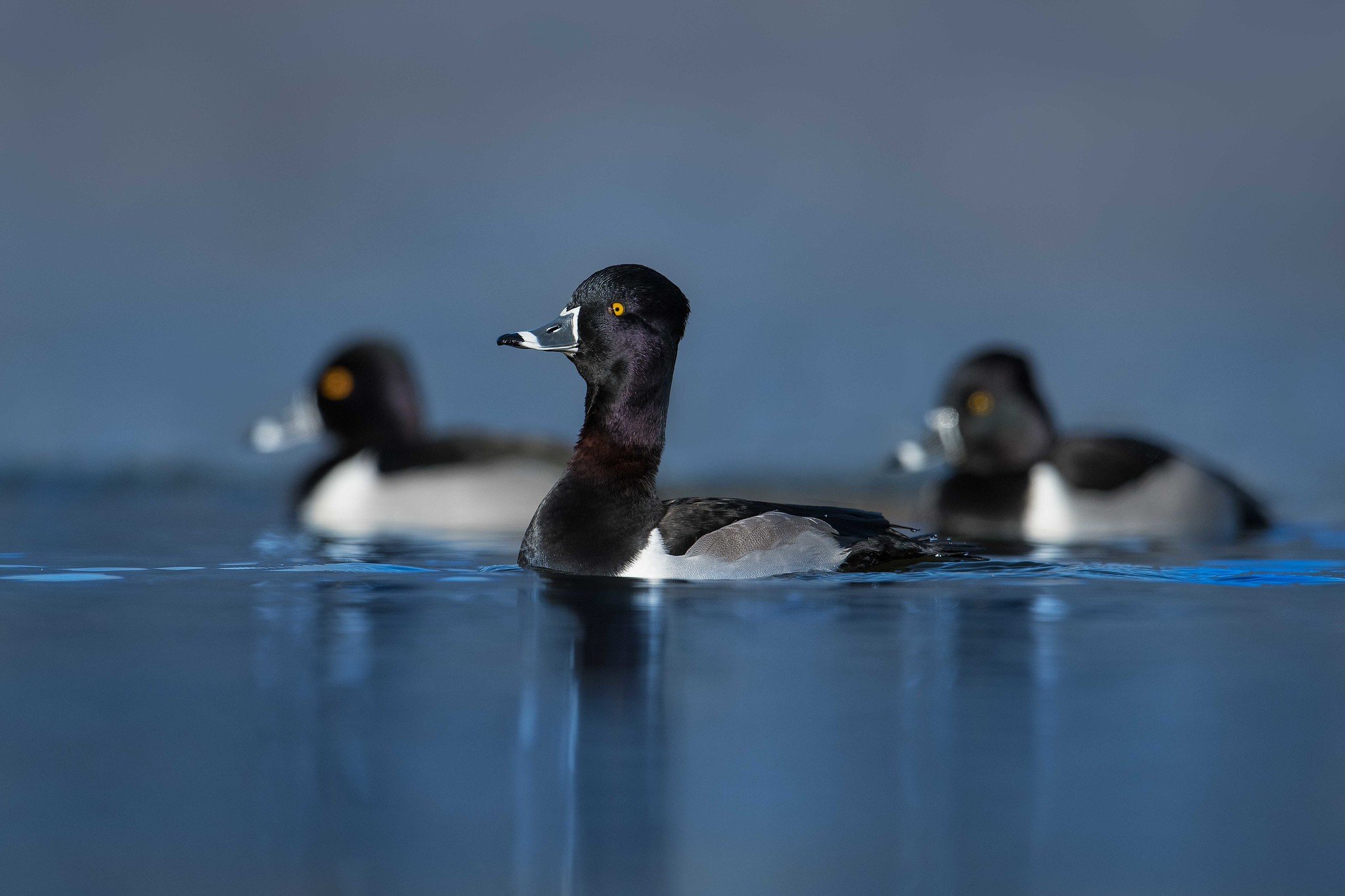
“There’s one diver that should make the top ten and doesn’t — ringneck ducks,” says Arnold. “Ringneck ducks have been a real success story since the survey started, and they weren’t included to start with because there were so few of them. Now we have more ringnecks than canvasbacks and redheads. Ringnecks are the poster child with no poster … it would be nice to add them to the report.”
The second is that prairie Canada has gotten wetter, which is crucial for offsetting drier conditions in the U.S. In particular, Eastern Canada and Manitoba have seen more moisture on the prairies.
“Prairie Canada got wetter, which is great,” says Arnold. “We’re not going to see the results of that immediately, but hopefully that’s going to mean more juveniles on the fall flight.”
How This Duck Survey Impacts Your Hunting Season
The fall flight depends on the recruitment of young ducklings and geese that occurs during the summer — after the spring survey.
“The breeding population estimate is what a lot of people get confused on,” says Ducks Unlimited senior waterfowl scientist Dr. Mike Brasher. “It’s the size of the duck population [in the survey area] at the beginning of the breeding season [in spring]. It’s estimating the number of birds that survived [the winter] and returned to breed.
“We love it when the prairies are wet because that is the area that has the highest density of wetlands. As long as you’ve got good grass on the landscape — places for these birds to nest — that usually translates into a very good hatch, a very large number of ducklings produced and new ducks entering the fall flight.”
The survey’s duck and pond counts are only part of the equation that helps predict what kind of hunting season you’re going to have.
“It doesn’t tell us how many ducks you’re gonna shoot this fall. Because that’s a function of a whole lot of other things that happen between even late summer and when you go out in the blind and try to hunt these birds.”
Still, the results of this year’s survey will help inform bag limits and harvest regulations for the next hunting season, or the 2027-28 season. (Historically, they used to set regulations for the same season, but this changed a few years back due to practical challenges with survey release dates and tight turnaround times to set regs.)
Blue-Winged Teal
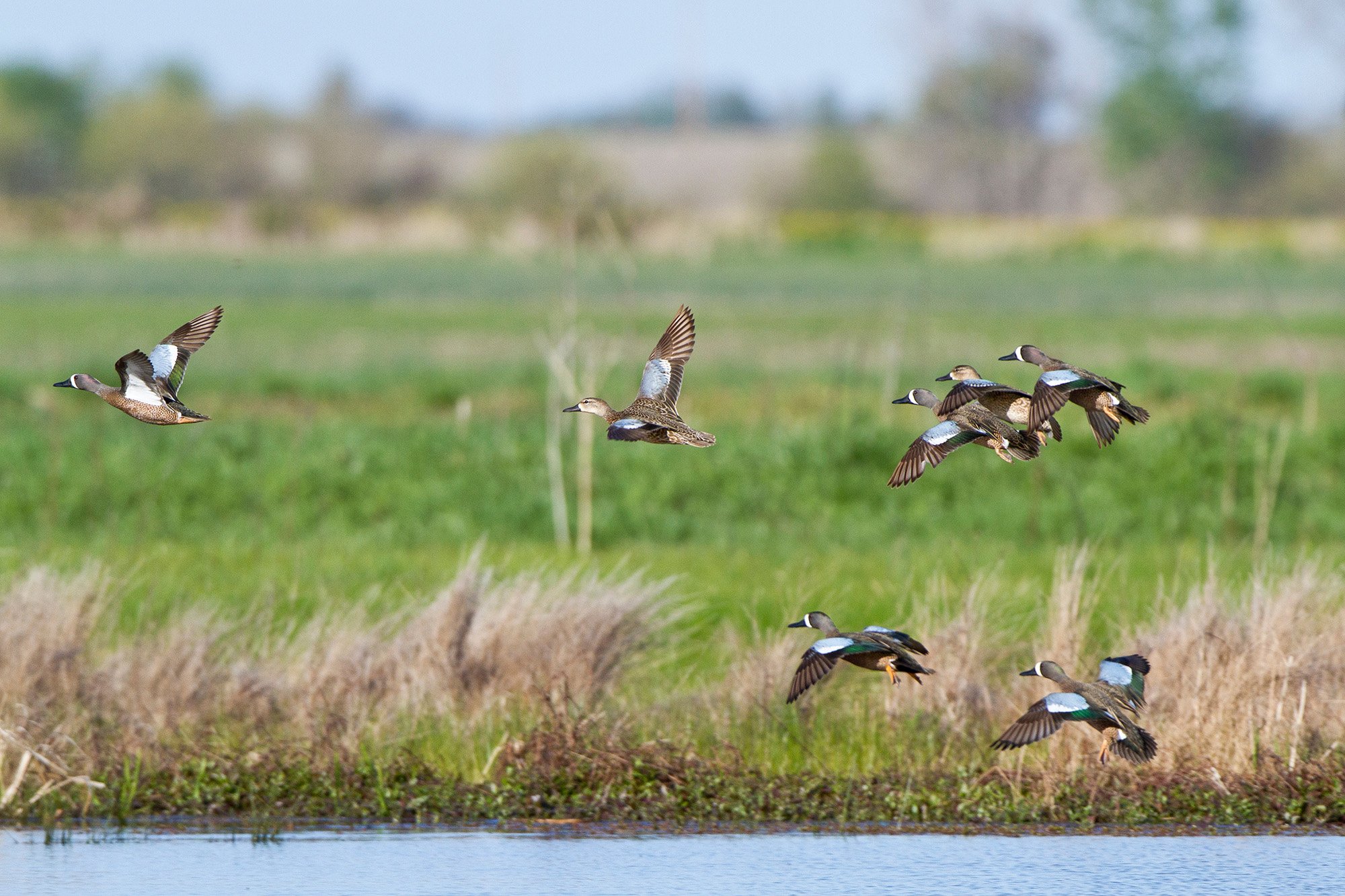
For example, the estimate of 3.9 million blue-wings means hunters can expect another nine-day early teal season in 2027. Like other harvest regulations, early teal seasons are set based on the duck counts from the annual survey. Good population years result in longer seasons, and vice versa. Below are the population thresholds for season-setting.
| Blue-winged Teal Pop. Estimate | Special Early Teal Season Length |
| Below 3.3 million | 0 days (closure) |
| Between 3.3 and 4.7 million | 9 days |
| 4.7 million and above | 16 days |
“We’ve been living the good life when we had all that water and teal numbers were way high, so we were getting sixteen-day seasons all the time,” Delta Waterfowl president and chief scientist Dr. Frank Rohwer explained in a July podcast episode. “And then last year Louisiana hunters were shocked when the populations dropped.”
The blue-winged teal population dropped to 4.6 million in 2024 and 4.4 million in 2025. Those findings resulted in nine-day seasons last year and this upcoming hunting season.
“That was a tough pill for folks in the South to swallow,” said Rohwer. “Up north, we don’t really think about it.”

Another key takeaway, according to a DU press release, is that the USFWS is expected to recommend liberal frameworks for the 2027–2028 duck season across all four flyways. In other words, we’re probably not going to see big changes to duck hunting regulations across the country.
Searching for Trends, Not Exact Numbers
The Waterfowl Breeding Population and Habitat Survey is the largest and longest running wildlife survey in the world, which makes its data incredibly reliable at — if not nailing down precise population numbers — identifying trends among duck species.
“Nobody pretends that this is a census,” says Brasher. “Nobody pretends that it is an estimate for the total continental population of ducks. It’s an estimate of breeding population size for the area that is surveyed.”
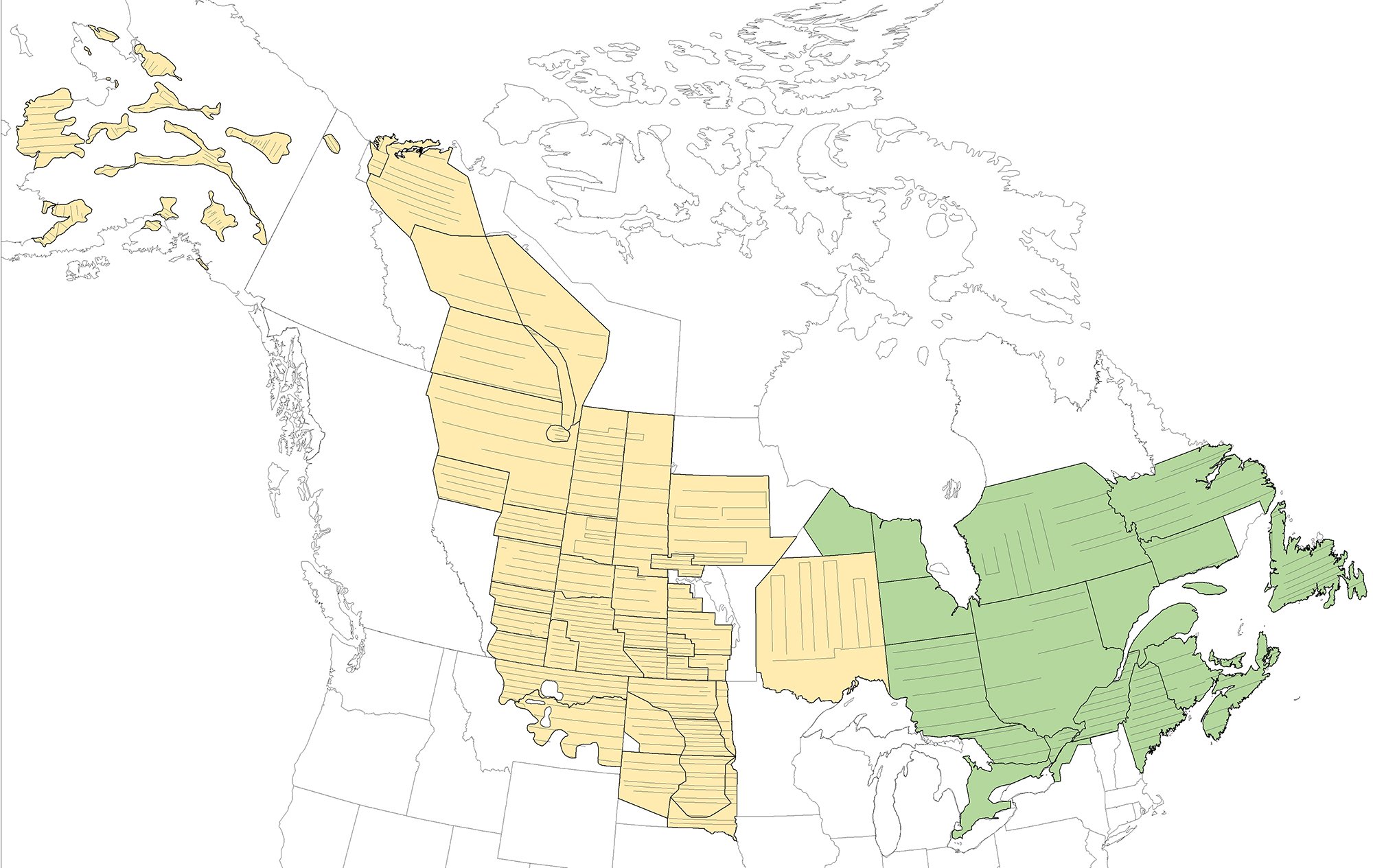
USFWS director Brian Nesvik told Outdoor Life last year that his agency was reconsidering the methods of this gold-standard survey. While those conversations are currently underway within the USFWS and Canadian Wildlife Service, no changes to the survey’s methodology have yet been made, says Brasher. (Brasher and guests from the USFWS and CWS discuss potential changes to the survey in a recent episode of the DU Podcast.)
The USFWS, CWS, and state partners “are going through a pretty deliberate effort right now to review the waterfowl breeding population and habitat survey,” says Brasher. “The scientists and managers that we work with [and] that are responsible for the survey and all the data collection that feeds our waterfowl management — they’re always being scientists. They’re always asking questions. They’re always looking at the data. They’re always asking how they can make it better.”