13 Weird and Wonderful Wildlife Photos from a Day in the Life of a Conservation Biologist
From fending off falcon attacks to diving head-first into bear dens, wildlife biologists tackle the tough — yet essential — work of managing our country's wildlife
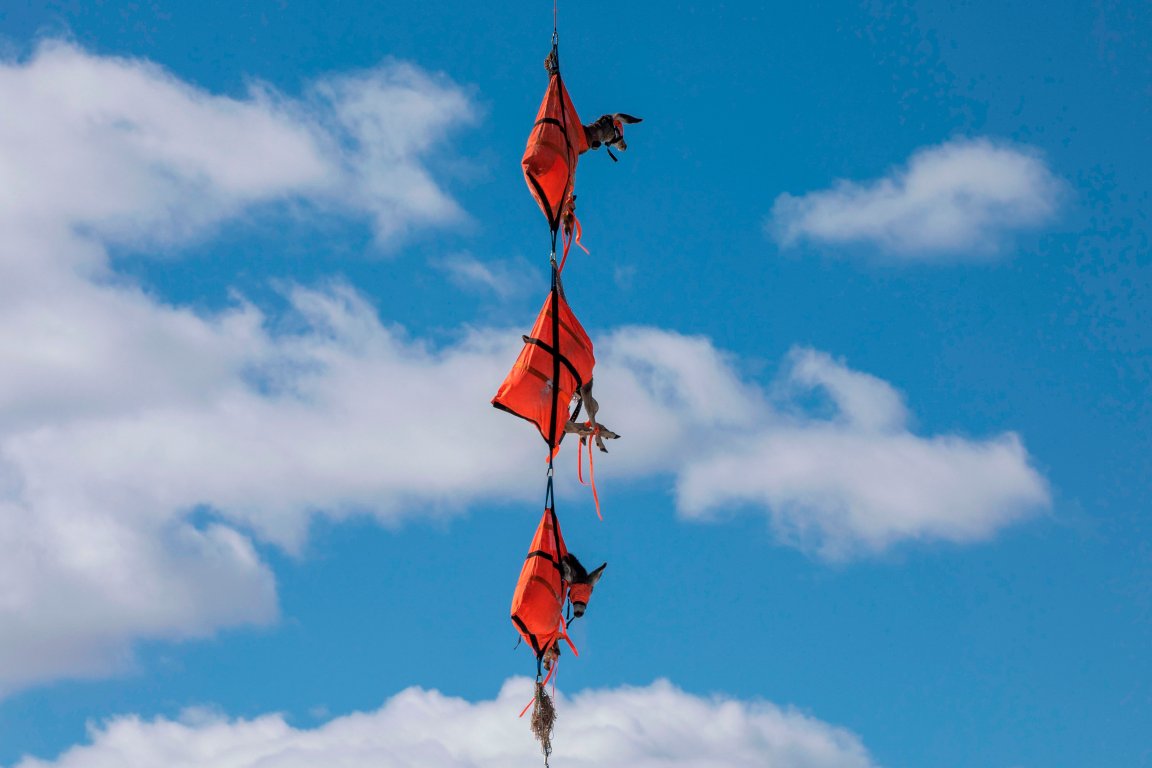
A helicopter transports three mule deer to a field clinic where the Utah Division of Wildlife Resources will check their condition to determine how they fared over the winter. The staff collect data to come up with "body condition score." They measure loin thickness, rump fat, and physical size to arrive at an overall score of the percentage of body fat.
Photo by Natalie Behring / AFP, via Getty Images
Sign up for the Outdoor Life Newsletter
Get the hottest outdoor news—plus a free month of onX Hunt Elite.
Working as a state or federal wildlife biologist is far from glamorous, and it’s often thankless. It also might be one of the most fascinating jobs in the country. These scientists spend years in school only to work long hours on modest government salaries. They address complaints from the public, juggle shifting conservation priorities, and still find time to do field work. The payoff? Rare and sometimes bizarre encounters with the animals they’re tasked with conserving. Without these hands-on efforts, many of America’s wildlife populations would be far less abundant than they are today. What follows is a glimpse into the weird, wonderful, and (sometimes) hazardous fieldwork that keeps our wildlife thriving.
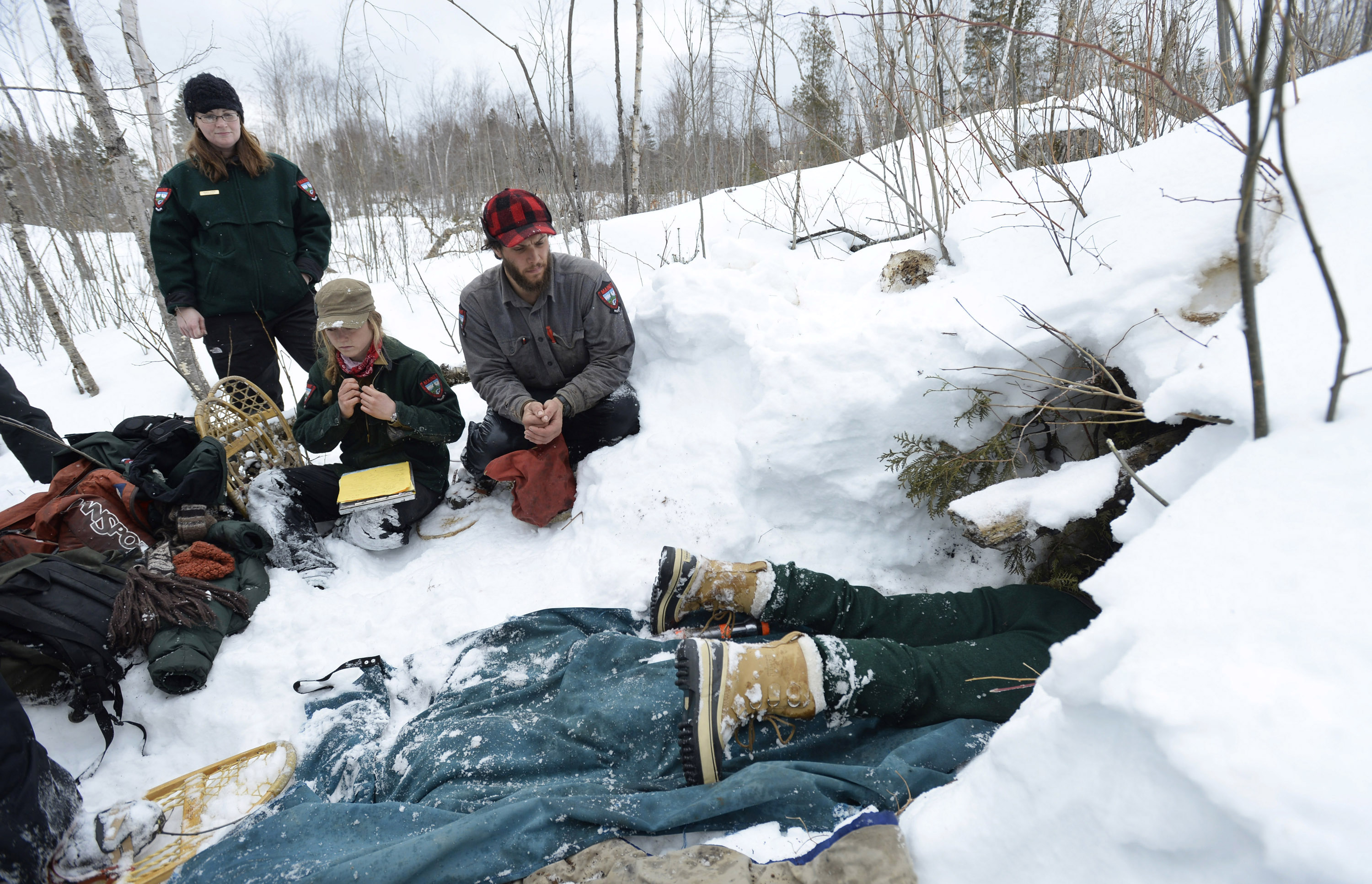
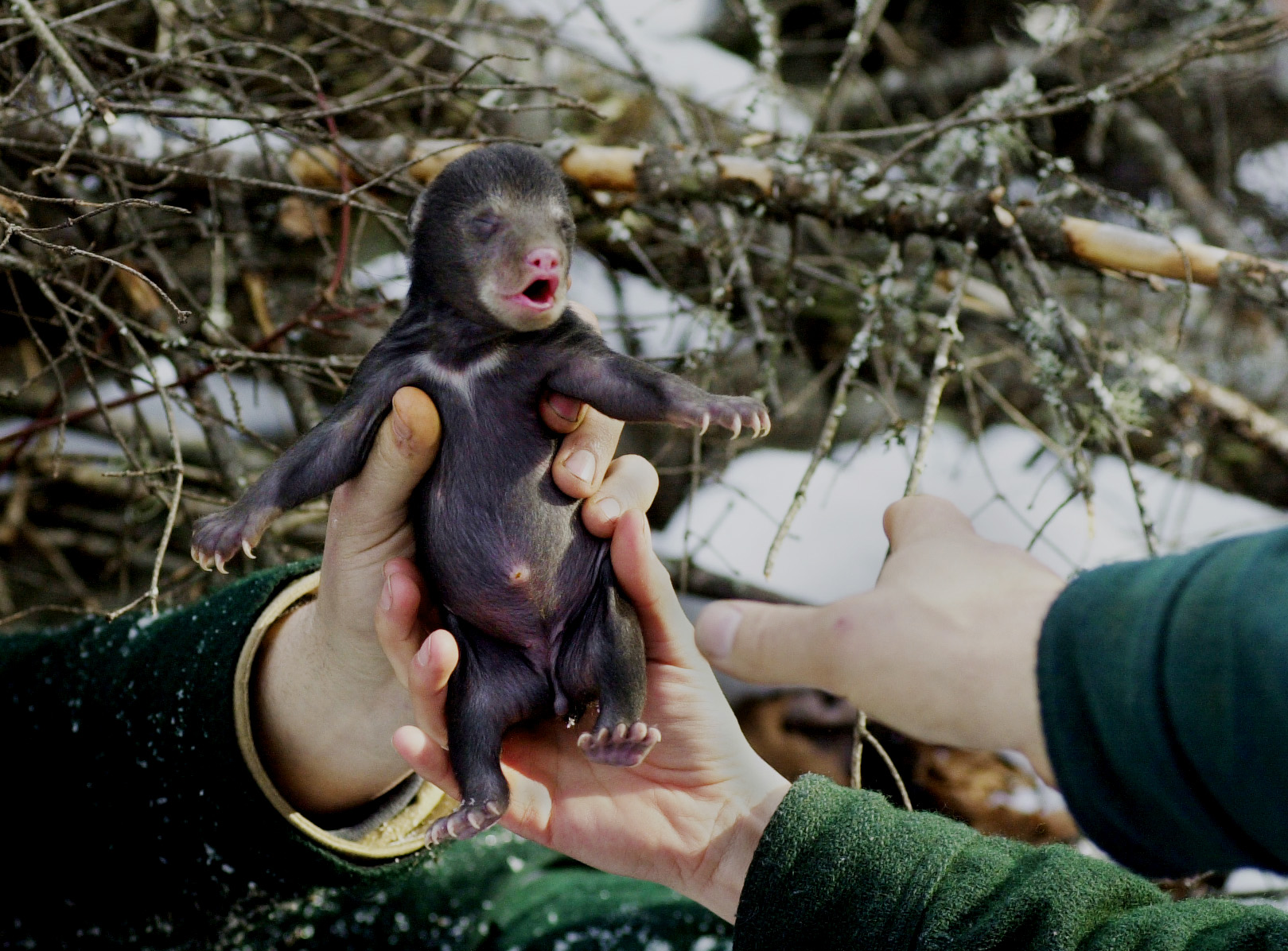
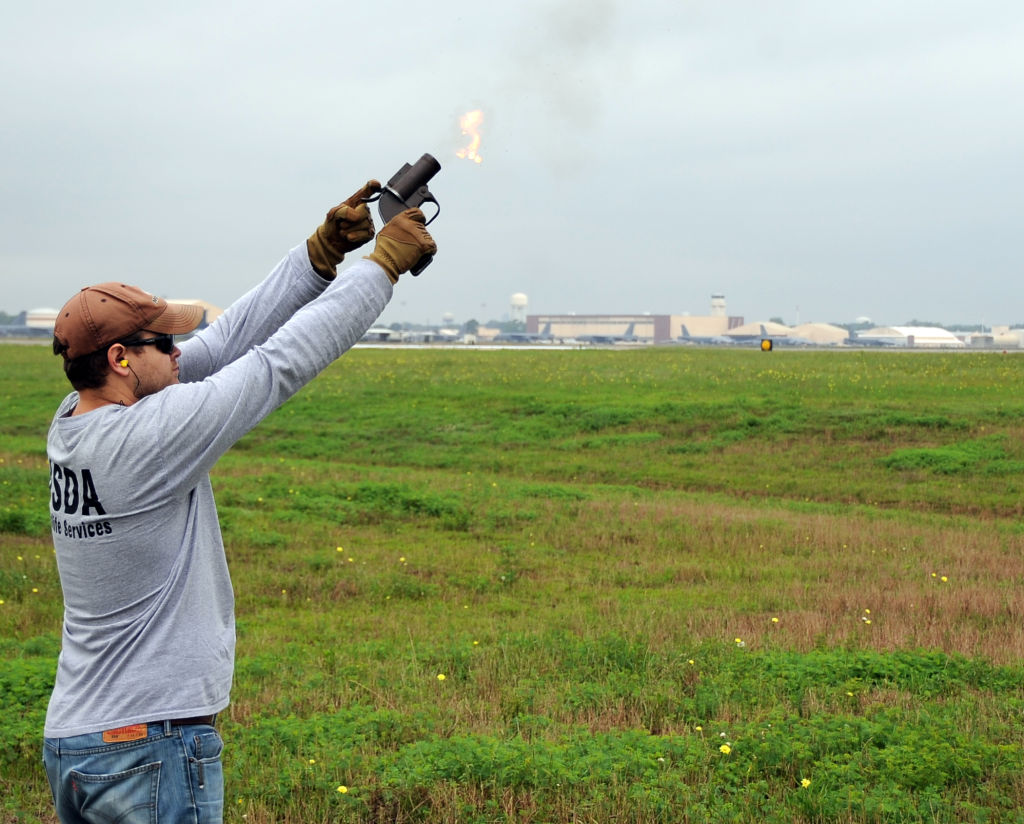
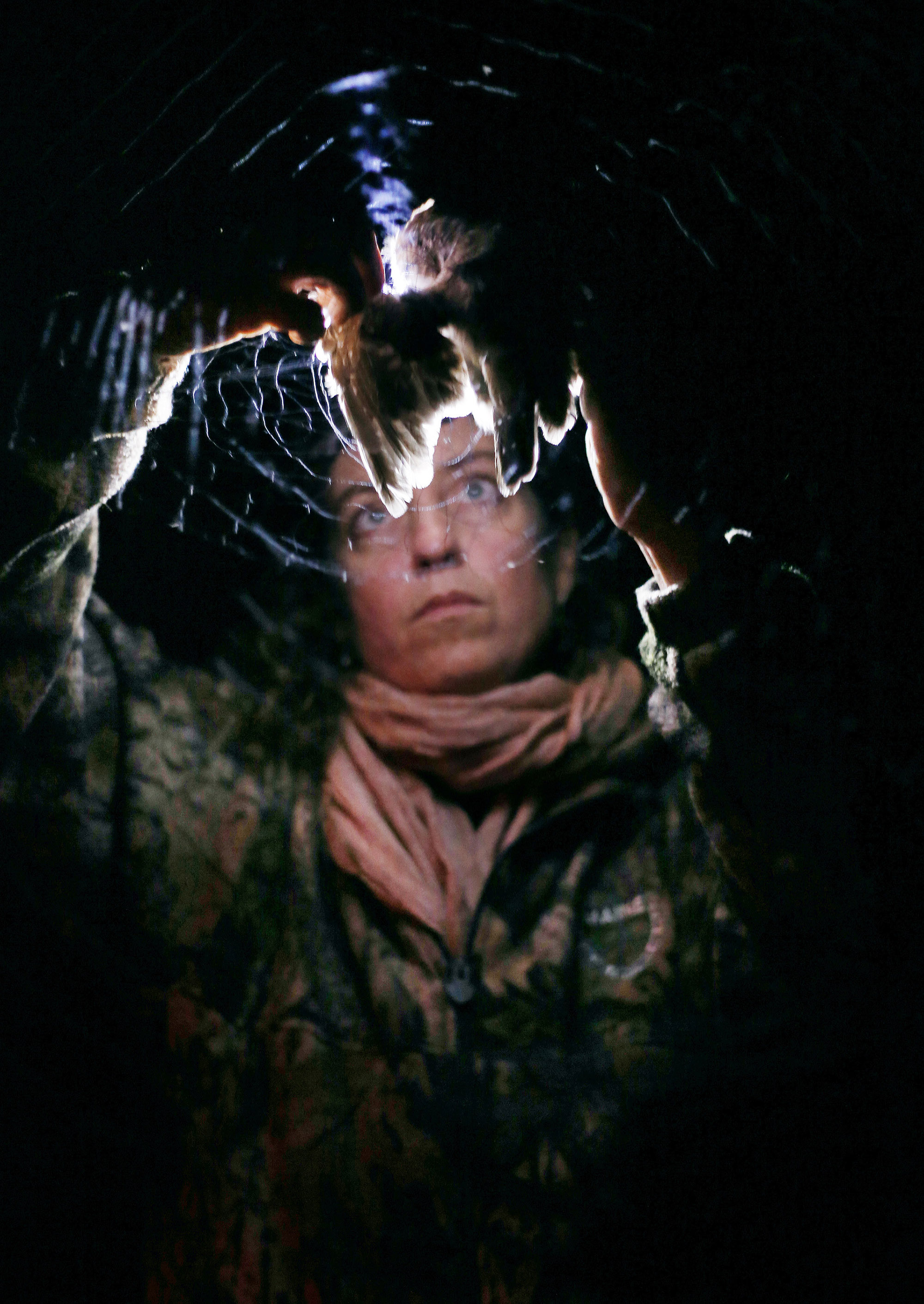
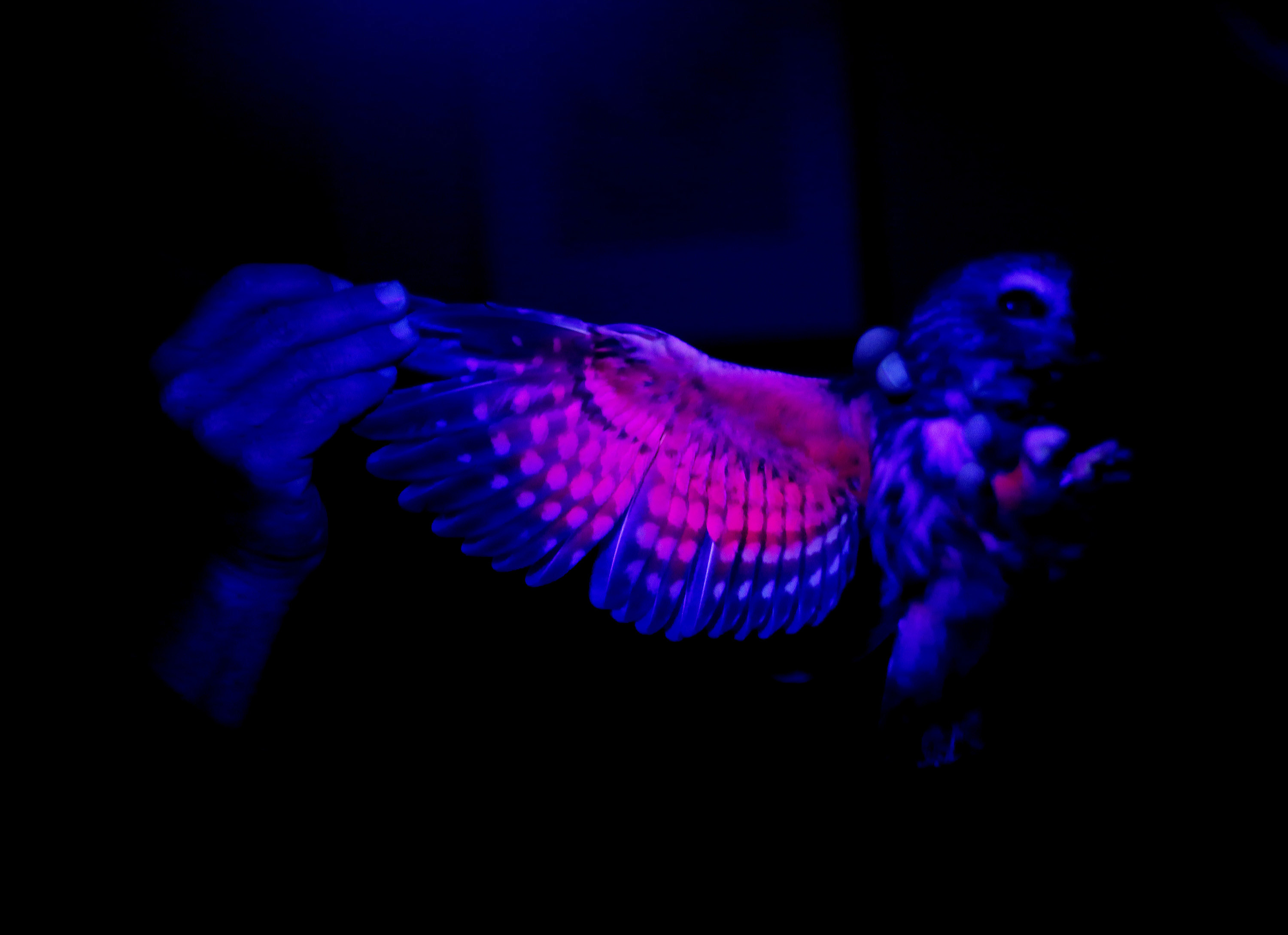
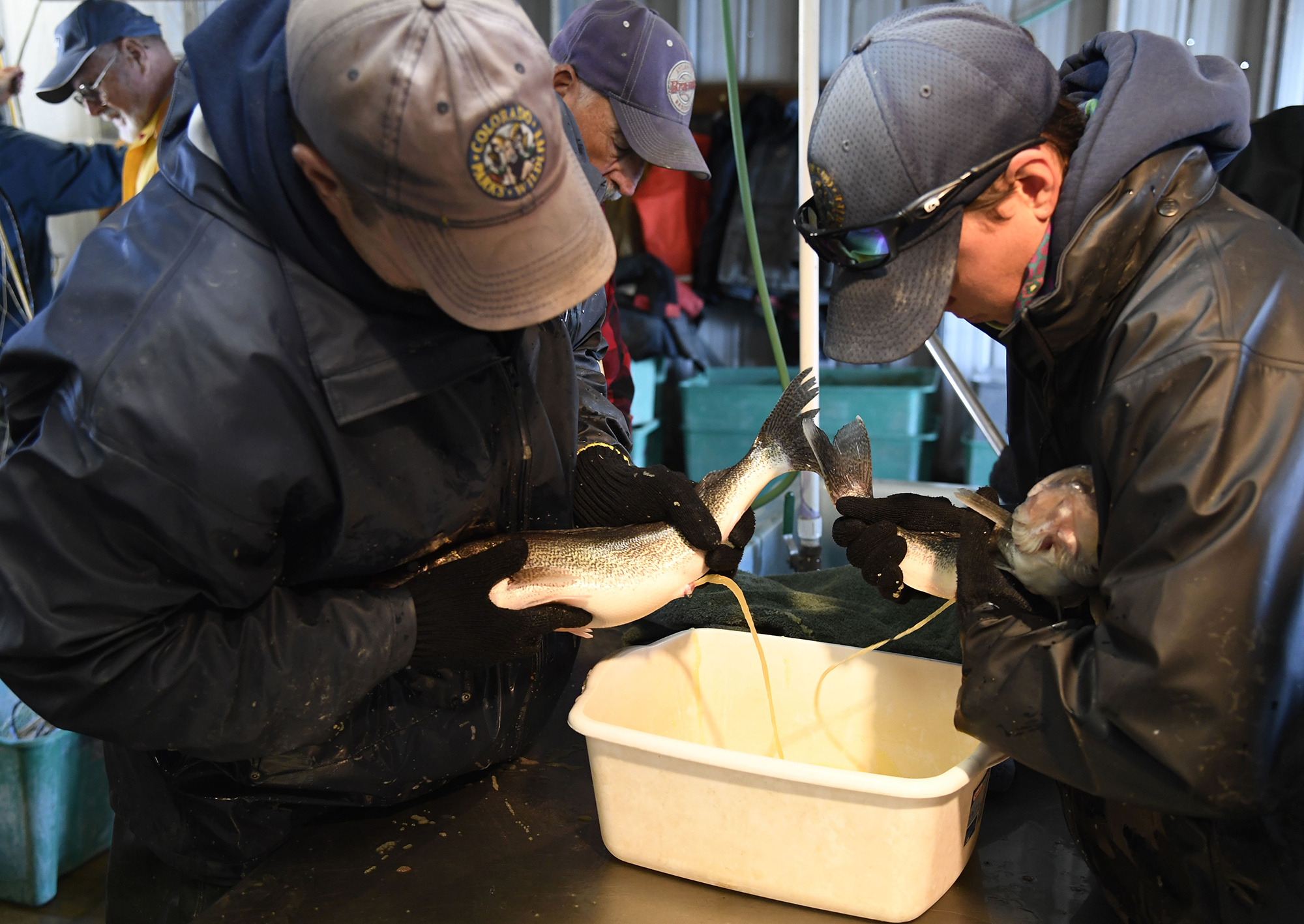
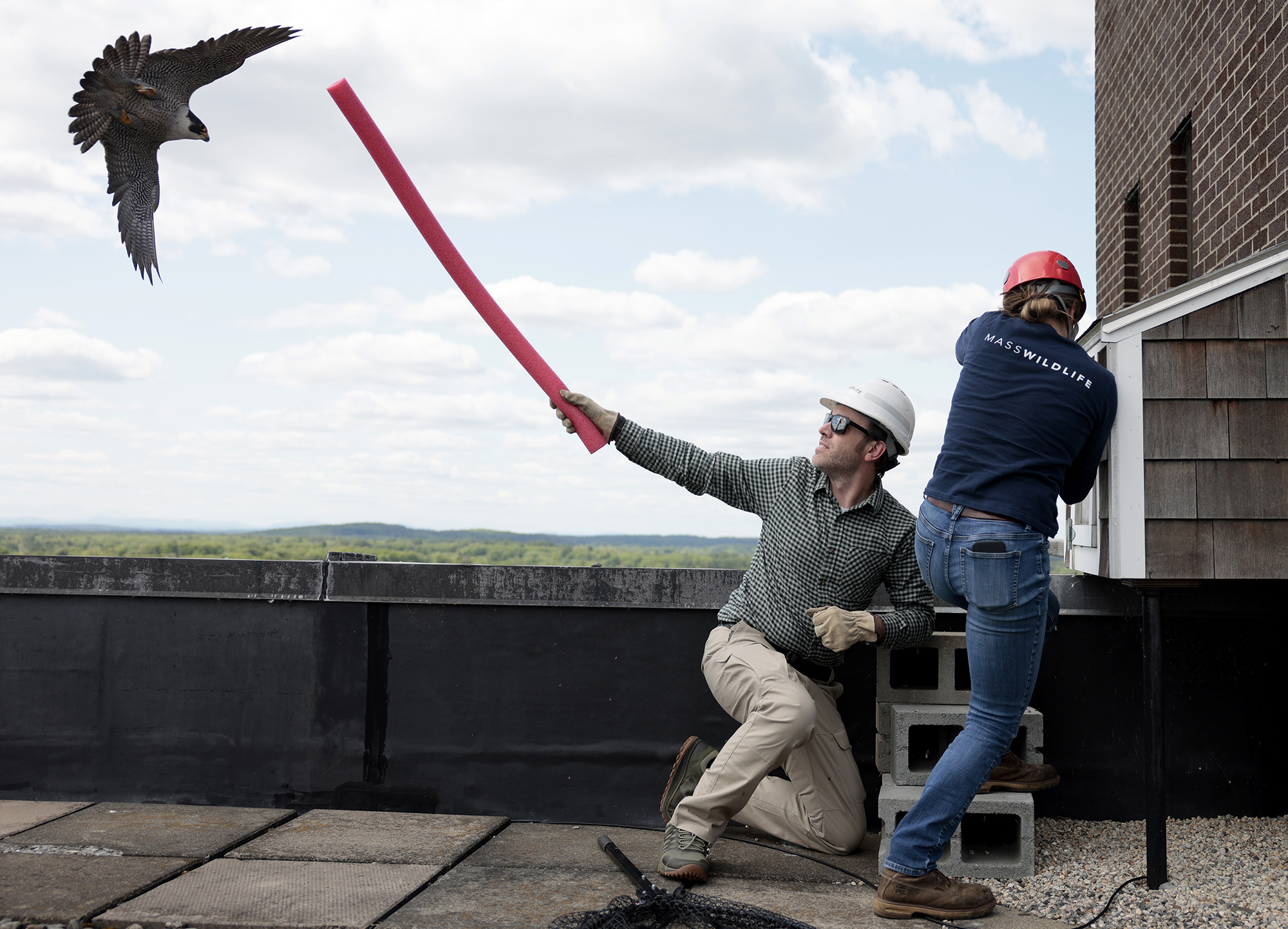
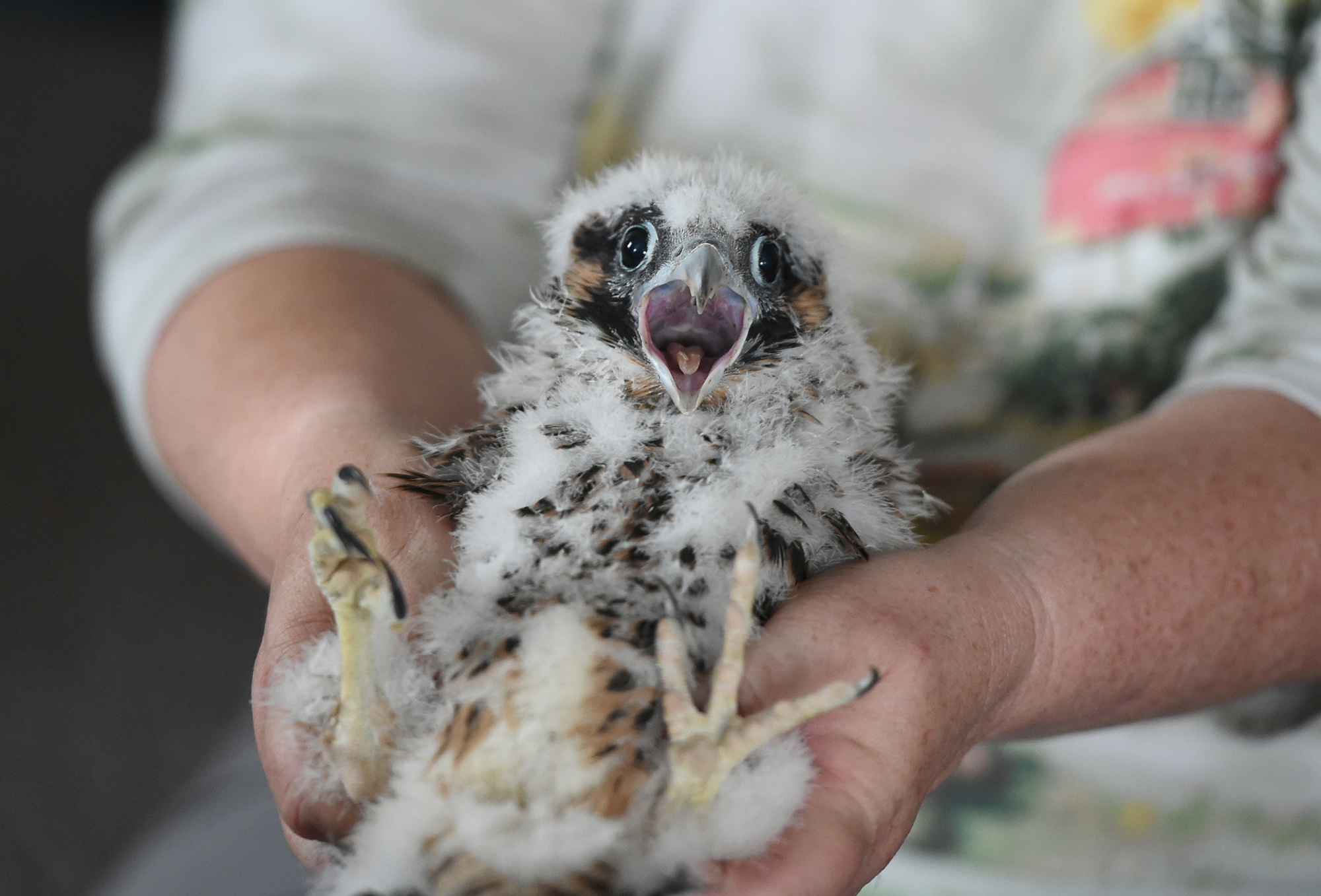
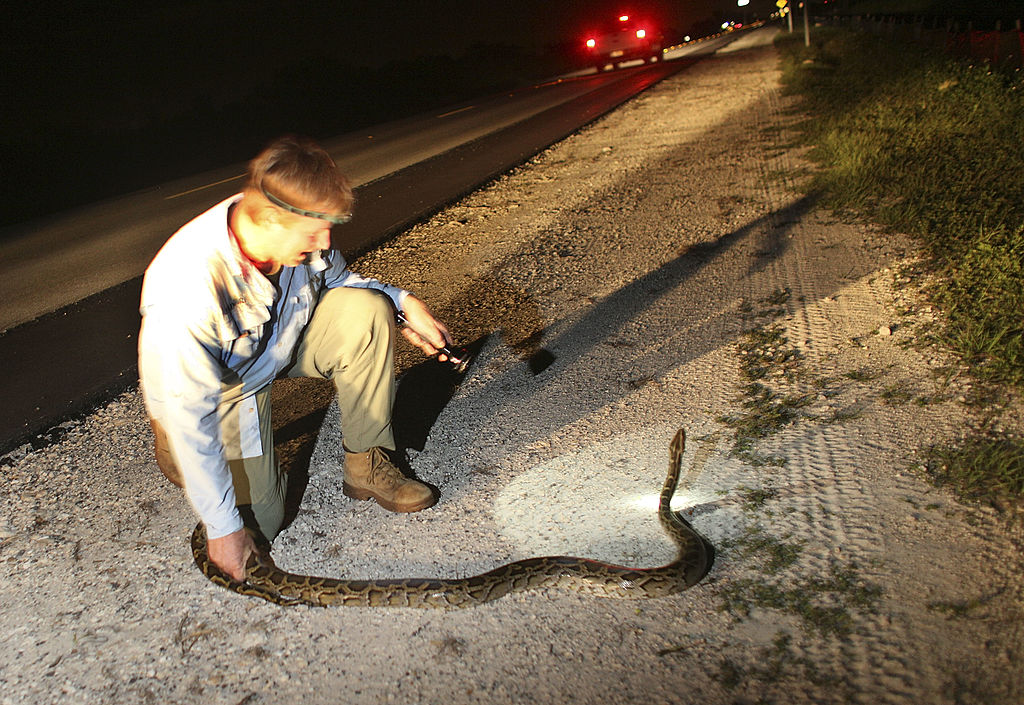
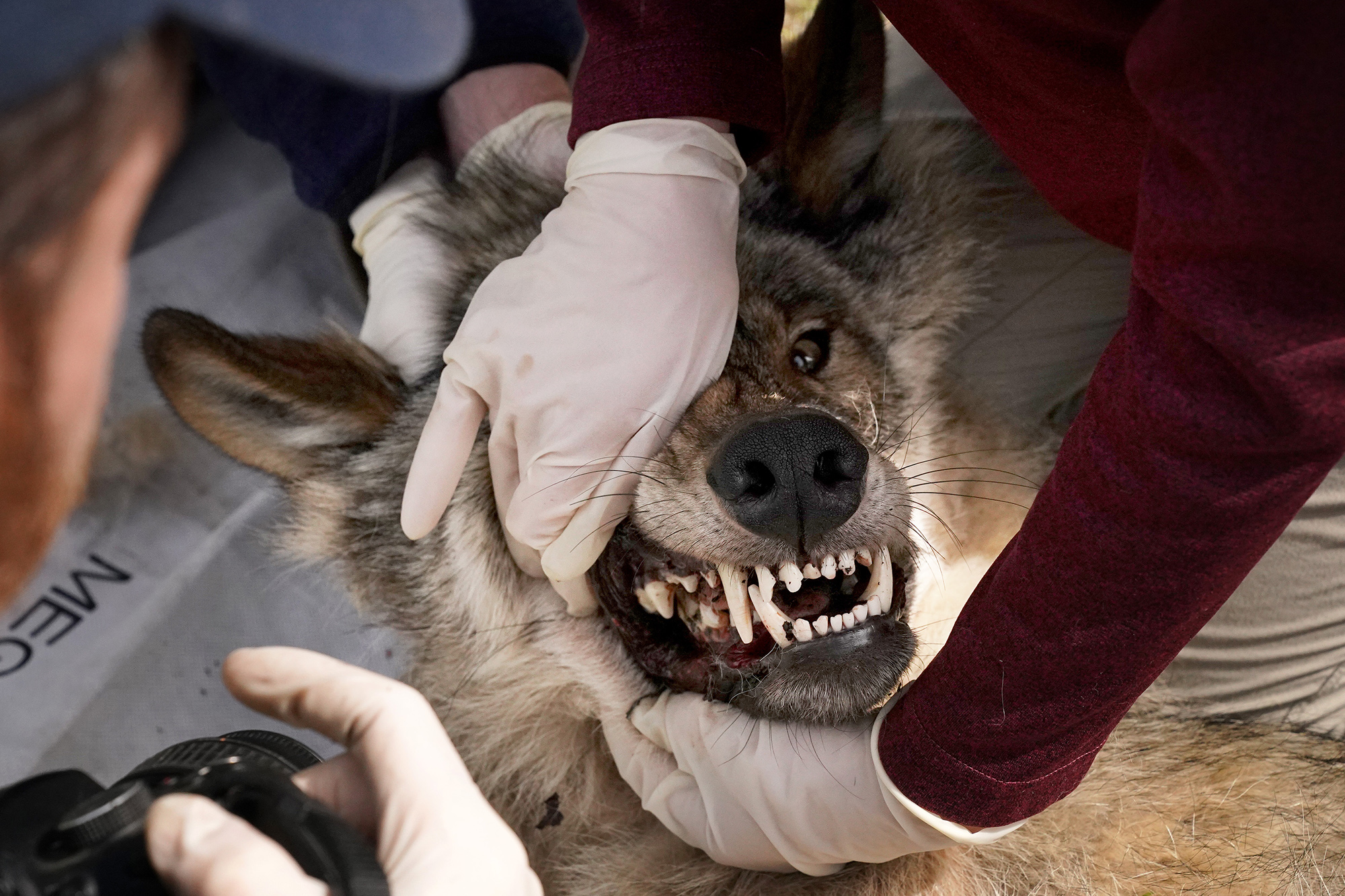
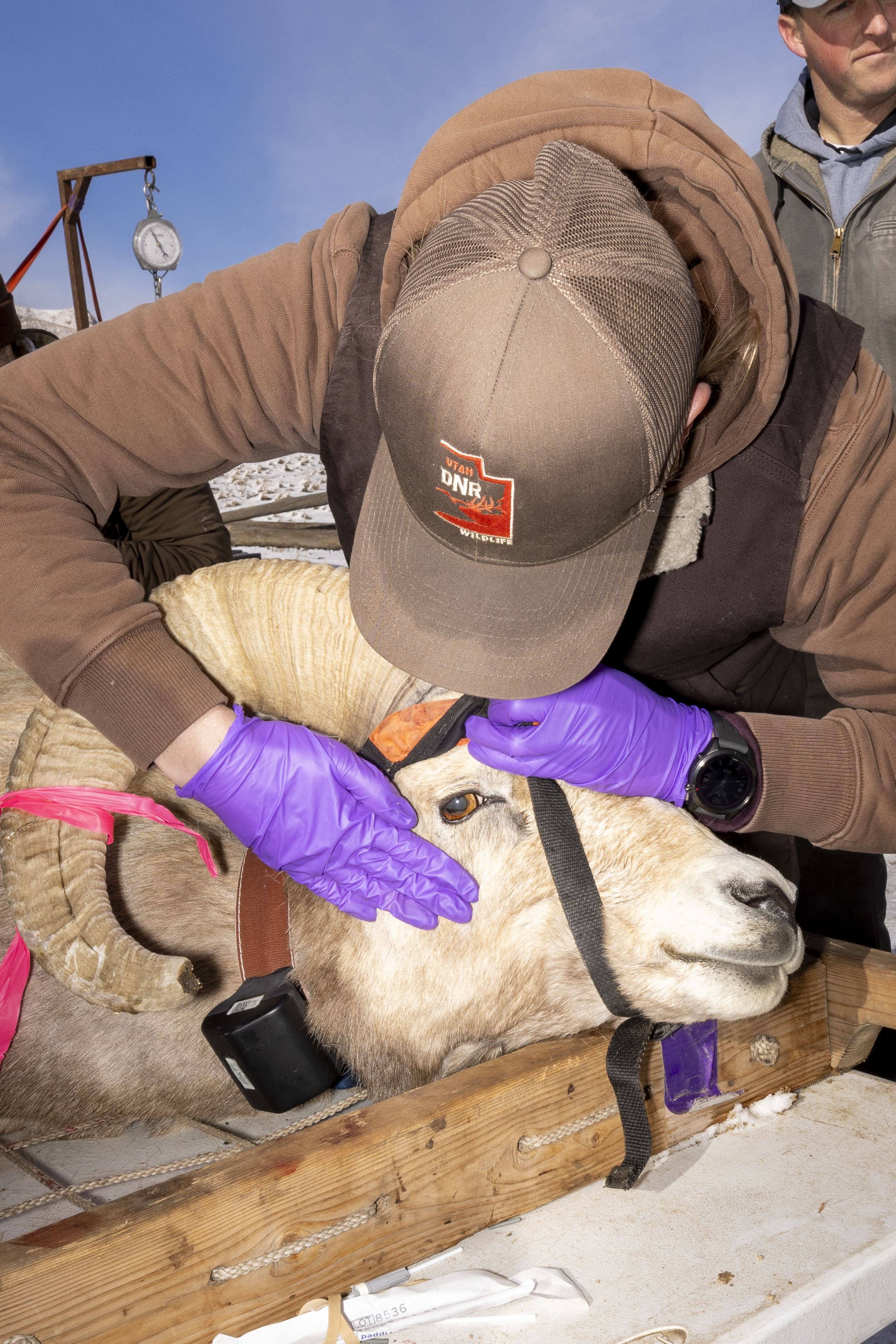
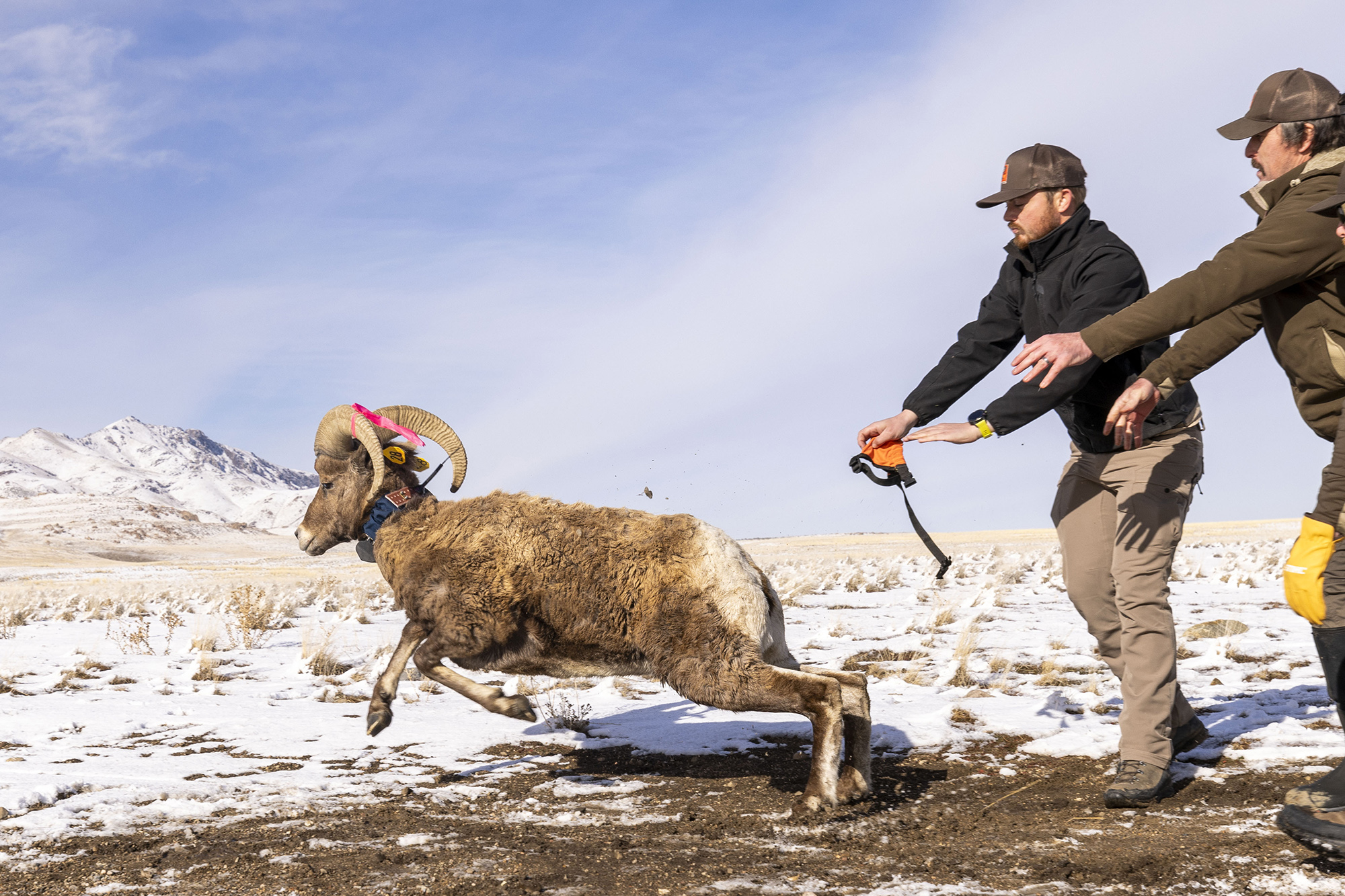
Judy Camuso, a biologist with the Maine Department of Inland Fisheries and Wildlife, crawls head-first into a bear den to do research in the woods of Aroostook County. Photo by Shawn Patrick Ouellette / Portland Press Herald, via Getty ImagesMaine wildlife biologists remove a 3 to 4 week old black bear cub from a den after sedating its mother to replace her radio collar that monitors her whereabouts. The biologists were surprised to find the sow’s two cubs, but were able to replace them with the mother their den after replacing the radio collar. Biologists keep bear cubs warm inside their jackets and with blankets while doing den checks. Photo by John Ewing / Portland Press Herald, via Getty ImagesA USDA wildlife biologist keeps aircrew and wild critters safe from plane collisions by firing a 12-gauge pyro pistol at Barksdale Air Force Base. This is a fairly common practice for non-lethal bird removal. Photo by HUM Images / Universal Images Group, via Getty ImagesCamuso (the same biologist who checks bear dens in Maine, above) frees a young saw-whet owl from a net she set up in her backyard in Freeport. For decades, Camuso has been a volunteer owl bander; every fall, she captures, weighs, measures, bands, and releases hundreds of the birds. Photo by Derek Davis / Portland Portland Press Herald via Getty ImagesHere, Camuso spreads the wing of a Northern saw-whet Owl under an ultraviolet light. She determines the age of the owl by the amount of blood supply — the pink color — in their feathers. Photo by Derek Davis / Portland Portland Press Herald, via Getty ImagesTwo Colorado Parks and Wildlife aquatics biologists squeeze eggs from a walleye. In the spring of March 2018, CPW staff hoped to collect more than 130 million walleye eggs, roe and milt to eventually create fishing opportunities. Photo by Andy Cross / The Denver Post, via Getty ImagesA volunteer fends off a female peregrine falcon with a foam pool noodle. The bird is trying to protect her nest from the Massachusetts wildlife biologist collecting two peregrine falcon chicks from the nest. The health of the chicks was evaluated and they were fitted with ID bands. Photo by Jessica Rinaldi / The Boston Globe, via Getty ImagesA peregrine falcon nestling, one of four banded by the Pennsylvania Game Commission’s peregrine falcon specialist at the time. Photo By Susan L. Angstadt / MediaNews Group / Reading Eaglem, via Getty ImagesWildlife biologist Joseph Wasilewski captures an invasive python on the side of the Tamiami Trail road that cuts through the Florida Everglades. As we’ve reported previously, Burmese pythons pose a huge threat to the native wildlife in South Florida, where they consume everything from small mammals to entire deer. Photo by Joe Raedle / Getty ImagesResearchers at the Voyageurs Wolf Project photograph the teeth of a gray wolf to estimate its age. The wolf was fitted with a GPS collar and subsequently released near Kabetogama, Minnesota. Photo Anthony Souffle / Star Tribune, via Getty ImagesUtah Department of Natural Resources staff examine the eye of bighorn sheep on Antelope Island, which lies on the north end of the Great Salt Lake. The sheep are susceptible to respiratory diseases and biologists check their weight, blood, teeth, body fat, and other biological markers annually. Photo by Natalie Behring / Getty ImagesTwo DNR staffers release one of the bighorns on Antelope Island after completing their health checks. Photo by Natalie Behring / Getty Images