
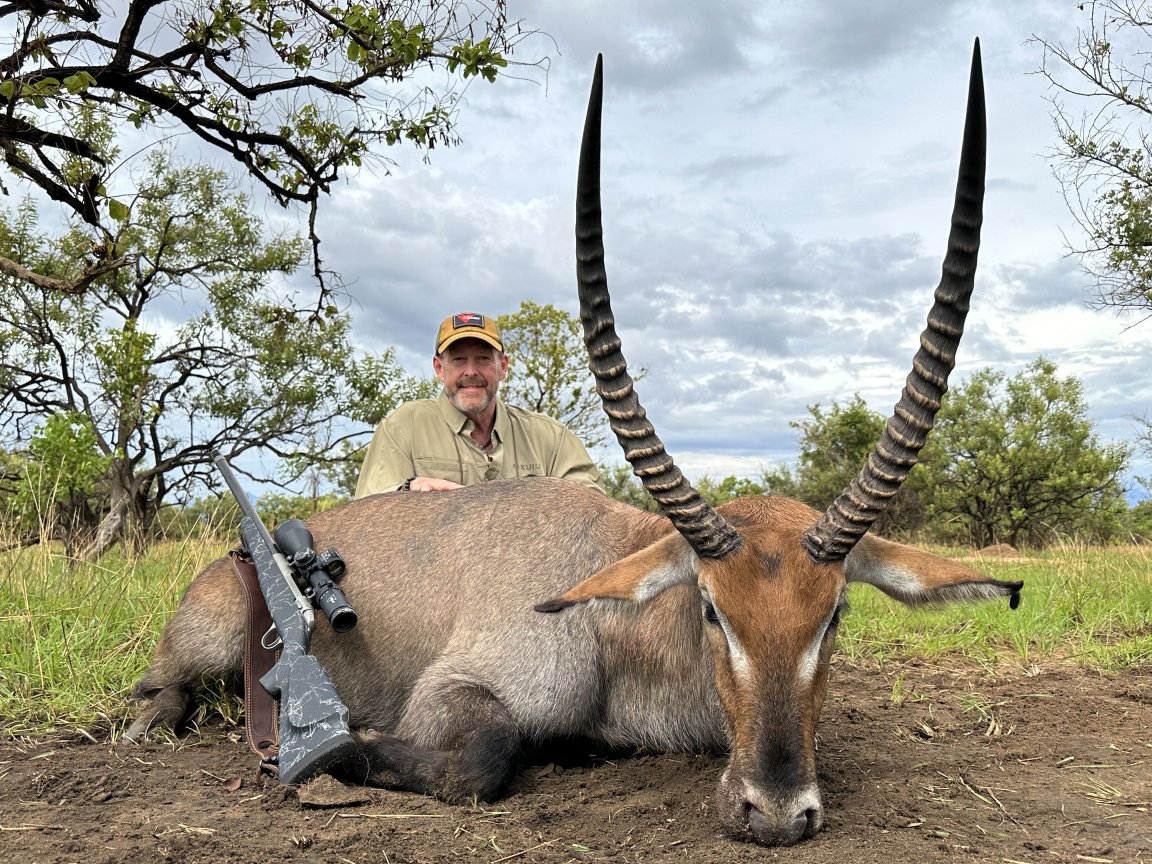
Like most optics companies, Trijicon has a lifetime warranty on its products. But unlike most of its peers, Trijicon has an expectation that its scopes, weapon sights, red dots, and thermals will not fail.
“We have a lifetime warranty, and we will absolutely take care of folks, but our main goal is that you don’t ever have to use that warranty,” says Trijicon’s director of marketing Josh Lyall. “A warranty doesn’t do you any good when you’re actually in the field or on the hunt of a lifetime and your scope fails. Our thinking is to build our scopes to ensure that they survive any abuse you can think of, and some that you can’t ever imagine.”
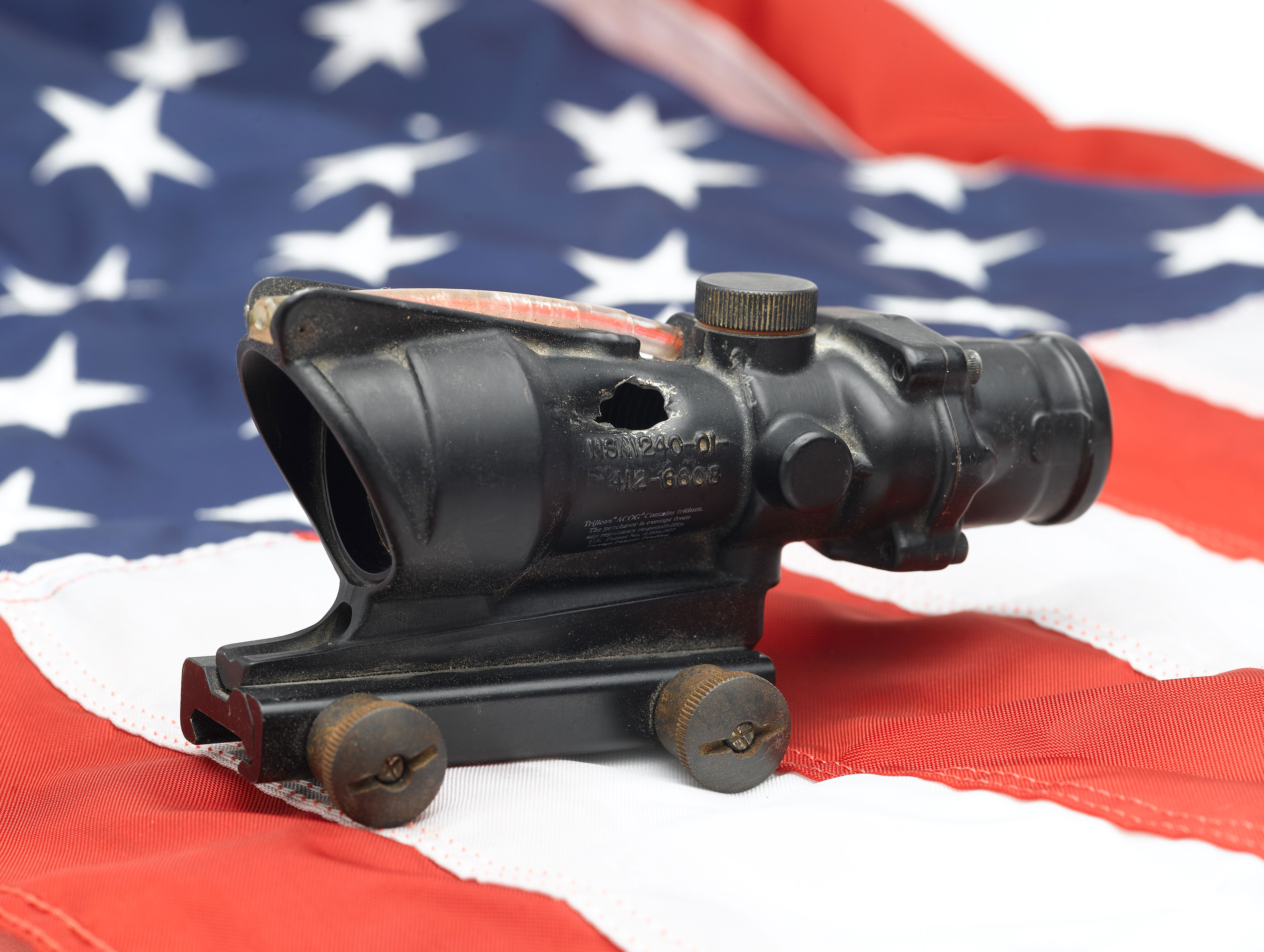
Trijicon has had its scopes get thrown from a moving truck in remote Africa and hit the asphalt at 50 mph. But the scuffed and scarred scope held its zero and help take an animal the following day. More critically, Trijicon has had its military sights survive firefights in hostile engagements and endure being run over by the crushing wheels of armored personnel carriers.
These aren’t exceptions. Trijicon’s optics are engineered and manufactured to endure unthinkable abuse. As the battle optics for many branches of America’s military, they have to be.
While many hunters and recreational shooters know Trijicon as a premium sports-optics brand, its origin and its DNA are closely tied to military applications. The company’s first signature optic, the Advanced Combat Optical Gunsight (better known simply as the ACOG) has been the official medium-distance engagement optic of the U.S. Army, Marine Corps, and Special Operations Forces for 20 years.

“There’s almost no other piece of kit that the Army is running now that they were running 20 years ago,” observes Lyall. “That’s a testament that the ACOG is durable, versatile, and reliable.”
In 2017, Trijicon produced its one-millionth ACOG 4×32 riflescope. No other optics company has as many military contracts as Trijicon, a distinction that enables it to extend its engineering and manufacturing capabilities to the commercial market.
While Trijicon celebrates the ACOG as “The Scope That Changed Everything,” for our armed forces, it also changed everything for the Wixom, Michigan-based company. Landing a military contract enabled the company to invest in engineering and production, and its innovation has turned out a number of iconic optics, including the durable RMR reflex sight that guides handguns but also piggybacks on magnified sights, the Compact ACOG and VCOG.
But the element tritium has been closely associated with the company, and even features in its name. That’s because Trijicon’s founder, Glyn Bindon, started the company in the early-1980s with a tritium-illuminated gunsight that he packaged in the family’s house. Illumination technology powered by tritium has defined the design and performance of most optics in the company’s line. The element enables battery-free illumination, a concept that’s been accelerated by Trijicon’s extensive use of fiber-optic technology to amplify even small amounts of ambient light to illuminate its aiming points.
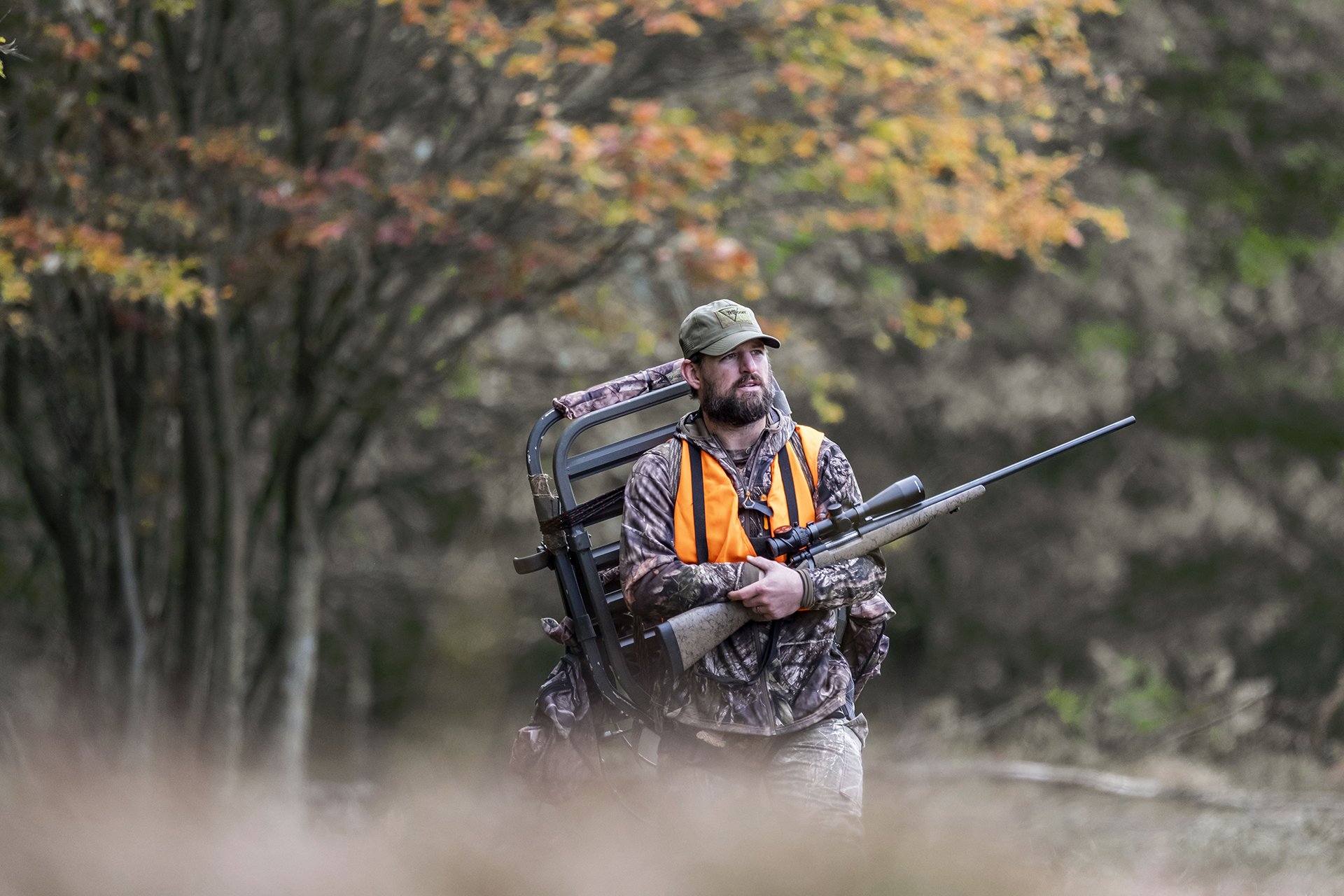
The optic that brought Trijicon out of the battlefield and into the hunting fields and stands of America was (and remains) its AccuPoint, a variable-power rifle scope that combines a couple of the brand’s most innovative and effective features. The scope’s battery-free illuminated reticle is powered by fiber optics that adjusts intensity based on ambient light, and among reticle choices is Trijicon’s distinctive red triangle post, an inverted version of which is featured in the brand’s logo.
The bright illuminated reticle is the central feature of what’s called the Bindon Aiming Concept, developed by Trijicon’s founder. It’s an instinctive shooting method that allows for both-eyes-open aiming, a clear and precise illuminated aiming point, and a wide field of view.

“The idea is that, when the illuminated portion of the reticle is bright enough at 4-power and below, you can shoot with both eyes open and your brain will bring both image planes [that of the target and that of the reticle] together,” says Lyall. “It allows for better situational awareness and it’s very effective for engaging moving targets. The key is the amount of illuminated area in the reticle has to be large enough, and that’s where the triangle post shines.”
The illuminated aiming point is such an integral part of Trijicon’s brand that it appears in most of its second focal plane scopes. The brand has extended its line of durable scopes, and its associated Science of Brilliant reticle engineering, from the AccuPoint to the Huron line, optimized for white-tailed deer hunters. The Credo HX and Tenmile HX lines, featuring precision reticles and turrets for long-range shooting and hunting, are favorites of Western hunters. And the Ascent line of scopes is designed for shooters of all types and disciplines. And the company’s hard-wearing thermal sights take illumination to the next level, with capabilities to hunt in complete darkness.
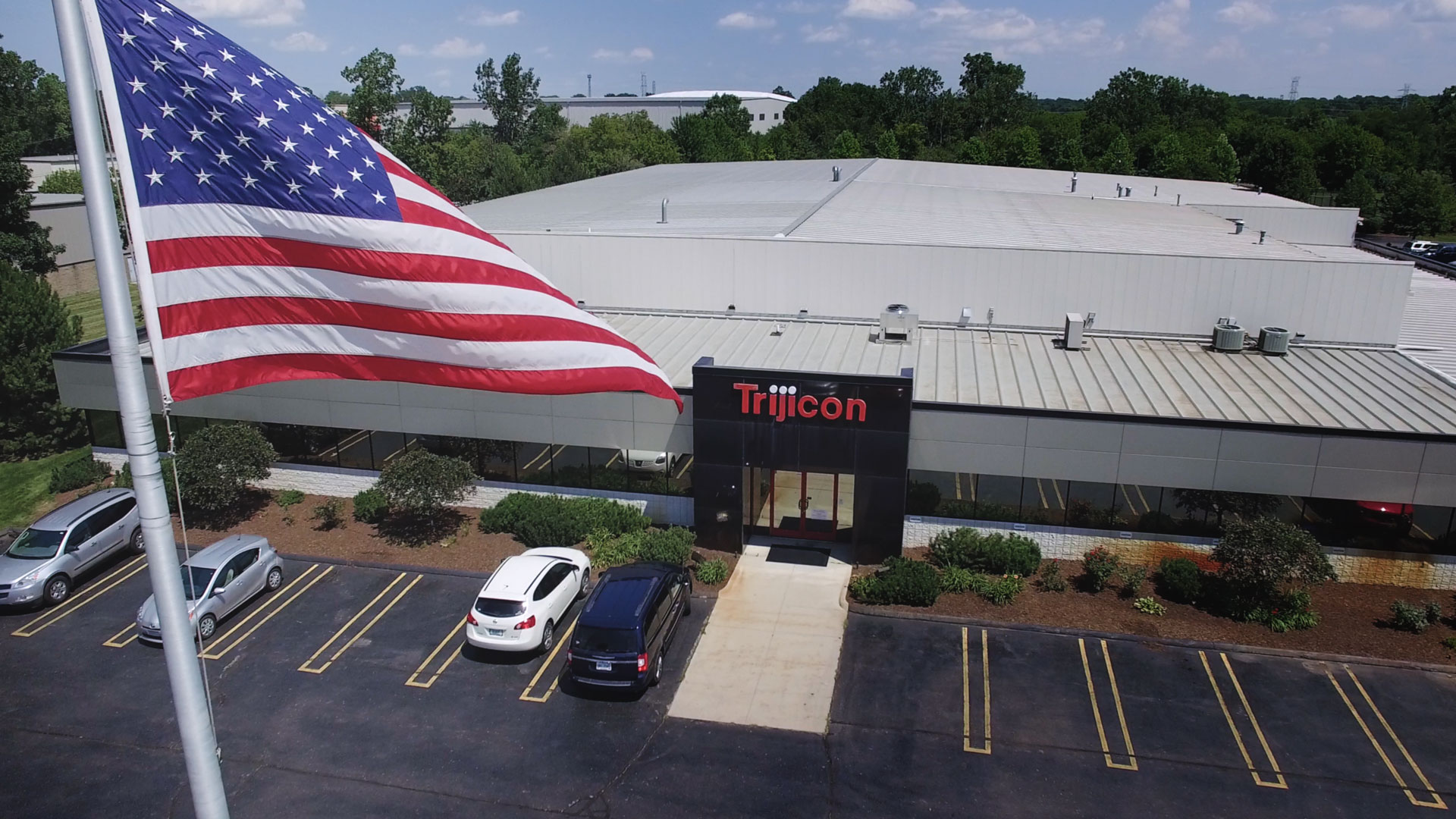
Trijicon obtains all its components from either American or friendly foreign sources, and builds most of its products from forged aluminum housings that it mills and then assembles at its Michigan campus.
If someone sees the Trijicon logo, they can know it’s a quality product that has quality engineering in it, made here in America.
That logo is also an indication that the product beneath it is designed to never fail.