
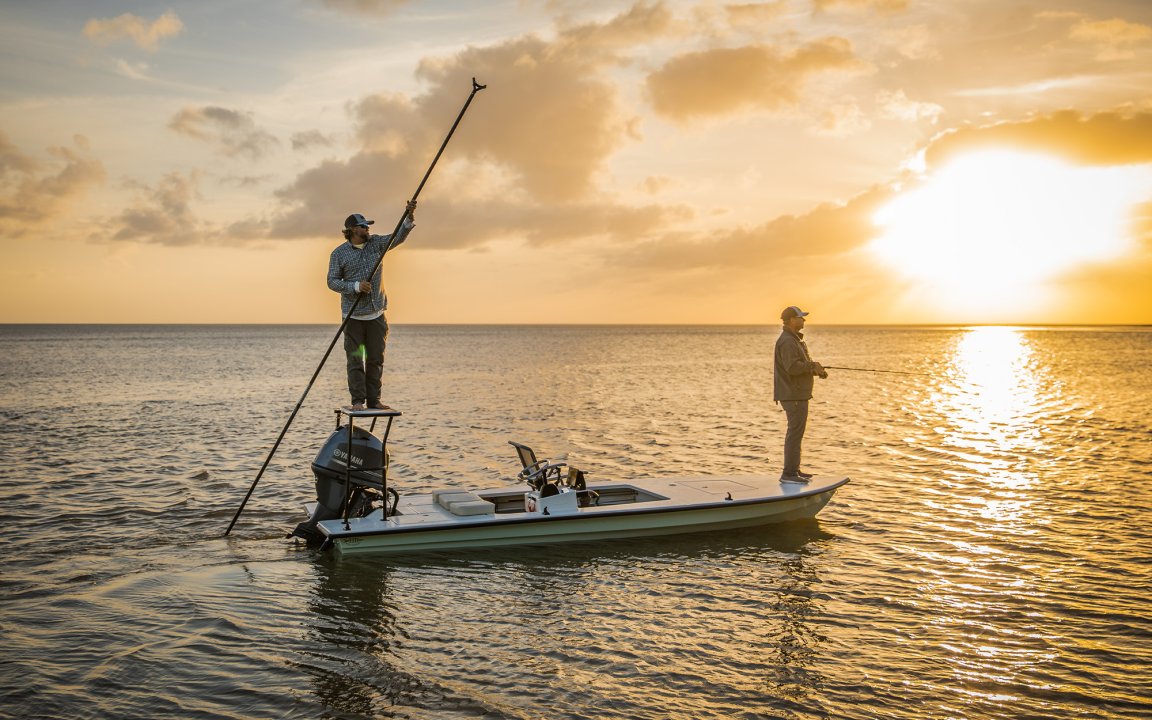
As advocates for conservation, clean water, and wildlife, the most important tool outdoorsmen have is our voice. We’ve wielded this tool effectively time and time again. But a clause in a new bill being pushed in the Florida legislature aims to muzzle Americans, and particularly critics of large-scale agriculture, through legal intimidation.
Under a provision included in the Florida Farm Bill, the state’s food libel laws would be greatly expanded to protect agricultural producers from “disparagement.” It would essentially make it easier for those producers to sue, and potentially bankrupt, their critics. Legal experts say this would have a chilling effect on free speech. As do conservation groups like Captains for Clean Water, which joined a coalition of fishing guides, farmers, and Make America Healthy Again supporters to testify against the provision in the Florida House of Representatives on Wednesday.
“This is dangerous to the outdoors community because it threatens the most important tool we have to push back against big corporate interests. In this case, in Florida, it’s sugar and chemical companies,” Capt. Chris Wittman, one of the founders of CCW, tells Outdoor Life. “This bill is not about protecting farmers. These are billionaire executives looking to silence public criticism.”
Wittman says people from all over Florida testified during Wednesday’s House subcommittee hearing on the bill. Most spoke out against the provision and the harms it could inflict on free speech. Regardless of that opposition, however, the bill advanced. It now heads to final subcommittee hearings in the State House and Senate on Feb. 10. If it passes as written, the bill containing the provision would then head to a final vote.
“We are not going to accept a watered-down amendment to this provision,” Wittman says. “The only thing we will accept is the language in that [provision] being removed from the bill entirely.”
Speak Up and Get SLAPP’d
The provision, included in SB290 and HB433, makes three big changes to Florida’s existing food libel law. (That law was enacted in 1994 to protect perishable foods from misinformation, and similar “veggie libel laws” exist in 12 other states.) It would:
- Extend the coverage of the law to all agricultural products, including non-perishables like sugar
- Extend the coverage to any and all agricultural practices, including the use of fertilizers, pesticides, and herbicides
- Establish a system where producers could be reimbursed for legal fees but their critics could not
Because of these changes, which would make Florida’s food libel law the broadest in the country, Captains for Clean Water is referring to the provision as the “Big Sugar Muzzle Clause.” The inclusion of one-way attorney’s fees is the most troubling aspect, according to Wittman, as it would give special-interest groups a clear upper hand over everyday Americans. It would make it easier for these groups to file lawsuits just to intimidate their opponents — known in legal speak as SLAPP suits.
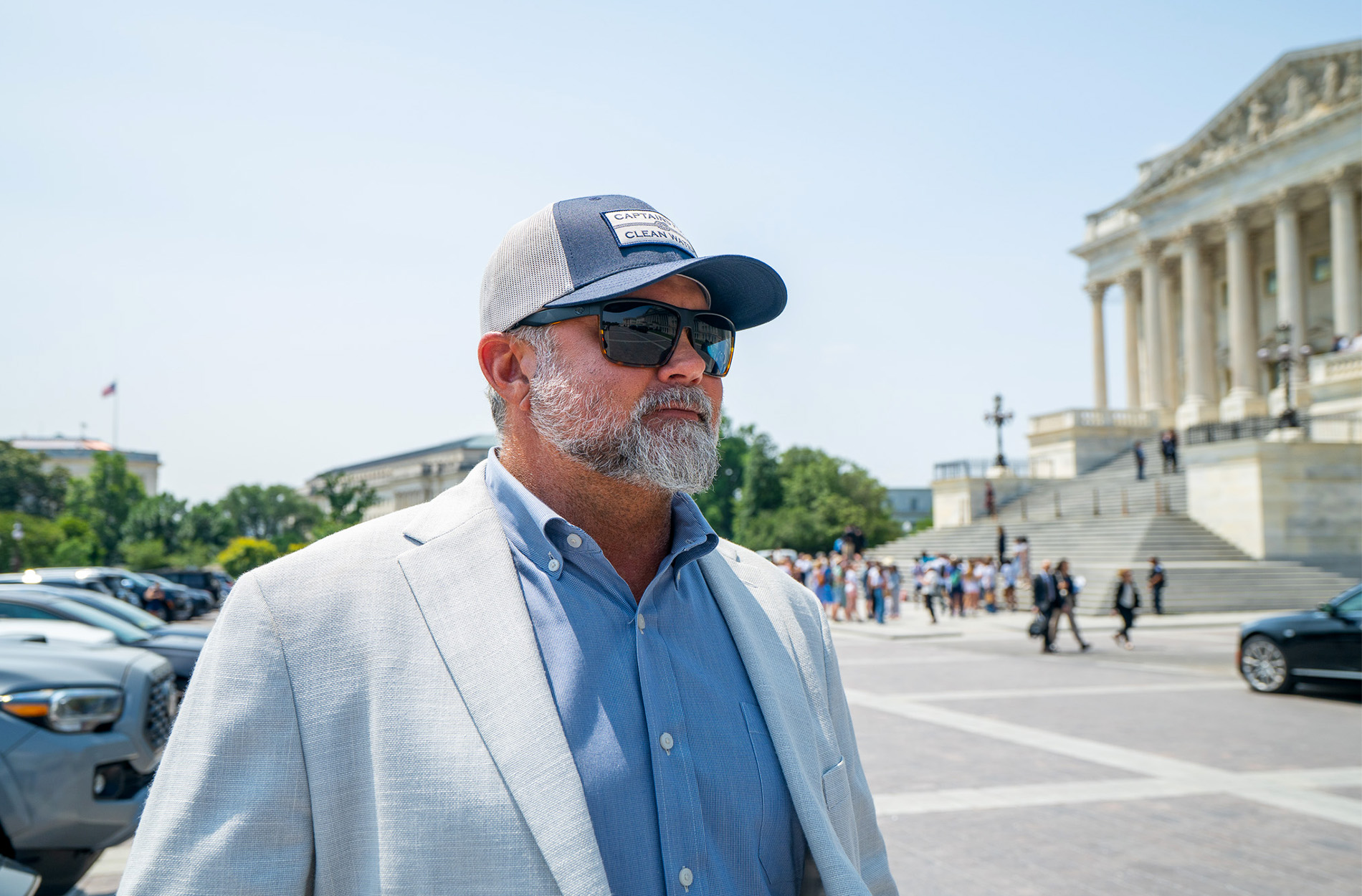
“The process itself becomes the punishment,” Wittman says. “They will just punish people into submission simply with the threat of those legal fees.”
The provision itself is being championed by Sen. Keith Truenow, who told reporters plainly in December that he wanted sugar to be covered under the statute. As context, Florida is the top sugarcane producer in the U.S., and past studies have shown the negative impacts that intensive sugarcane production can have on water quality. Also, as context, one of Truenow’s top 10 campaign contributors in 2022 was U.S. Sugar.
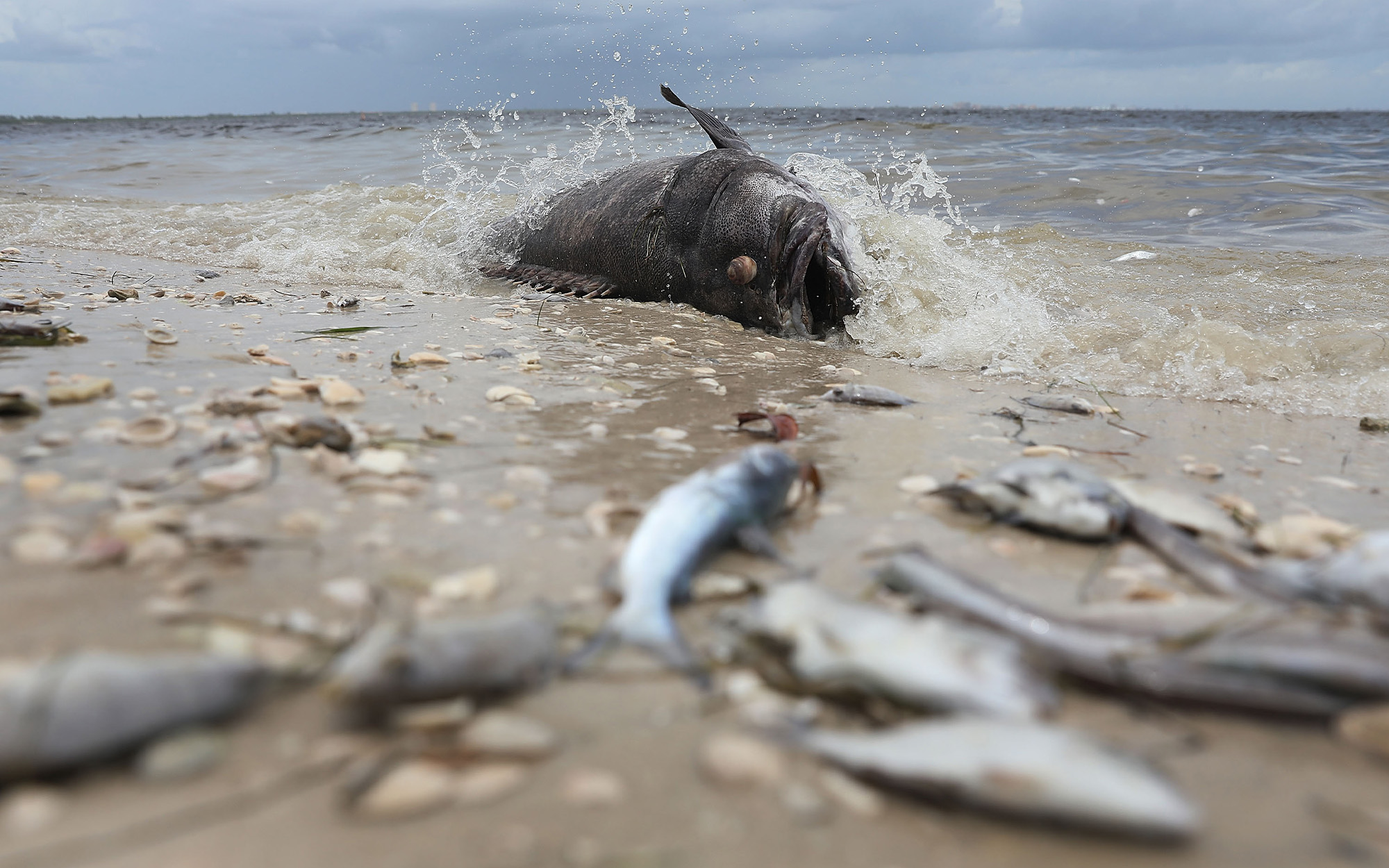
These connections aren’t lost on Captains for Clean Water. Wittman says the organization was founded in response to the impacts that the sugar industry’s agricultural practices were having on water quality in southwest Florida. As local fishing guides, Wittman and CCW co-founder Capt. Daniel Andrews say they started seeing bigger red tide blooms leading to fish kills around 2016. They and others began drawing connections between these red tides and the sugarcane industry’s discharges of nitrogen-enriched waters from Lake Okeechobee.
Their suspicions were confirmed by a peer-reviewed study published in 2022. A separate study found that the unusually large red tide that southwest Florida experienced in 2018 resulted in more than $2.7 billion in economic losses.
“That’s exactly why Daniel and I founded Captains for Clean Water,” Wittman says. “As an advocacy and education organization, we provide a megaphone for people to share how they’re impacted by water management policies and agricultural practices — whether it’s the use of fertilizer, glyphosate, the burning of sugarcane, or whatever it may be. So this is an attack on the very DNA of our organization.”
Wittman also warns that a supercharged food libel law in Florida could provide a legal roadmap for other special-interest groups, such as mining companies or developers of AI data centers. These groups could potentially argue that since their products are critical to national security, they should be protected from disparagement as well.
“This isn’t just an issue affecting Florida fishing guides,” Wittman says. “This is about freedom of speech. And the First Amendment is not negotiable.”