
For decades now, Americans have enjoyed improvements to water quality across the country. We have cleaner rivers, lakes, and wetlands than we did in the 1960s, thanks to some key legislation. You might have heard of it. It’s called the Clean Water Act. Then in 2023, the Supreme Court gutted key provisions of the Clean Water Act that, well, keep our waters clean.
Here’s one example: It’s now generally legal under federal law to discharge pollution or fill in wetlands adjacent to rivers where you can’t see surface water connecting those key areas. Unfortunately, the ruling in that court case — it’s called Sackett v. EPA — doesn’t consider how nature actually works or how pollution spreads. Water bodies are connected all across the country by groundwater. Ducks nest in potholes beside larger streams. Streams flood and spill their banks, merging fish populations and mingling water and the pollutants that are in that water.
That’s why this week on the podcast I’m talking to Adam Schellhammer. He’s a hunter, he’s an angler, he’s got a background in aquatic ecology, and he’s also the Mid-Atlantic regional director for American Rivers. Adam’s going to explain why protections for the waters of the U.S. have already been rolled back, some key remaining protections for our streams that are currently at risk of vanishing, and why that would be very bad for fish, wildlife, habitat, and the folks who enjoy them. The good news is, Adam is also going to explain what you can do to help this week.
Listen to this episode on Apple, Spotify, or wherever you get your podcasts.
Full Episode Transcript
Natalie Krebs: OK, let’s start things off simply here, Adam. Can you just explain to us what the heck we mean when someone says Waters of the U.S.? What are we talking about?
Adam Schellhammer: Sure. Natalie, I have to say, as my first podcast experience, I’m excited to dig into the Clean Water Act and waters of the United States, so hell of a first go.
Natalie: Great! Glad to hear it.
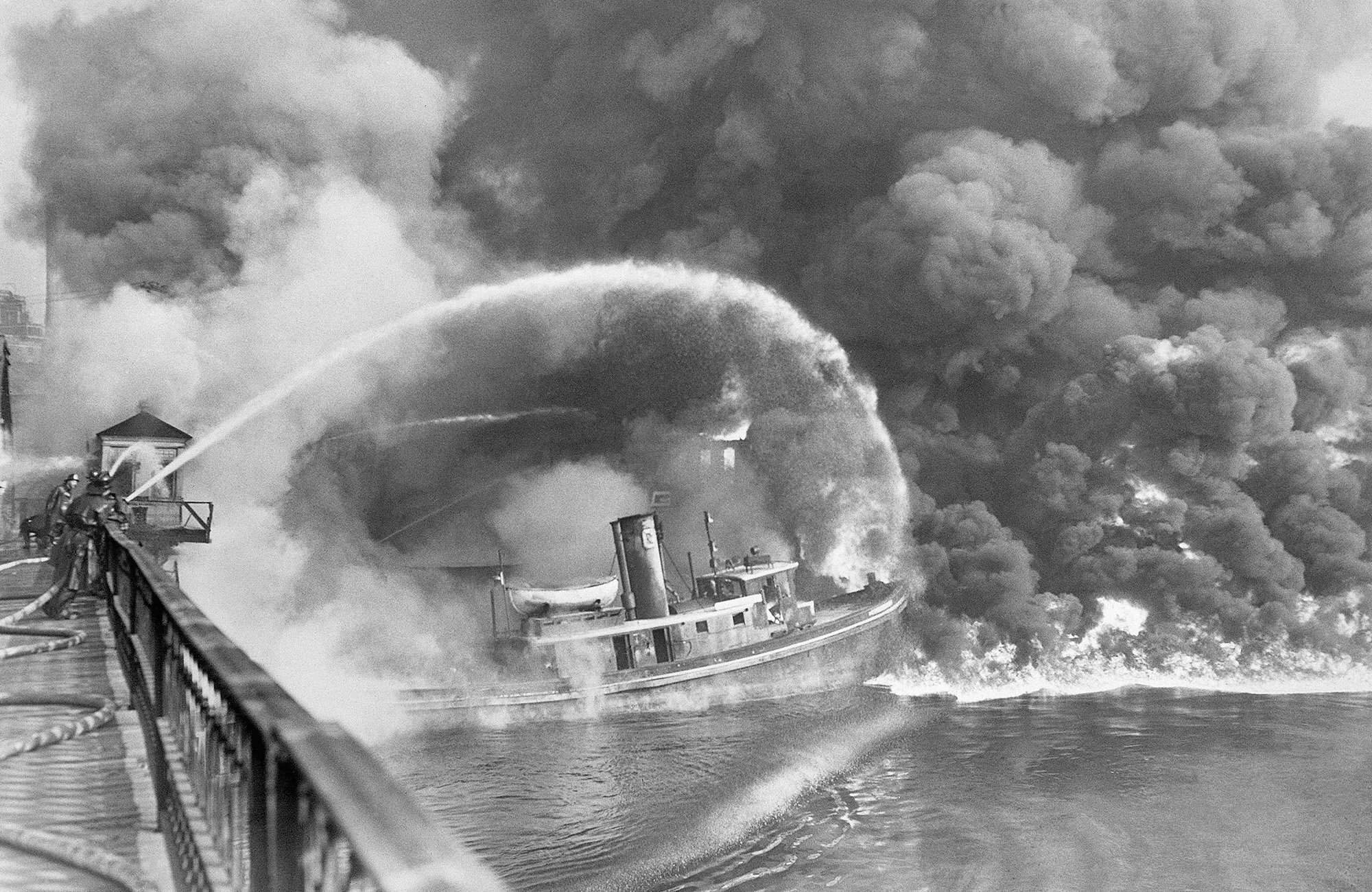
Adam: So you can’t really talk about waters of the U.S. without talking about the Clean Water Act first. It predates my time, but if you think about the pre-1972 era, early industrialization in the U.S., we used to be able to light our rivers on fire. The Cuyahoga River — it’s a very well-known story. And at some point, the United States woke up and decided, “Hey, water shouldn’t be able to be lit on fire like that. We should do something about it.”
Natalie: That’s a good idea.
Adam: It is. Like baby steps, right? So just acknowledge we have a problem and we maybe have not been treating our waterways the best and we can do a better job. So that brings us to 1972 and the adoption of the Clean Water Act, where we’re gonna say we’re gonna regulate what can be discharged into our waterways, what we’re gonna have permits for as far as pollutant loads, all that fun stuff. Now, waters of the United States are all of those waterways that are protected under the Clean Water Act. So you can’t talk WOTUS, or waters of the United States, without the Clean Water Act, but that’s how that came about. So after 1972, we took a look at the landscape and said, OK, everything afforded protection — be it wetlands, be it streams, rivers, creeks, seeps — it’s all under the Clean Water Act, and they are all waters of the United States.
Natalie: Is there anything it doesn’t include? Like, I don’t know, I’m thinking like a farm pond out my back door. What is the scope of this?
Adam: Yeah, sure thing. So no, like a farm pond would be exempt. And recently, you may have heard of the Sackett v. EPA decision. There’s been some changes in how we define waters of the U.S. and what’s afforded protection. So historically, wetlands that were adjacent to a stream or a navigable waterway would’ve been afforded protection. Now, post-Sackett, if it doesn’t have a surface water connection — if you can’t see active flow between the wetland and the stream — it’s no longer afforded protection. But like a farm pond would be exempt from waters of the U.S.
Natalie: Sure. OK. Yeah, let’s talk about the Sackett decision. Why might it not be advisable to define things by surface water? What’s the problem there?
Adam: Yeah. I mean, I think it just doesn’t acknowledge the dynamics of the system. Like, if you dig a hole in your yard and you fill it with water and it infiltrates, does that just disappear? No, it actually flows horizontally. So just because there’s no connection at the surface — a lot of those riparian wetlands, the wet pockets next to a stream, they’re connected just subsurface. So all that water still gets infiltrated, still flows. And if you fill in those areas, you’re messing with the dynamics. And I think we’ve come such a long way in our understanding of the interplay between riparian wetlands and stream health. And so we know that’s a huge source of — like a filter, a sponge that filters out all those pollutants. So we wanna protect those areas so that they can work on behalf of the stream and everything else downstream.
Natalie: Sure. So this Sackett decision, this was a decision by the U.S. Supreme Court that basically said, “Hey, EPA, you actually don’t have the authority to regulate these waters, and so we’re gonna cut back on what you can regulate.” And this was, what, 2023?
Adam: Correct. So that kind of lowered the bar by federal standards. And I think the one thing to also keep in mind is your state, and even down to your county, may have different standards. So the feds may not regulate the farm ponds, but your state might. I live in Pennsylvania, so even though the federal government reduced the bar of protection for wetlands and things like that, our state is still maintaining those base protections. It’s also affected by things like, in our area, the Chesapeake Bay cleanup program. So there may be other protections afforded, but what we’re really talking about is that base-level federal protection for these landscapes and these wetlands.

Natalie: Sure. And can you speak to roughly what percent of the waters in the U.S. the Sackett ruling affected? How much of our water is changed by this ruling?
Adam: Yep. So overall, I think the last figure I saw was like a 63 percent rollback on the protections of those areas. But when your definition — or the rule — is it has to have a surface connection, that’s gonna change things drastically. And so from our perspective, these are just base-level protections that the waterways should be afforded. If we wanna keep doing stuff we love like hunting and fishing, we know that these areas are dependent on complementary systems like wetlands and ephemeral streams, and we know how important they are to the health of not only the ecosystem, but the species that we enjoy. So for us, that’s just base-level protection that should be in place, much of which was rolled back by the Sackett v. EPA decision.
Natalie: Sure. And I know you’re in Pennsylvania, where streams tend to stick around a little bit more, but in the West in particular, ephemeral streams make up a large portion of our waters of the U.S. So can you talk about why you even mention ephemeral and how that is affected by the current ruling?
Adam: Yeah. I mean, not to bury the lede, but that’s the decision we have before us right now. There is a rule change that’s being proposed by the EPA and the Army Corps of Engineers that would actually further restrict protections and make it dependent upon: Are those streams flowing year-round? Are they perennial streams? And so it would not afford protections for ephemeral or intermittent streams in areas like the West and even the Northern Tier of Pennsylvania — it gets flashy up there. So some of the best fishing spots early in the spring aren’t really there late summer. So that’s kind of why it’s so timely we dig into this today, because on Oct. 9, the public comment period closes for this rule, and we have a chance now as hunters and fishermen to take action, make our voices heard, and ask for the pullback of this rule change.
Natalie: And that comment period that’s open before us, that’s about to close — it seems like a lot of folks who have been following this issue closely were a little surprised to see this comment period open up. Can you talk about why that might be the case?
Adam: Yeah. I mean, this is more of a personal standpoint, but I think there’s been a lot of change that’s come very quickly. When you look at the threats to public lands in recent months, and when you have changes to protections of our waterways, let’s just say the landscape is saturated. And so this is part of the process. If there’s gonna be a rule change of this nature, it has to have a public comment period. So credit to the agency that the comment period’s opened up. And now it’s our obligation and, as I take it, sacred responsibility to make our voices heard on the subject.
Natalie: Yeah. I think there have been so many proposed changes in the last couple of years in terms of public lands. I’m thinking about the roadless rule, which also has a public comment period underway this week. I’m thinking about specific monument reductions, things like that, drainage tile up in the Prairie Potholes. There are a lot of comment periods to keep track of, and I’m curious where this issue falls on the radar of the general public. Is this something that folks seem aware of, or has it really been a challenge to rally the public around this issue? Because on one hand, it’s so abstract — it’s such a big thing, like water in the U.S. What’s the public perspective on this?
Adam: I mean, if I was to poll everyone in my neighborhood, me and my family and my neighbors would know, because they have to listen to me all the time. But no, unfortunately, I think this one is — like, this is a rule change within two agencies in response to a decision made in 2023 by the U.S. Supreme Court on a property in Idaho. You’re talking some really deep things, but, like, the impact this could have. And the thing is, we’ve already made the rule change. This is an unnecessary extension of the Sackett decision. This goes far beyond what was called for. So it seems like a pointless self-inflicted wound for the landscape at this point. We should be avoiding this at all costs. There’s no benefit to it. So yeah, this one’s been… I think public lands, that’s the one that broke through, which was great.
I think people understand we own those spaces. We just have to translate that same concept to the waterways, which is why federal base-level protections are so important. When’s the last time you ever saw a river or stream stop at a political boundary? The Susquehanna doesn’t care what state it’s in. The Snake River doesn’t care what state it’s in. They’re gonna flow, and that’s why it’s important to have those federal protections and acknowledge the incredible importance of those riparian wetlands and those systems for protecting this. So yeah, that’s definitely my soapbox, but to answer your question, I don’t think this one has the collective eyes on it that public lands did. Hopefully we can change a bit of that here, at least open that conversation. But we’ve got till Oct. 9 to make our voices heard.
Natalie: Who’s advocating for these rollbacks? Is this ag? Is this manufacturing? Is it folks saying ‘this is an example of government overreach and really our waters don’t need to be regulated?’ What’s the counterargument here?
Adam: Yeah. I mean, I think I’ve heard all of those offerings in the past in one way, shape, or form. I know in general, things are always posed as, like, we can either have environmental protection or a thriving economy, and one thing’s gotta give for the other to survive. Honestly, I think it’s mental laziness. The two things are deeply intertwined. So yes, I have heard calls for deregulation. Oftentimes, folks actually are just looking for consistency — consistency in rulemaking across jurisdictional boundaries. And so, even from an objective view, maybe it’s not deregulation. People are very interested in consistency, in a level playing field, and maybe that’s where some of this is coming from. But yeah, I’ve heard it all kind of posited before, like, we need to be able to grow where we want to, when we want to, and part of that is either deregulating or allowing states to make that decision.
Natalie: Correct me if I’m wrong, but when the Clean Water Act was enacted, when these regulations were put in place prior to the Sackett rollback, this was bipartisan, right? This was a fairly cohesive movement forward for both Republicans and Democrats. Is that correct?
Adam: Yeah. I mean, the Clean Water Act was done under the Nixon administration. So no, it’s had broad bipartisan support. I think if you look at where we’ve come from to where we are now, it’s day and night, and we’re still on that recovery journey. For those of us who were born after that, or have come up through some kind of interim phase, there’s less and less folks that remember what the pre-times were like. And so I think that’s where we find ourselves now: Well, we’ve done pretty well. We’ve got some good stuff going for us. We made progress. So maybe there’s some things we can lighten up on. And I don’t know if that’s part of the mental process, but we kind of put that under shifting baseline syndrome.
Like, we’ve done well, we’ve clawed back, but we still have a ways to go. And honestly, just the way we manage our landscape, we have to make the next evolution in that. And we feel this takes us in kind of the opposite direction.
Natalie: Sure. And I guess I would also say we’ve made strides in terms of pollution and water quality since the Clean Water Act. In the meantime, we’ve been losing wetlands at an alarming pace. We are facing incredible historic drought in the West and in other places. We’re already having to troubleshoot who gets water where. It seems like waters of the U.S. are more important than ever as we lose that habitat, and also drinking water for people. So can you talk a little bit about that and why this is a particularly risky time to be looking at rollbacks?
Adam: Absolutely. I grew up hunting and fishing, so for me, this rollback is important on that front because of those systems. But as a human being, understanding what these systems do for us collectively as a species is even more important. And it’s a good thing to dive into. So the wetlands across the United States — in the Mid-Atlantic region where I live, I think there’s been a 50 percent loss in historic wetlands. And if you think about wetlands across the country, around the world, they are excellent at taking whatever moisture comes in, driving it into the groundwater, absorbing it, saving it for later use. I know out West, snowpack plays a big role in base flow throughout the year, but you look at some of the high-elevation wetland systems in California — they are storing water. They’re releasing it slowly throughout the season. It helps with fire risk, all that fun stuff.
At the same time, you’ve talked about how we’ve made some progress in the water quality department, but these systems are natural water filters working on our behalf seven days a week, 365 days a year. So as all that water gets absorbed into the wetland systems, it’s cleaning it, returning it to the waterways, and whether you’re on well water or surface water through a water service provider, those wetlands are cleaning that water for our use. And storms are becoming flashier, a little less frequent. You talked about drought, and so this makes sense not only for residential use, but for ag production. We need to make sure we’re safeguarding our water supply for agricultural producers, whether it’s stock, whether it’s crop production — all this plays into it. So that system’s working for all of us, which is, again, another huge reason why we should be protecting and restoring as much of this as possible.
Natalie: Yeah, and we talked about the surface water connection too. If there’s no surface connection, that doesn’t mean there won’t be a surface connection when floodwaters come or we have seasonal changes, because that’s the nature of water — it just changes so much. And so looking at a static landscape in one moment doesn’t mean it’s necessarily gonna stay that way, and that has huge implications year-round. Is that fair to say?
Adam: Yeah. I mean, I just think if you’ve spent time in the outdoors — whether it’s fishing, hunting, hiking, birding, whatever — you’re gonna notice drastic changes in the landscape throughout the year. And maybe over the course of years, where that river channel is one year, it’s gonna migrate at some point, and it may not be there, so you may be creating or disconnecting from different wetland complexes over the course of a couple of years. And so how do you say, “Oh, we’re gonna roll back protection because that landscape’s always gonna look that way forever and ever, and so this rule will be appropriate forever and ever”? It doesn’t jibe with how the landscape actually functions. And I think that’s why, if we want consistency and we want better baseline protections, just acknowledging the dynamics of the landscape and how incredibly unique and nuanced it is — we have to come up with regulations that are fit for that.
So that’s part of where we’re coming back to: If you want consistency, great, but acknowledge that landscape’s gonna change, the attributes of that waterway are gonna change. We have to account for it.
Natalie: We’ve touched on this a little bit, but could you give me a specific example — whether it’s fishing in your neck of the woods, or maybe it’s duck habitat or something? I’m thinking about if these waters adjacent to rivers, for instance, have no surface water connection. What are the downstream effects?
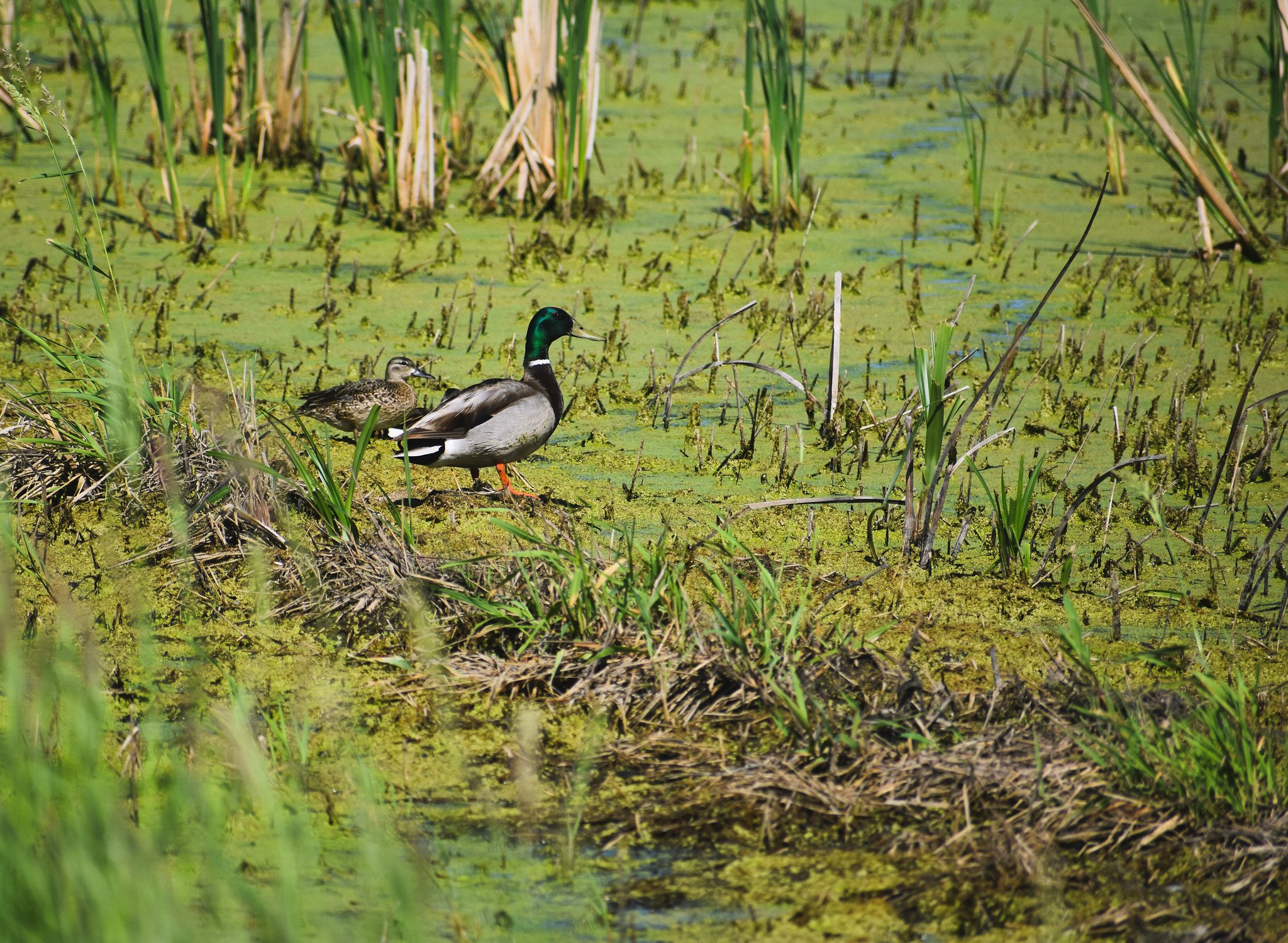
Adam: Yeah, I mean, even if you look at the basis of the Sackett decision, it was because they were filling in wetlands on the property that originally were afforded protections, and then the decision rolled those back. So when you look at that area — pockets of wetlands next to a waterway — those are very popular for waterfowl hunting. That’s what you’re seeking out; that’s where you wanna set up shop. So if you allow infill of those areas, first off, you’re gonna displace that population that would’ve been going there, so you’re looking at a greater density of species elsewhere, or limited habitat, less food supply. So from a hunting perspective, you’re destroying habitat.
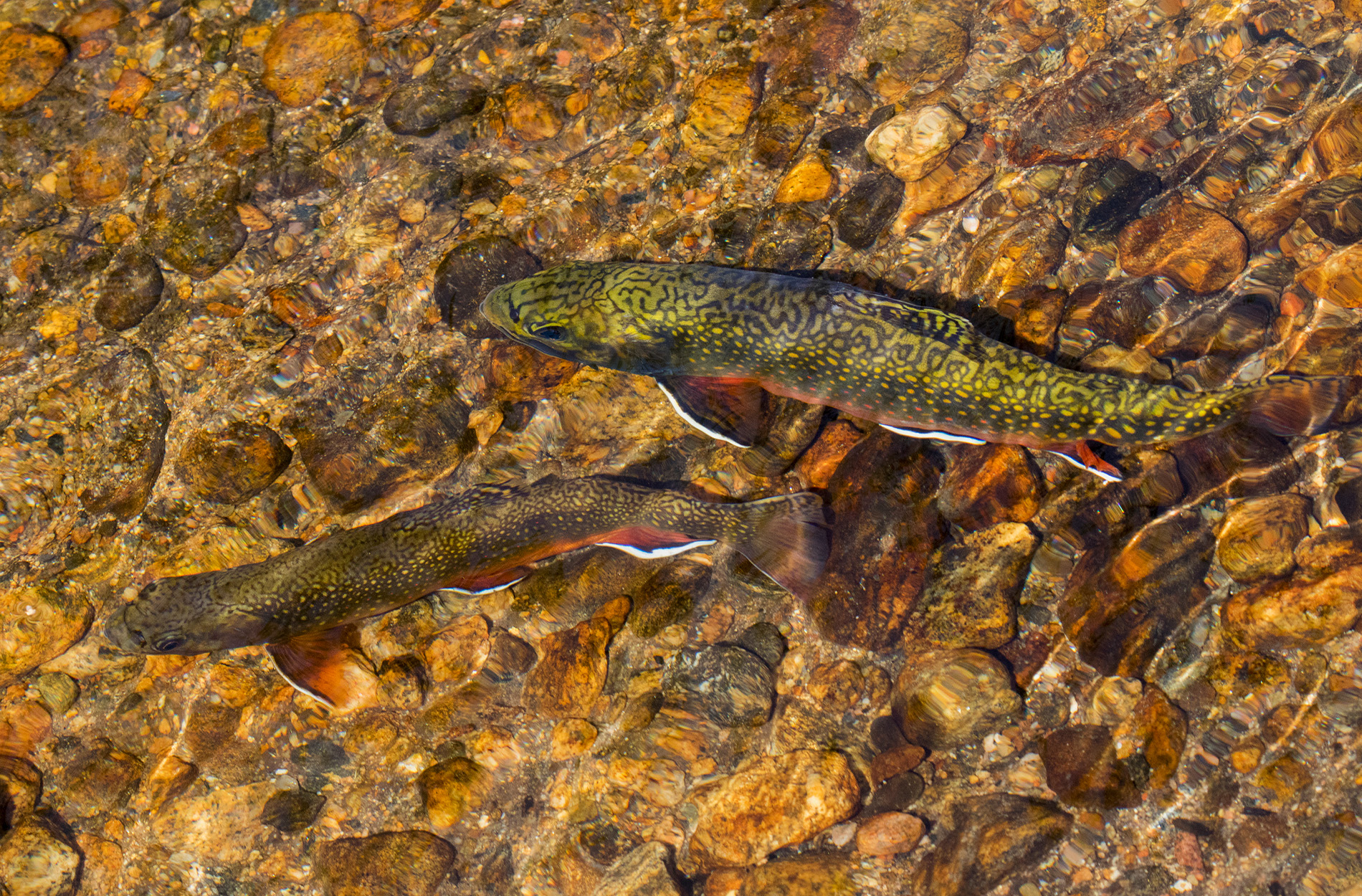
From a water quality perspective, I look at what we’ve lost in Pennsylvania, but trout love cool, highly oxygenated waters. It’s gotta be clean. And so if you lose these systems, the water temperature heats up, you’re losing that natural filter, because a lot of that water stays cool because of the base flow throughout the year. And what effect does that have on a trout population as water temps heat up in the summertime? There’s none of that cool water that’s coming in, so you’re really gonna affect the health of that trout population as well.
So when I’m looking at it from an angler’s perspective, I just look at, again, continued threats to something that I love when we’ve invested so much to bring it back. And this is very much rooted in my upbringing in western Pennsylvania, but I grew up around neon orange creeks that were absolutely destroyed by acid mine drainage, right? Like, 50 percent of the creeks I would drive to on the way to school, you couldn’t touch, you couldn’t walk in — just dead. We’ve invested a ton of money and have brought them back from the brink. In areas you couldn’t touch before, you can fish now. There’s thriving brook trout populations. We’ve proven we can do the thing.
And so knowing what we’ve come back from, to see the potential to backslide is troublesome, and also, I just think it flies in the face of what we can achieve and what we’re poised to do. We should be taking the next evolution. So from where I’m sitting in Pennsylvania, I look at it as, again, just another… Thermal impacts to trout are a major issue, especially with big, flashy storm events in the summertime that just carry sediment and pollutants, and then just that thermal impact is huge.
Natalie: OK. So instead of stepping forward and doubling down on the progress that we’ve made, right now we’re in this moment where we’re looking to step way backwards, in addition to the ground we’ve already lost with the Sackett ruling. So for folks listening who are fired up about this, what’s the best way for them to participate in the public comment period? What is most effective?
Adam: So right now, till Oct. 9, we can hop on regulations.gov and you can look up the waters of the U.S. definition, and you can leave your comment there. And for me, I wanted to tell my story: What does this mean for me, my family’s history on the landscape? And the call to action is, do not further roll back protections on these waters, and so reject the proposed rule from the EPA and the Army Corps of Engineers. There’ll be a nice box you can click on that says “Comment,” and just talk about your local landscape, talk about your favorite hunting and fishing spot, and talk about how this affects your life, your existence, your family’s enjoyment, and let the folks know.
Natalie: Yeah, absolutely. I just wanna emphasize something you said, Adam, which is telling your own story is really important. What we’ve learned from all of these public comment periods with the federal government is that the most effective comments are ones that are unique. You can use forms — often, if that’s all you have time for, submitting a form comment is better than not, and lots of conservation organizations have those, which are great — but it is most effective if you can personalize your comment, right? Say why it matters to you, just like you said, Adam — you do not wanna see more acid mine runoff in your trout streams.
Adam: No.
Natalie: And then also just emphasize the specific action that you oppose. And it doesn’t have to be long. Two sentences, one about yourself and one about the regulations — that’s sufficient. Obviously, the more enthusiastic, the better. But yeah, a unique comment is probably your best bet.
Adam: And I guess the other thing I’d say to this is, get your friends and family involved, whether it’s this or something else. Advocacy is all local. Raise your voices up. This is the opportunity for this public comment, but at the same time, get to know your local regulations in your state, in your county. There’s a ton of power at the local level as well, so I don’t wanna devalue what’s possible there. But have a conversation with people you go out with every year. I grew up in kind of middle-of-nowhere Pennsylvania, and this is a conversation that we’ve been having, that we should’ve been having, at the breakfast table, whatever it may be, because we have to get everybody involved. If we’re gonna be out there enjoying these spaces — my dad instilled, like, don’t do it passively.
If you’re gonna do it, you gotta be a guardian and steward, and that means raising issues like this. And I think what it affords us the chance to do is make it nonpolitical. We gotta take it out of that sphere of either/or, and it’s like, this just has to be the way it’s done from now on. We have to expect these things, and I think we have a chance to change that conversation.
Natalie: Is there anything else that I haven’t asked you about that you think is important or you’d like to add?
Adam: Yeah. I would love folks to think about how they came to these activities, the importance of hunting and fishing to their families, to their friends. I came to this work because my grandfather, my dad, my uncles, my cousins — we’d all go out the first day of trout fishing, and we would pass these streams killed by acid mine drainage. But the community that’s built around this is incredible, and I wanna make sure it’s there for future generations, not just my kids. In general, we just have to do our part to safeguard, and we can’t always assume that it’s gonna be there because, as we’ve talked about with the adoption of the Clean Water Act, we didn’t always have it, and we’re on our way back, and we should continue to do that. And I think changing the conversation to, we need to have this as an expectation moving forward that we will protect these areas, and changing that dynamic — I think it’ll bode well for future work.
So I would just say, remember why you love getting out there and what it takes to support those activities.
Natalie: Well, thank you so much for your time and breaking this down for us. Again, that link to the public comment period is in the episode description. Go comment if you’re listening to this. And Adam, thanks for your time.
Adam: Thanks!