
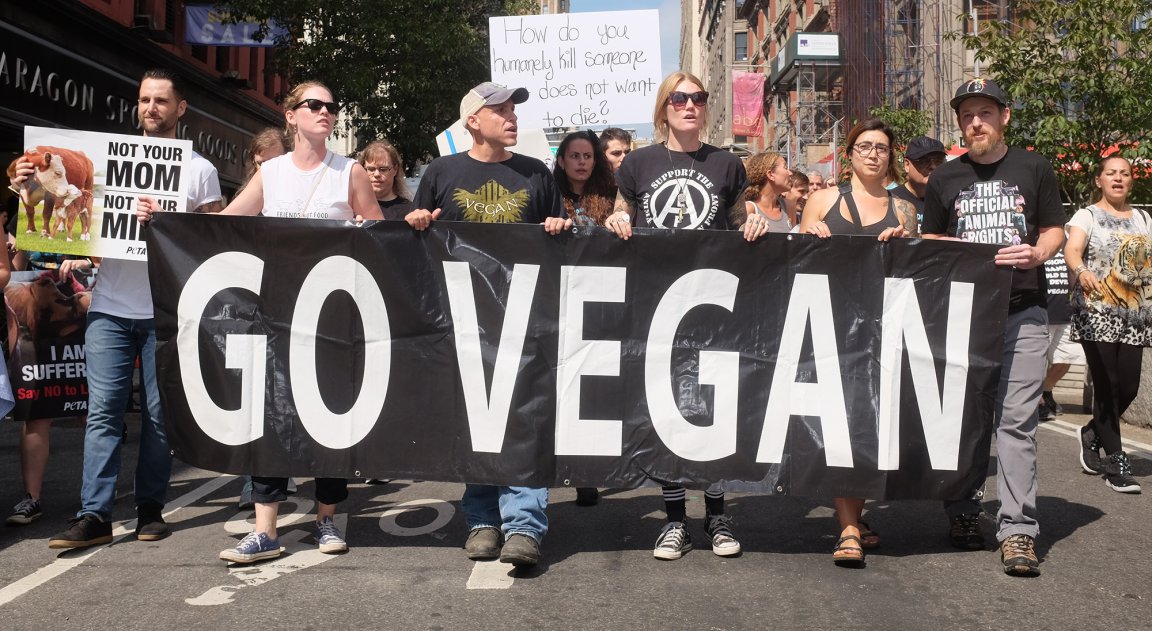
Animal-rights activists in Oregon are gathering signatures in hopes of putting a radical ballot initiative in front of voters this fall that would criminalize hunting, fishing, ranching, pest control, and much more. The sweeping measure is a rerun of a similar measure that failed to make it onto the ballot in both 2022 and 2024, though this third iteration has gathered the most signatures yet.
Initiative Petition 28, also known as IP28 or the People for the Elimination of Animal Cruelty Exemptions (PEACE) Act, seeks to reform existing animal abuse laws by throwing out “exceptions” that cover everything from catch-and-release fishing to medical trials on lab mice. Limited carve-outs would still allow for veterinary medicine (including euthenasia) and self-defense.
“Initiative Petition 28 is the ultimate goal of the animal-rights agenda. It wouldn’t just destroy hunting and fishing, it would destroy any and all uses and interactions with animals, wild or domestic,” says Brian Lynn, vice president of the Sportsmen’s Alliance. “In no way, shape, or form does it make any logical sense on any level to anyone with half a brain.”
The full text of Initiative 28 covers nearly every industry that involves animals. One line item, for instance, would reclassify animal husbandry practices as “sexual assault of an animal.” That would cripple everyone from bird dog breeders to livestock producers. Other provisions would outlaw rodeos, make it illegal to trap or kill pests like mice (regardless of health code standards), and prevent medical research on animals such as lab rats.
“It would create a ‘no-kill’ sanctuary state, forcing Oregonians into a vegan diet or or to have their meat and dairy products shipped in from other states,” reads one graphic by Oregon Hunters Association, which has called the initiative ‘an attack on the self-reliant lifestyle’ that would affect ‘every Oregonian’ in some way. “That would ultimately make “us more reliant on the national food network for our food resources.”
The economic impact to the state if such a measure were to ultimately pass is, as of yet, unquantified. It’s too early to tell if the initiative has enough support to make it in front of votes this fall. Paid and unpaid canvassers have been gathering signatures since 2024 and have already collected nearly 82 percent of the necessary signatures by July. If activists continue to secure signatures at their current rate (about 5,450 names per month, on average) they will exceed the required 117,173 signatures by deadline.
It’s likely, however, that some of those signatures will not meet verification standards and ultimately disqualify the initiative. While policy experts are skeptical voters would ever approve such a measure even if it did get enough valid signatures, conservation groups are taking the threat seriously.
“We are approaching this as if [IP28] will make the ballot,” says Amy Patrick, the policy representative for Oregon Hunters Association, which has been tracking this issue for years with allies in the conservation and agricultural communities. “We have two coalitions [of those groups] built already to stand up ‘[Vote] No’ campaigns … anytime you’re going to fight something that is on the ballot, it’s going to be a costly endeavor. We’ve been prepped for this for a few years.”
The main activist behind IP28 doesn’t even believe voters will support the measure. Instead, he hopes to slowly shift public perspectives over time.
“Given the radical nature of the campaign, we’re aware that it is almost certainly not going to pass in 2026,” David Michelson told Current Affairs in September. “Despite that, we believe getting it on the ballot now will make it more likely to pass in a future election cycle, and that it will help us build the organization we’d need to keep getting it on the ballot. Our goal is to be persistent.”
If it does come to a vote, OHA and other conservation groups are hoping Oregon voters turn out to resoundingly shut down the measure and discourage future ballot measures.
“For those who are not in Oregon, I would like them to know this [initiative] is not indicative of the vast majority of Oregonians. Most folks who look at this ballot language think it’s absolutely crazy and they don’t understand how it would ever get traction,” says Patrick. “If you’re inside Oregon, my call to the sportsmen community is to register to vote. We will need every hunter, fisher[man], trapper — everyone in the sportsmen’s community to show in November should this make the ballot, and help us defeat this in a historical way.”
Oregon has a lower threshold for signatures than many other states, according to a 2025 analysis by Oregon Hunters Association. OHA has supported ballot initiative reform that would raise the signature threshold to bring Oregon on par with other states.