
Oregon lawmakers passed new legislation this month that establishes a new revenue stream for fish and wildlife conservation. The law, which goes into effect next year, raises the statewide transient lodging tax (also known as a hospitality tax) by a nominal 1.25 percent and directs this revenue toward programs that will benefit Oregon’s fish and wildlife resources.
Local hunters, anglers, and conservation groups have long supported this idea, and they are now celebrating the landmark legislation. The Theodore Roosevelt Conservation Partnership has estimated that the “1.25 Percent for Wildlife” Act will generate around $38 million a year for fish, wildlife, and habitat conservation across the state.
“We all know that hunters and anglers provide this massive influx [of conservation funding] through Pittman-Robertson and license fees — the more traditional approaches to funding fish and wildlife management,” Todd Adkins, executive director of the Oregon Hunters Association, tells Outdoor Life. “What’s neat about this hospitality tax, in a way, is that there are a lot of visitors to the state of Oregon who are now going to help pay the freight on fish and wildlife management. That’s pretty cool at the end of the day.”
This revenue stream will also flow consistently from year to year, Adkins says, which is something that lawmakers in other states might take note of. He says the Oregon Department of Fish and Wildlife is one of many fish-and-game agencies getting squeezed these days, which is why it’s important for all U.S. states to find new ways to fund their agencies in the long term.
“So we’re very happy about this. It’s an exciting time,” Adkins says. “And we’re looking forward to seeing the fruits of this policy change.”
It wasn’t just hunters and anglers who pushed for the new law, though. The bill was also championed by environmentalists and urbanites, as well as Oregon’s ranchers and rural communities, who all recognized the mutual benefits of supporting conservation.
“With 1.25 Percent for Wildlife, we are investing in our fish and wildlife, in the landscapes and communities that sustain us, in our drinking water, health, and safety,” Oregon Wild’s wildlife program manager Danielle Moser said in a news release. Oregon Wild was one of several environmental NGO’s that formed a broader coalition of support for the new law.
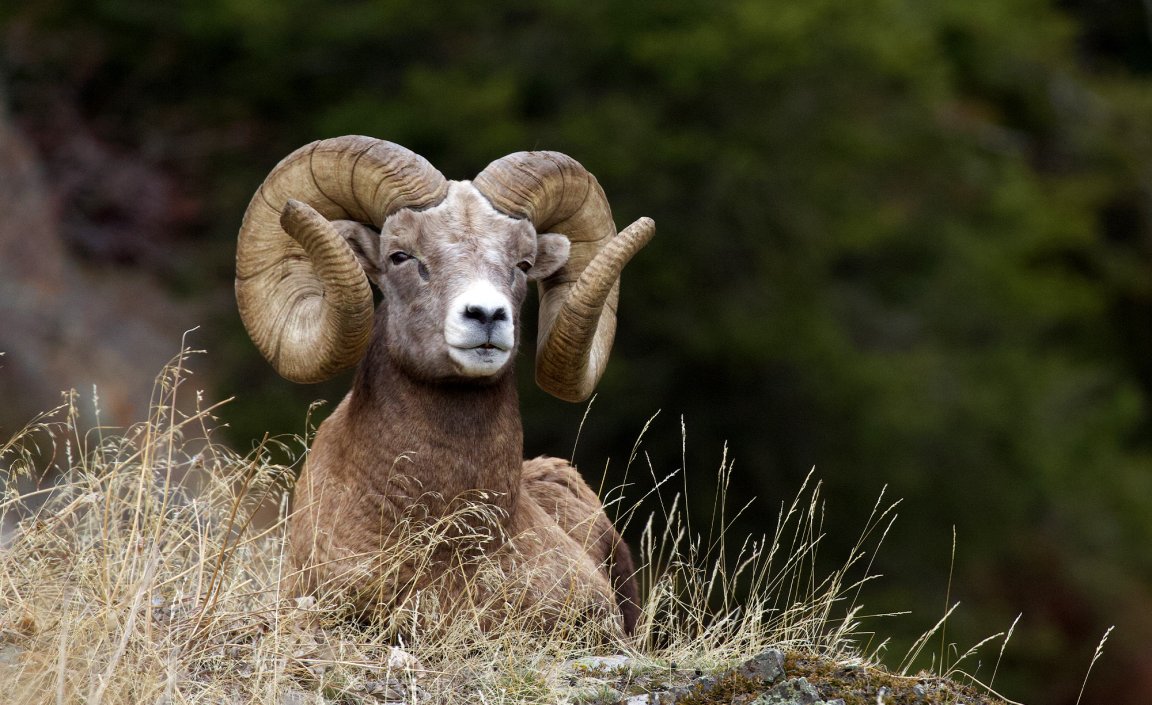
The money generated by the tax hike will help fund the state’s Wildlife Action Plan, which centers around 320 species that ODFW has identified as “Species of Greatest Conservation Need.” This includes everything from bighorn sheep and bull trout to coastal tail frogs, killer whales, and caddisflies. But other game species will benefit as well, according to Adkins.
“As one example, mule deer really need help right now. And this additional 30-plus-million a year will allow [ODFW] to allocate its resources accordingly,” Adkins says.
He also acknowledges a broader concern among the hunting community, which is that new funding sources could deprioritize the important role that outdoorsmen play in this regard.
“We have an extraordinarily strong relationship with ODFW,” Adkins adds. “But we also realize that going forward, we will have to maintain vigilance about how these funds are allocated.”
Read Next: Animal-Rights Activists Are Attempting a Ban So Absurd That It Would Affect ‘Every Oregonian’
The increased tax revenue will also go toward other important efforts, such as increasing wildlife habitat connectivity, funding anti-poaching efforts, and bolstering the state’s wolf compensation program.
This final piece around gray wolf depredations was crucial in getting Republican lawmakers onboard, according to Oregon Public Broadcasting. The final bill passed with bipartisan support after a 20-9 vote in the Senate and a 36-22 vote in the House. It is now awaiting a signature from Gov. Tina Kotek.
The 1.25 percent increase will apply to stays at hotels, vacation rentals, and campgrounds. It will be paid by Oregon residents, as well as travelers from out of state and other countries. And while some businesses and lawmakers fought the idea of hiking taxes on tourists, the increase from 1.5 to 2.75 percent really brings Oregon’s hospitality tax more in line with other states. To compare, Colorado’s maximum allowable hospitality tax rate was just raised from 2 to 6 percent, while Wyoming’s is around 5 percent. On the far end of the spectrum, states like Delaware and Connecticut have tax rates of 8 and 15 percent, respectively.