
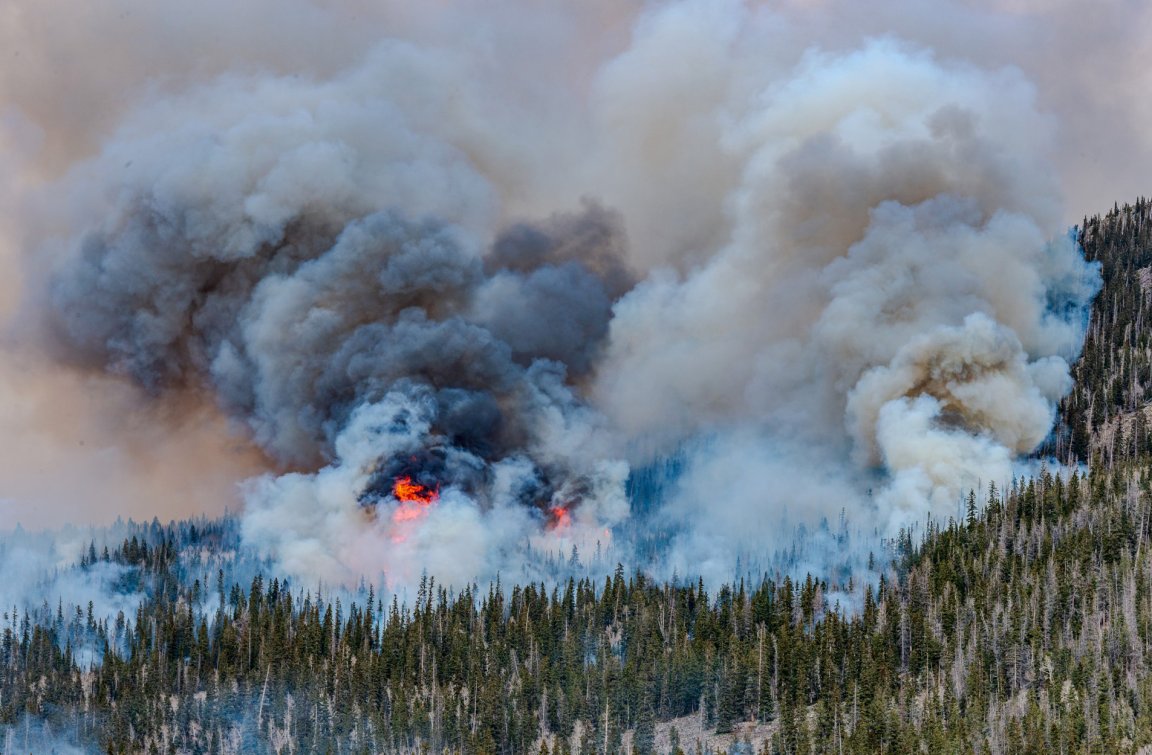
Utah inked an agreement with the U.S. Forest Service last week that gives state officials a bigger say in how its roughly 8 million acres of national forests are managed. The deal is a step toward what U.S. Forest Service chief Tom Schultz called a new “role for the states” in managing public lands, and it’s one of several such agreements involving other states.
“We’re trying to focus on wildfire prevention, forest health, recreation, grazing, watersheds and all those ways we can actively manage and better manage forest lands in Utah,” says Utah state forester Jamie Barnes.
Barnes says the updated agreement expands on an earlier version of a “shared stewardship agreement” that gave Utah a seat at the table when discussing the management of smaller pieces of land overseen by the Forest Service.
Some environmental groups have already decried the agreement as a pretext for giving the state more control, and potentially setting the stage for a state land grab in the future — especially given recent attempts by Utah legislators around public land transfers. Others, like the Theodore Roosevelt Conservation Partnership, say the partnership really does make sense and will likely lead to better management of our federal public lands.
“[These deals] have been shown to increase the capacity and cooperation between both state and federal governments,” says Michael O’Casey, TRCP’s Center for Public Lands director. “And to us that can lead to healthier habitats and reduce wildfire risk and at the same time sustain the public access that we all care about.”
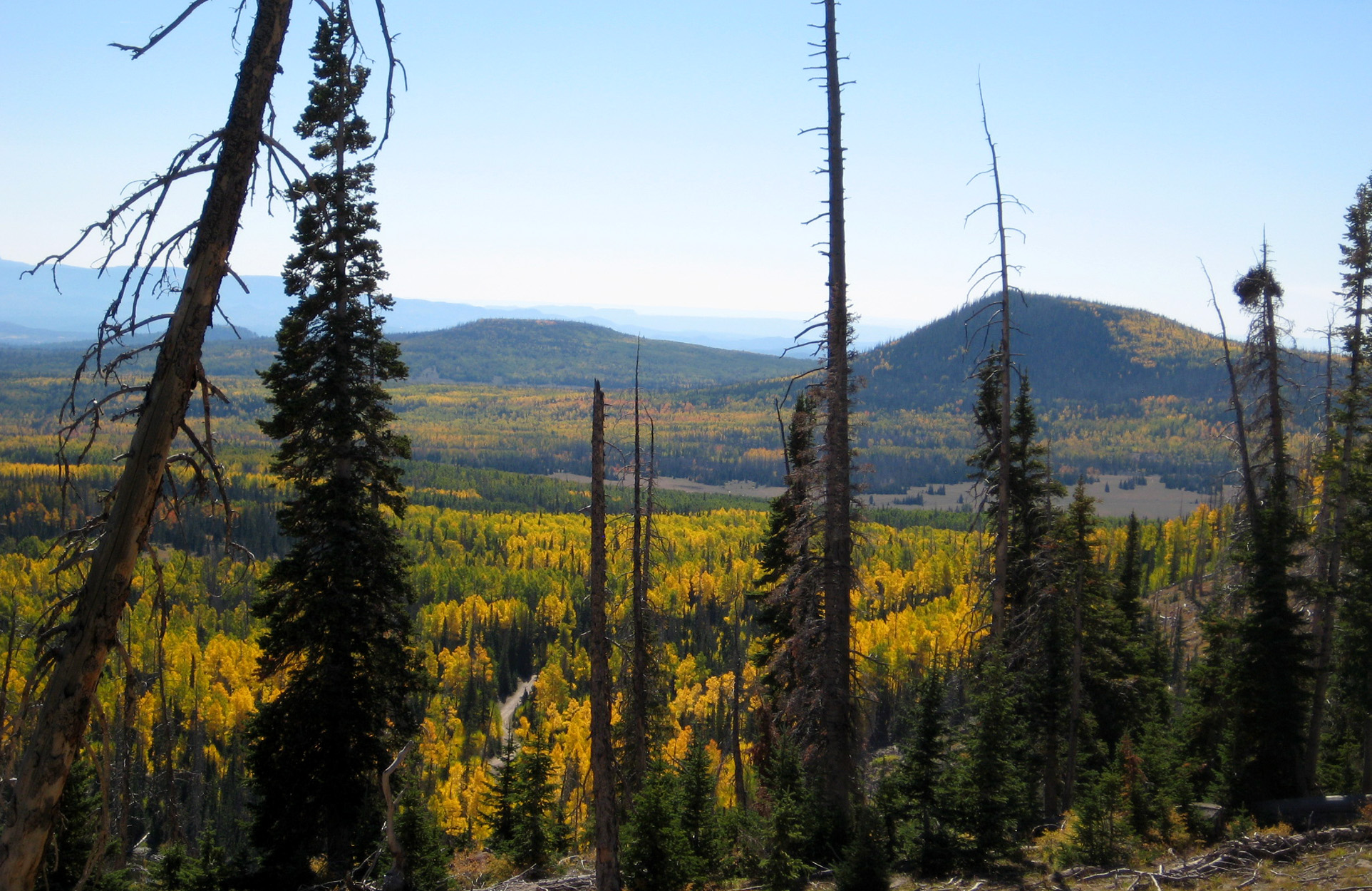
Utah first signed a partnership with the USFS in 2019, and then updated it in 2022. Similar deals have also been inked in about 20 other states since 2018, O’Casey says, including California and Colorado. The purpose of each differs. In California, for example, the agreement required the federal government to match the state’s goal of reducing wildfire risks on 500,000 acres of land.
As part of this ongoing partnership, federal forest managers have worked with the Utah Department of Natural Resources to improve more than 700,000 acres of mule deer habitat over the last five years — including 133,000 acres in 2024 alone, O’Casey says. This includes USFS lands, as well as other federal public lands. Maps and project updates within Utah are available here.
“Not a lot of states have matched that scale of restoration work for wildlife habitat,” he says. “Specifically for mule deer.”
Barnes explains that the 20-year agreement does not include specific plans or projects, but it does give Utah a seat at the table when creating and implementing those plans. She says the current agreement will allow the DNR to be more involved in things like fuel management to prevent wildfires, while also addressing recreation and grazing needs on national forest lands. Any projects on USFS land would still need to be vetted first through required national laws like the National Environmental Policy Act, though the administration just finalized a significant rollback of those regulations.
It’s also one of many such agreements currently being discussed in other states. Schultz said in July that the administration plans to formalize as many as 40 similar contracts with state partners and nonprofits like The Nature Conservancy and the National Wild Turkey Federation, according to E&E News.
A handful of environmental groups are still sounding the alarm, however. They worry that in light of the Trump administration’s push to overturn the Roadless Rule, as well as a recent executive order to expand domestic timber production, these agreements will be leveraged to ramp up logging and other forms of resource extraction on Utah’s national forests.
“The agreement sets the stage for vastly expanded commercial logging as well as state control and management over a host of national forest resources, including minerals, recreation and grazing,” reads a statement from a coalition of groups including the Southern Utah Wilderness Alliance and the Alliance for the Wild Rockies.
The agreement does not give states ownership of public land. And the federal government will still have the final say on forest management projects, Barnes says.
But it could also be a slippery slope on the road to states taking control of federal public lands, says Land Tawney of American Hunters and Anglers. He hopes the agreement does what it says and brings more entities to the table to pool resources and better manage all of our public lands. But he points out that Utah politicians have a long track record of trying to wrest control of public lands away from federal agencies, often with the aim of selling them later.
“Is this a way to say, ‘We’re working so closely with the states anyway, why don’t they take them over?’” Tawney says. “We will need to wait and see.”
O’Casey also stresses that while he thinks the agreement is sound, hunters and anglers still need to pay attention to any projects taking place on federal and state-owned forests.
“Sign up for local forest updates,” O’Casey says. “Sign up to be a constituent of those forests and make sure you’re involved in the scoping to ensure that we get our voice in as these projects move forward in the future.”