
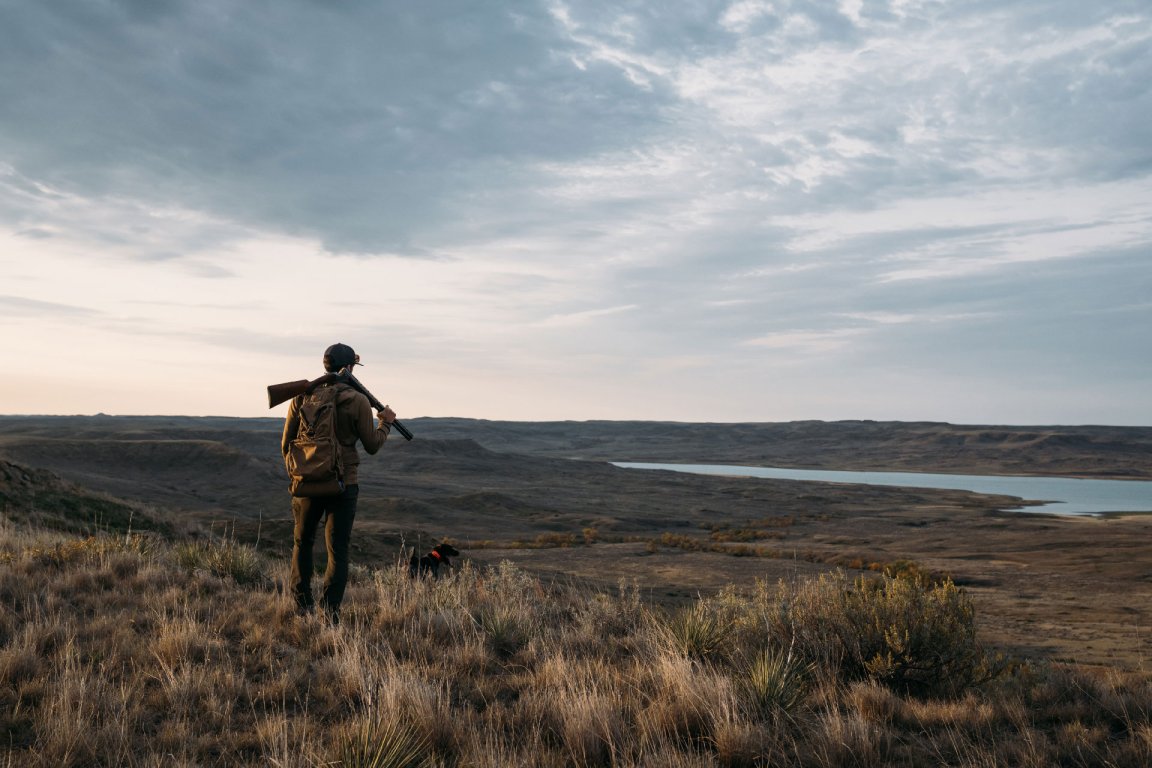
Locals in northeastern Montana noticed the change a decade ago. Upland bird hunting in this remote region of oceanic wheat fields and broken shortgrass prairies had been discovered by the nation’s destination shotgunners.
The change was announced by out-of-state pickups pulling trailers stacked with dog boxes, new faces at the public-access spots, and novel accents in the cafes and motels along the Hi-Line. That’s the local name for U.S. 2, the east-west highway that bisects this remote part of Montana and connects towns every 30 miles or so along its length.
Seasonal interest in northeast Montana’s Missouri River Country has intensified ever since for all the obvious reasons: long and liberal hunting seasons, abundant birds, and generous access. Whether you’re a late-onset uplander, a parent with kids, or a seasoned wingshooter, you too can experience all those gifts of the region, along with a sense of discovery in an area far from Montana’s more montane parts.
Just know that you won’t be alone. There’s still plenty of room here, but in order to get the best of northeast Montana, you need to think like a local and plan like a destination uplander in order to put yourself in the birdiest places at the right time.
WHEN TO HUNT THE HI-LINE
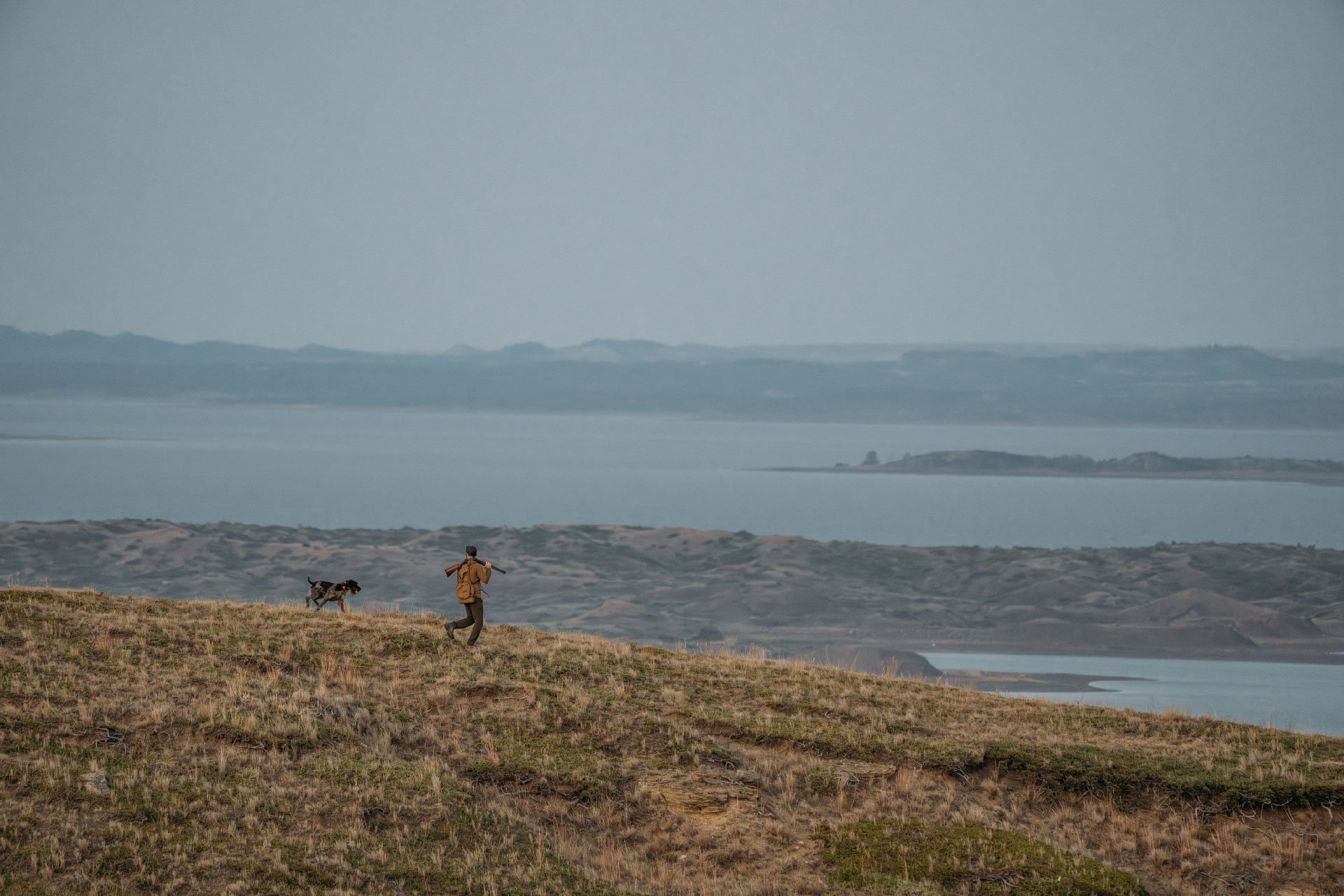
Your first piece of planning will be timing, a calculus that depends on your residency. Montana residents get a 10-day jump on each upland season, starting with the Sept. 1 opener for grouse and Hungarian partridge. Non-residents can’t hunt public land and any private land enrolled in public-hunting programs until Sept. 11. The same tiered opener affects October’s pheasant opener; residents start the second week of October. Nonresidents must wait an additional 10 days to begin hunting pheasants.
Expert Tip: Hunt the last weeks of the season, not the first week. By December, birds have been hunted for months, so they’re plenty jumpy, but they’re also concentrated in the best habitats, which can shorten the pheasant-in-the-haystack search for them. Just prepare for cold, snow, and extremely unpredictable conditions. Even small amounts of moisture can turn the Hi-Line’s backroads into muddy bogs thanks to the region’s notorious “gumbo,” which is a type of clay that becomes greasy with the addition of precipitation of any kind. If rain or wet snow is in the forecast, stay near blacktop roads.
THE ACCESS ILLUSION
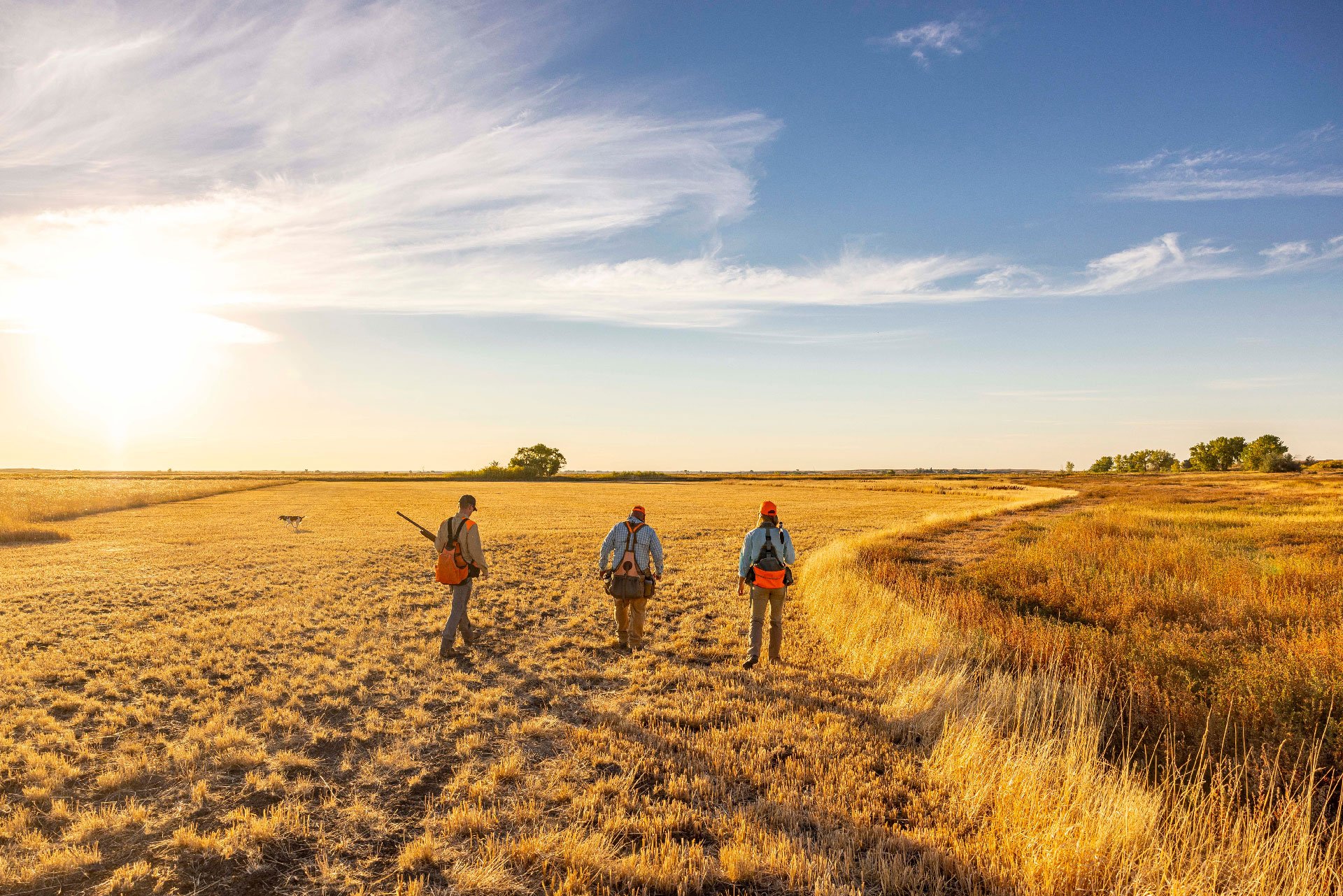
After timing, your second task is to find places to hunt. Both on the surface and on the ground, that’s not a problem. The northeastern quarter of Montana has nearly 10 million acres of publicly accessible hunting ground. Over 5 million acres of this is federal land overseen by the Bureau of Land Management. Add the 2.1-million-acre Charles M. Russell National Wildlife Refuge, which stretches along the Missouri River and sprawling Fort Peck Reservoir, plus another 1.9 million acres of state land, and there’s plenty of room to roam. The federal properties can be good destinations for sage grouse hunters, but aren’t especially rich in upland birds.
Most destination upland hunters are drawn by the 1.2 million acres of private land enrolled in Fish, Wildlife & Parks (FWP) Region 6 Block Management access program. This popular program uses a portion of hunting license fees to pay landowners (450 in the 2026 season) to allow hunting access. Because private land in this wheat- and hay-growing region tends to have more abundant water and forage, these private parcels can often host more numbers and variety of upland birds than adjacent public lands.
FWP publishes and distributes an annual access guide in early August. This is essential reading for destination hunters who use the atlas to map their September and October trips. The guide not only identifies landowners enrolled in Block Management, but also pinpoints sign-in boxes where hunters register for daily access. It’s a frictionless system that enables many thousands of days of hunting every year.
The program is so popular, and attracts so many non-resident bird hunters, that locals finally threw a flag. The 2025 state legislature passed a bill that gives resident upland hunters a 10-day head start before non-resident hunters arrive on the Hi-Line.
But no matter when they hunt, many of these Block Management hunting days are birdless. That’s because not every parcel of accessible hunting land is equivalent. Some Block Management Areas are intensively farmed and, depending on the season, might hold few birds (though these areas can be quite good for other types of hunting, including big game and field hunting for waterfowl). Smart upland hunters focus on prime habitat, not easy access. In some cases, this means hiking a mile or more across Block Management stubble in order to reach a prairie stream with bird-holding snowberries and thickets of chokecherries and wild plum.
Use your digital mapping apps, such as FWP Hunt Planner, to scout the best combination of access and habitat.
Expert Tip: Concentrate on Upland Game Bird Enhancement Program parcels. Montana FWP manages this habitat and access program that’s singularly focused on upland birds and hunters. This UGBEP has its own access guide for public hunters, which shows the specific location and rules for hunting farmland that’s been optimized for grouse, partridge, and pheasant. The majority of the state’s UGBEP properties are in Missouri River Country.
HUNT THE COVER
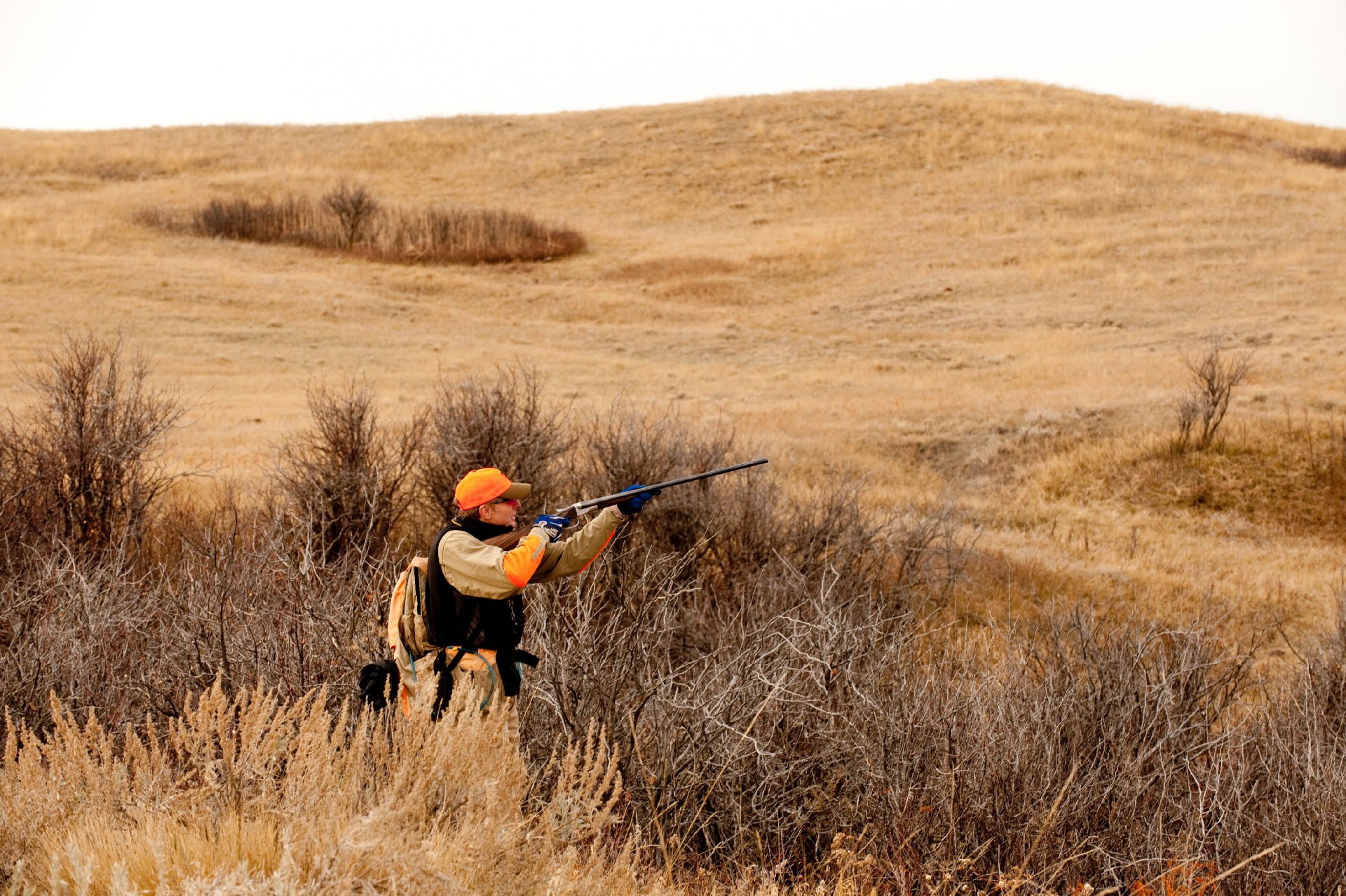
The best upland hunts are at the confluence of frictionless access and bird-filled habitat. Once you solve the access puzzle, learn to recognize prime habitat. It changes over the course of the upland season, varying by geography and species. But there are a few constants that should guide your search.
Upland birds gravitate to edges. Maybe it’s the border between food and cover. An example is wheat stubble bordered by tall, rank grass. Or maybe it’s the place where a hayed alfalfa field meets a grassy irrigation ditch. Or the woody cover of a chokecherry thicket and the bend in a prairie stream.
Later in Montana’s upland season, an additional type of habitat will become more utilized by birds: thermal cover. These are cattail sloughs, leafless thickets of wild plum and snowberries, and even cottonwood groves where pheasants and grouse find refuge from the wind and heavy snow.
Expert Tip: Early in dry Septembers, hunt the shade. The upland opener in northeast Montana routinely flirts with 100 degrees. That’s hard on dogs and human hunters, but the scorching and dry conditions send birds to shade in the middle of the day. Hunt around groves of native berries and taller green grass near water sources.
SPECIES-SPECIFIC ADVICE
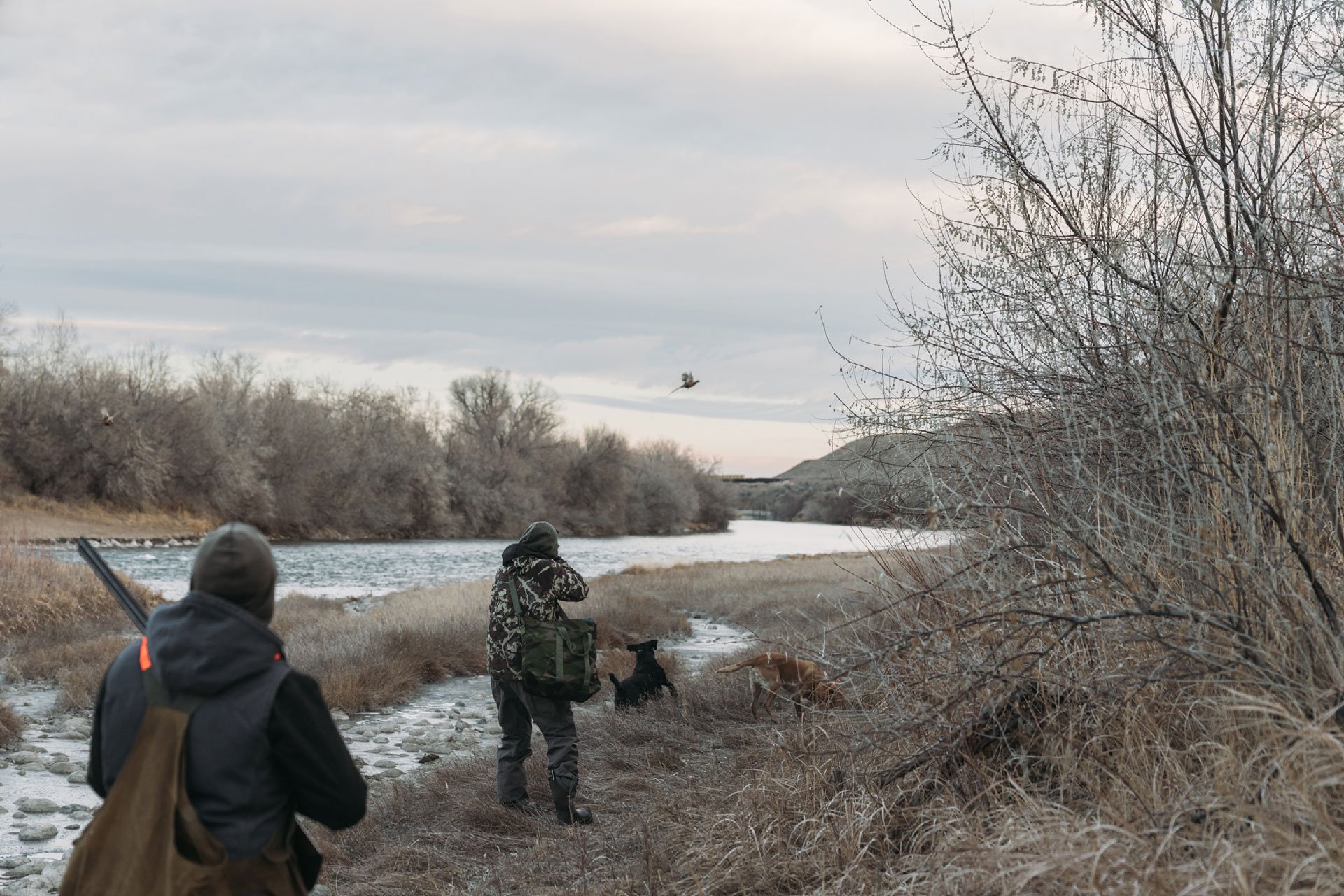
It’s common for upland hunters to clump rather than split when it comes to planning a Montana bird hunt. The reality is that each of the upland species distributed across Montana has specific habitat requirements, and hunting them successfully requires you to think about the vegetation and terrain that attracts and holds them in the fall months.
We don’t have enough time here to detail all the nuances of each species, but here’s a thumbnail to get you started.
- Sage Grouse—The largest and least abundant of northeast Montana’s upland birds, sage grouse need sagebrush. Period. Find expansive spreads of mature sagebrush, and you’re likely to find “bombers,” as sage grouse are sometimes called for their size and lumbering flight. Hunters are required to hold a free permit during the short sage grouse season while abiding by stricter limits than other species.
- Sharp-tailed Grouse—Sharpies are more generalists than sage grouse and will be found in more diverse habitats. But in the late season, especially after deep snow covers grain and grass seeds, hunt Russian olive thickets for sharpies that feed on the berries.
- Gray Partridge—Also called Hungarian partridge, or simply “Huns,” these smaller birds share habitat preferences with sharpies. But a rock pile on the edge of a wheat field that’s near native grass will routinely produce a covey of quick-flushing Huns.
- Ring-necked Pheasants—The best pheasant cover is in the region’s stream and river valleys, along irrigation ditches, in cattail sloughs, and in edge cover near agricultural fields.
ASK THE REAL EXPERTS: THE LOCALS
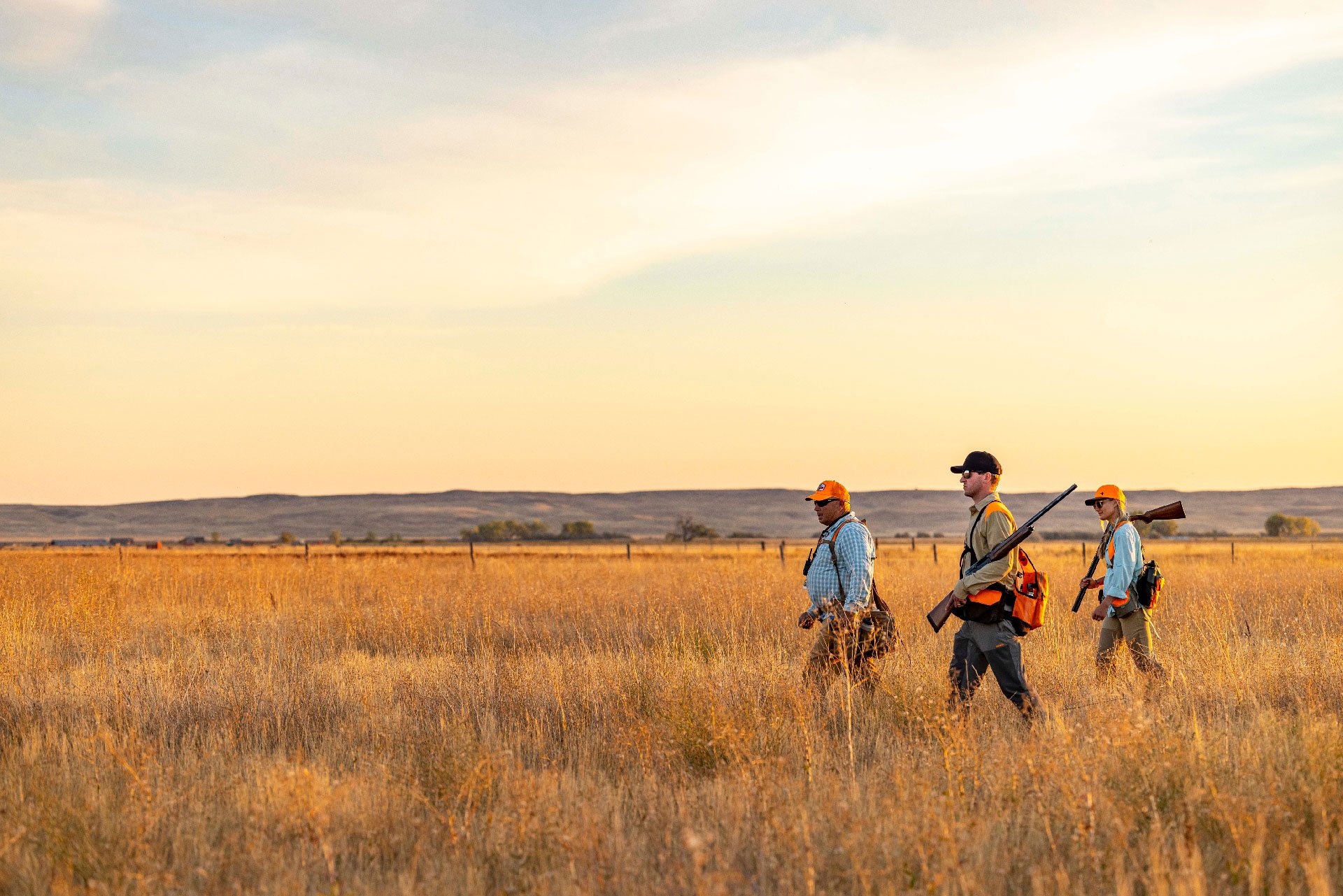
This guide should get you started planning your first—or next—upland hunt in Missouri River Country. But once you get here, put all your book learning aside and visit with a resident of the region. You can find them in Eugene’s Pizza in Glasgow, inside Ezzie’s Westside gas station in Malta, at the Old Town Grill in Wolf Point, or pulling on a pint at the Pleasant Prairie Brewery Taproom in Scobey. These Hi-Line institutions are frequented by farmers, ranchers, fellow hunters, and folks who have grown up under the big sky of eastern Montana. They know firsthand how the spring bird hatch fared and whether a killer hailstorm affected localized populations of pheasants.
Ask a few questions to establish yourself as a visitor in search of a memorable hunt in their homeland, then listen. What you hear will be much more useful than the necessarily broad intel communicated in upland bird forecasts and in overviews such as this.
Then do your part. Get out and learn the land. Even a poor upland hunt in northeast Montana will put some birds in your bag, expose you to some glorious country, and start your planning for a return trip.