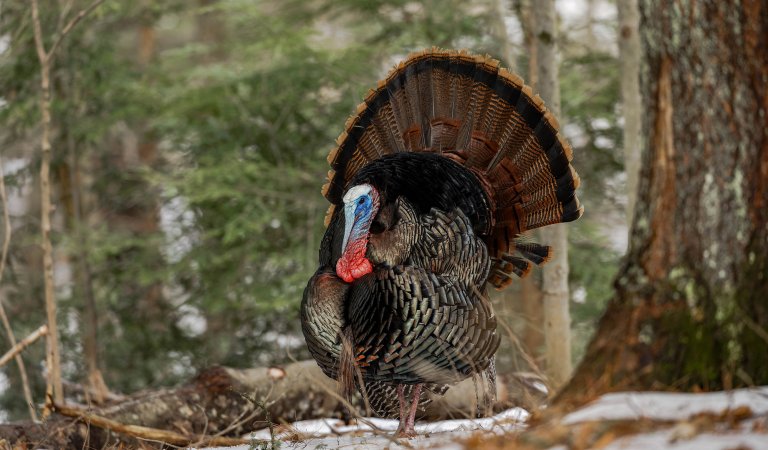
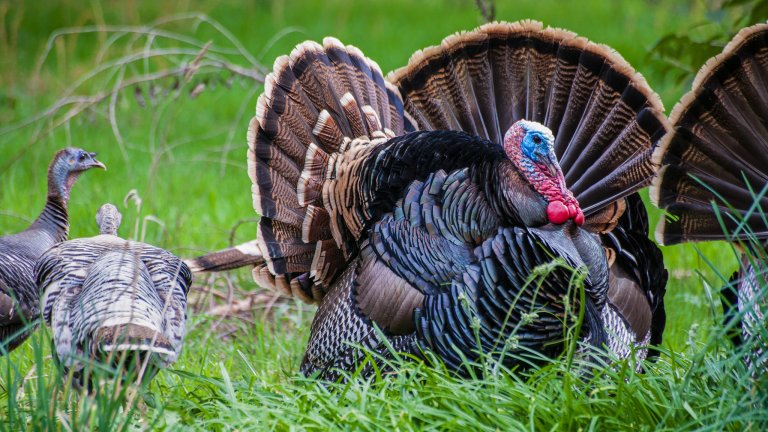
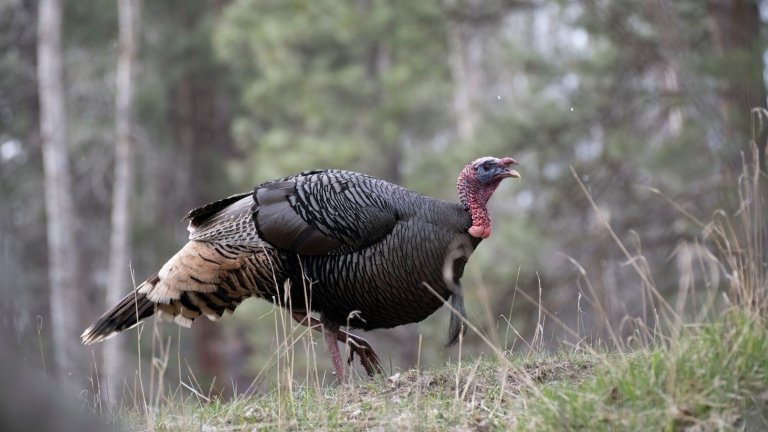
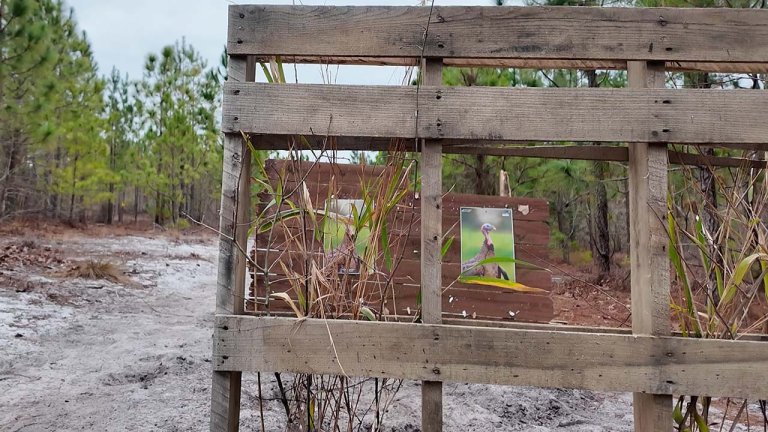
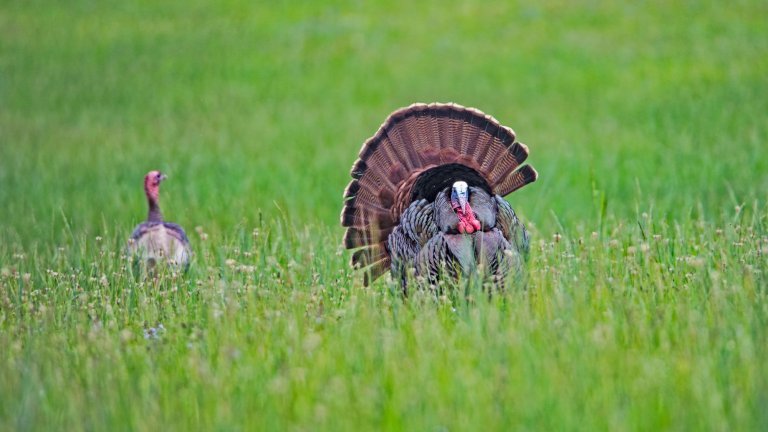
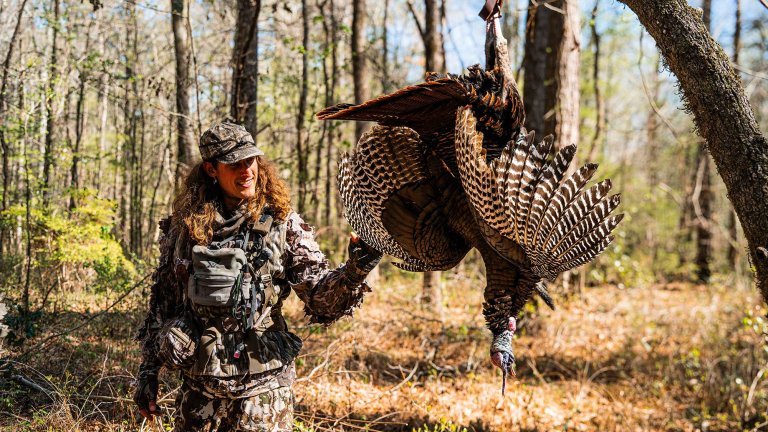
Early in the spring season, when turkey flocks are still in winter formation, your one or two decoys may not be enough to attract a gobbler. So create a flock.
OL reviews eight of the top electronic collar systems from four leading manufacturers. Find out which one is right for your gun dog.
Show Us Your BirdGet your gobbler yet? Check out some of our favorite reader photos. |
![]() | Benelli's Vinci on GobblersOsceola Hunt. Location: Frasier Family Farms, Polk County, Florida. |
![]() | Ospreys: Ultimate Fish KillerAward-winning photographer Miguel Lasa captures ospreys in action. |
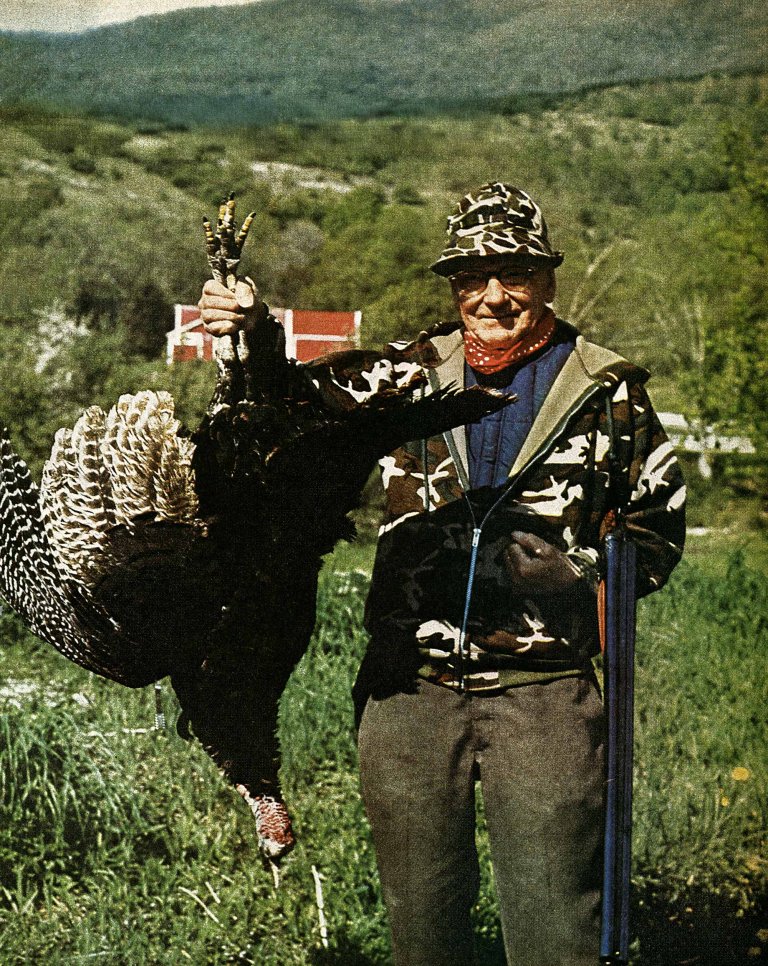
![]() | A Legend's First BirdLegendary turkey hunter Ray Eye recounts the tale of his first turkey ever. |
![]() | Feather DustersPhotographer Jeff Coats captures the hits and misses of hunters. Look closely and you... |
![]() | Spring Turkey GuideYour guide to turkey guns, loads and chokes for spring 2010 |


The popularity of shed hunting has grown greatly over the last several years, and many trainers are developing programs to teach dogs to search out and find antlers. Three years ago, Tom Dokken started developing products to use in training, and then a hunt-test-like program to inject some fun and competition into the scene.
This year, on April 13 and 14, the third NASHDA World Shed Championship took place in Northfield, Minn. The North American Shed Hunting Dog Association runs qualifying events just like a retriever or pointing dog hunt test, with pass/fail standards. “The whole idea is for events to be fun, for people to run their dogs and create good camaraderie,” said Dokken. “Most people are more than happy to share training tips and offer encouragement. In qualifying events, you’re not competing against anyone; you just have to find six antlers in 15 minutes.” [ Read Full Post ]
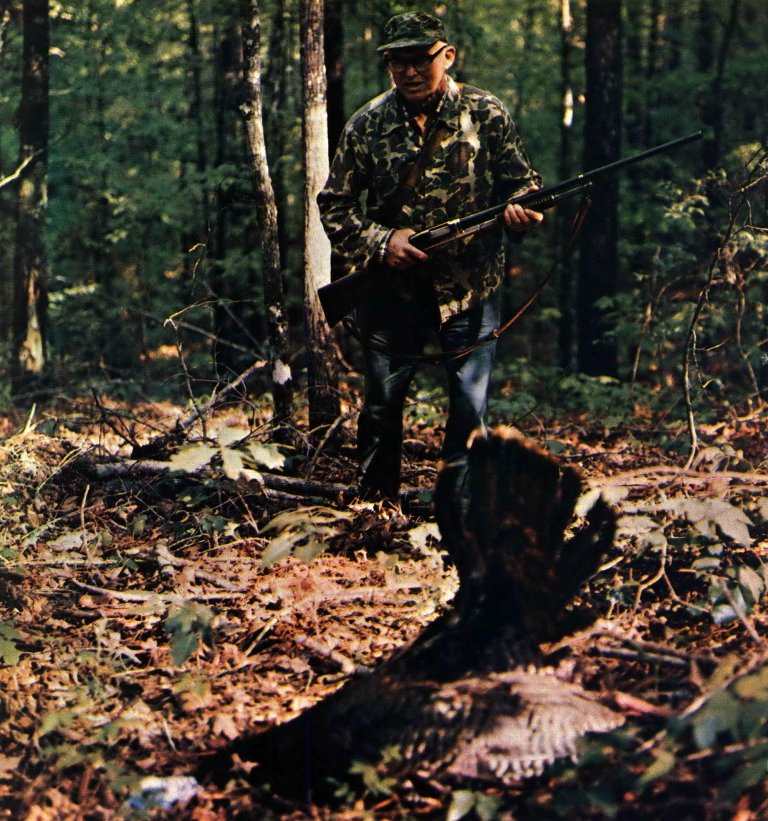
I don’t know if animals have souls, but I do think they have extra-sensory receptors that alert them to the presence of invisible danger.
That’s why I take special satisfaction for sneaking into killing range of a wild animal. Not only have I fooled their acute senses of smell, sight, and hearing, but I’ve also evaded their highly evolved prey-animal sense that a predator is in the neighborhood.
Fear of trigging that “spidey sense” is why I never look directly at the animal I’m stalking. I’m convinced that critters, just like humans, have an innate awareness of and discomfort with someone staring at them. Just like us, they get alert and edgy under uninvited scrutiny. So when I’m stalking an animal, I’ll study it from a distance, but as I close in for the kill I avoid looking at it, or making even fleeting eye contact.
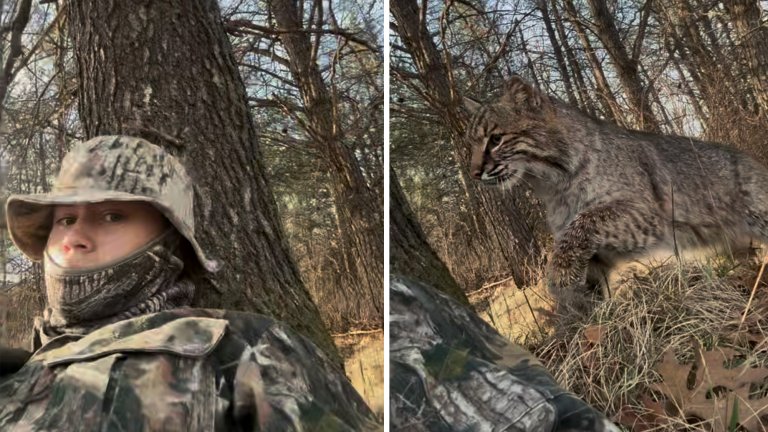
That may explain when, a couple of years ago, I stalked my most surprising quarry. [ Read Full Post ]
After being ignored and insulted by henned-up gobblers for two straight days, my fortunes were bound to change—but I was running out of time. It was 11:30 and we had to quit hunting at noon. I guess that’s why I love spring turkey hunting, though. The agony of defeat can turn into the thrill of victory at the yelp of a box call.
Indeed, I yelped and cutt on my boat paddle as turkey time frittered away. Two birds jumped on it and the pair were within shotgun range in 5 minutes. The strutter brought up the rear and I dumped him at 40 yards. His sub-dominant running buddy, sensing a drastic change in the pecking order, stepped back at the shotgun report before gobbling in the face of his fallen foe. He gobbled again at the flopping in the leaves and once more when I yelped at him while standing up in plain sight.
[ Read Full Post ]
I spent last week calling in vain to north Texas Rio Grande toms. Rios are supposed to be dumb, Texas is supposed to be full of turkeys and the hunt (a media event deal with guides and a cushy lodge) was supposed to be a two-bird slam dunk. Wrong.
Longbeards were tough to come by and the ones we could locate rarely responded to calls. By ambushing fly-down areas and strut zones, all of us got lucky and were still able to kill a turkey (though another hunter and I took birds with scrawny beards) but it wasn't easy. Waiting for hours to hear even a distant gobble did give me some time to think about all the road blocks in turkey hunting. Usually it's not one factor that keeps you from getting your bird, but a series of unfortunate events. Here's what hamstrung us in Texas. Tell us about your biggest turkey hunting headaches in the comments section below. [ Read Full Post ]

A dog that suddenly stops carrying out a command could be confused. Or he could be subtly undermining your authority. Here’s how to tell the difference
A rowdy canine, like an obnoxious child, rarely displays its resistance to your authority suddenly. Instead, it’s usually a slow degradation of standards, brought on by the failure of the owner to pay attention to subtle cues and hold his dog accountable.
Yawning, scratching, shaking, sniffing, licking, or rolling over are just a few of the displacement behaviors your dog might use to delay performing a command. It’s likely he will have at least two or three favorites. [ Read Full Post ]

There’s not a turkey hunter among us who isn’t stirred by a ground-shaking gobble from a close-range longbeard. In fact, the most exciting part of a turkey hunt is fooling a bird into range with a call. But sometimes calling just doesn’t work. Hens will often hear yelping from a rival bird and walk their tom in the opposite direction. Cold fronts can shut down gobbling overnight. High winds can drown out even your loudest locator calls. Here are some situations when you want to keep the call in your vest pocket and hunt your gobbler in silence. [ Read Full Post ]
Officials in both New York and Maine have issued alerts asking spring turkey hunters to help them identify birds that may be suffering from Lymphoproliferative Disease Virus (LPDV). The virus, which causes Elephant Man-like lesions on a turkey’s head and legs, has already been found in the Maine population while biologists in New York are seeking further information to determine whether the disease has impacted their flock. [ Read Full Post ]