
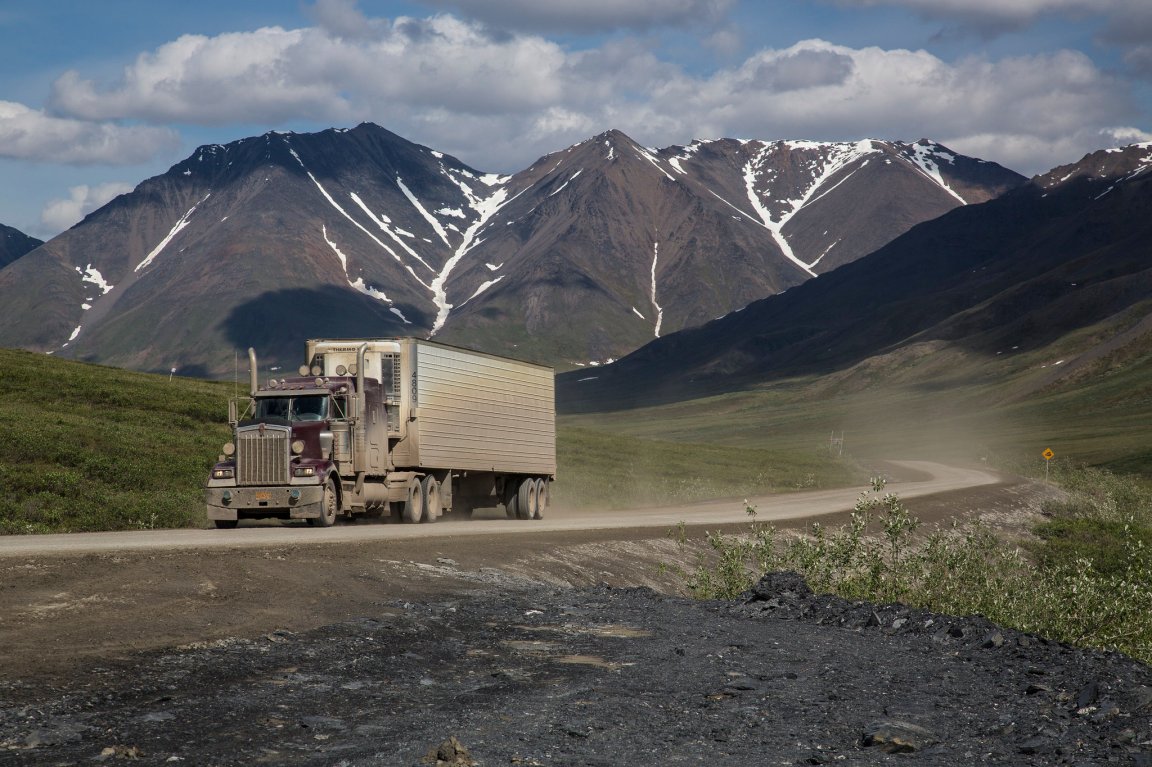
The state of Alaska may soon decide to close more than 400 square miles to hunting and trapping in anticipation of a controversial mining road. The decision would be part of a push by the Alaska Industrial Development and Export Authority to build a road creating private access to a future mining district focused on copper and zinc deposits.
While the Ambler Road itself has faced continuous opposition from hunting and conservation groups for its potential to fragment one of the largest remaining caribou herds, among other fish and habitat issues, the recent development is creating even more consternation.
“It’s unprecedented,” says Mary Glaves, Alaska program manager for Backcountry Hunters and Anglers. “We’re supposed to allow for balanced use of all of our resources. This would show preference to one resource over another.”
The proposal, which the Alaska Board of Game will consider during an online meeting Friday, would close 1 mile on either side of the 211-mile proposed road in northern Alaska to all hunting and trapping. It first became public in February and is part of a memorandum of understanding between several Alaskan native corporations and the state. The proposed closure is part of a “subsistence safeguard,” according to a story in the Alaska Beacon. Subsistence hunters could still cross through the road corridor to access other legal hunting grounds.
The hunting and trapping ban would begin July 1, 2029, and remain in place through at least Jan. 1, 2036, regardless of when or even if the road is built, Glaves says.
The Board of Game considered formalizing the MOU in a July meeting, and opposition was fierce, says Glaves. Still, many Alaskan organizations could not prepare comment because the meeting was in the middle of fishing season. As a result, the board tabled the discussion until its formal meeting in January.
A few months later, the Alaska Fish and Game commissioner announced another special meeting Nov. 20 to discuss the project, allowing only written public comment and no oral testimony.
“That isn’t illegal,” Glaves says, “but it’s not in the best interest of engaging the public.”
Even more importantly, if the closure passes, it tells Alaskans that state public land can be shut down to access at the request of an anticipated industry and with no stated biological need.
The road has not been built, and there’s some question about whether or not Jonathan Kreiss-Tomkins, the Democratic governor-elect, will support the project. He has not stated a position publicly but has said he will carefully evaluate money spent by the state. The Industrial Development and Export Authority, an economic development arm of the state, would be responsible for building the road. The Alaska Wilderness League, which opposes the project, estimates it could cost the state more than $2 billion including construction, maintenance, and financing.
The preemptive nature of the closure is particularly troubling to conservation groups.
Read Next: The Ambler Road Project Would Jeopardize One of the Last Great Wilderness Hunts in America
“There is no compelling reason to establish these restrictions years before the project is constructed or in the absence of demonstrated need,” she wrote on Nov. 4. “Doing so would also set a troubling precedent of using the Board’s time and public resources to evaluate hypothetical impacts of projects that may never materialize, rather than addressing actual wildlife management and public access concerns as they arise.”