

Hunters and anglers in the Deep South were given reason to celebrate last summer, when a conservation group purchased a large chunk of land near the Okefenokee Swamp that was the site of a proposed mine. The purchase put an immediate halt to the mining project — one that local conservationists and outdoorsmen had been fighting for years. Now, the state of Georgia is planning to acquire more than half of that land in order to establish a new wildlife management area there.
The pending 4,000-acre acquisition lies near the southeast corner of the Okefenokee Swamp, which is the largest remaining blackwater swamp in North America. The purchase was just recently approved by the state legislature, according to the Atlanta Journal-Constitution, and it is being funded in part by a $7 million grant from the Georgia Outdoor Stewardship Program.
Related: A Mining Proposal in the Okefenokee Threatens America’s Largest Remaining Blackwater Swamp
Just like the other WMAs located across Georgia, the land will be managed as high-quality wildlife habitat by the state’s Department of Natural Resources. It will also provide public access for hunting, fishing, and other outdoor recreation.
“Like any other land acquisition opportunity considered by the DNR, this property is significant because of its high conservation value,” the DNR deputy commissioner Trevor Santos told the AJC last week.
Santos said the new WMA hasn’t been officially named yet, but that it should open to the public sometime in 2027. He didn’t specify how much of the WMA will be open to hunting and fishing, and his office did not respond immediately to a request for comment from Outdoor Life.
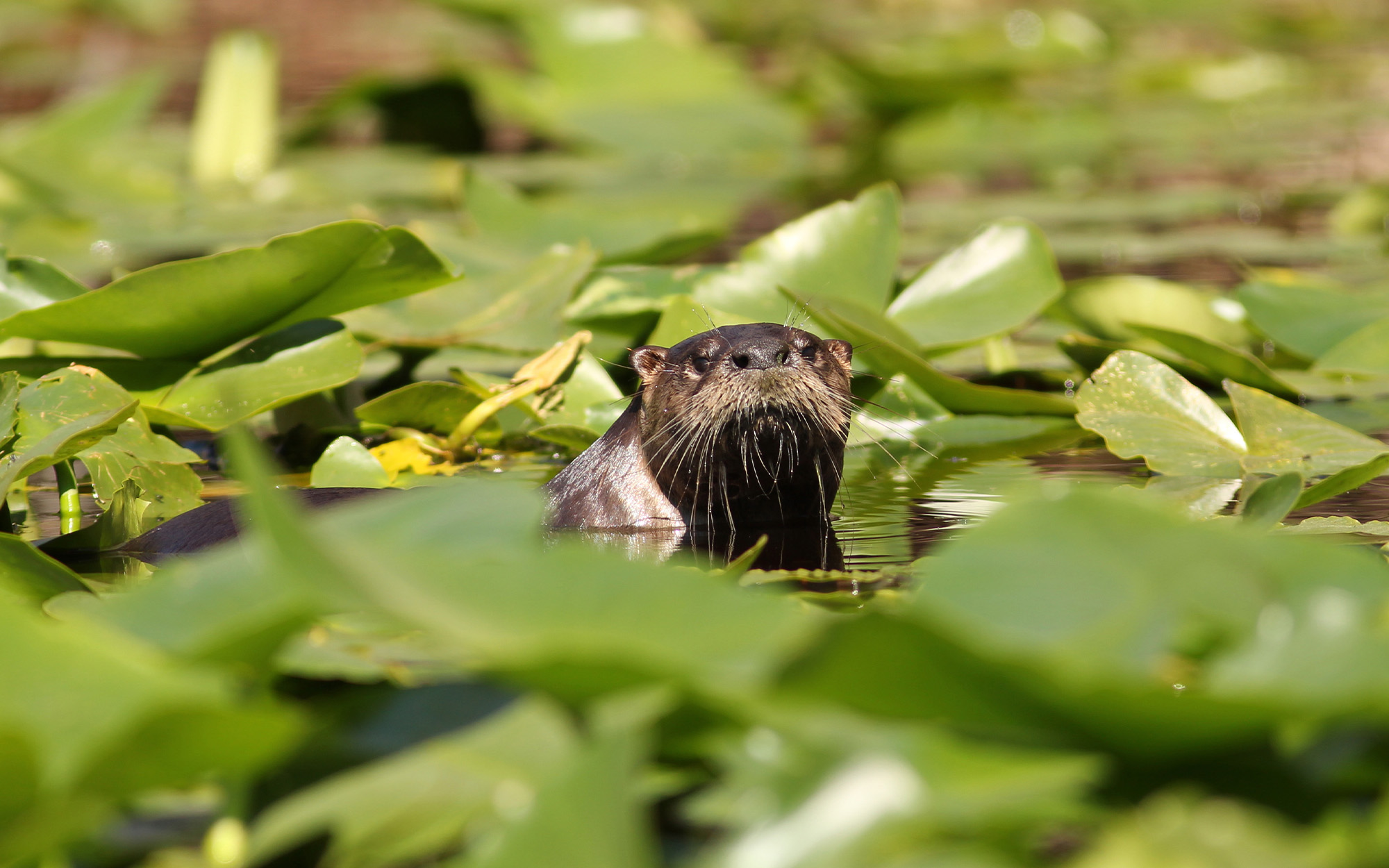
Part of the reason for the property’s high conservation value is its proximity to the Okefenokee National Wildlife Refuge. This federally managed refuge is a 438,000-acre haven for fish and wildlife, along with paddlers and fishermen. It’s been compared to other iconic wilderness areas like the Boundary Waters, and it was nominated as an UNESCO World Heritage Site in 2024.
“Go ahead and put Georgia’s Okefenokee Swamp on the same shortlist with Alaska’s Bristol Bay, Minnesota’s Boundary Waters, and Nevada’s Ruby Mountains,” reads an explainer piece by the Theodore Roosevelt Conservation Partnership. “[These are] areas that provide unmatched fish and wildlife habitat and recreation opportunities that spur the local economy but have been at risk from development interests.”
The newly acquired land is located on Trail Ridge, which forms the eastern boundary of the Okefenokee Swamp, as well as the headwaters of two major rivers: the Suwanee and the St. Mary’s. Conservation groups like TRCP had long campaigned against the Twin Pines mine because of the downstream impacts it could have on these watersheds, which feed the Okefenokee Swamp. Similar to the long-simmering debate around the Boundary Waters and the proposed Twin Metals’ mine, opponents have contended that this is simply the wrong place for a mine.
The Twin Pines project had already encountered permitting roadblocks at the state level. Its prospects were further dimmed in January 2025, when the U.S. Fish and Wildlife Service announced plans to expand the Okefenokee NWR, opening the door to a potential buyout of the mining site.
The Conservation Fund seized this opportunity in June, when it reached a deal with Twin Pines Minerals LLC to purchase both the land and the mining rights for 7,765 acres on Trail Ridge. The TCF reportedly paid around $60 million, a large portion of which came from private funders and philanthropic groups who wanted to see the Okefenokee Swamp protected long-term.
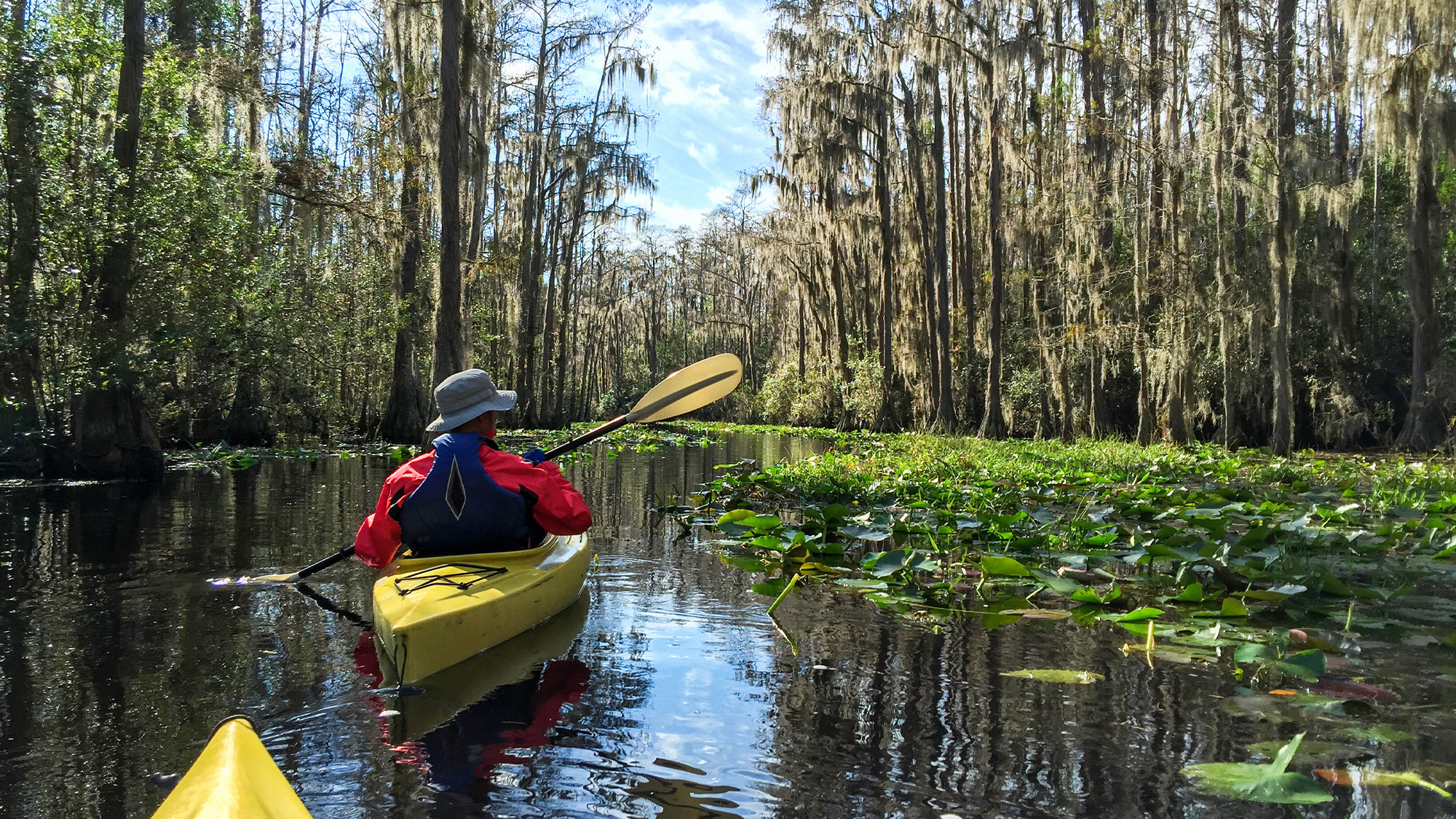
“Georgia’s Okefenokee National Wildlife Refuge is a special place and one of the most important natural treasures in Georgia.” said Stacy Funderburke, vice president of the central Southeast region at TCF, in an announcement last June. “By purchasing this land from Twin Pines, The Conservation Fund will ensure that the Okefenokee National Wildlife Refuge remains wild and unspoiled for all Americans.”
Funderburke also cheered the state’s more recent decision to purchase 4,000 acres from TCF, which will retain ownership of the remaining 3,765 acres.
Read Next: House Votes to Strip Critical Boundary Waters Protections in a Blow to Sportsmen and Public Lands
“In my mind, it gets public access [to the property] on the table sooner,” Funderburke told reporters. “But it also enhances the public recreation benefit for local communities around the swamp.”