
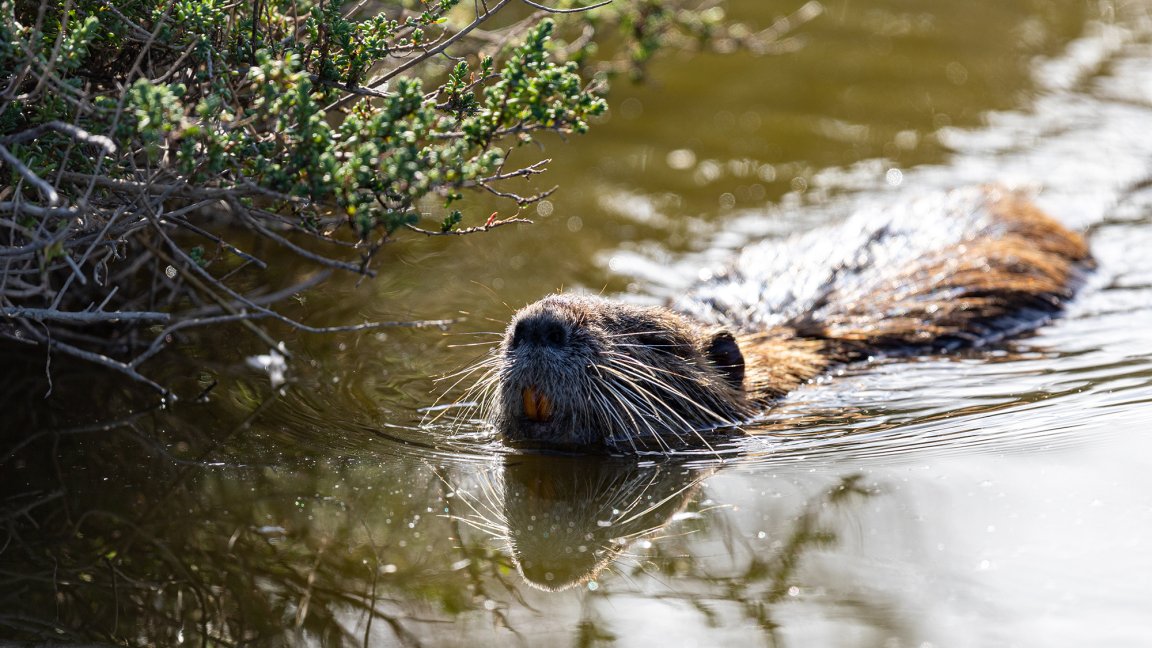
The National Park Service today announced opportunities for qualified volunteer hunters to help the Service manage invasive nutria and feral hogs on its properties in coastal Georgia and Louisiana.
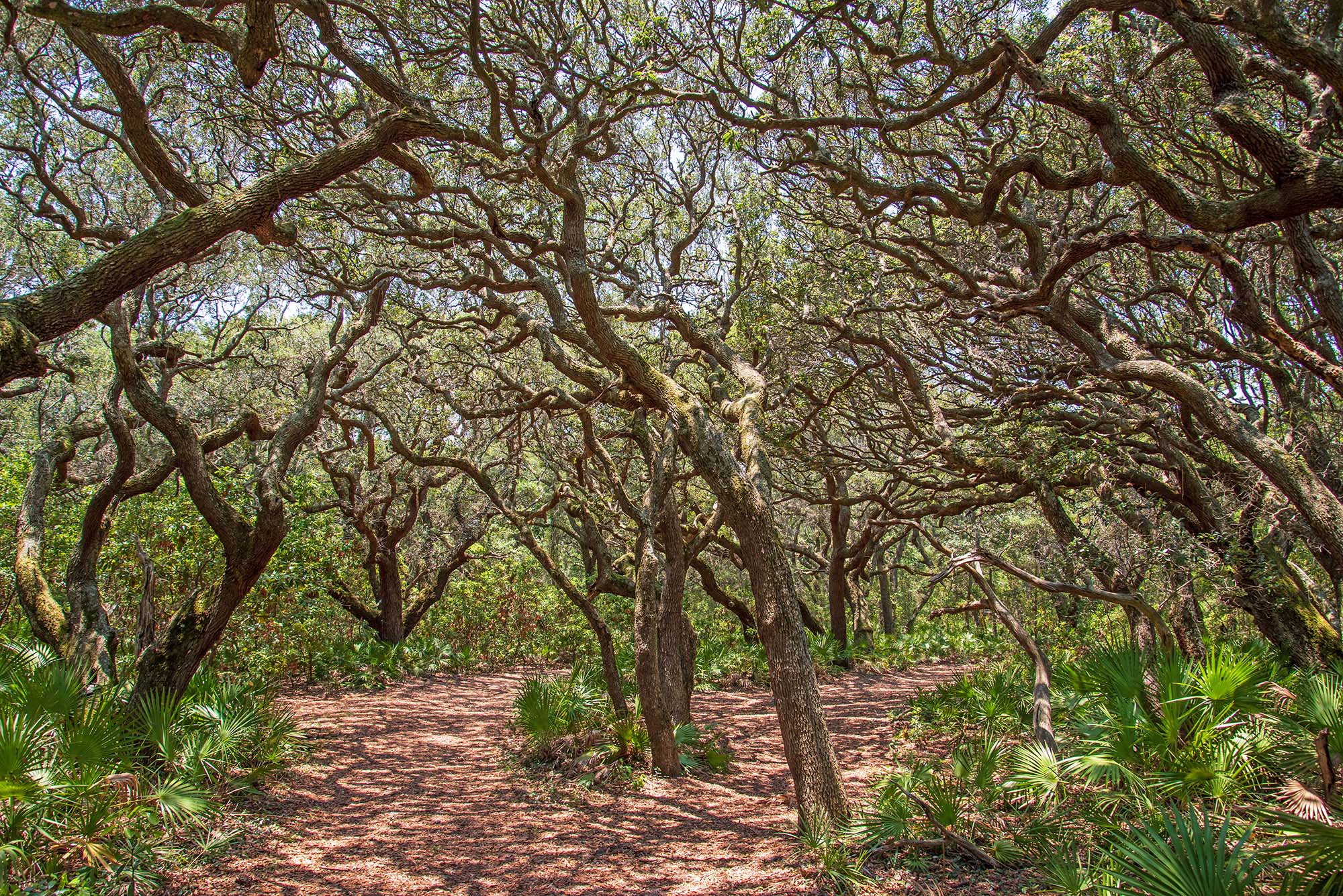
At Jean Lafitte National Historical Park and Preserve just south of New Orleans, volunteer hunters may be activated to control nutria and hogs. At Cumberland Island National Seashore in southeast Georgia, qualified volunteers may be tapped to control invasive hogs. On both Park Service managed properties, the invasive species have degraded ecosystems, accelerated erosion, reduced biodiversity, and competed with native species, according to a press release issued earlier today.
In expanding these opportunities for volunteer hunters, the Park Service is conforming to Secretarial Order 3447, issued by Interior Secretary Doug Burgum in January. That directive gave managers of Interior Department properties 60 days to “identify lands and waters where new or expanded hunting and fishing opportunities may be available.”
Specifically, Burgum’s order directed the National Park Service to “identify and evaluate all NPS units where Congress authorizes hunting or fishing — including national preserves, national recreation areas, national seashores, national lakeshores, wild and scenic rivers” and further to recommend expanding opportunities.
The species-removal plans announced today are likely to be the first of several expanded or new opportunities to hunt or fish on properties managed by the National Park Service, said an official familiar with the policy but not authorized to speak to the media.
The official stressed that future opportunities, as well as the nutria-and-hog removal efforts on both Lafitte and Cumberland Island properties, should not be characterized as “hunting.”
“These are very directed, very managed opportunities to activate qualified volunteers to assist our management actions,” the official said. “They might include controlled hunting, trapping, or targeted removal of animals.”
The NPS news release notes that the secretarial authorization allows the Park Service to use trained volunteers or contractors operating under established safety protocols, training requirements, and park supervision. In other words, these aren’t wide-open hunting opportunities available to everyone. Qualified volunteers are likely to be required to undergo a proficiency exam, pass background checks, and agree to abide by property-specific restrictions before they’re activated.
Restrictions are likely to include a prohibition on possessing the nutria and hogs removed from the properties. The notion that hunters can’t take meat, hides, or skulls from the animals they harvest may discourage some participation, but there’s precedent for that particular restriction. In 2020, the National Park Service activated 43 qualified volunteers to remove invasive mountain goats from Grand Teton National Park in Wyoming. Those volunteers were required to leave the mountain goats they killed in place inside the park. Later, helicopter gunners were employed to remove goats that volunteer hunters didn’t kill.
Since that time, qualified volunteers operating on National Park Service properties are permitted to remove carcasses, the usable parts of which are then donated. That’s a provision of the CAPE (Cape and Antler Preservation Enhancement) Act, which itself was part of the landmark 2023 EXPLORE Act that generally expanded and modernized access on public lands.
A National Park Service employee who asked not to be named noted that America’s hunters shouldn’t expect the service’s premiere properties, including Yellowstone, Yosemite, and Great Smoky Mountains national parks, to be open to hunting. The NPS properties at play are at a management level somewhere below full-on national parks, where hunting is generally prohibited.
Seventy properties managed by the National Park Service are already open to managed hunting. The roster includes the Mojave National Preserve in California and North Manitou Island National Lakeshore in Michigan. Generally, national parks are closed to hunting, but national preserves, recreation areas, and national seashores and lakeshores — all managed by the National Park Service — have varying levels of managed hunting and fishing. On about 30 properties managed by the Park Service, wildlife management is contracted to commercial sharpshooters, to the tune of millions of taxpayer dollars a year.
Today’s Park Service announcement that it will utilize citizen hunters instead of commercial contractors to remove unwanted animals is a fairly major policy shift, said the official not authorized to speak to the press.
“This is hunters performing a public service that the taxpayer would otherwise be paying for,” they said. “I think that’s a big deal. It’s not going to be for everyone, but it may be a model for resource management on public properties that can’t support traditional models of public hunting.”
“Our parks benefit greatly when skilled volunteers step forward,” said the Park Service’s acting Southeast Regional Director Darrell Echols in a news release. “Through these programs, the public can actively help protect native species, wetlands, and cultural resources while learning about responsible wildlife management.”