

Kuiu’s sale to a private equity group seemed like typical outdoor industry news, at least until it was revealed that one person linked to the group has a mixed track record on public-land conservation.
The sale of the popular California-based ultralight hunting brand was largely overlooked by the hunting community when it was announced on Dec. 8 in a series of press releases, including one issued by partial investor Cox Enterprises. Cox is an Atlanta-based conglomerate that includes the cable and internet provider Cox Communications.
But on Wednesday the popular social media account Rack Junkies raised concerns over the sale in a Facebook post and no small controversy ensued. Without listing names, Rack Junkies drew a connection between Cox Enterprises chair emeritus, James C. Kennedy, and his attempts to privatize stream access in Montana a decade ago (more on this in a minute).
“Now that this same billionaire conservation money [sic] owns a major hunting brand, it’s fair to ask the uncomfortable question,” wrote Rack Junkies operator Stephen Ziegler, who also owns DeLong Lures and Killshot Coffee. “Is it really a good idea for a ‘conservationist’ who uses his money to kick people off public land to own a hunting brand as big as KUIU?”
Members of the hunting community weighed in in the comments, with some requesting more details and others swearing off Kuiu forever. To be clear, Cox Outdoors does not own KUIU.
Kuiu has been “acquired by an investor group comprising conservation-driven families and businesses, including Cox Enterprises,” according to a press release. The company’s investment in Kuiu is nested under a new division of Cox Enterprises, known as Cox Outdoors, alongside Loop Tackle. Cox acquired the Scandinavian fishing company last year.
Kennedy is no longer the chairman or CEO of Cox Enterprises, and it’s unclear what his involvement with Kuiu will look like, if any. Kuiu CEO Melissa Woolf declined to name specific investors since the company is privately held.
Kennedy currently chairs the James E. Cox Foundation, which has donated some $325 million to conservation efforts, including $100 million to Ducks Unlimited with an additional $100 million promised.
Kennedy, now in his late 70s, could not be reached for comment for this article. When asked about his past lawsuit over public access on the Ruby River, a Cox spokesperson declined to comment on personal matters of Cox family members.
Revisiting the Ruby River Fight
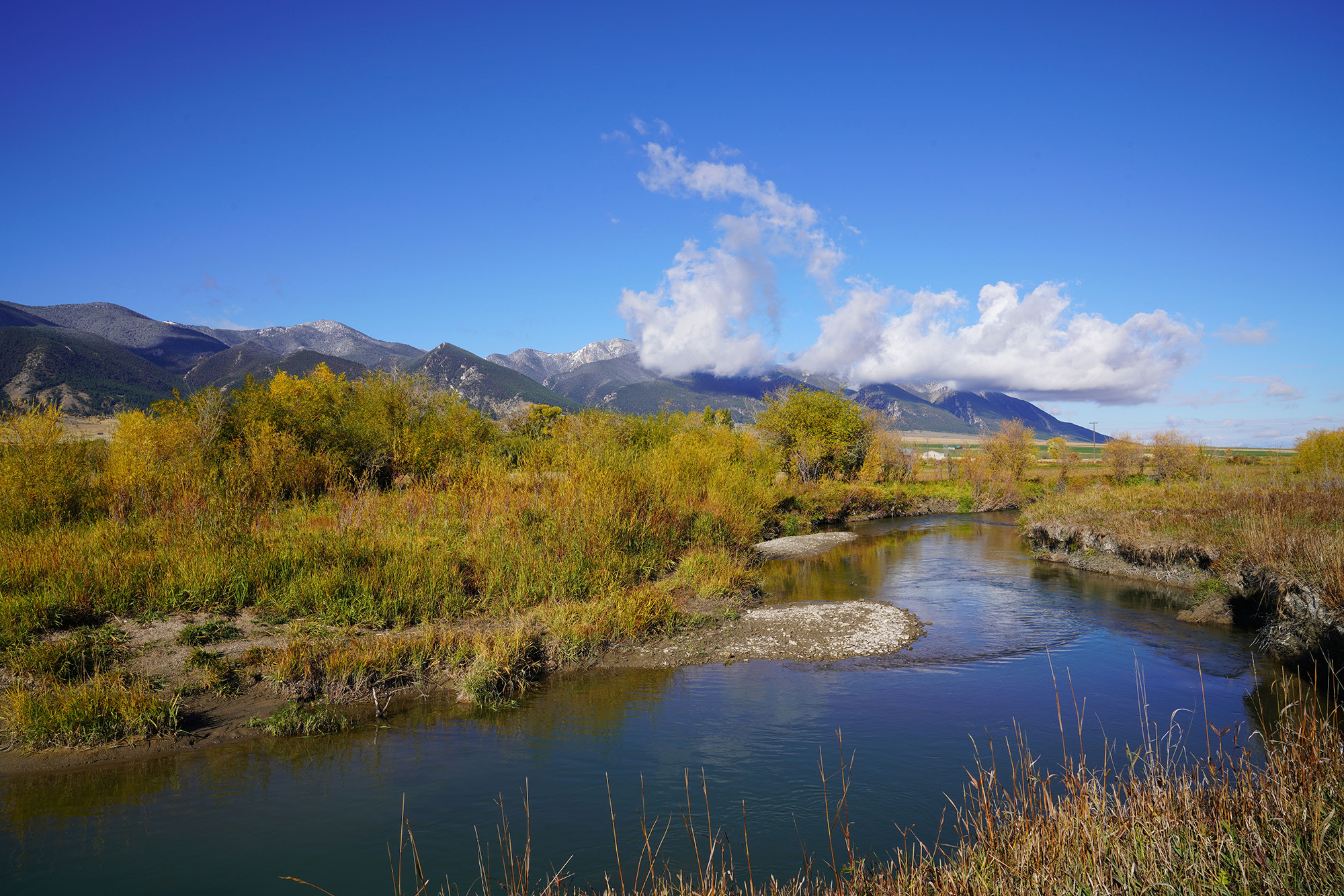
Kennedy, who has a net worth of $9.9 billion, owns roughly 6,700 acres along the Ruby River in Madison County, Montana, onX Hunt and Madison County property records show.
In the early 2000s, Kennedy “began to physically bar access by erecting barbed wire and electric fences across the easement between the bridge and the water” of the Ruby River, according to a 2015 opinion piece in Outside Bozeman by Don Thomas. Thomas is a Montana resident and outdoor writer who contributed to Ducks Unlimited and Outdoor Life.
Ultimately Kennedy joined in as a complainant in a lawsuit that could have barred public access to waterways across Montana if he’d won. Instead, the Montana Supreme Court ultimately ruled against private landowners in 2014 and upheld public waterway access in the state.
When Thomas criticized Kennedy’s efforts to shut out access in his 2015 column, Ducks Unlimited fired Thomas, who told reporters at the time that he suspected Kennedy approached the DU board and insisted on his termination.
The public firing triggered incredible turmoil in the hunting community, with some hunters going so far as to write DU out of their wills, Thomas says. Today, the 77-year-old Lewistown resident still stands by what he wrote in defense of public access. Kennedy’s attempts to shutter access to the Ruby River and overturn public access state-wide were, he says, “so utterly unnecessary it was almost vindictive.”
“Nobody floating the Ruby River was bothering him one bit. [Barring access] was clearly illegal. The courts decided that repeatedly. He didn’t have to do it, he shouldn’t have done it. I’m not going to pretend that he hasn’t done some good for waterfowl habitat [with his donations], but this was really a petty thing and there was no reason for it.”
Thomas currently serves on the board of the Montana Sportsman Alliance, which he says frequently deals with wealthy out-of-staters who move to Montana and attempt to upset the status quo of public anglers and hunters.
“I was angry, and maybe anger wasn’t the best emotion to bring to the table,” Thomas says of his criticism of Kennedy. “But it was certainly well received. I couldn’t buy a beer in Bozeman for a year after that. Compared to what appears in the media all the time today, it was really pretty tame. Ninety percent of that article was just a history of the PLWA and court cases. No one ever challenged the factual material in the article. It was free expression of an opinion.”
Ziegler, the hunter behind Rack Junkies, feels similarly about trying to raise public awareness about any potential connection between Kennedy and the Kuiu acquisition.
“I’ve just noticed that a lot of the people controlling this industry are billionaires and politicians,” Ziegler tells OL. “I hope that James Kennedy comes out and says, ‘You know, this is what happened. This is what I did,’ and makes it all good. I want transparency.”
The Future of Kuiu Under New Ownership
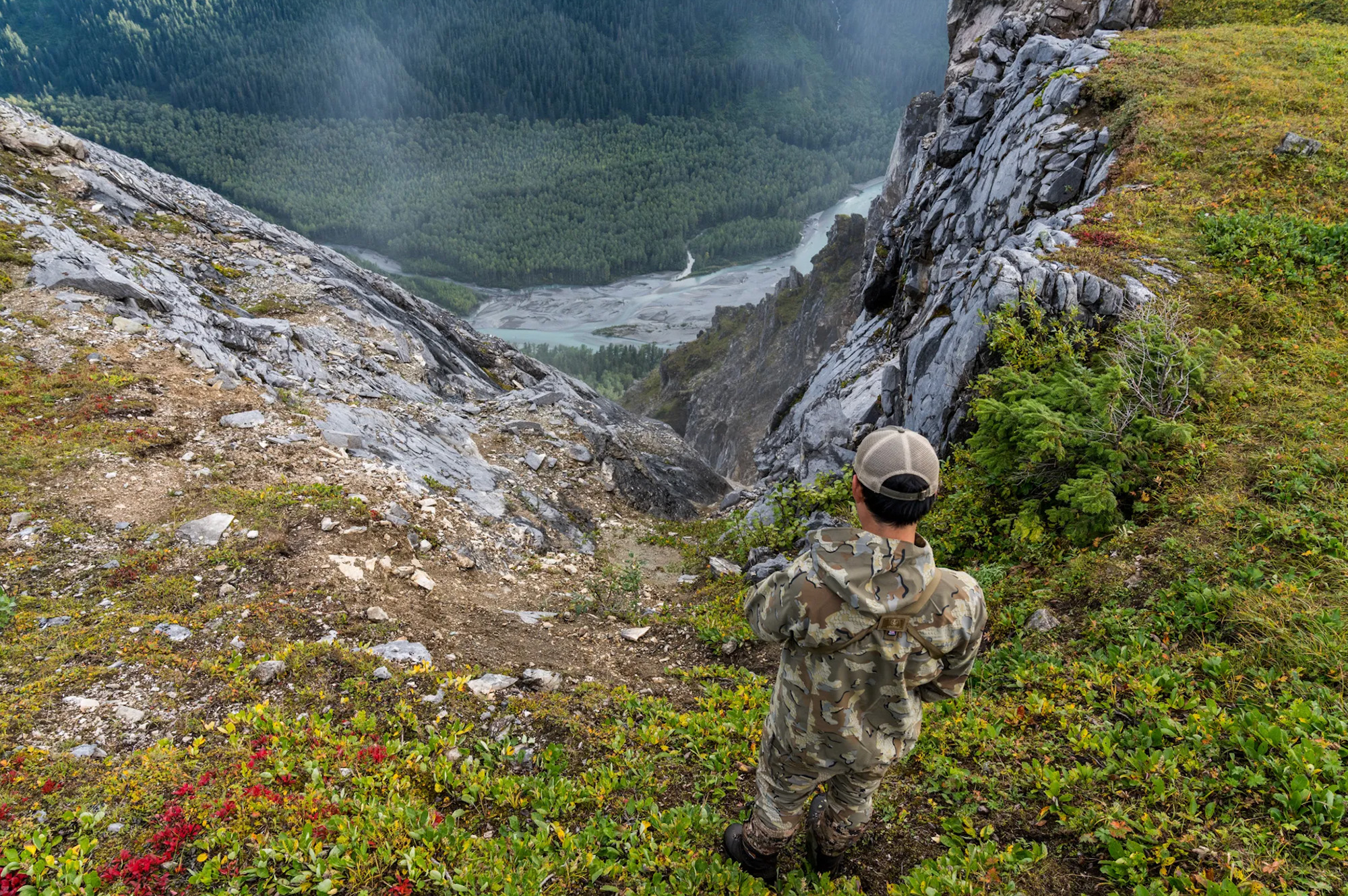
Melissa Woolf has served as Kuiu’s CEO since 2018, and has worked at the company since Jason Hairston founded it 14 years ago (she and Hairston were neighbors). Woolf and her team are remaining in their roles under Kuiu’s new ownership. And although some social media users have criticized Kuiu for “selling out” to private equity, Woolf clarifies that Kuiu has actually received PE investment since 2017.
“Kuiu has always stood for conservation and public-land hunting, and that hasn’t changed,” Woolf says. “The new ownership group shares those same values and are dedicated hunters who support public-land access. Kuiu’s stance on public land will not change.”
Woolf expects Kuiu to remain a direct-to-consumer brand under its new investors, which include the Cox family. The brand also has plans to open more brick-and-mortar stores to build on its five retail locations currently open in California, Texas, and Maryland. Thanks to that investment, Woolf says, Kuiu now has the freedom to focus on “performance over profit” and increase the brand’s conservation initiatives.
“The new ownership really made it clear that they want Kuiu to continue to innovate and make great gear. They’re really passionate sportsmen and outdoorsmen. They obviously like what we’re doing and want to lean into that more with us,” Woolf says. “I feel really good about this group knowing that it’s not just what you [might] think about with private equity — these are outdoor enthusiasts who already loved Kuiu and who were already end-users of our product.”
Dac Collins contributed reporting.