
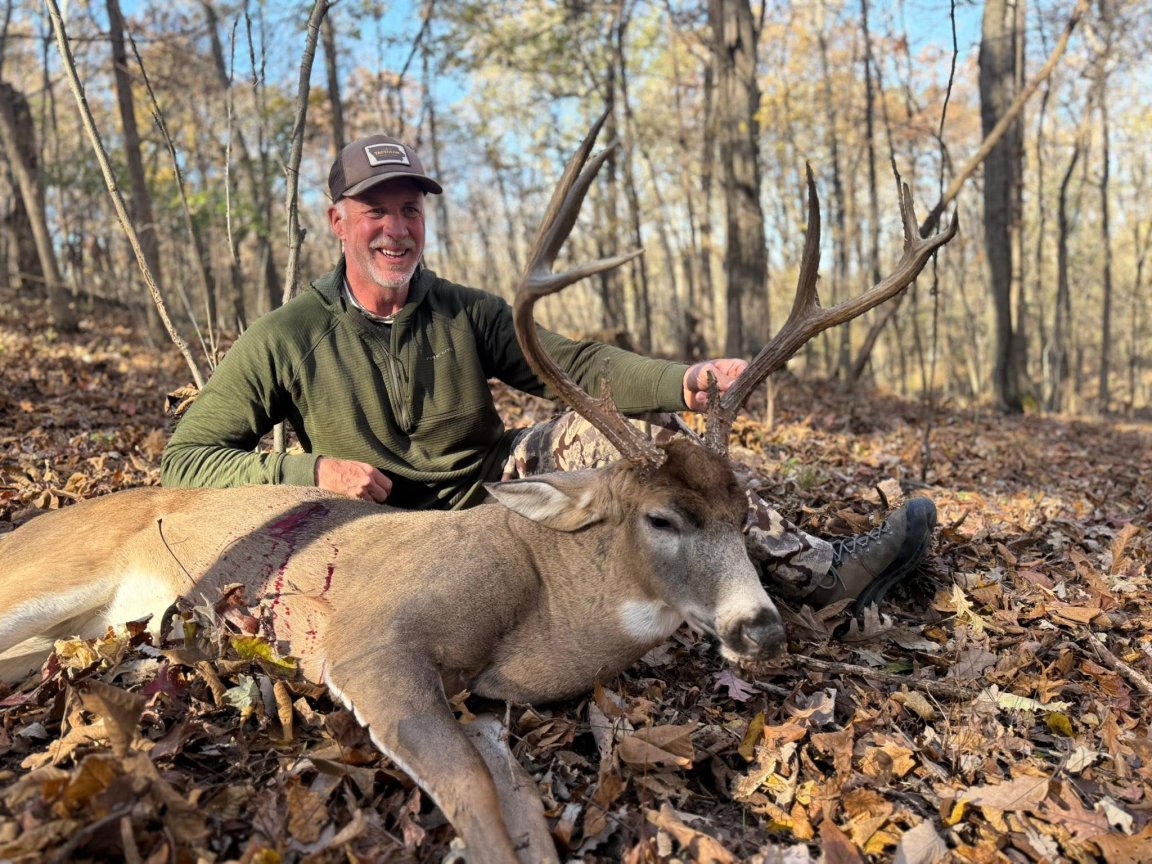
One of the biggest challenges in whitetail hunting is getting deer to walk right where you want them to. Whether you’re trying to capture a trail cam photo of a mature buck or you want one to stand broadside at 20 yards, deer have a tendency of picking the wrong trail.
Bait piles are a tempting remedy to that problem, but they aren’t legal everywhere and they have some notable cons (primarily that mature bucks tend to visit them at night). There’s a better option for encouraging deer to walk where you want them and the only tool you need is likely in your garage.
Making a Deer Highway
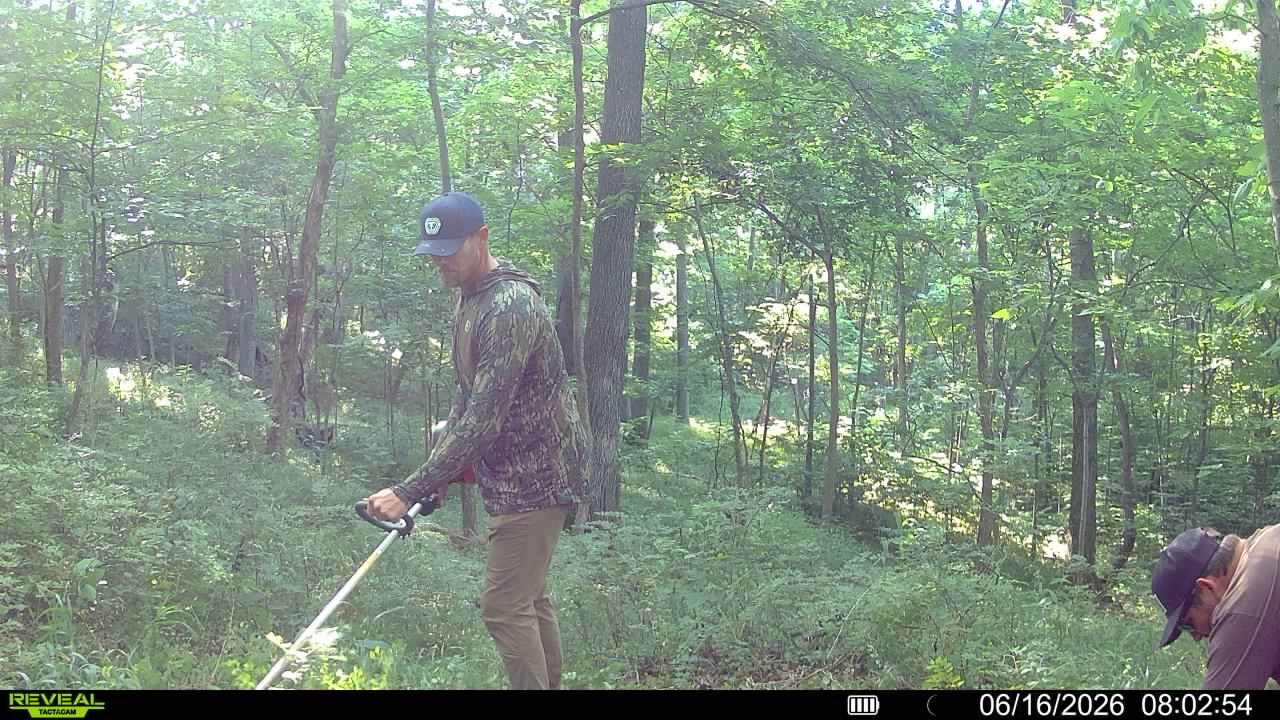
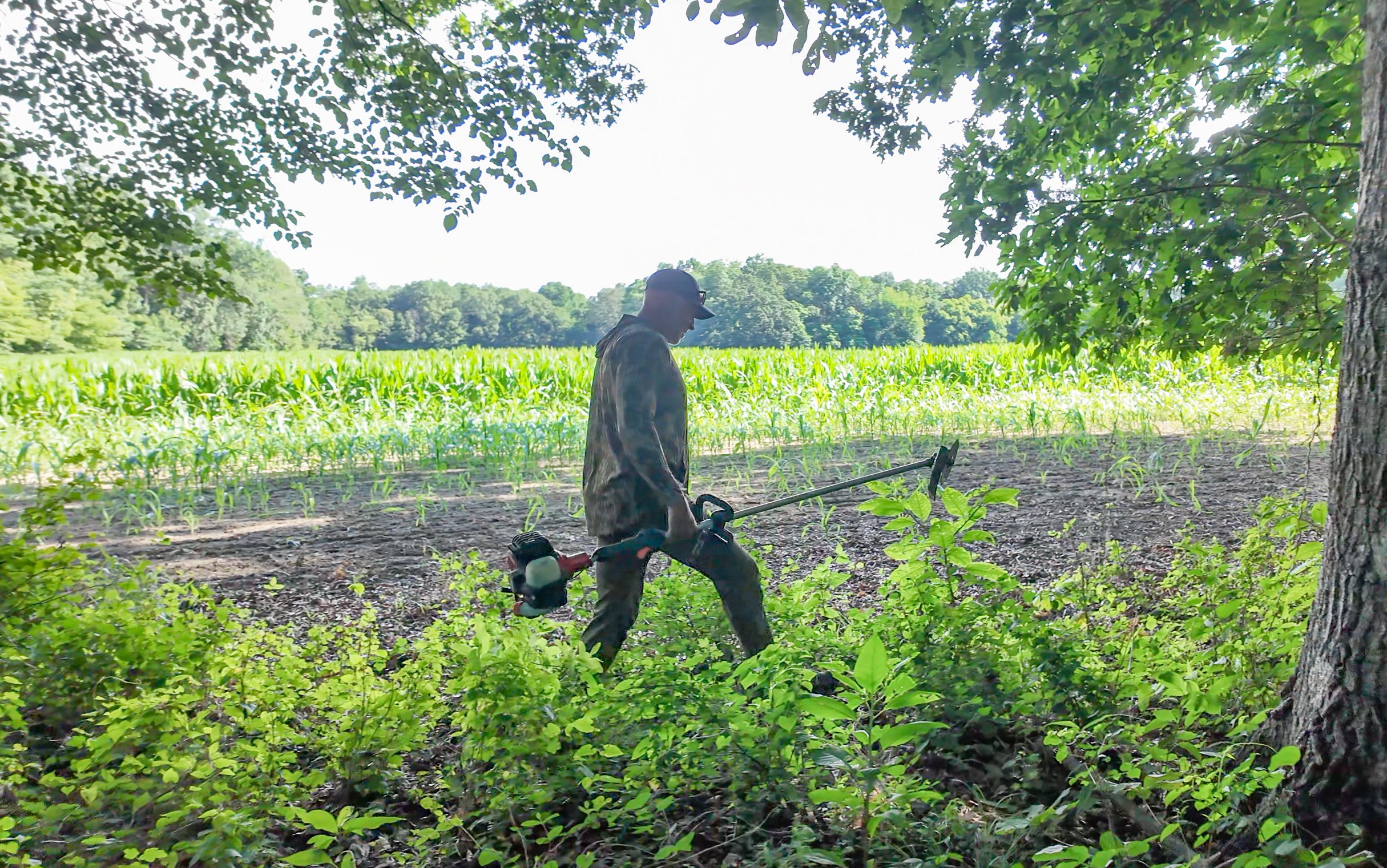
Over the last few years, I’ve spent time hanging Tactacam Reveal cameras, prepping stands, and hunting with Andy Morgan and Levi Morgan. Both of them are masterful big-buck killers and have some tricks for tipping the odds slightly in their favor. One of the best tips I’ve gotten from them is using a weed whacker to create trails through tall grass.
Andy calls the weed whacker the deadliest tool in the woods. “It’s as good of a manipulation as a bait pile to me,” he says.
The idea is instead of a deer picking a path through thick grass, briars, or any other thick cover, you’re giving them a clear path of least resistance.
Now you’re in the driver seat of choosing the most likely path a deer will use and you can put it in the most advantageous place for your stand location.
Read Next: Tactacam Reveal 4.0 Review
“I’ve killed so many like that,” Andy says. “Especially when we were hunting CRPs, and there’s very limited trees. You can walk them by a tree that’s on a fence corner. We literally killed 50 bucks walking them down those trails like that. After mowing those trails with a bush hog, it was automatic.”
But, the drawing power of this tactic can also cause issues if you’re not careful.
“You never cut a trail to your stand, or they’ll take it over,” Morgan says. He explained that the problem with a deer walking a trail to the base of your stand is that an old doe is inevitably going to get behind you and wind you. Or she’ll catch your ground scent and blow out the area.
“You gotta cut trails where you always have advantage for the wind,” he says. Another key lesson I’ve gained from Andy and Levi is that they’re always considering access when choosing a stand location. They evaluate access before they cut a trail. If you cut in a trail that’s going to be on the downwind side of your access or downwind from another stand location, you have a recipe for a bad hunt.
Where to Use This Tactic
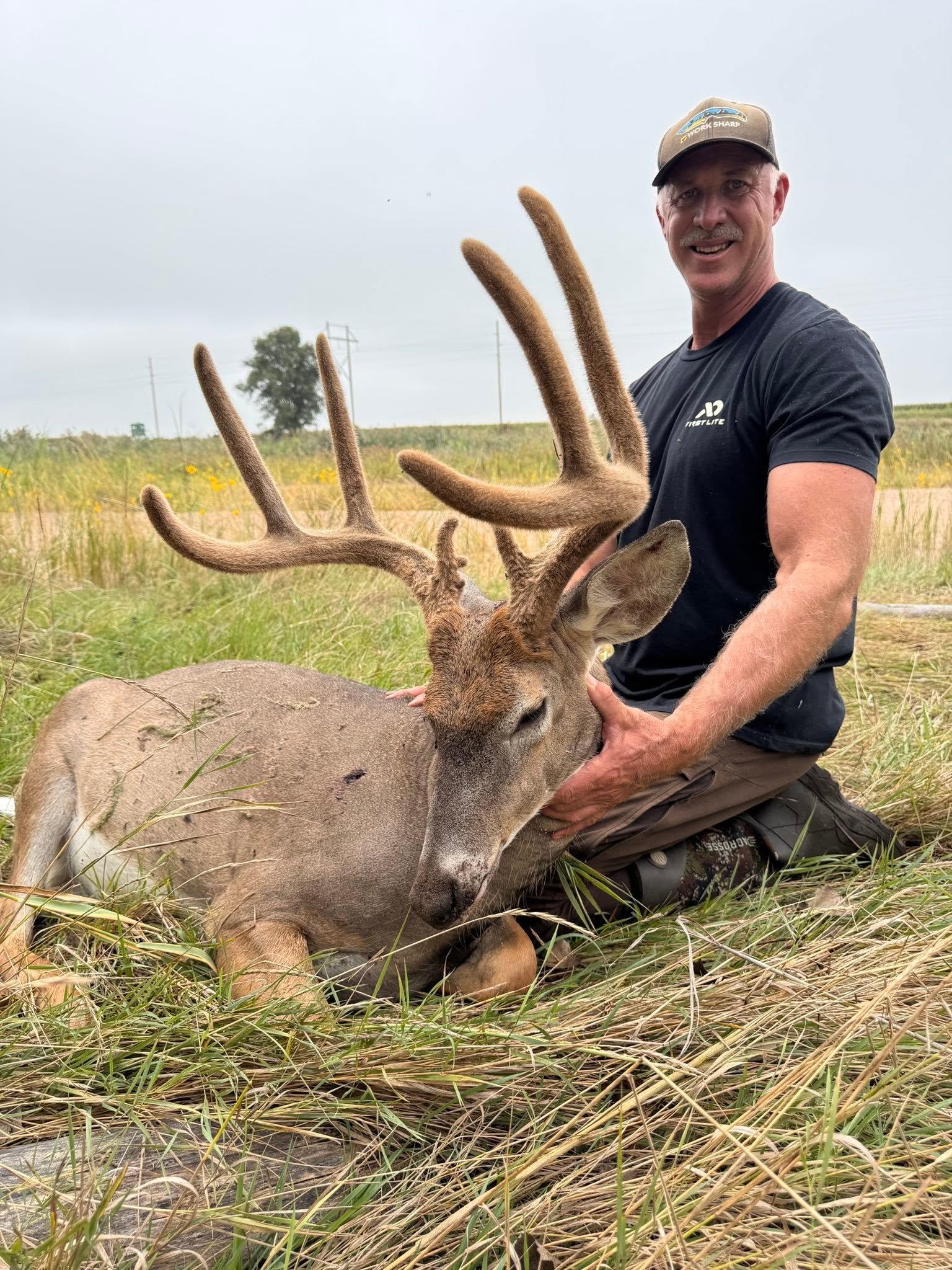
This tactic is excellent for CRP, cattails, or fragmite, but it’s also ideal for big woods set ups. Andy will cut a trail through a pine thicket, briar patch, or other thick cover in the woods using a skid steer, brush hog, or electric chainsaw. To take these deer highways to the next level you can use them to connect existing travel corridors.
“I always connect them to some piece of structure, whether it’s two big hollows that come together, two ditch lines, or saddles,” he says. “There will be a piece of structure that I’ve got in mind that I’m connecting these trails to.”
Andy says that when he simply connects trails that are already in use, deer start using the new trail immediately. “They’re already using it anyway, you just give them a better path,” he says.
These types of set ups are particularly deadly in the rut. “A buck, especially a big buck, is always going to take the path of least resistance, in the rut,” Andy says. ”You give him that opportunity to walk a clean trail where he doesn’t have to duck and dodge through that thick stuff, and he’s always kind of in a hurry anyway, he’ll walk it every time. He can’t help it.”
It’s all About Tipping the Odds
Creating a path of least resistance has proven deadly for Andy over the years. It can also be helpful to discourage a deer from walking a particular trail, too. If deer are always winding you when they walk down a particular trail, Andy says “Hell, go block it off.” He will cut a tree or pile brush in an area to discourage a deer from taking a trail that puts him at a disadvantage.
But even with these tactics you’ve still got to choose the right stand on the right day.