
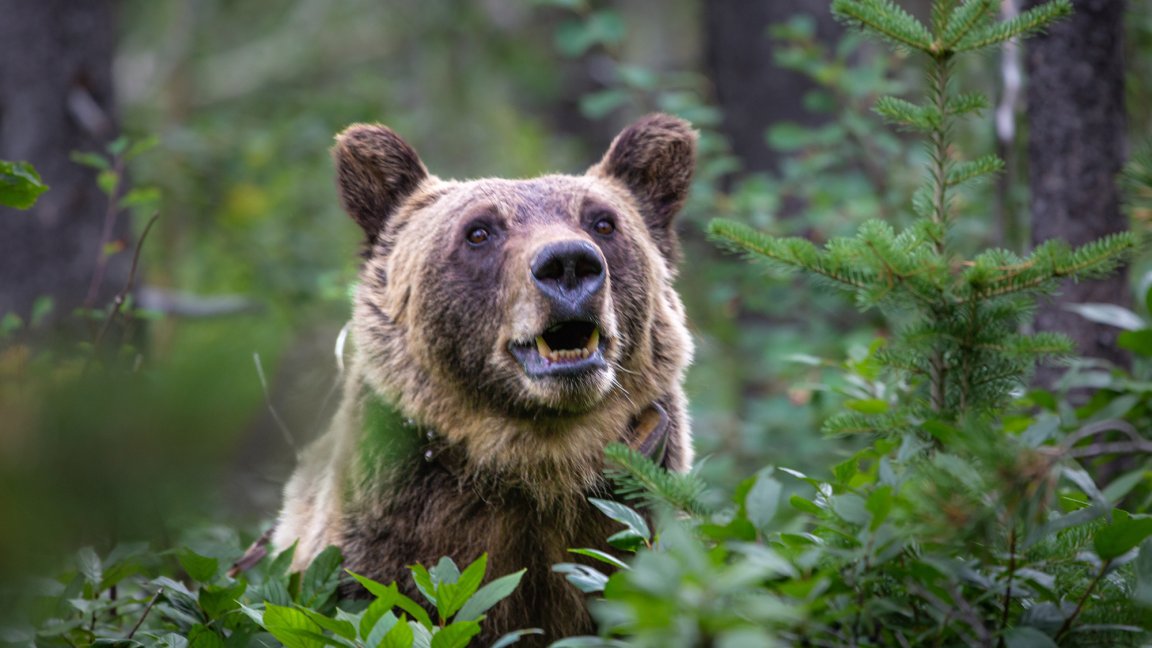
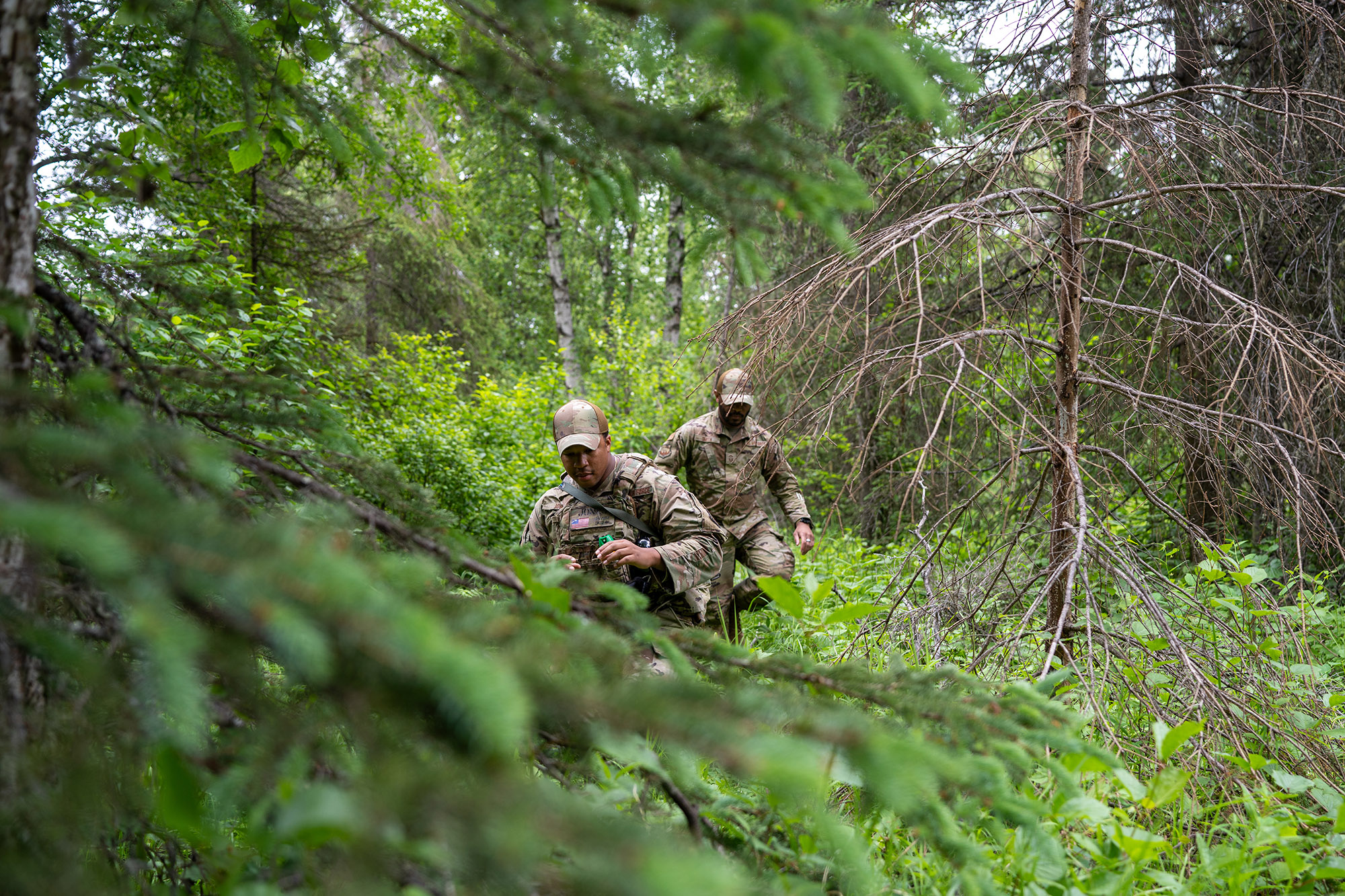
Two soldiers were injured in a bear attack during a training exercise near Anchorage on Thursday. Details remain limited because the incident remains under investigation, but preliminary reports indicate it was a defensive attack by a bear that had recently emerged from a den.
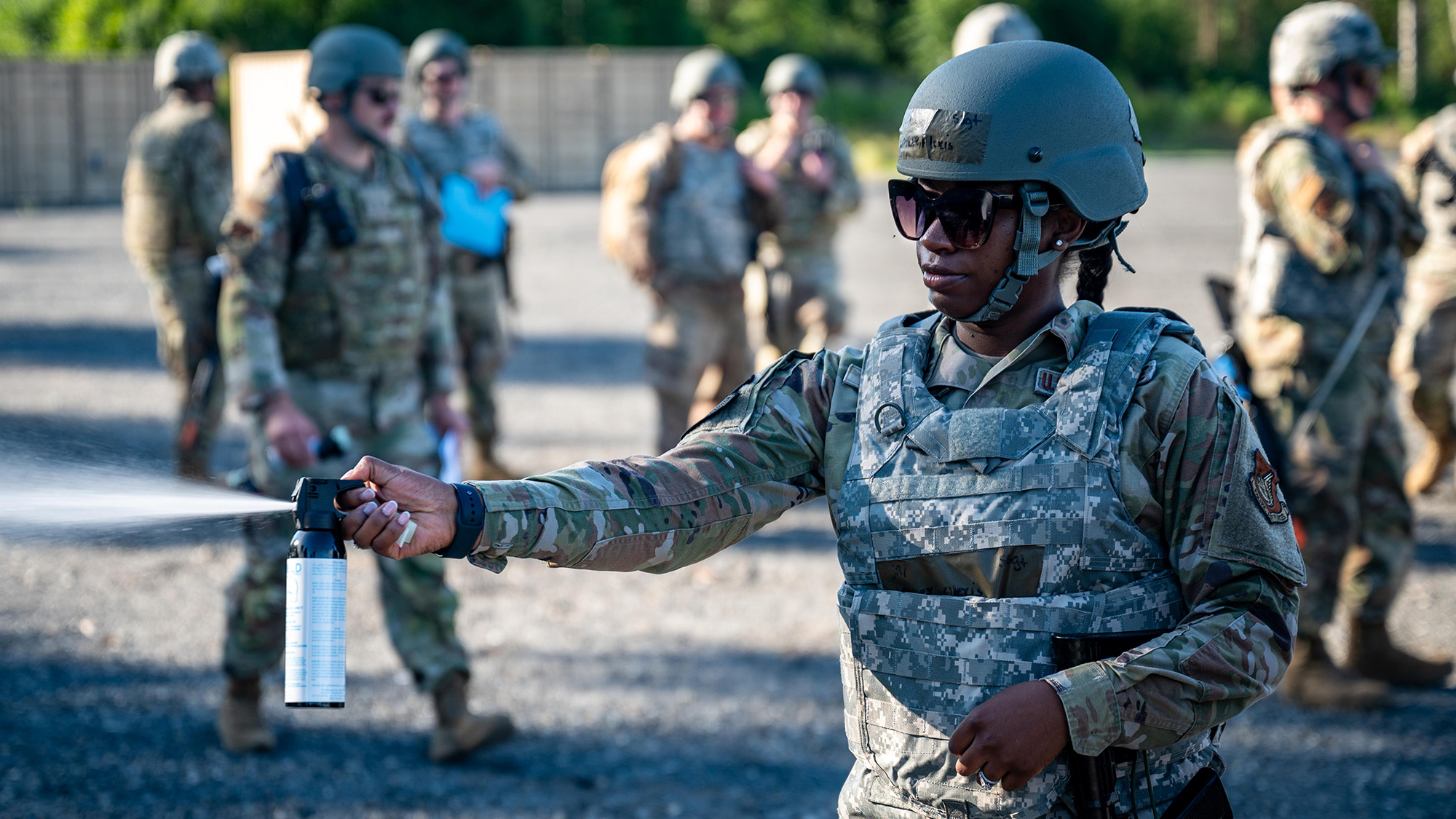
The attack occurred on the Joint Base Elmendorf-Richardson, where soldiers in the 11th Airborne Division (also known as the Arctic Angels) were participating in a land navigation training event. At least one of the two soldiers was apparently able to call for help, however, and both were equipped with and deployed bear spray.
“Having bear spray with them in the field may have saved their lives,” Cyndi Wardlow, ADFG’s regional supervisor for Southcentral Alaska, said in a Friday press release. The bear’s location remained unknown following the attack.
Both “individuals sustained injuries and are currently receiving appropriate medical care,” the 11th Airborne said in a Friday statement, which referred to the incident as an “encounter.” The 11th Airborne did not release the soldiers’ names or details about their conditions, citing privacy until next of kin was notified.
As of Monday, the soldiers’ identities have still not been made public nor has there been an update on their injuries. When asked directly if they were expected to live, spokeswomen from both JBER and the Alaska Department of Fish and Game declined to comment. JBER cited its “ongoing investigation” as the reason; ADFG said it could only comment on the incident as it relates to wildlife.
“We’ve collected samples to try to get a positive identification on species and gender” of the bear, Wardlow told OL Monday. “It was originally reported as a brown bear but there were no other eye witnesses who saw the bear other than the victims, so we’ll be waiting on genetic samples for confirmation.”
The results from those DNA samples can take several weeks. In the meantime, more bears are expected to leave their dens.
“This is pretty early in the year for what we’d expect — bears are just starting to emerge from their dens,” Wardlow says. “It’s dependent every year on how much snow we’ve had, weather conditions, and then it’s going to depend on the part of the state where people are. In Southcentral Alaska, which is where [JBER] is, spring is just starting to come into full effect so we are starting to see bears come out of their dens.”
On average, Wardlow expects bears to emerge later in April and into May. In some parts of the state where there’s food available year round, she notes, some bears don’t den at all.
“So it’s always advisable to be prepared for a bear encounter even if you don’t think that it’s the time of year when you’d usually see a bear.”
The attack occurred in a remote area of JBER on the west side of Glenn Highway. The incident happened on a restricted part of the base, confirms Wardlow, not in an area that’s openly accessible to the general public.
“We hope the two people who were injured have a quick and full recovery. Our thoughts are definitely with them and their families,” says Wardlow. “We hope everyone going into this summer takes a minute to think about how to be safe when they’re outside recreating and spending time in Alaska. Our biggest concern with situations like this and why we investigate is to try to learn whatever we can to help other people stay safer in the future.”
Related: I’ll Always Remember the Day I Went Round for Round With a Grizzly
Joint Base Elmendorf-Richardson spans about 85,000 acres near Anchorage. Bear encounters come with the territory. In 2024, Task & Purpose reports, bears broke into a stash of MREs. A week later, one was discovered eating another MRE inside a Humvee. In 2022, two soldiers were injured in a training incident after a sow emerged from her den; 30-year-old Staff Sgt. Seth Michael Plant did not survive.