
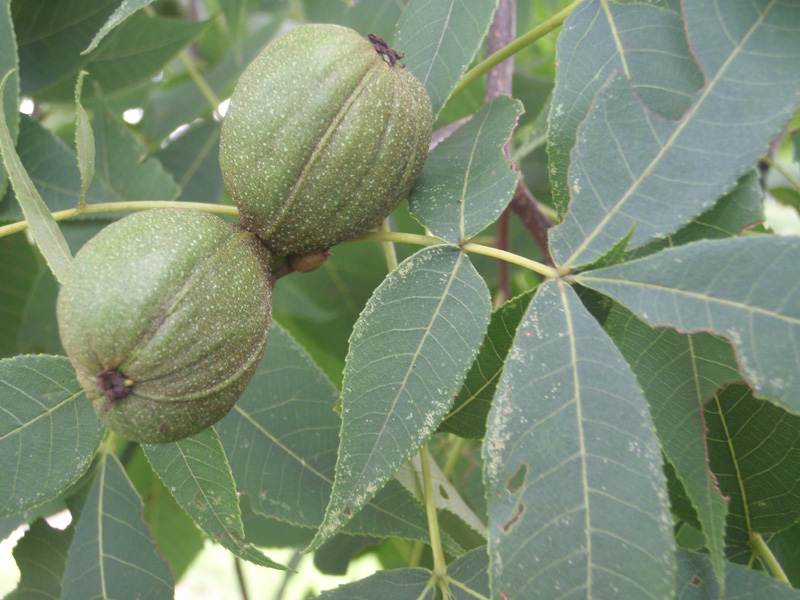
These little guys are the most calorie dense wild food in our guide. One ounce of shelled-out hickory nut meat packs a whopping 193 calories, with most of that coming from fat. How do they taste? Well, you probably already know the answer to that. Most hickory nuts taste like their most famous relative, the pecan. These sweet and fatty nut meats can be used as a raw food, picked right out of the shell. The nut meats also can be used in all kinds of dishes. From porridge, to cookies, to a pecan-flavored crust for your favorite game bird, hickory is an underused hero in wild foods. To make sure you have a hickory, look for a "double" nut shell, with a husk that peels off revealing a nut shell underneath. And make sure you don't get a buckeye, which also have a double-layered nut shell, but are poisonous. Good hickory nuts have a multi-chambered inner nutshell (like a walnut), while the bad buckeyes have a solid nut meat (like an almond). Outdoor Life
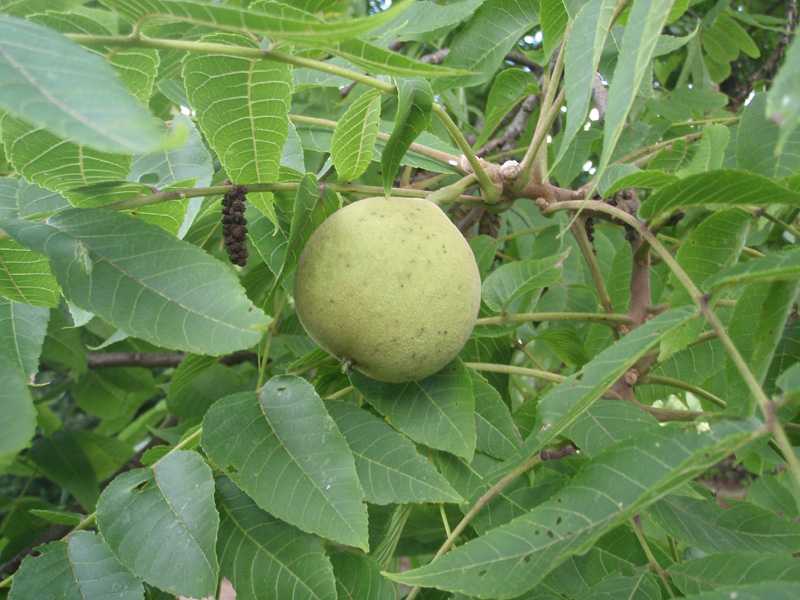
These nuts are probably the easiest to identify. Black walnuts look like green tennis balls. The rough round husks turn from green to a very dark brown as they lay on the ground in autumn. The nut meats are rich tasting and contain 173 calories an ounce. They are high in fat, with a fair bit of protein, magnesium, phosphorus, copper, and manganese. The wild animals might even let you get some, primarily because they don't like to chew through those thick, bitter husks. This means that there can be black walnuts on the ground well into winter. Outdoor Life
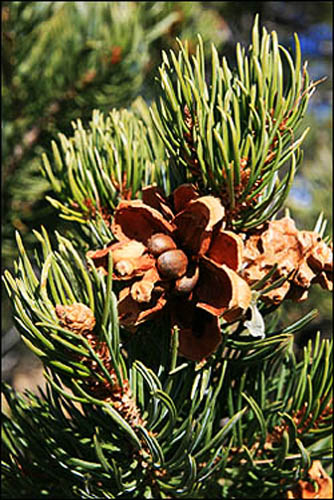
The nuts of any large pine tree are a classic western survival food. Measuring around 1,400 calories per cup, these nuts are more than half fat by weight, with some protein and carbs added in for good measure. Pine nuts are also a good source of thiamin and manganese, with a decent array of other B Vitamins and minerals. Photo: pinenutsus Outdoor Life
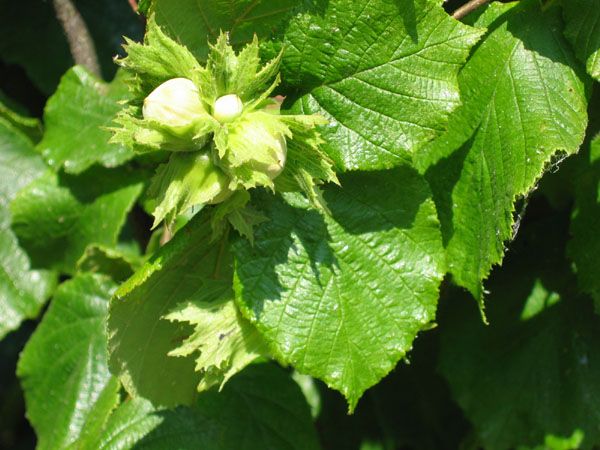
There are several species of hazelnut tree in Europe, Asia and North America. The most common tree in the US is the American hazelnut, which grows east of the Mississippi from Georgia to Maine. Just one ounce of the flavorful hazelnuts contains 170 calories and 4 grams of protein. The Hazelnut also carries a good portion of Vitamin E, thiamin, copper, and manganese. Outdoor Life
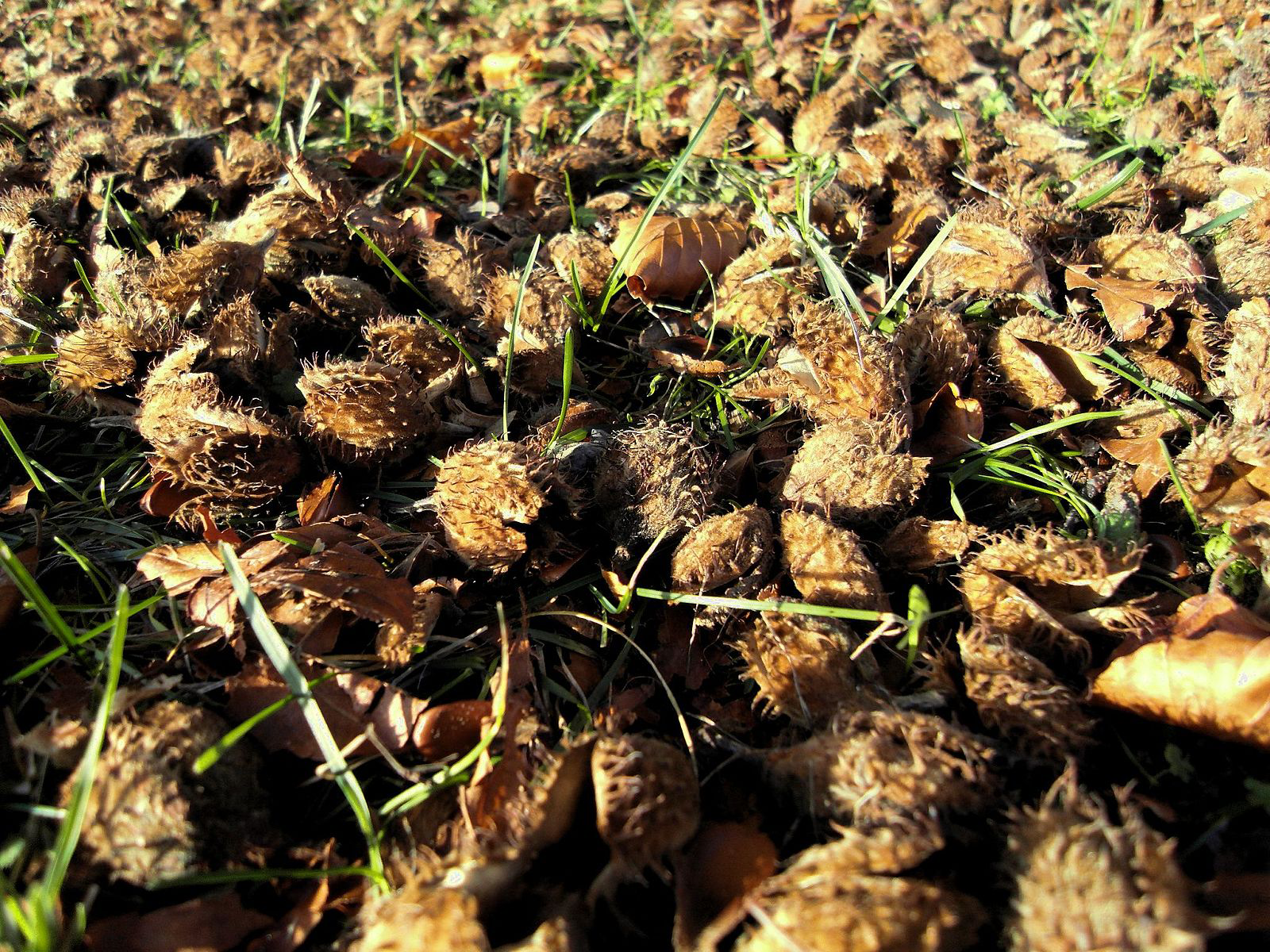
Not the tobacco product, or the baby food, but the actual nut of a beech tree, can be a valuable and delicious wild food source. But you'll have to be quick to beat the squirrels to them. Squirrels seem to favor these tree nuts above all others, and the animals have always had two-legged competition for them. Indian tribes, such as the Potawatomi, pounded the roasted seeds into flour, and many other cultures have used the oily sweet nuts for food. Look for the smooth-bark trees in eastern woodlands, and look for the small three-sided seed falling out of a prickly husk around early October. The nuts have 10 grams of carbohydrates, 2 grams of protein and 164 calories per ounce. Jin Zan via Wikipedia
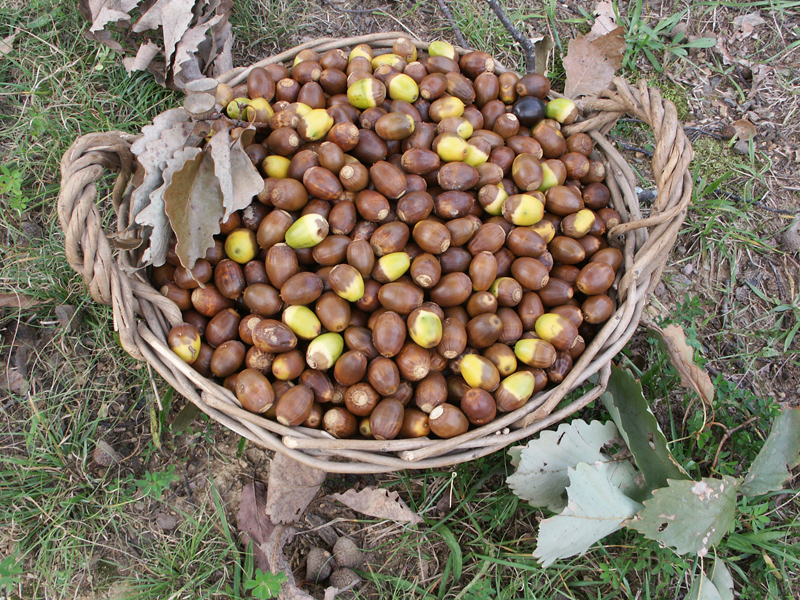
Though many folks are confused by the nuts of oak trees, acorns are one of the most abundant foods in this guide. Perhaps it was the fear of buckeye nuts, or the bitter flavor that acorns have, but I remember my father always telling me that acorns were poison. Well, not quite, pops. The bitterness of the acorn is from the irritating tannic acid, the worst offenses of which are upset stomachs and angry bowels. One ounce of acorn nut meat from any species of oak (Quercus genus) contains a little more than 100 calories, which many of our northern hemisphere ancestors ate as a staple food prior to agriculture. These are high-carb nuts, with some fat and a little protein, giving them a nutritional profile similar to bread. The bitter acid in them is easily removed by cracking them into pieces and soaking the acorn nut meat chunks in repeating baths of warm water, one hour at a time, until the bitterness is gone. Don't boil them, though. While many books instruct this technique, it locks in some of the bitterness. Outdoor Life
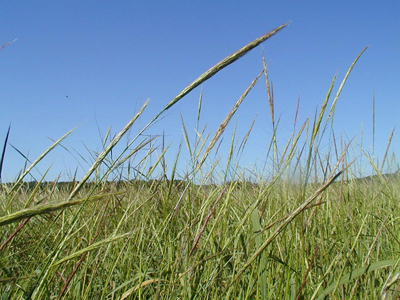
This northern marsh grass plant has long been a valuable commodity in North America. Paddling an open canoe through the rice beds at harvest time allows you to bend the seed heads into the boat, tap them to release the rice, and then paddle out of there with a literal "boat load" of rice after a few hours. The raw, uncooked rice is exactly 100 calories per ounce, and it contains some traces of B Vitamins, 4 grams of protein and numerous minerals. Outdoor Life
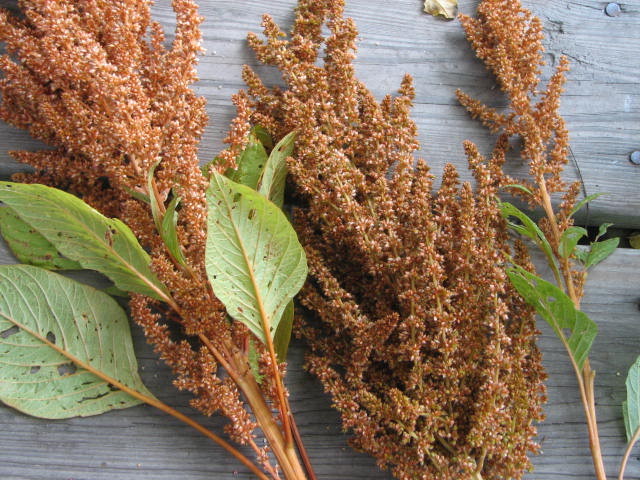
These small, shiny black seeds are one of the most overlooked staple foods from the wild. Some amaranth species and varieties are grown for size or flavor, but the wild plants are plenty good enough to use. One cup contains 716 calories, 26 grams of protein, 30 percent of your daily calcium and almost a full day's requirement of iron. These seeds can be boiled into a cooked grain or ground into flour. The leaves are also edible raw or cooked, but one cup of those only contains 6 calories. Outdoor Life
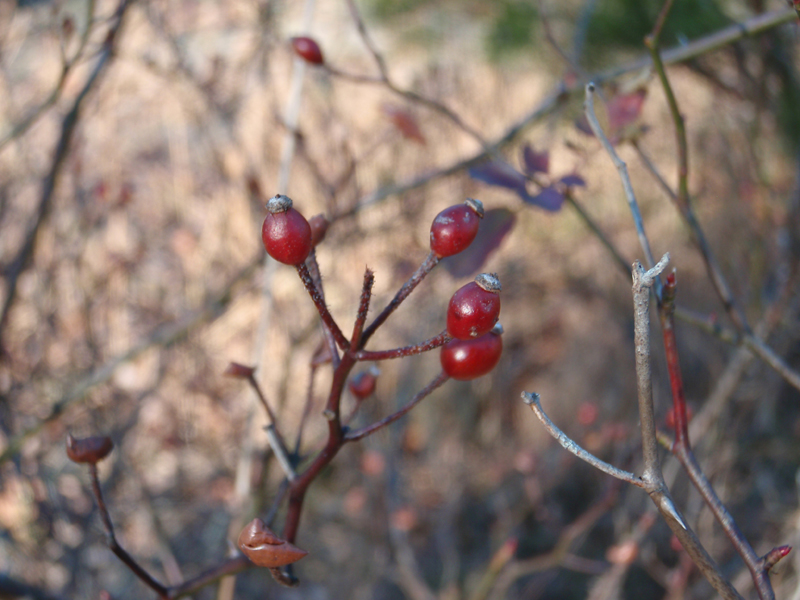
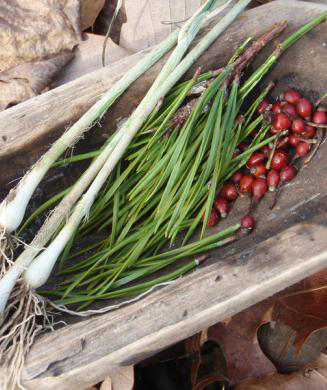
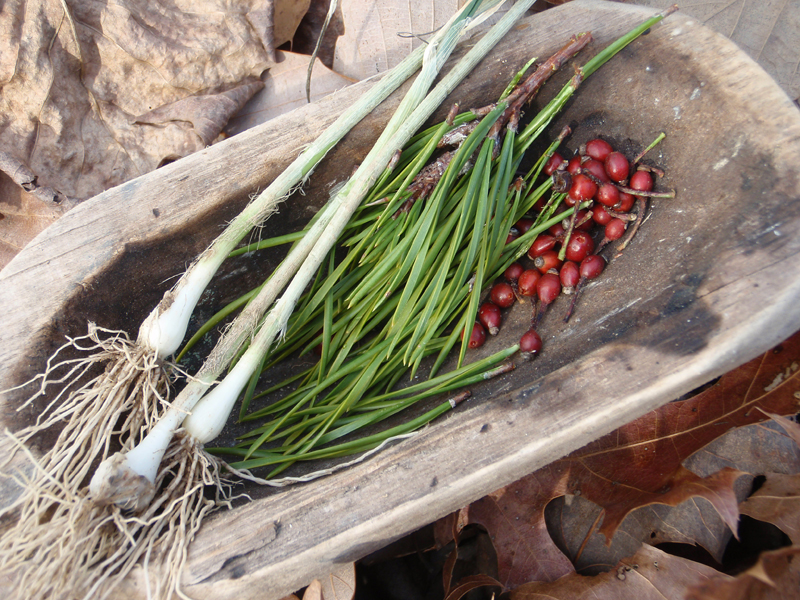
The tangy, sweet, red-colored fruits of wild rose bushes come in at 162 calories per cup. They're a good source of Vitamin E (alpha-tocopherol), Vitamin K, calcium, and magnesium, and a very good source of dietary fiber, Vitamin A and manganese. They are also a Vitamin C powerhouse containing 7 times your daily dose. To avoid getting the wrong fruit or berry, look for compound leaves and thorns on the rose bushes. The red rose hips should also be branching upward, not dangling fruits. Outdoor Life
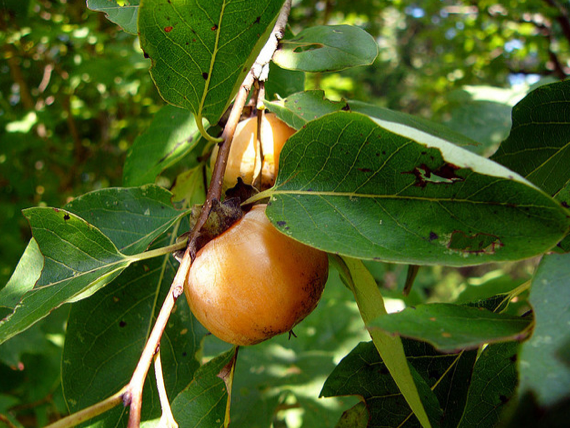
The scientific name of this fruit is diospyros, which means "food of the gods." If you are concerned that they are overselling the fruit, you are wrong. The completely ripe, native persimmon fruits are a sticky, gooey sweet treasure trove. The fruits of this eastern tree have 127 calories and a full day's Vitamin C per cup of pulp. Look for very wrinkled fruits in late October. Unripe persimmons are very bitter and will give you a strong case of cotton mouth. Generally, the rougher they look, the sweeter they are. Photo by: lucycat Outdoor Life
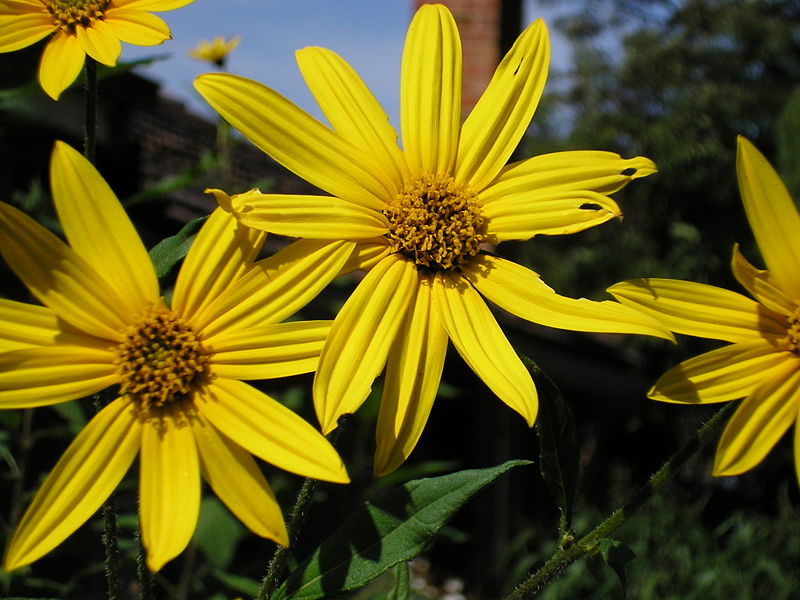
This plant is neither from Jerusalem nor is it an artichoke, but this native sunflower relative does have a slightly sweet tuber, which carries 109 calories per cup. It contains lots of iron and potassium and contains 5 to 20 percent of your daily allowance in most of the B vitamins. Look for the small sunflower-looking bloom in the fall at the top of the tall plants, and dig up the tubers, which resemble ginger roots in shape (but not odor). Outdoor Life
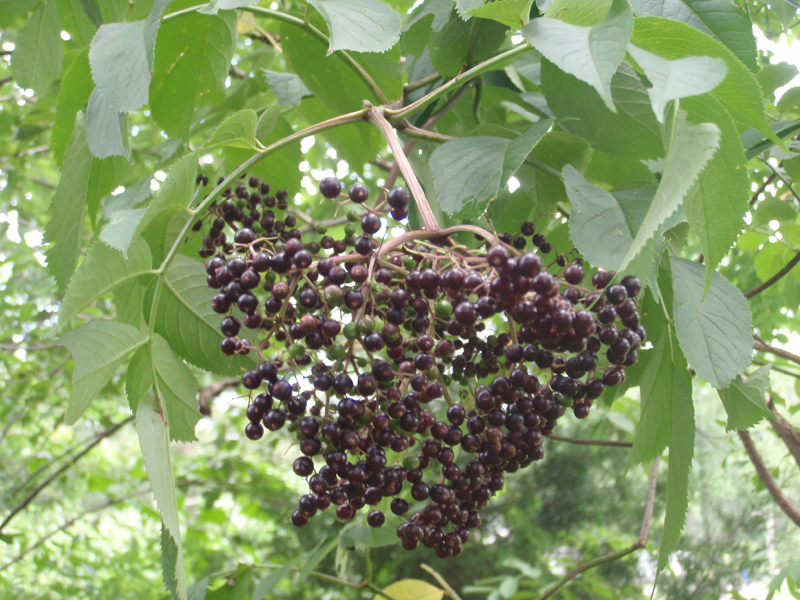
Numerous species of the small shrub known as the elderberry can be found throughout the world. The American Elder grows throughout eastern North America. These bushes produce small purple-black berries in large clusters during midsummer. The berries are high in Vitamin B6, Vitamin C, calcium, iron, and potassium, and boast 106 calories per cup. Just don't munch on the leaves, or try to make a flute out of the hollow stem, as every part is hazardous except the ripe berries. Outdoor Life
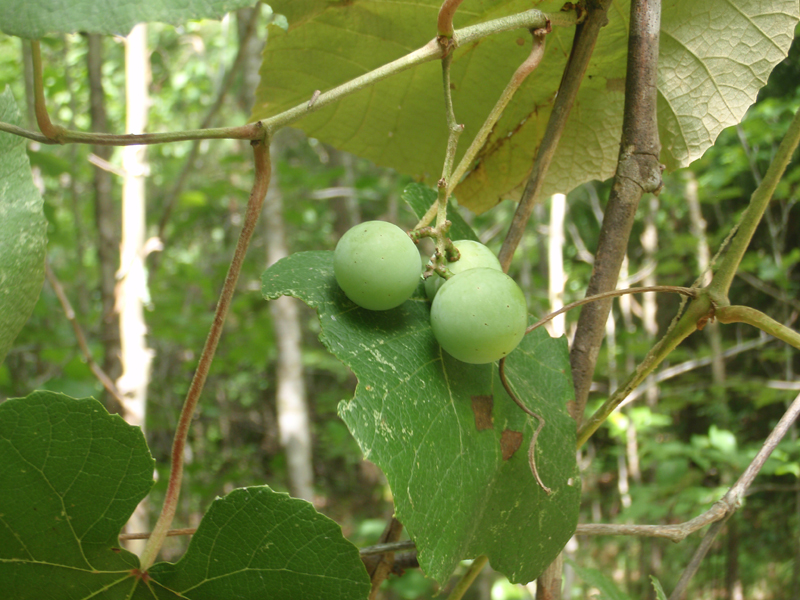
More than 20 species of wild grape are found east of the Mississippi, ripening at different times from August through October. Depending on the species and sugar content, they are roughly 100 calories per cup. Most wild grapes carry decent amounts of Vitamin C, Vitamin K, copper and potassium (one-tenth to one quarter of your daily requirement). Make sure it's a grape though! The Canada Moonseed looks like a grape, but it is poisonous. Grapes should have one to four teardrop-shaped seeds, while the dangerous moonseed has only one seed, which is curved and flat. Also, grape vines have tendrils (curlicues), while the moonseed has no curly tendrils. Outdoor Life
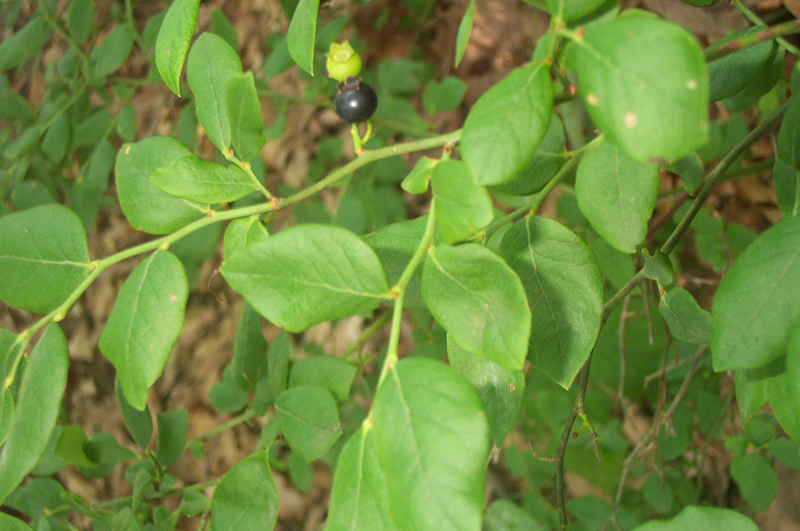
There are a lot of species of blueberry bush in America, ranging from one foot in height (huckleberry) up to eight feet tall (high bush blueberry). With a sweet flavor and small seeds, a one cup serving of blueberries provides 84 calories. They contain one quarter of your daily Vitamin C and one third of your Vitamin K. Blueberries can be a summertime lifesaver if you can find a large patch of them. Just watch out for bears, as they like to hang out around this significant food source. Outdoor Life
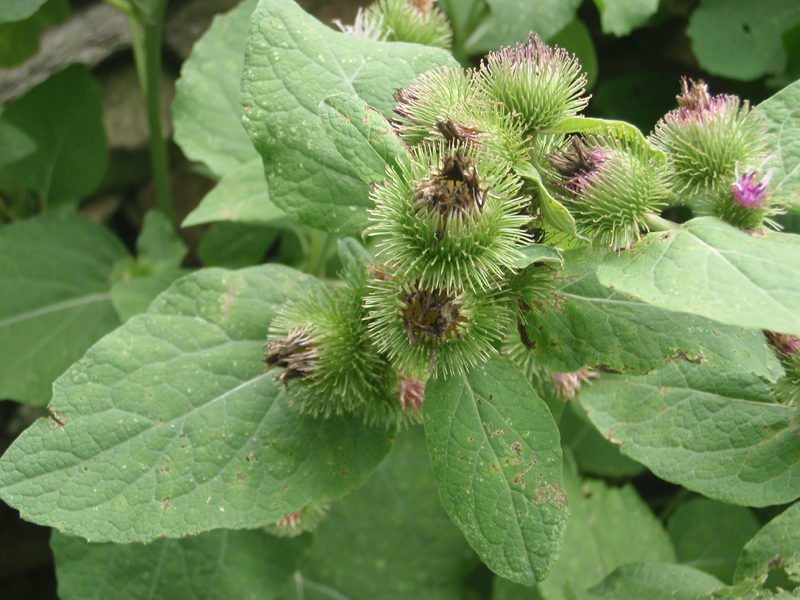
If you're not too busy picking the burrs off your clothes and your dogs, the root of burdock can be dug up and boiled in a few changes of hot water to yield a fine vegetable. Just dig it, wash it, chop it, boil the root pieces for 5 minutes, dump the water away, boil again for 5 minutes, taste test for flavor, boil again if needed, and serve. These boilings are to remove the bitterness. One cup of raw burdock root has 84 calories and 14 percent of your daily allowance of Vitamin B6. It also gives you some potassium, magnesium and manganese. Outdoor Life
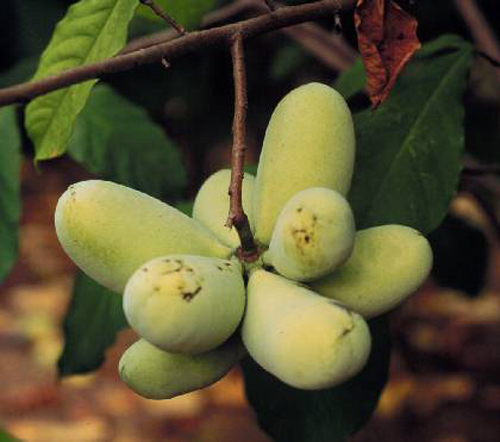
If you are looking for a rich, belly-filling fruit, paw paw is it. These flood plain and forest fruits carry 80 calories to the cup, 18 percent of your daily Vitamin C and about 10 percent of your daily potassium. The strange sweet flavor is a little like a banana with hints of mango. Look for the stubby banana-like fruits in August, on trees near rivers in Texas, Oklahoma, Nebraska and most states to the east. Pick them when they are fragrant and almost mushy, but before they rot and turn dark. Outdoor Life
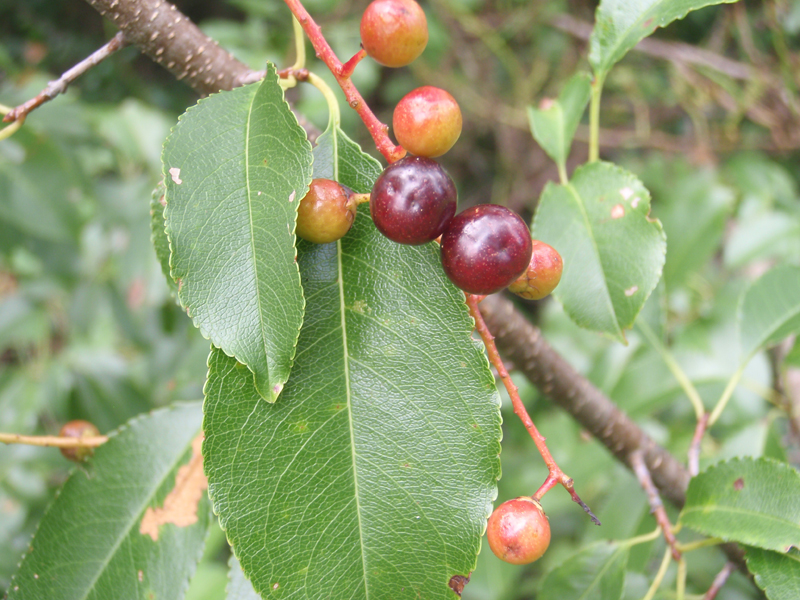
The black cherry tree grows throughout the eastern half of the U.S., and it bears small, reddish-black fruits that ripen in July each year. One cup of pitted black cherries has 77 calories, 40 percent of your Vitamin A, 26 percent of your Vitamin C, as well as some potassium, copper, and manganese. Just make sure you spit out the pits, and don't mess around with wilting green cherry leaves, as these are both poisonous. Outdoor Life
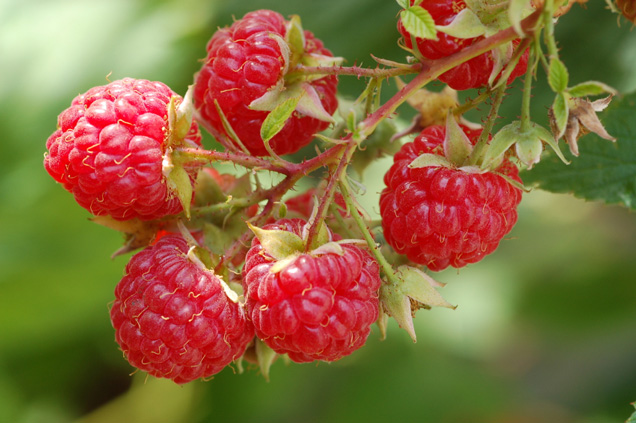
Raspberries are a close relative to the blackberry, and can be red, purple, gold, or black when fully ripe. Raspberries contain 64 calories per cup, and have 54 percent of your daily Vitamin C and 12 percent of your daily Vitamin K. The main difference between the two berries is that raspberries come off the bush with a hollow center, and blackberries keep their spongy center inside the berry. Outdoor Life
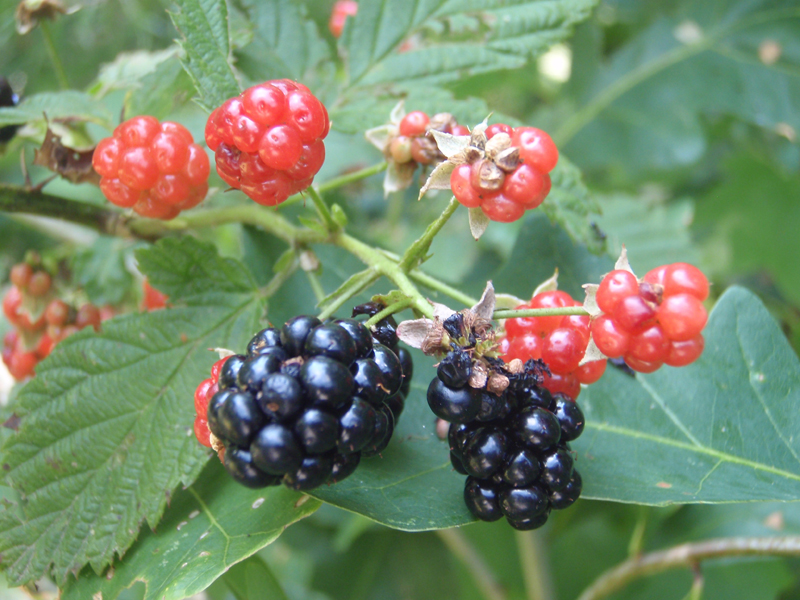
Maybe these berries' sweet flavor keeps you stuck in the blackberry patch, either that or the thorns. Blackberries contain 62 calories per cup, and also have 50 percent of your daily Vitamin C and 36 percent of your daily Vitamin K. And if that wasn't enough, blackberry leaves can be dried and steeped into a tea that has a mild taste and helps treat diarrhea. Outdoor Life
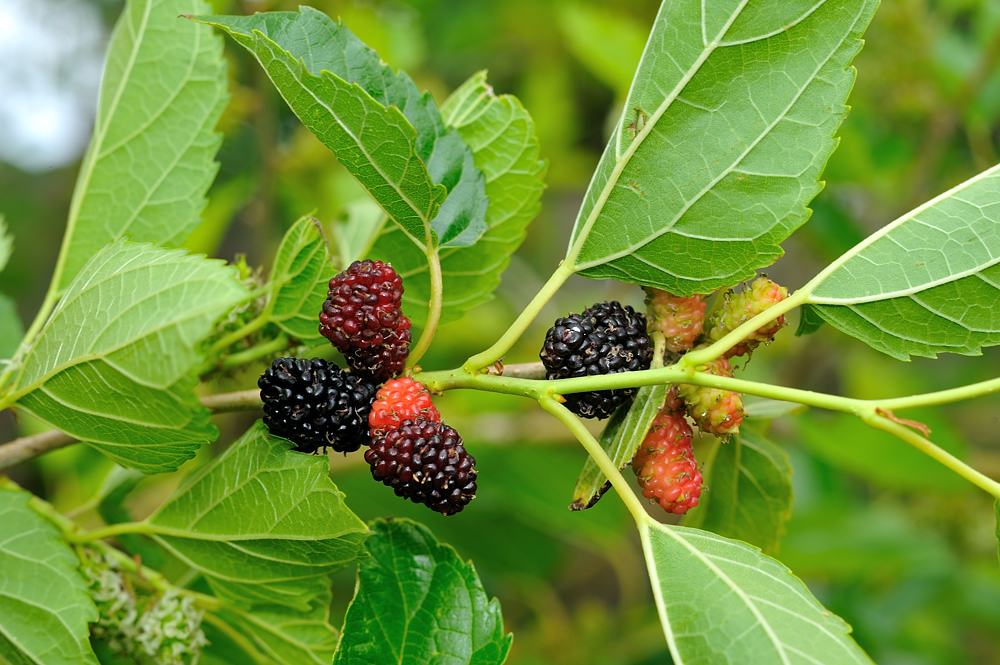
The native red mulberry and several Asian species of mulberry can be found through much of the U.S. These blackberry-like fruits dangle from a tree, as opposed to growing on a thorny bush. Mulberries provide 60 calories per cup, with 85 percent of your daily requirement of Vitamin C and 14 percent of your daily iron. Make sure they are ripe and sweet, because under-ripe mulberries can lead to serious reactions. Outdoor Life
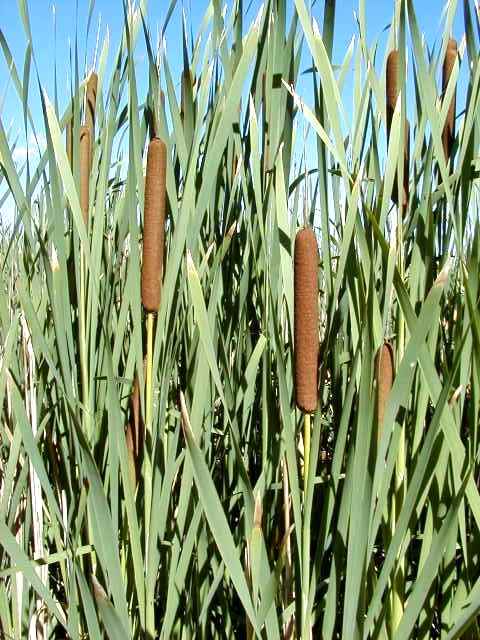
Often labeled as the "supermarket of the swamp", cattail is a very versatile wild edible. The roots contain a white starch that is 150 calories per cup, and the shoots are also edible, bringing in 50 calories per cup and a little bit of Vitamin K. The pollen is edible, too, as are the sprouts that grow on the roots. The leaves can be made into baskets and ropes. There are even medicinal parts of cattail. Supermarket indeed. Just watch out for Iris, which is poisonous and can also grow in swampy conditions. Iris is generally half the height of cattail and it bears a large flower at the top. Cattail will be topped with a seed head that looks very much like a corndog in size and shape. Outdoor Life
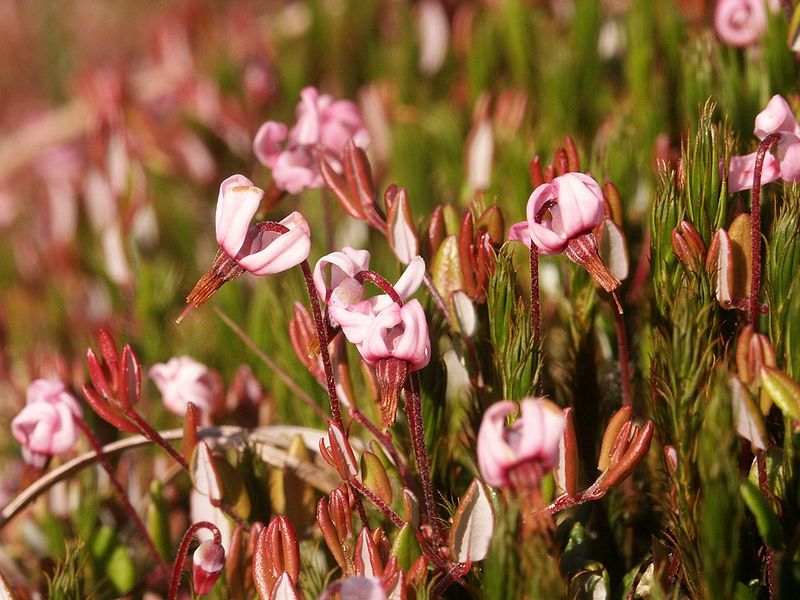
Cranberry bushes are a group of evergreen dwarf shrubs or trailing vines with red berries that float when ripe. They can be found growing in many places, particularly in acidic bogs throughout Canada and the American Northeast and Northwest. One cup of whole, raw berries contains 46 calories and one fifth of your daily requirement of Vitamin C. Eating the berries or products made from them is also a widely used remedy to treat and prevent urinary tract infections. Outdoor Life
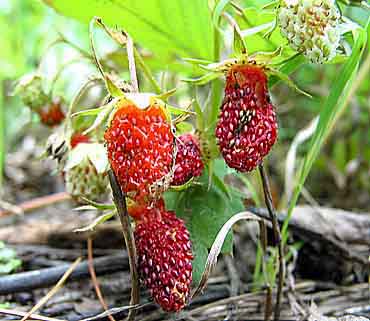
The strawberry growing wild in North America is the basis for all of the strawberries we have bred today. Though the wild berries are not high in calories (45 per cup), a cup of berries will give you more than a full day's supply of Vitamin C. Don't be confused by the Indian Strawberry, which is still edible, but completely flavorless. You'll know it when you get a real wild strawberry, which is very flavorful and sweet and has tan seeds on the surface of the berry. The bland one has red-colored seeds on the surface. Outdoor Life
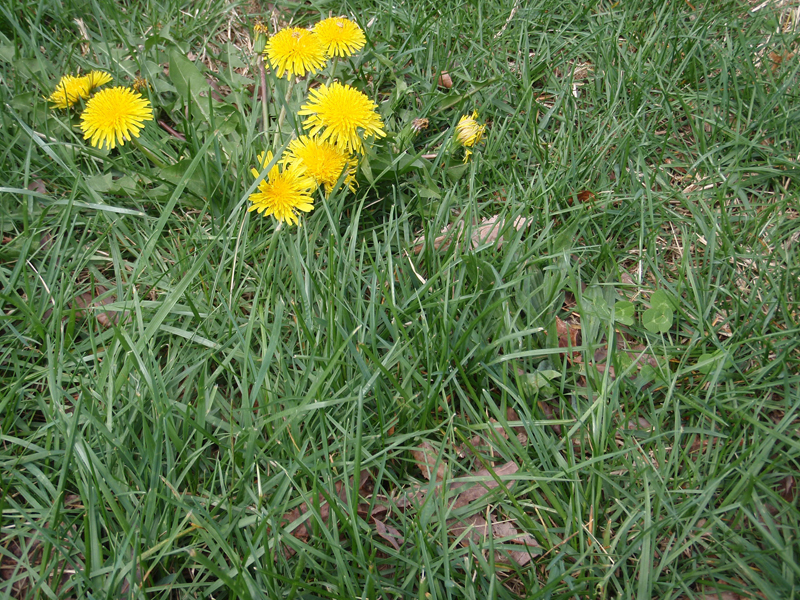
The leaves of the common dandelion are where we start our wild edible plant guide. These common lawn weeds are found throughout the U.S., although they are native to Europe. The greens have just 25 calories per cup, but their vitamin and mineral contents are through the roof. One cup of the greens contains a full day's supply of Vitamin A and five times the daily allowance of Vitamin K. Respectable amounts of Vitamin C, Calcium, Iron and Manganese are also present. Catch the weed in bloom for positive identification, and throw a few of the yellow flower heads in your greens to brighten up your meal. Outdoor Life
OL’s survival expert highlights the best wild foods and ranks them by availability and caloric value. Check out this gallery and never go hungry again.