![]() | Use Weather to Pattern DeerHere's how to use the weather to pattern big deer where you live using moon phase, dew... |
![]() | Fall-time StripersIt's time for the best striper fishing of the year. |
![]() | Who Needs a Turkey Dog? Kill Fall Turkeys On Your...Two experts share their secrets |
![]() | Fishing the Turnoverwhen Mother Nature opens the north door to fall breezes that cool shoreline waters,... |
![]() | Flipping the SwitchI t's happened to you: On those days when you just know the deer will be moving... |
![]() | Fishing FormulasProfessional anglers don't earn a regular paycheck by randomly shotgunning lures across... |

An unnaturally warm winter and an even drier summer turned 2012 into one of the worst wildfire years in recent memory. According to the National Interagency Fire Center, 48,258 fires have scorched nearly nine million U.S. acres as of October. When compared to the 10-year average, 2.2 million more acres burned this year than usual.
And it's not getting any better.
[ Read Full Post ]
The never-ending Texas drought has struck again, and this time the unlikely victim is striped bass.
This from the Austin Statesman…
"Texas wildlife officials have closed one of the state's five fish hatcheries because of lack of water from the ongoing drought.
Texas Parks and Wildlife Department fish hatcheries director Todd Engeling said Thursday in a news release that two lakes that feed Dundee State Fish Hatchery southwest of Wichita Falls have not gotten the good rains enjoyed recently in other parts of the state. [ Read Full Post ]
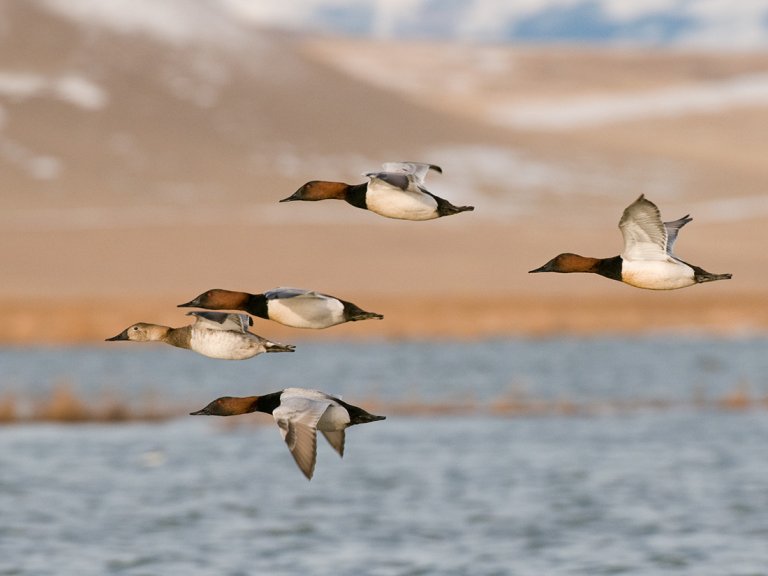
You don't need an "Al Gore For President" sticker on the bumper of your Honda Prius to notice that it has been unseasonably warm this winter. And this long stretch of warm weather has thrown a monkey wrench in waterfowl seasons across the country.
Most ducks and geese only migrate as far as they have to. Once they find open water, food and safety, they stop heading south. Warm weather typically means more open water and a shorter or delayed trip. [ Read Full Post ]
After ending his December Afognak blacktail deer hunt on a beautiful day, my new hunting buddy Frank was lucky to get out of camp just before the storm hit. Trading spots with him was Wayne Farnsworth, and even though the weather was turning fast, we took it in stride. The north end of Afognak is covered in big timber, looking much like coastal Washington or Oregon. When the weather gets bad, the deer head for the thick forest, and hunting can still be good if you get in there after them.
Wayne came to finish his Super Slam (taking every big-game animal in North America), and wanted to do it with a bow. So that afternoon we started pushing peninsulas and choke points, hoping to nudge a buck within bow range for Wayne. [ Read Full Post ]
So Outdoor Life is part of a cool contest operated by Crown Royal, sponsor of Field & Stream’s Hook Shots show and maker of the whiskey that comes in a purple bag. The contest is called “Pass the Crown,” and it’s a variation on the Secret Santa gift exchange anyone who’s ever worked in an office is familiar with. Are you lucky enough to have never worked in an office? Then here’s how this works: [ Read Full Post ]

When deer season starts, it's natural to pay attention to the weather factors you can easily see and feel: the cloud cover above, the wind in your face, the rain drops dripping from the brim of your cap.
But it's easy to forget about the most important factor of all: barometric pressure. It's more difficult to judge without an instrument or the Internet, but you should know that pressure rises after a front passes and when high a high pressure system is building. It lowers before the arrival of a front and during a low pressure center.
I have collected barometric pressure data from around the country for years through log book entries from trail cameras, hunters and private studies. The results are clear and indisputable. Deer like a pressure above 30.00 in. [ Read Full Post ]

Kansas is the land of giant whitetails. Unfortunately much of the state, including the Southwest where I’m currently hunting, is in the midst of a record drought. Conservation Reserve Program lands are void of their usual tall native grasses. They’ve long since been devoured by hungry cattle or burnt to a crisp by the unrelenting sun. [ Read Full Post ]