
As Colorado’s voters consider a ballot question next month that could enshrine hunting and fishing as a constitutionally protected right, proponents and opponents of the measure are accusing each other of political meddling.
The twist? Both sides claim to represent Colorado’s hunters and anglers.
The question on the ballot is titled Amendment 83. If passed by 55 percent of Colorado voters on Nov. 3, it would create “a constitutional right to hunt, fish, and harvest fish and wildlife by traditional methods, including all species of fish and wildlife managed by the state except for non-game species, endangered species, or any species that is illegal to hunt under federal law.”
The ballot measure further establishes “hunting and fishing as the preferred means of managing fish and wildlife populations.” You can read the relatively short paragraph in is entirety here, along with text of the other five constitutional amendments on the November ballot.
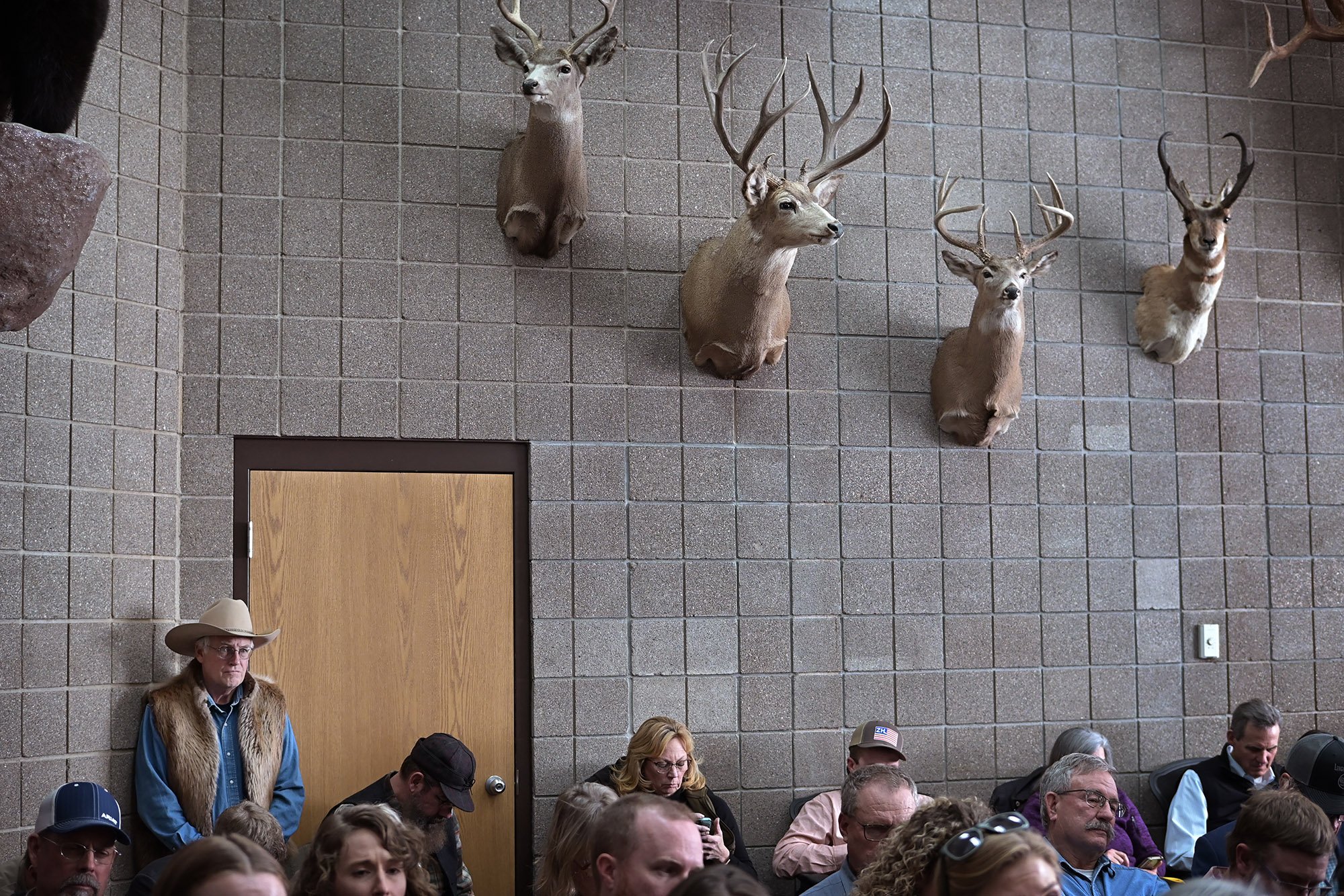
But Amendment 83 has drawn an especially stark contrast between two types of Colorado’s hunters, with each claiming that the other is misrepresenting the interest of both the public and Centennial State hunters and anglers.
On the one hand: those who claim that the loss of any hunting and fishing tradition accelerates the future loss of others that underpin the American system of wildlife management. On the other: those who claim that “throwback” practices such as trapping and predator management are outside of the mainstream and turn non-hunters against other, more socially acceptable, types of hunting and angling.
The rift between these tribes was on full display last month as the main opponent of the constitutional question claimed election malfeasance by proponents of A-83.
Eric Washburn, a political consultant, self-described avid hunter, and lead agitator of the No-On-83 campaign, has accused the Colorado Wildlife Council of using public funds to electioneer on behalf of a previous constitutional initiative, the 2024 Proposition 127 that would have banned hunting for mountain lions, bobcat, and lynx. That ballot measure was defeated by voters, possibly because of electoral interference by the Colorado Wildlife Council, says Washburn and co-signers in their petition.
Washburn claims that the public education campaign overseen by the council — it’s funded by a $1.50 surcharge on hunting and fishing licenses, which generates about $3.5 million annually — is masquerading as a political action fund. Though the election in question is two years old, Washburn’s petition to Colorado Parks and Wildlife calling for a suspension of council funding was granted earlier this month by CPW Director Laura Clellan, who has pledged to conduct a full review of the council’s engagement in political matters.
Confused? It gets weirder.
Washburn’s group is called Colorado Hunters & Anglers for Sensible Wildlife Management. One of the main in-state groups advocating for passage of A-83 is Coloradans for Responsible Wildlife Management, and many of its leaders helped pass legislation that created the Colorado Wildlife Council in 1998 for the very purpose of taking politics out of questions of wildlife management.
The tensions pulling at Amendment 83 are broader than this specific constitutional question. Both sides represent wider constituencies that are using this election to define the future of hunting and fishing — not only in the rapidly-urbanizing state of Colorado but, by extension, the rest of America. Still, it should be noted that Washburn’s constituency is far smaller than the wave of sportsmen support for A-83. Nearly all organized hunting and fishing groups have come out in support of it, including the influential Colorado Wildlife Conservation Project, the state’s largest coalition of hunting, fishing, and wildlife conservation groups.
“Hunting and fishing are integrally woven into the fabric of Colorado’s outdoor heritage and provide meaningful ways for families to connect with nature and harvest healthy, sustainable food,” says Gaspar Perricone, chair of the CWCP. “Amendment 83 preserves those opportunities into perpetuity while ensuring wildlife management remains in the hands of the professionals responsible for conserving Colorado’s fish, wildlife, and habitats.”
Origins of the Right to Hunt and Fish
Colorado is the latest battleground in efforts to elevate hunting and fishing to constitutional right. Twenty-four states offer some constitutional protection to hunting and fishing, according to the National Conference of State Legislatures. Some states, like Vermont, granted this right nearly 250 years ago. Florida, where 67 percent of voters approved a ballot measure in 2024, is the latest state to grant constitutional protections to hunting and fishing.
Florida’s hunters and anglers owe the electoral success to the International Order of T. Roosevelt, which has made its main priority the passage of these constitutional questions. The group’s website notes that it is actively working in more than a dozen states to pass similar constitutional protections for hunting and fishing.
But it’s an open question, even among lifelong hunters and anglers, about whether their activities are a privilege granted by state agencies that can be taken away if participants violate its laws and tenants, or whether they’re a right guaranteed by the constitution.
The Colorado Ground Game
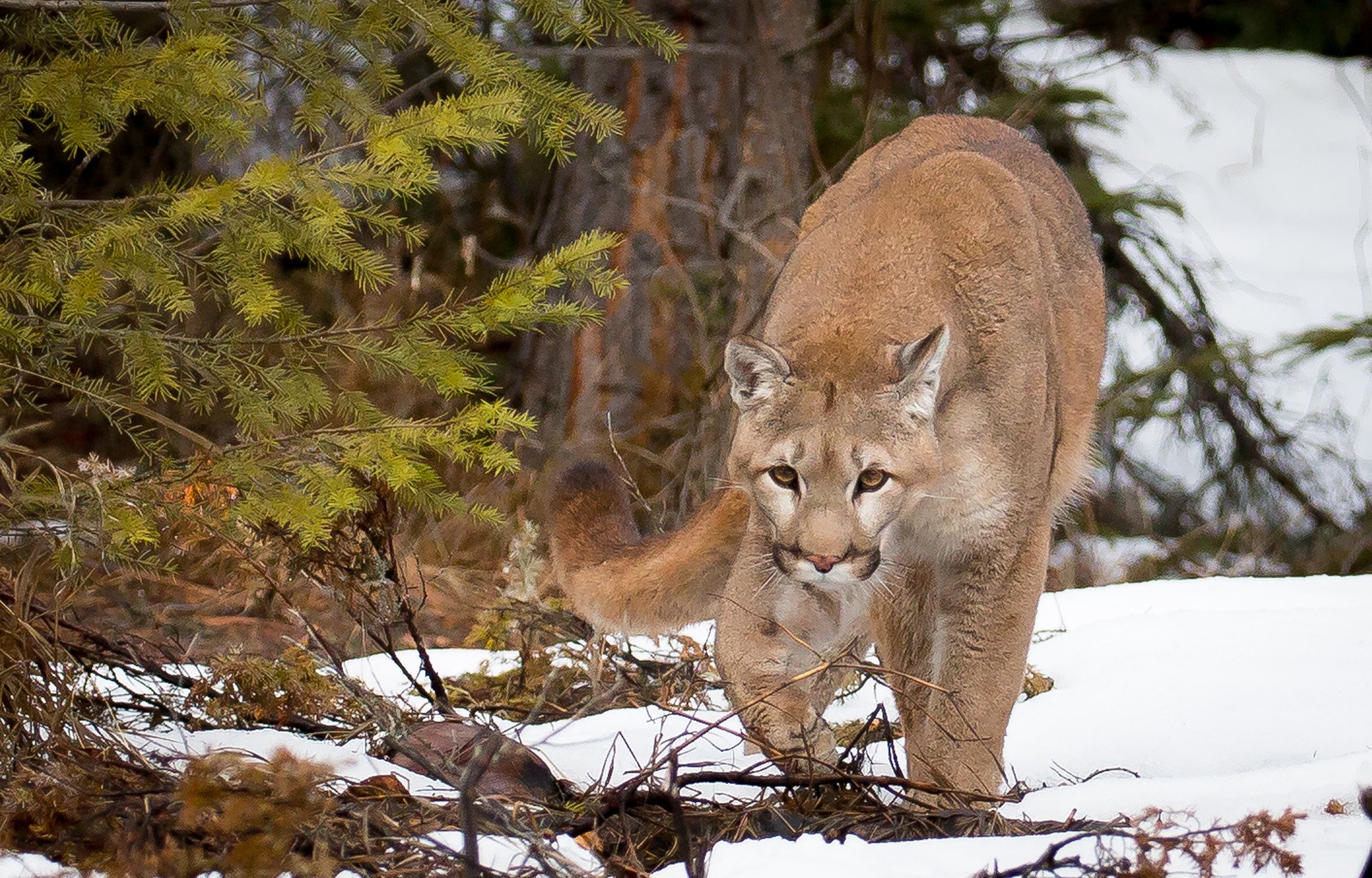
In Colorado, the ground campaign to promote Amendment 83 has fallen largely to veterans of Colorado’s recent wildlife-management battles. These include Proposition 114, which narrowly passed in 2020 and required CPW to reintroduce wolves to Colorado, and Proposition 127, the 2024 ballot question that would have banned hunting for mountain lions, bobcat, and lynx if it had passed.
One of those veterans of the Centennial State’s wildlife wars is Dan Gates, a lifelong trapper and executive director of Coloradans for Responsible Wildlife Management. Gates is also a former chairman of the board of the Colorado Wildlife Council, which was created after two devasting — at least for traditional hunters — ballot questions in the 1990s. The first closed the spring bear season and ended the use of bait and hounds to pursue black bears. The second banned the use of foot-hold traps in Colorado. Together, those ballot initiatives signaled changing times in a rapidly urbanizing Colorado.
The Wildlife Council was one response to these changes. The legislation that created it authorized a portion of sportsman’s license fees to educate Colorado’s non-hunting public about the access, habitat, and infrastructure funded by Colorado’s hunters and anglers. One of the council’s most successful media campaigns, Hug a Hunter, showed a blaze-orange-clad hunter receiving an unexpectedly warm hug from a hiker. Later campaigns promoted science-based wildlife management as the most durable approach to sustaining habitat and populations of both game and non-game species.
It’s that campaign that Washburn’s petition seeks to disable. In an interview, Washburn claims that the council’s work went beyond public education to electioneering. Citing research from the anti-hunting Center for Biological Diversity, Washburn claims the council actively campaigned against the lion-hunting initiative in 2024, using public funds to do voter research and polling, and enlisting personnel from CPW to encourage voters to oppose Proposition 127.
“Then, in a remarkable example of self-defeating candor, [the council] congratulated themselves on running a campaign to defeat Prop 127,” says Washburn. “It’s a little like Al Capone going on Facebook and boasting that he just robbed a bank.
“If you want to understand the problems with the council, look at the 1998 legislation that created it,” says Washburn. “It was created out of politics, in reaction to those 1990s-era ballot measures. Furthermore, the council’s 2022-25 strategic plan talks explicitly about protecting ballot measure votes on issues that have to do with wildlife management. This isn’t an education campaign. It’s a political campaign designed to achieve a political result.”
But Gates maintains that it’s become impossible to separate the political from the educational. He vehemently maintains the council’s work is not electioneering. Its role is to remind everyday Coloradans who hike, float, and walk their dogs that much of the state’s abundant wildlife, open spaces, and habitat was created, protected, and funded by the state’s hunters and anglers.
“The dominant message of the council has been what could be called ‘The Science of the Wild,’” says Gates. “It has promoted the need of science-based wildlife management as the best tool to maintain our wildlife resources in perpetuity. We’ve polled the public to confirm that’s a resonant message. Is that ‘electioneering’?”
Gates says the resonance of the council’s message is frightening to anti-hunters because it effectively reaches the majority of Coloradans: those who don’t actively hunt or fish but don’t oppose the activities.
“They have figured out that if they sit idle and let that message continue to be disseminated, then they will continue to lose at the polls,” says Gates. “The only way they can prevail is to shut the messaging down — that’s the Wildlife Council — and then turn around and go after individuals and organizations that are supportive of science-based wildlife management.”
Gates includes Washburn, the Center for Biological Diversity, and Colorado Hunters & Anglers for Sensible Wildlife Management as either anti-hunters or as “infiltrators” who claim to be hunters and anglers but who are opposed to traditional science-based wildlife management.
“These antis have studied our playbook, and now they’re working systematically to take the head off the hammer and the handle off the screwdriver,” says Gates. “It’ll be so that we still have our traditional tools, but we won’t be able to use them.”
To support that conclusion, Gates cites a demand in Washburn’s petition to CWP that would prohibit the council from doing any outreach that promotes the role of hunting in wildlife management fully six months before an election.
“That would mean we couldn’t have any outreach beyond April in election years,” notes Gates. “That’s electioneering, effectively silencing what has been a popular and effective public-education campaign that simply promotes the role of hunters in science-based wildlife management.”
Gates says Washburn’s petition is a first volley in an attempt to discredit and then defund the Wildlife Council.
“If they can shut up a statutorily mandated $3 million program because of a single citizen’s petition, then it will give [anti-hunters] the confidence to go after other pillars of the North American model of wildlife conservation,” says Gates. “And it will stop other states from adopting their own versions of our Wildlife Council.”
A Changing Demographic
Washburn chafes at the notion that he’s not a bona fide hunter or angler.
A founder of the Theodore Roosevelt Conservation Partnership, professional member of the Boone and Crockett Club, and avid hunter, he claims that A-83 would provide a constitutional basis to overturn voter-approved bans on trapping, wildlife contests, and bear hunting. Rather than bolstering support for traditional hunting practices, the constitutional amendment could make sportsmen and women pariahs in the public’s eye and invite further ballot initiatives.
None of the other states that have passed constitutional amendments protecting the ability to hunt and fish have had specific hunting methods outlawed by the voters, as Colorado has.
If A-83 now protects “traditional” methods of hunting and fishing, could those voter-approved amendments banning leg-hold traps, bear baiting, and wildlife killing contests be resurrected?
“We think the ethics of fair chase and the North American mode are things to be proud of,” says Washburn. “They’ve created a lot of support for hunting in Colorado, which is great. If this amendment passes and you suddenly enshrine all these ‘traditional’ methods in the constitution, you risk overturning bans that have been established over the past 40 years by Colorado’s citizens and the state wildlife commission.”
That end-run around voter-approved initiatives could inflame Colorado’s electoral majority, those voters who generally support hunting, says Washburn.
“Colorado’s society is becoming more urban,” notes Washburn. “If [A-83] passes, the public can rightly say ‘we put these restrictions in deliberately, and now they’re bringing back practices that we already rejected?’ To me, that’s a much bigger threat to hunting in Colorado than instituting a bag limit of two per day for furbearers.”
That point has been roundly refuted by the Colorado Wildlife Partnership Council, which notes that passage of A-83 would not bring back those voter-rejected practices. Sources stress it would take subsequent legal action to resurrect leg-hold traps or spring bear hunting, and there’s little judicial precedent for it.
But Washburn is further troubled by A-83’s language mandating hunting and angling as preferred methods of wildlife management.
“I’m a hunter. It’s a big part of my life,” he says. “But there’s a lot more to wildlife management than just hunting and fishing. The preferred method of managing beaver is not to hunt or trap them. It’s to conserve as many as we can if we want to hold more water on our landscapes. When it comes to bighorn sheep, preferred management may be disease research. With deer and elk, the preferred management may be understanding how to curb CWD.”
Ground Zero in Colorado
If Amendment 83 has languished under the weight of a combative congressional mid-term election and the sheer number of constitutional amendments on Colorado’s ballot, the hunting and angling industry has awakened to the risk it poses for traditional sporting methods.
Just this week, the Rocky Mountain Elk Foundation’s political action arm contributed $125,000 to support the ballot measure. Also this week, the sport-fishing community came out in support of the initiative, noting that angling has contributed $2 billion to Colorado’s recreation economy in 2022 alone.
The economic argument may sway Colorado’s non-hunting voters who can’t parse what they consider small differences between proponents and opponents of Amendment 83.
Read Next: Grizzlies Are Killing Far More Livestock in the Rockies Than Wolves
“The Colorado Wildlife Council actually anticipated this moment,” says Gates. “The council was intended to use a small fee from sportsmen to show a changing demographic in Colorado the benefits of hunting and fishing, to include the $7.5 billion industry that supports 25,000 jobs.”