
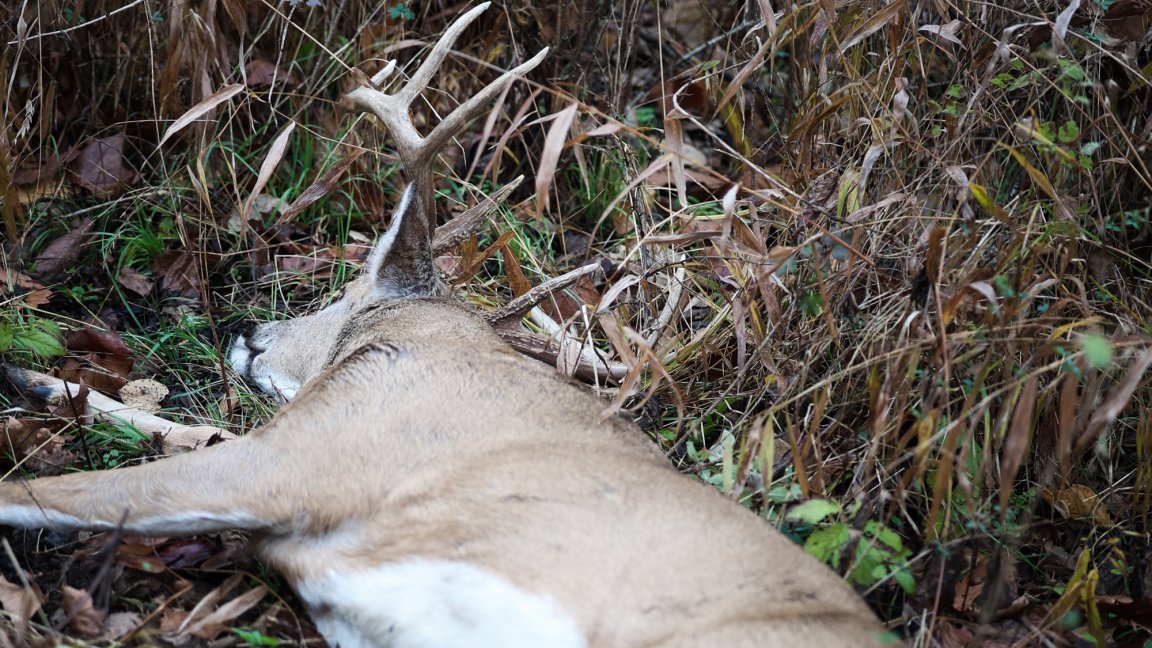
Virus-carrying midges are hampering deer season in South Dakota, where an outbreak of epizootic hemorrhagic disease has prompted South Dakota Game, Fish and Parks to issue deer license refunds.
Hunters can voluntarily turn in their South Dakota deer licenses for a full refund if they planned to pursue game in one of 16 counties along the Missouri River. The state also withdrew 62 unsold licenses. It had already closed nine southeastern counties to mentored, youth, and apprentice deer and switched statewide archery and muzzleloader licenses to buck-only for 2026.”
South Dakota’s EHD outbreak started in July and continued through an unusually warm September. Heavy rain left mud holes, which are hot spots for the biting midges that carry EHD. Whitetails often hang out in the same spots. There’s no cure for the bite-transferred virus, but a hard freeze would kill the midges and help stem the spread.
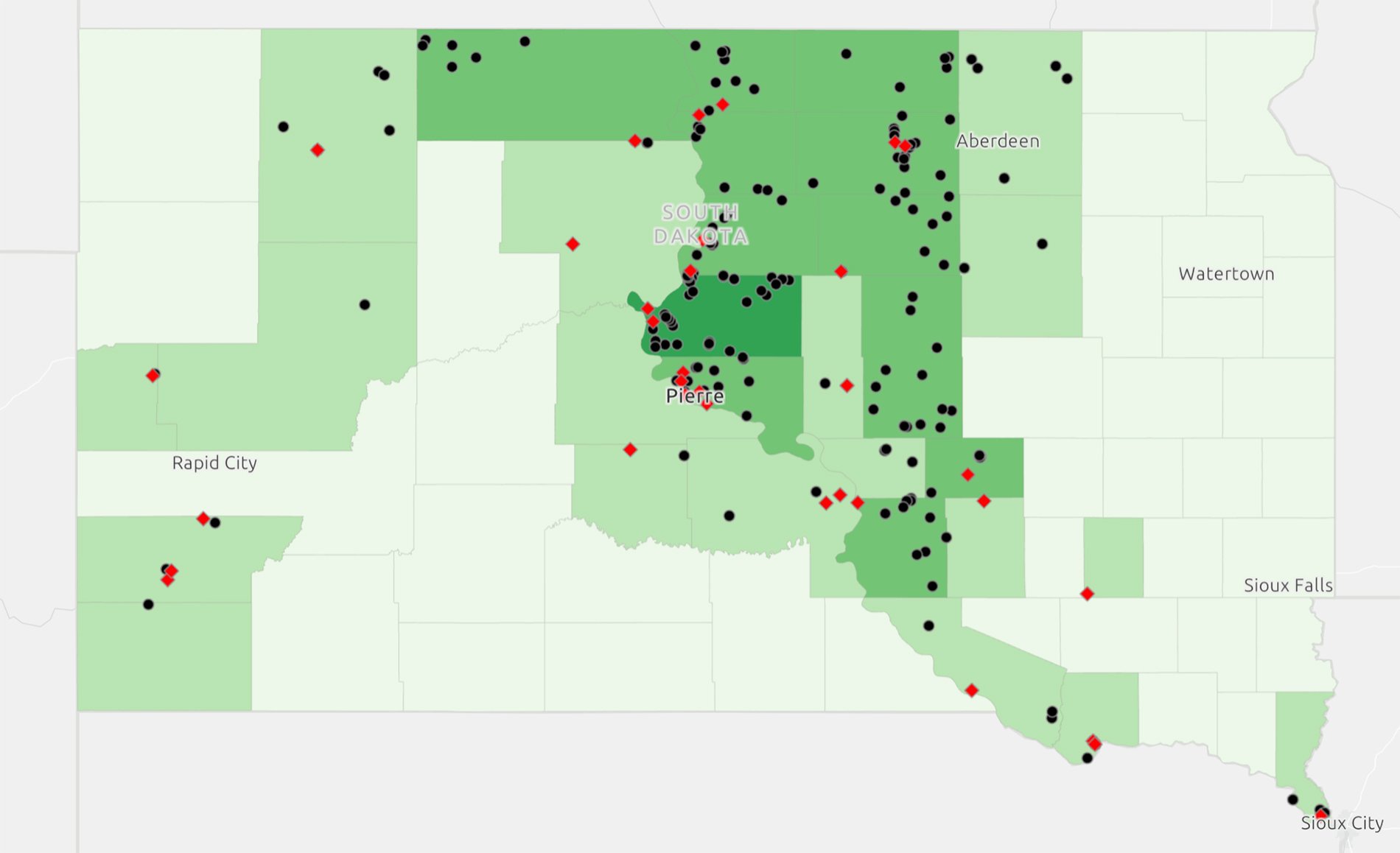
The state-wide count of deer reported dead from EHD climbed from 196 as of the commission’s September meeting to 407 in October; 31 of them have been lab-confirmed EHD deaths. This total is slightly higher than all the 2025 season.
“A lot of our reports have come from the month of October,” said South Dakota Game Fish and Parks senior wildlife biologist Byron Buckley, as reported by the South Dakota Searchlight. “That could be because we are seeing the disease a lot more or that there’s just a lot more people on the landscape.”
Wisconsin faces the same problem, but with increased mortality likely due to higher-density deer herds and less exposure to previous outbreaks. The state has logged roughly 2,300 reports of sick or dead deer with signs of EHD this fall, with 1,300 of those in Washington County alone. A map showing case locations concentrates the outbreak in the southeastern portion of the state.
Farther west, Wyoming biologists are monitoring an EHD outbreak, too. They’re also following bluetongue, a closely-related midge-borne virus that can kill deer and is especially hard on domestic sheep. Whitetail deer and pronghorn in the Casper and Glenrock areas of the state have several EHD cases.
EHD is not contagious between animals and affects only ungulates. People and pets can’t contract it. Wild game — including deer, elk, pronghorn, and bighorn sheep — infected with EHD usually spike a fever within seven days of being bitten. The biters, smaller than mosquitoes, are known as biting midges or no-see-ums. When the midges transfer the virus to mammals, the fever isn’t necessarily obvious, but other symptoms can be.
Sick animals can suffer from swollen heads and necks. They may also become weak and lose their fear of humans. That’s what hunters are seeing now. Infected deer usually seek water, and are frequently found dead near seeps, ponds, creeks, and other bodies of water.
“We’ve seen a lot of deaths along the river,” Janet Milek, Wyoming Game and Fish Casper Region public information specialist told Your Wyoming Link. “We’ve had a lot of reports from fishing guides and agricultural water users.”
Read Next: Cow Manure from Serial Polluter Blamed for Killing 11,000 Bass, Trout in Iconic Maryland Stream
Fortunately, EHD isn’t 100 percent fatal and most affected animals, some of which will not show symptoms, recover. Acute infections can cause death within 24 to 36 hours, according to Wyoming Game and Fish.