
Key Takeaways
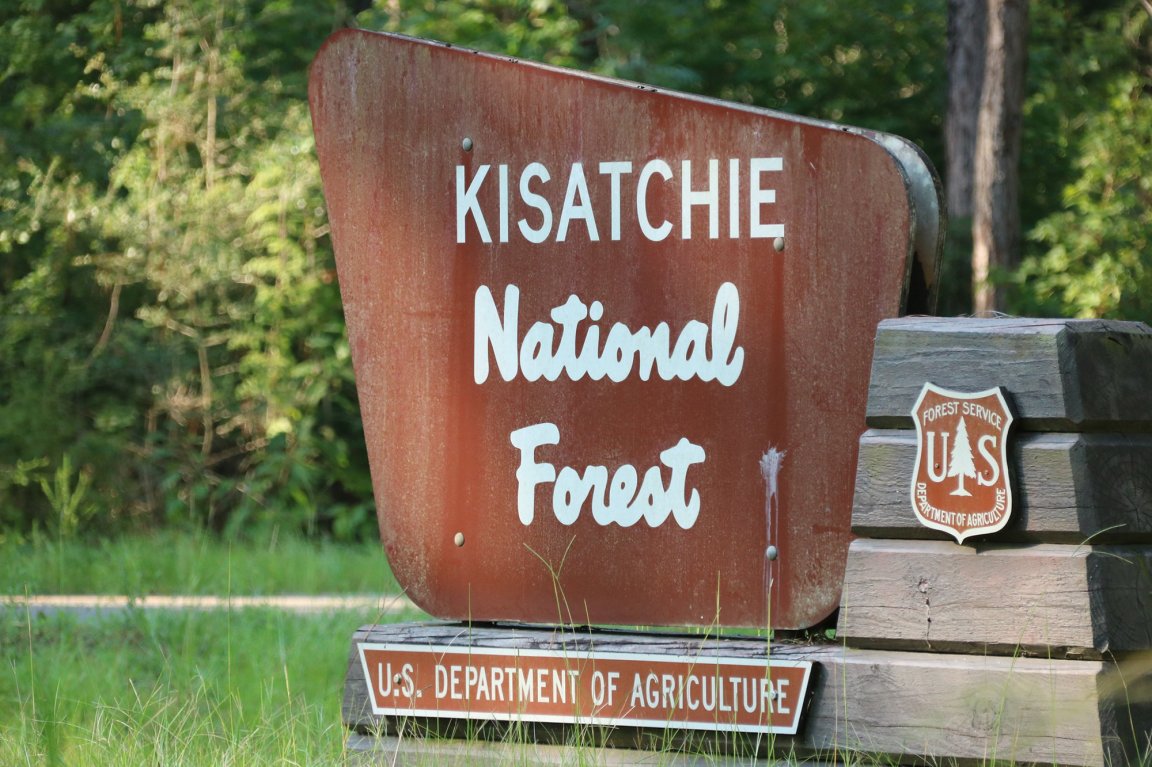
- Controversial land transfer proposal. A draft bill seeks to transfer 140,000 acres of Kisatchie National Forest to Grant Parish, sparking local outrage.
- Lack of consultation fuels anger. Most residents and conservation stakeholders say they were not consulted, leading to confusion and opposition.
- Local government opposes the bill. The Grant Parish Police Jury voted unanimously against the proposal.
- Concerns over public land management. Critics fear the transfer could lead to privatization and loss of public access.
Bottom line: A proposed bill to transfer a significant portion of Louisiana's Kisatchie National Forest to local control has ignited fierce opposition, with concerns over public land management and lack of transparency.
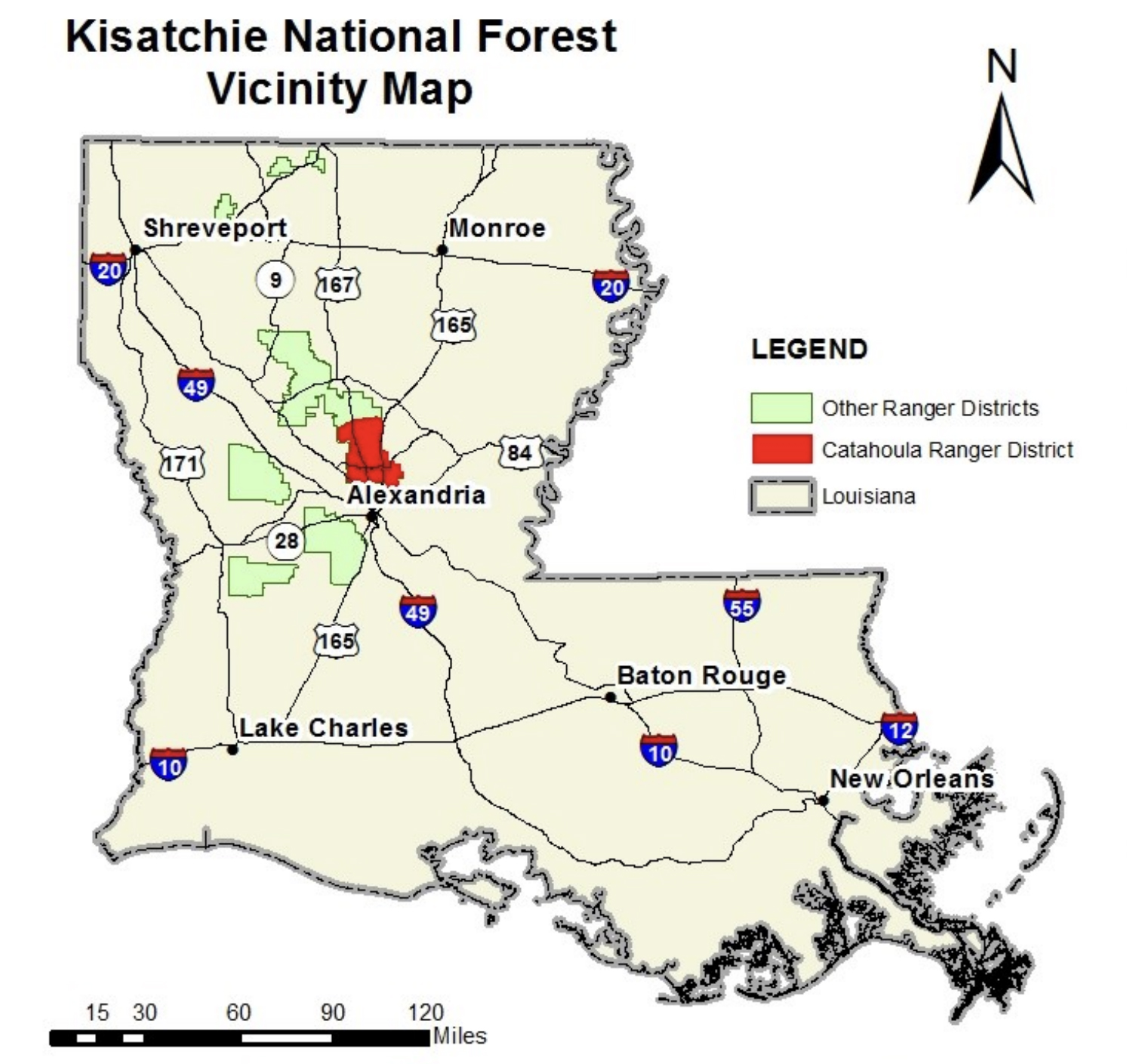
A draft bill attributed to a Louisiana senator’s office seeks to convey roughly 140,000 acres of the Kisatchie National Forest to the local government of Grant Parish in central Louisiana. That represents nearly a quarter, or about 23 percent, of the state’s only National Forest land.
The office of Sen. Bill Cassidy (R-LA) is facilitating the draft bill.
“When you look at the percent of their land, which is controlled by the federal government, you can understand the point that, that slows their economic development,” Cassidy told local news outlet KALB. “At this point, we’re still working on it, but I am committed to bringing economic development to Grant Parish.”
The Kisatchie National Forest already provides economic and environmental benefits to the seven parishes it spans, including 880 total jobs to Louisiana and contributed a total GDP of $71 million to the local economy, according to the latest available U.S. Forest Service data. About $1.6 million from the Kisatchie was paid back to the state and parishes in 2019, and total spending by visitors to the Kisatchie National Forest is about $8 million annually, as of 2018. Cassidy’s office did not respond to a request for comment from Outdoor Life.
Almost all the stakeholders who attended a local meeting in Grant Parish on Thursday say neither Cassidy nor other proponents of transferring Kisatchie consulted them on the proposed legislation. They expressed confusion and anger about its origin, as many residents only learned about it in recent weeks.
The lone resident at the meeting who offered his support for the land transfer, Chuck Carpenter, told OL he was the “lead collaborative author on the bill.” Carpenter says he approached Sen. Cassidy about drafting the legislation and has been working on the bill for the better part of a year. (The formal title of the draft bill is named for Carpenter’s late mother and grandfather.)
The federal land transfer is necessary, Carpenter says — among other arguments — because Grant Parish cannot collect property taxes on the Kisatchie. The portion of the national forest in question takes up about 34 percent of the parish.
Transferring the Kisatchie National Forest is not the answer, says Louisiana Wildlife Federation executive director Rebecca Triche. It puts a beloved piece of public ground and wildlife habitat at risk for an uncertain outcome.
“The parish may have a problem with revenue, but this is not the solution to those problems. We’re just giving away the people’s assets, to what outcome or benefit? It’s not known,” Triche said last week. “And no one [official] wants to say anything, that’s why you know something’s weird here. If it’s such a great idea, who else can be forthcoming with information?”
Staunch Opposition and an Uncertain Future
The draft legislation spans 12 complex pages and details the particulars of the public land transfer, which also includes transferring a federal prison adjacent to the Kisatchie. Both the national forest lands and the prison would be conveyed — not sold — to the Grant Parish School Board and the Grant Parish Police Jury, which is a local governing body similar to a town council.
“The Grant Parish School Board and Grant Parish Police Jury shall use the land conveyed … for public purposes, including forestry, conservation, recreation, community development, economic development, or energy generation,” reads a portion of the draft bill.
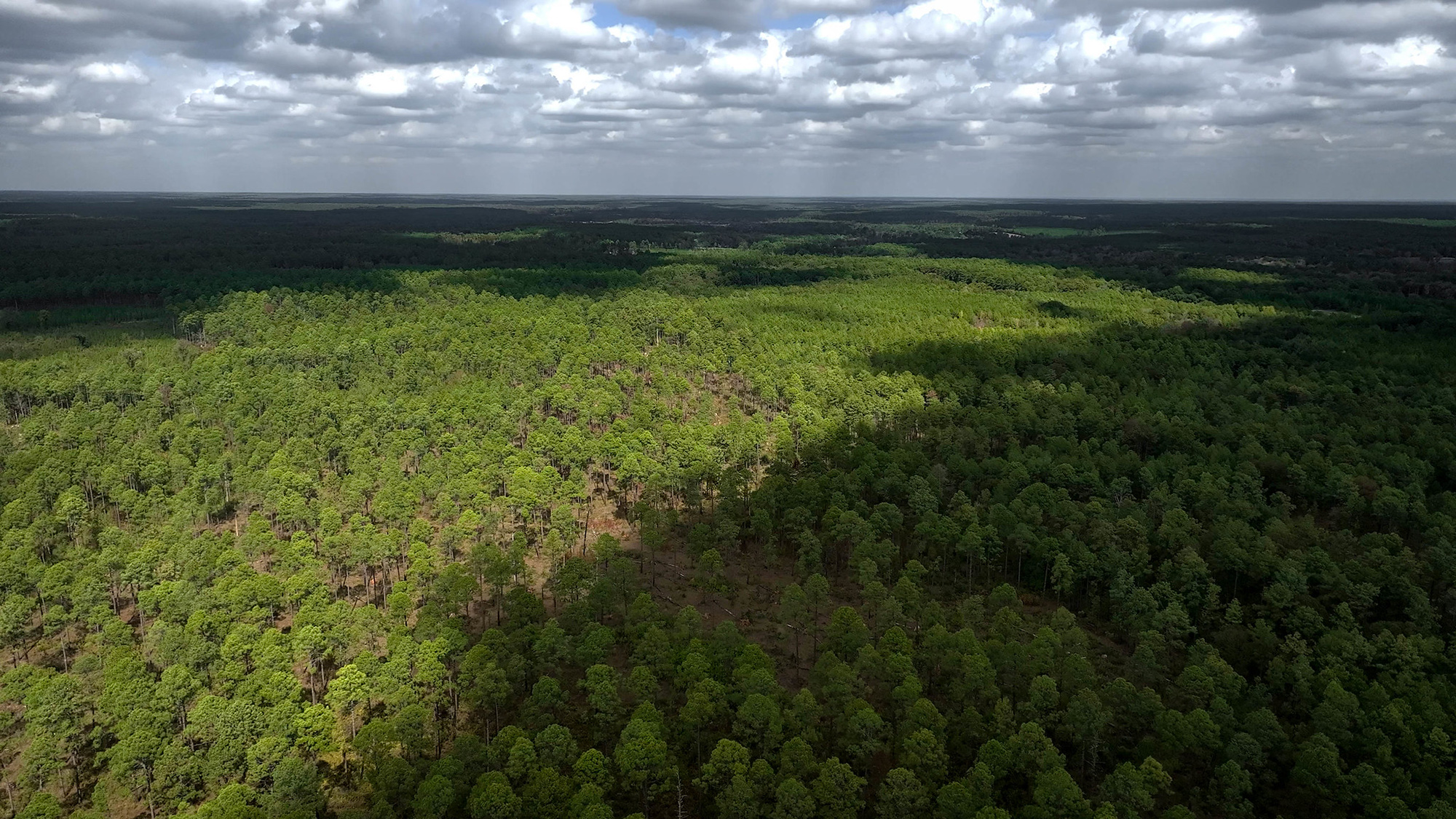
It does not specify public access or multiple use as a requirement of the transfer. The Kisatchie is longleaf pine habitat that is home to whitetails, turkeys, small game, and other native species. It also provides camping, off-roading, hiking, and biking.
That open-ended future about what precisely would happen after the Kisatchie transfer is a major concern, says Triche. The requirement that the federal prison in Pollock be transferred to a “private investor” who must then lease back the property makes her concerned for a similar fate for Kisatchie under local ownership.
While the local school board has not yet commented publicly on the land transfer, the Grant Parish Police Jury was unequivocal in its opposition to it, voting unanimously at a local meeting on Thursday to oppose it in its current form. The vote came after a heated exchange between a juror and Carpenter at the meeting.
“I think this is something that started out with very good intention that would have been a great help to our parish, and I believe it grew into something that is not feasible and does not make us good stewards of the forest,” said another juror, Jennifer Futrell, deescalating the conversation ahead of Thursday’s vote. “I could not imagine we could ever take it over and ensure it was taken care of the way it was intended to be.”
“This really upset people. The forest is for everybody.”
It also concluded weeks of criticism of the Police Jury; because it was named as one recipient of the Kisatchie transfer, many locals seemed to believe it was behind the transfer. The Police Jury made it clear it does not support the proposal.
While the Police Jury’s vote doesn’t have any legal bearing on a potential act of Congress, it signaled the emphatic local opposition to the draft bill and the fight to come if the proposed legislation is introduced.
“This really upset people. The forest is for everybody,” says Dan DeWitt, a lifelong hunter and resident of Grant Parish. He’s particularly concerned about how parish school boards already manage public land in the state. “The Section 16 land in Louisiana is … controlled by the school board in each parish. A heavy majority of the school boards cut all the timber but lease the land, so it’s public land that only a few people can use. Grant Parish is one of those parishes.”
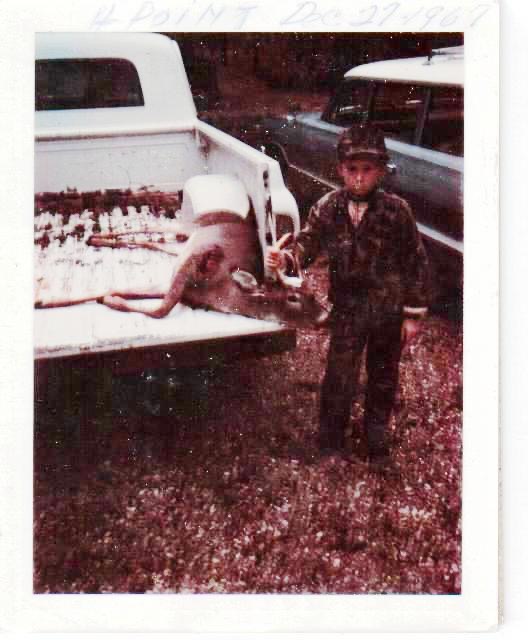
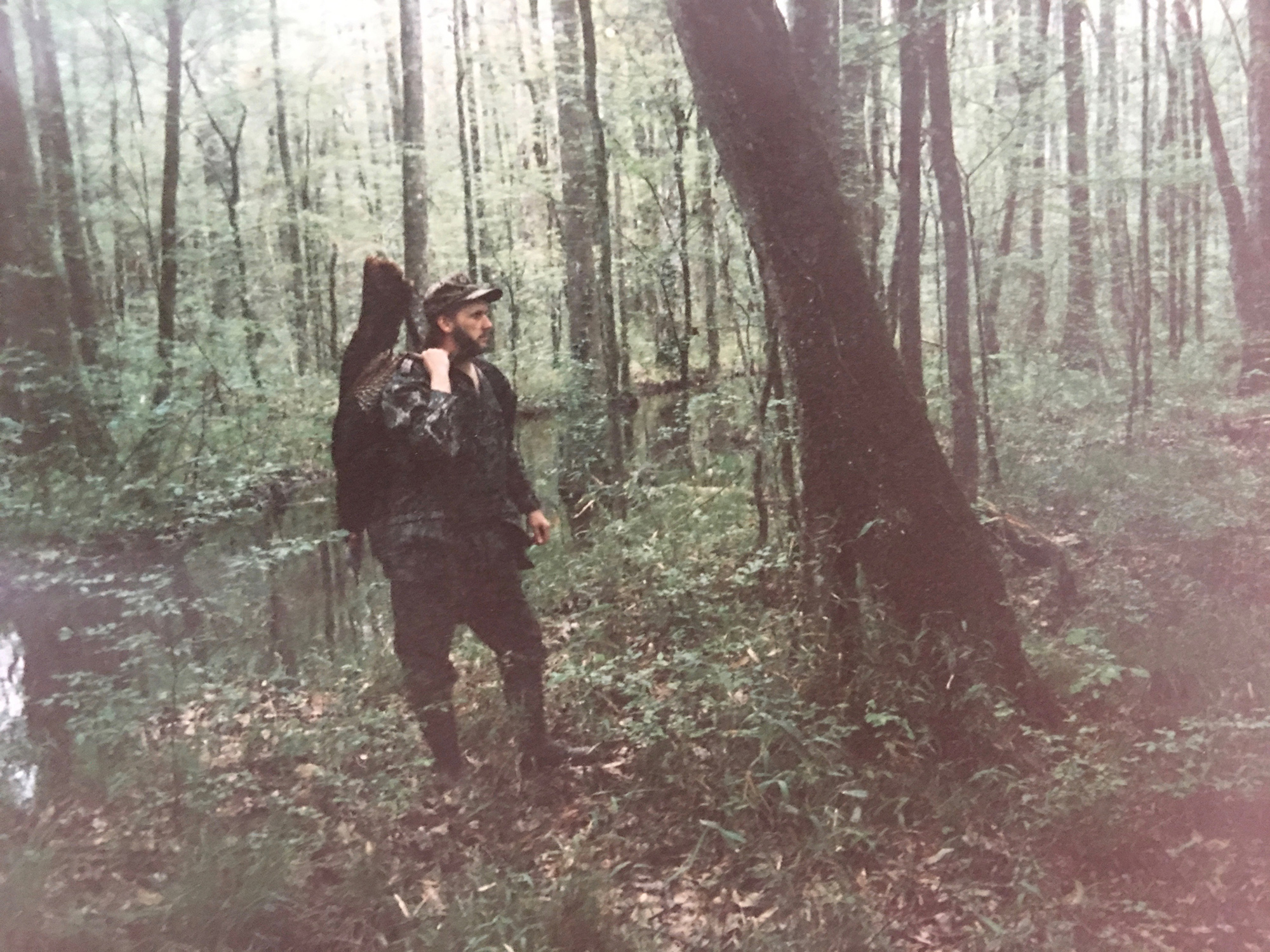
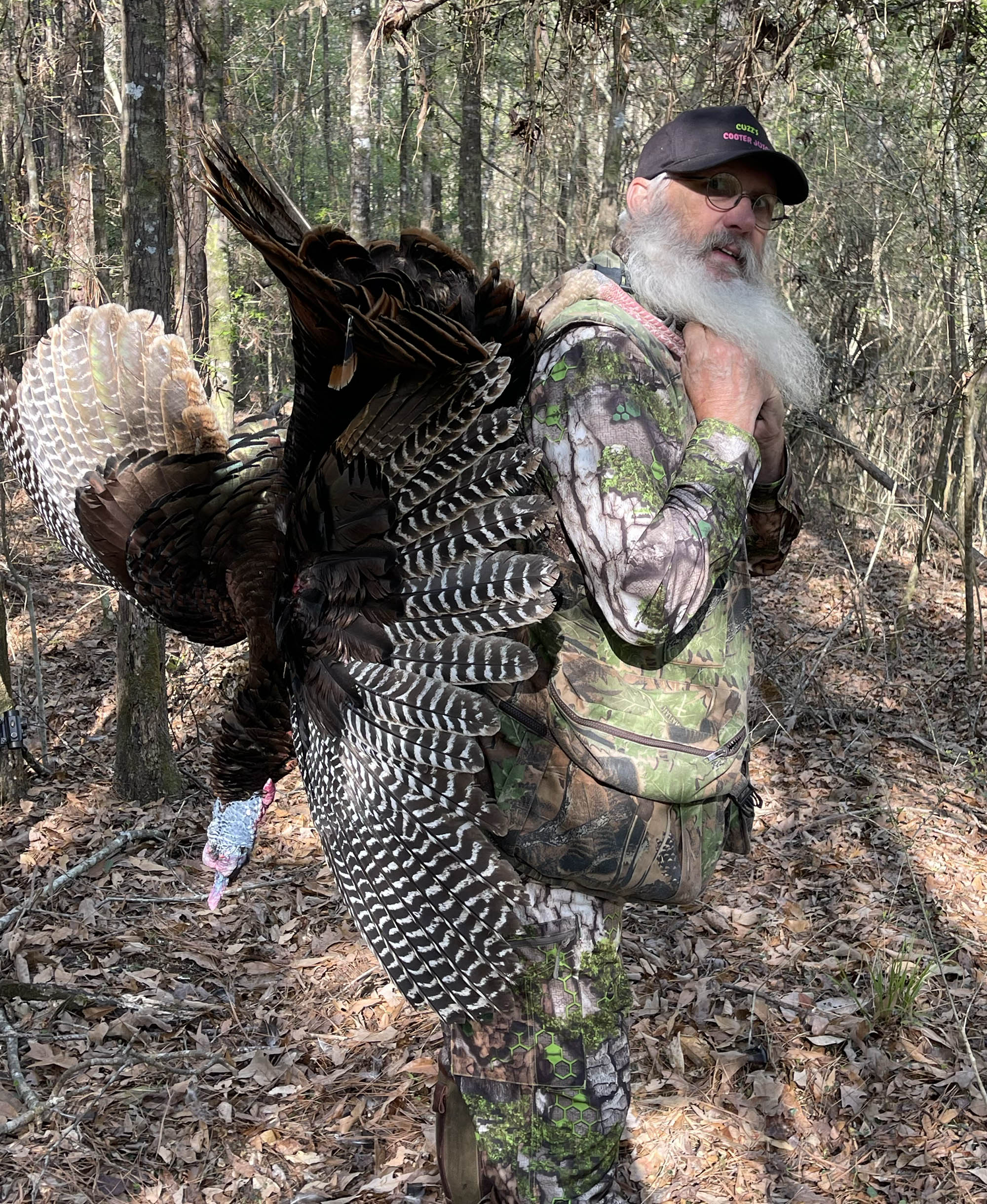
DeWitt’s property and his mother’s property adjoin the Kisatchie, where he killed his first deer as a kid. The 66-year-old outfitted and guided seasonally across the country for 45 years, and can attest to how special the national forest is in his own backyard.
Others who spoke out against the bill Thursday included delegations from the Louisiana Wildlife Federation and the Jena Band of Choctaw Indians. Chief Libby Rogers noted Thursday that she was “very disheartened” that the tribe had not been consulted on the potential conveyance of lands they use.
“Over the last two years we have had agreements with the Kisatchie National Forest, whether that is to give employment, training, or cultural resources, [we’ve been restoring] rivercane … which is precious to our people,” said Rogers, whose tribe is one of dozens of groups that has stewardship agreements with the Kisatchie. “And as you know, Native Americans and land is a sticky situation, so … you just may have a battle on your hands if this continues.”
One Man’s Case for Transferring the Kisatchie
Carpenter called the draft bill “our baby,” referencing some community members who he said helped contribute ideas on Facebook about how to bring money back to Grant Parish.
Although Carpenter pointed to declining pulpwood values as a reason to transfer the Kisatchie, he also foresees “millions of dollars in timber sales that are [currently] going to support the federal treasury being directed back home.” Carpenter says he also pitched the superintendent of the Grant Parish School Board on installing a solar farm on the Kisatchie to sell power to the prison and use the profits to fund the schools.
“…In light of the nation’s fiscal challenges in the future, it’s going to need a new approach,” says Carpenter, who insists he’s not seeking to privatize the forest but “localize” it. “This whole legislation, at its core, is to make Grant Parish a one-off [policy] laboratory. The solution to all our problems is becoming a national laboratory for the future.”
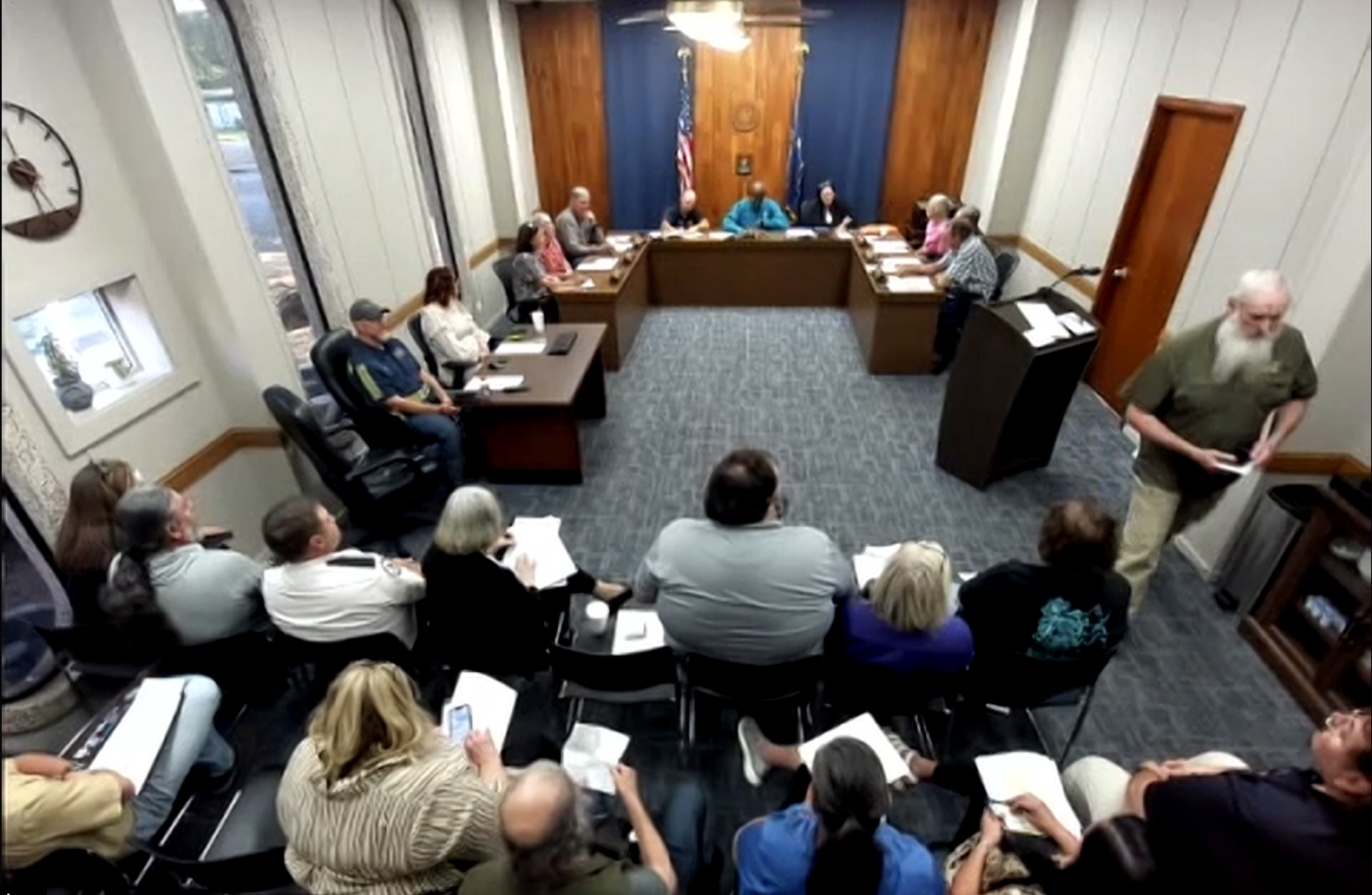
Carpenter, who says he has a masters in taxation and worked for the Louisiana state senate as a sergeant at arms in college, adds that the Kisatchie “suppresses our parish’s population density and the distances people drive for groceries and and jobs.” In other words, he says, the Grant Parish’s “poverty thresholds should be lower” and the Kisatchie is currently preventing that.
The prison transfer is named in the same bill as the Kisatchie transfer because, according to Carpenter, the nearly 3,000 inmates are skewing the population and poverty statistics Grant Parish needs to get federal tax credits.
“They’re talking about how the prison [artificially] raises our standard of living and all this? They want us to go back to a total poverty parish so we can start getting grants for a food desert,” DeWitt says. “I grew up here and I ain’t never seen a food desert in Grant Parish because we lived off the land. We shot squirrels, we shot deer. So all these modern-day terms that they’re coming up with to get money is absolutely absurd. It looks like they want us to go down in value so we get all these [federal] grants.”
“There are other solutions to being a supportive partner and community member other than just giving away federal assets. And it’s the people’s assets, it’s not just the parish where the forest is — it’s the people’s.”
Carpenter also claims the U.S. Forest Service is not equipped to manage the Kisatchie amid ongoing staffing shortages and restructuring concerns. He notes that the USFS Pineville Research Station is slated for closure amid this year’s massive USFS restructure this year. The Pineville station is housed in the Kisatchie National Forest headquarters.The future of the federal government, he says, is too uncertain.
Those who oppose the Grant Parish Restoration Act say the same about their local government.
“There’s just so much unknown,” says DeWitt. “We’ve got good people in the parish right now, but we don’t know who’s going to be elected in the next six or eight years, or who knows what kind of crazies might be elected.”
One of the longstanding arguments against dismantling key public land agencies like the U.S. Forest Service and the Bureau of Land Management is it allows state and local governments to make more compelling cases in favor of transferring federal lands to their management. And, inevitably, local and state governments do not have the same funding and resources as the federal government to manage federal lands — and therefore have a history of selling them into private ownership.
The Kisatchie National Forest spans some 604,000 noncontiguous acres across seven parishes in central and north-central Louisiana. It represents about 45 percent of all federal land in the state; the rest is primarily owned and managed by the U.S. Fish and Wildlife Service and the Department of Defense.
“We don’t have a lot of public land here. We’re the opposite of Western states, we don’t have enough really for people to access, and for people to know wildlife has adequate, sustainable, crucial habitat to survive and thrive. We can’t be giving that away,” says LWF’s Triche, adding that she also doesn’t endorse land transfer in the West either. “There are other solutions to being a supportive partner and community member other than just giving away federal assets. And it’s the people’s assets, it’s not just the parish where the forest is — it’s the people’s. It’s everyone’s asset you would convey.”
Editor’s note: This story was updated at 12:43 CST at Carpenter’s request to clarify he had intended to refer to the Kisatchie as a “policy laboratory.” He never suggested it would be used as a literal laboratory.