
A controversial bill aimed at speeding up infrastructure projects on public lands passed the U.S. Senate Thursday night and now heads to the House.
The Senate declined to vote on a flurry of last-minute amendments to the nearly 500-page text of the Bipartisan American Affordability and Jobs Act — including one that would have banned data centers on public land, before voting for the third time late Thursday night. Support in the Senate eroded over the series of votes, from 73-25 on the first vote Nov. 9 to a final vote of 62-33. A bill requires a simple majority of 51 votes in the Senate to pass.
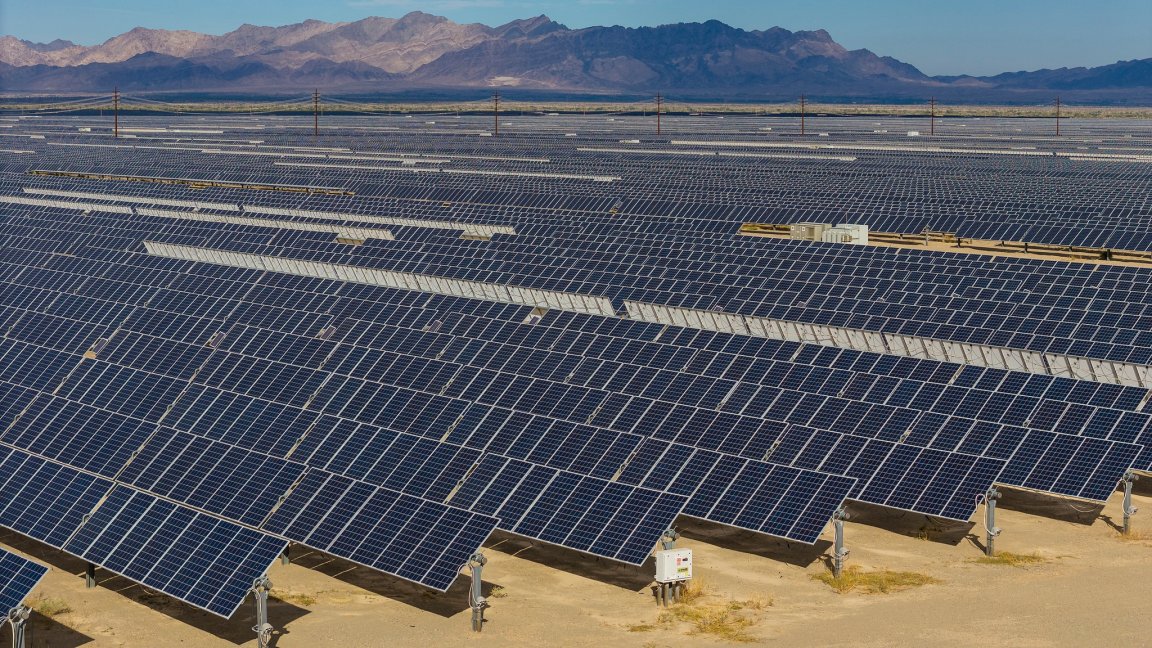
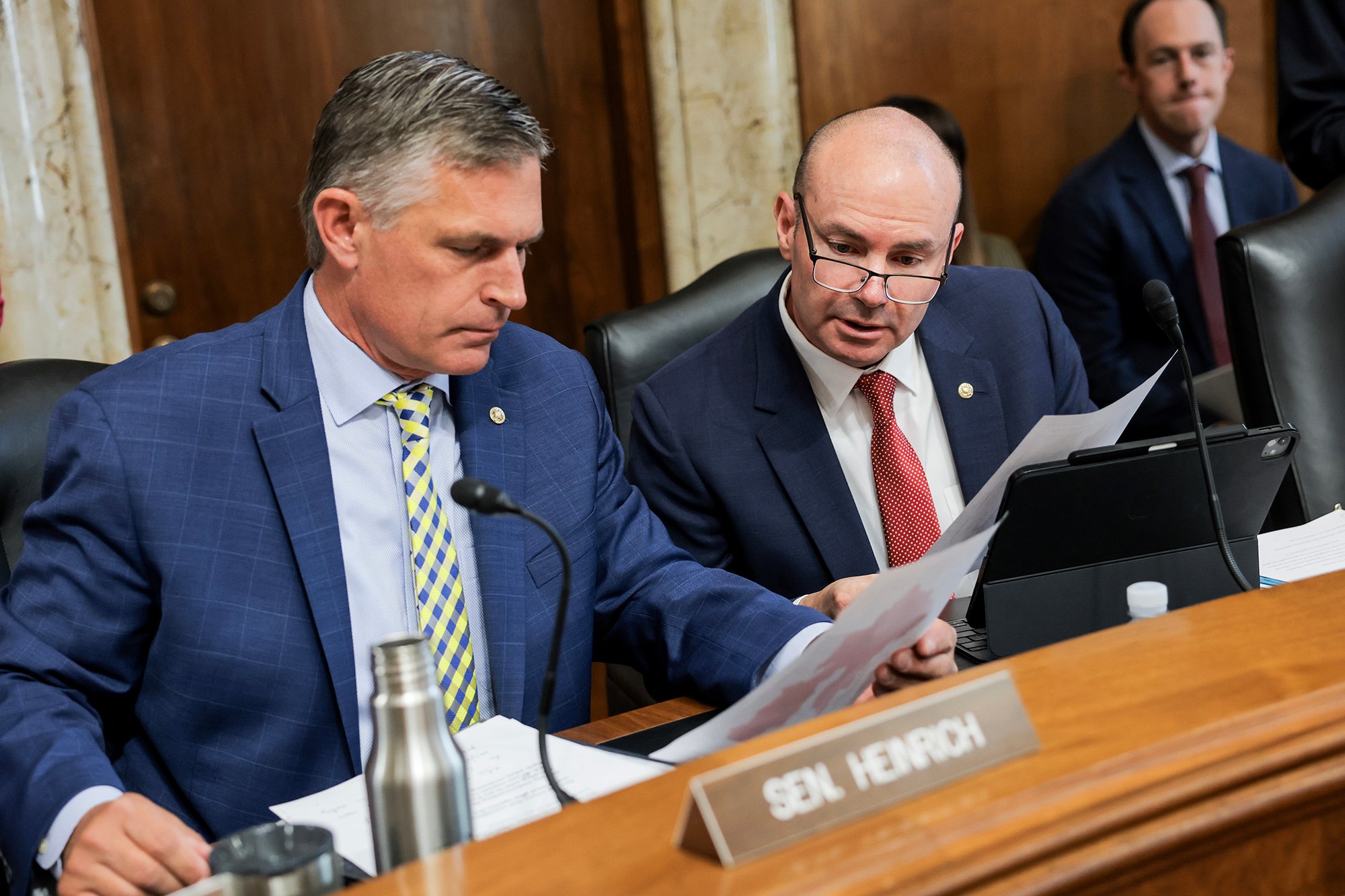
BAAJA is co-sponsored by Sen. Martin Heinrich, a Democrat from New Mexico often considered a conservation champion, and Sen. Mike Lee, the Utah Republican and architect of recent attempts to sell public land. Heinrich says BAAJA cuts red tape and will speed up renewable energy projects to help fight climate change, increase jobs, and bring down energy costs for average Americans.
Conservation advocates, however, fear it will also lock in projects many sportsmen and women have spent years fighting, like a copper-sulfide mine by the Boundary Waters Canoe Area Wilderness or the Pebble Mine in Alaska’s Bristol Bay. It also may well open the door for massive data centers on public land, something most of the conservation and sporting community resoundingly oppose.
“I understand this is a big, bipartisan bill — it has some things in it I would rather it not have. But I negotiated the deal based on what was actually possible to get signed into law,” Heinrich wrote in an email to Outdoor Life earlier this week.
BAAJA proponents say it increases project certainty. Right now, one administration can reverse or cancel permits approved by a prior administration. But by limiting the back and forth between administrations the bill also drastically changes how much oversight a project can receive, even under foundational laws like the Endangered Species Act, Clean Water Act and National Historic Preservation Act. The bill will also limit public input into projects and judicial overview.
Many of the nation’s tribes have forcefully spoken out against the bill saying it severely curtails tribal input.
“Overall, the bill, by weakening these bedrock laws, would make it far easier to fast-track AI data centers as well as fossil fuel, mining, and other extractive infrastructure. Once these projects are approved, they would be difficult to unwind,” according to the Western Environmental Law Center. “BAAJA would cause grave, generational harm to the West’s public lands, waters and wildlife, and communities.”
Even conservation groups who support portions of the bill question how fast such a massive piece of legislation is moving through Congress. This is the first major permitting reform bill in decades and was introduced Sept. 30.
The bill now heads to the House. If representatives make any changes to the Senate version, the Senate must vote again on the bill before it heads to President Trump’s desk for his signature. The president has said he supports the bill.