
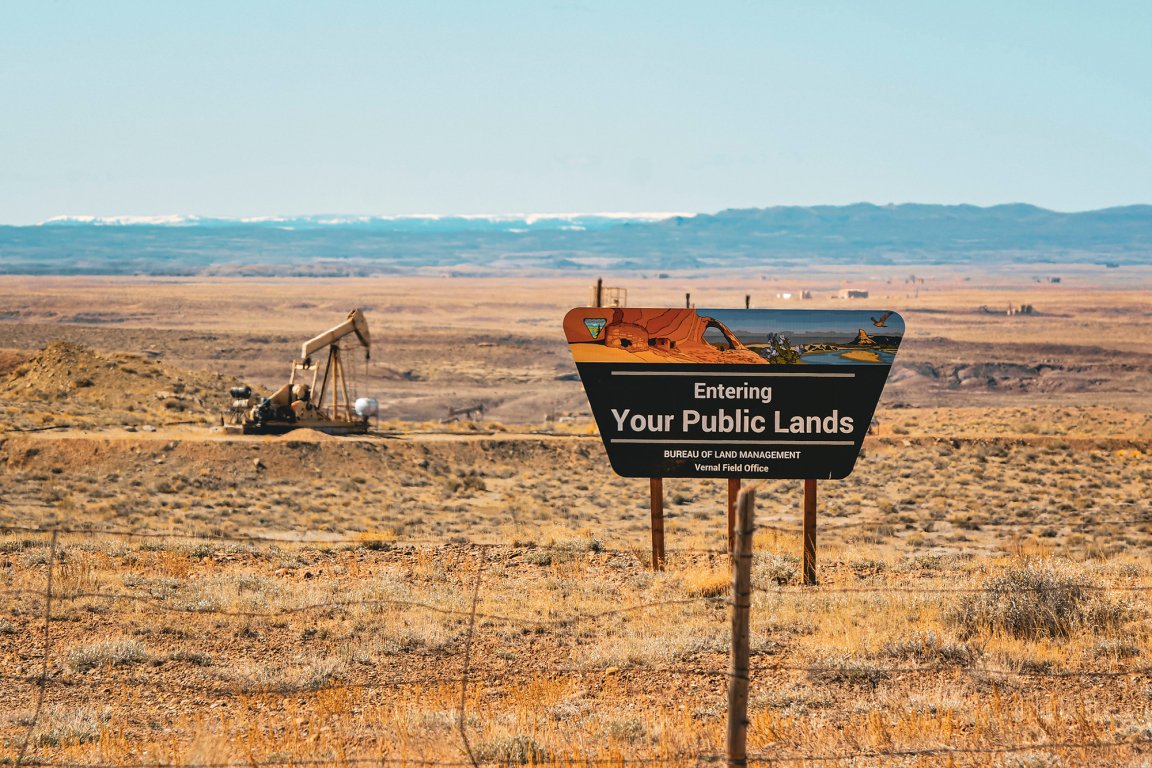
The U.S. Senate plans to vote this week on a bill aimed at easing America’s affordability crisis and fighting climate change that hunting and fishing groups worry will also erode many of the nation’s bedrock conservation laws.
The complex and winding 400-page Bipartisan American Affordability and Jobs Act focuses on lowering energy costs, something both Republicans and Democrats have championed and and that helped drive Democratic gains in the midterm elections. BAAJA also, however, ties jobs and household bills with curtailing public-lands protections. And in a twist that’s perplexing many conservation groups, the bill is co-sponsored by Sens. Martin Heinrich (D-N.M.) and Mike Lee (R-Utah), two lawmakers known for being on nearly opposite ends of the public-lands spectrum.
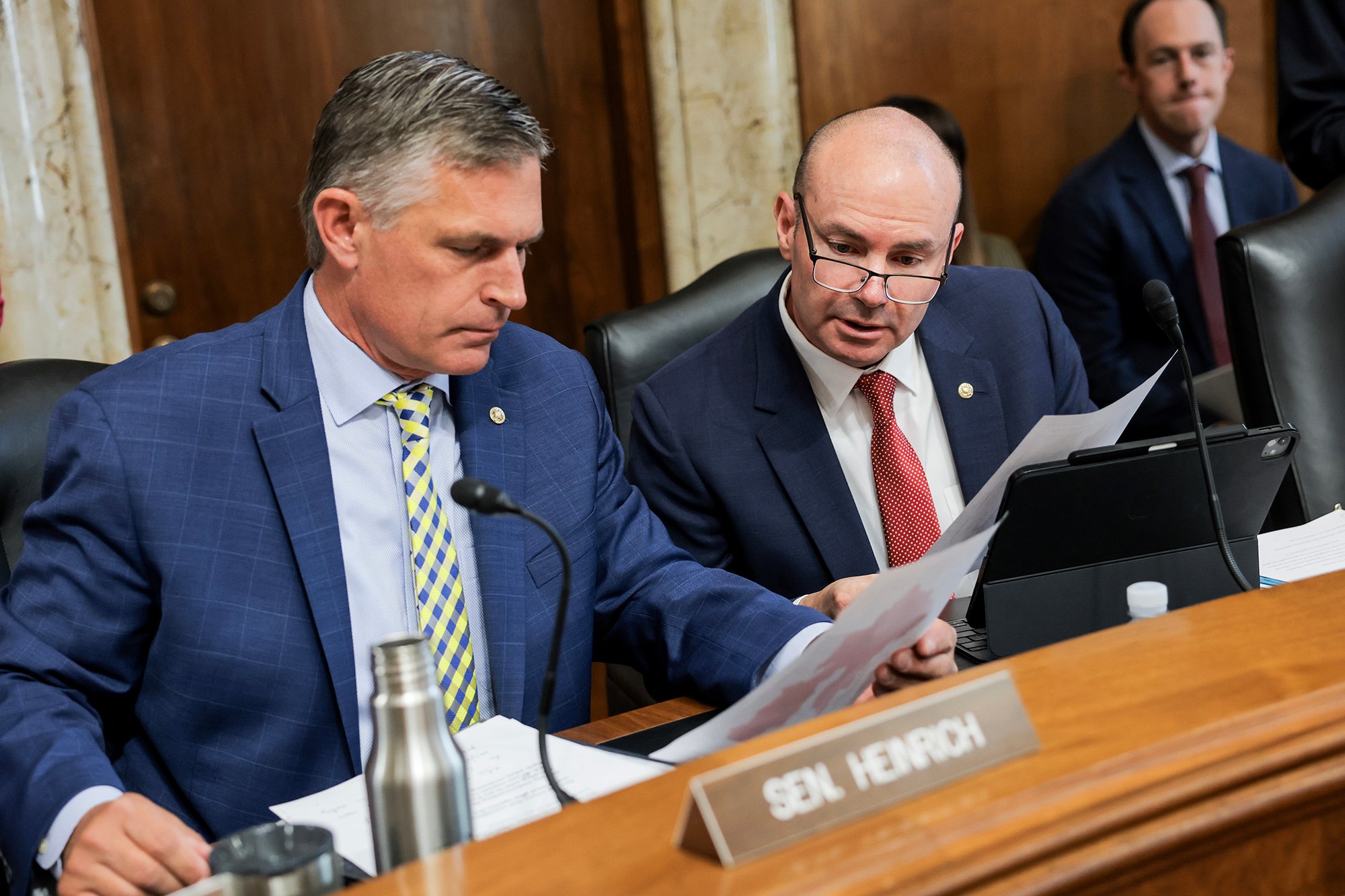
BAAJA is largely focused on permitting reform, something the country hasn’t tackled in decades, according to the Bipartisan Policy Center. In practice, the legislation would raise the standard for whether projects approved by one administration can be revoked by a future administration.
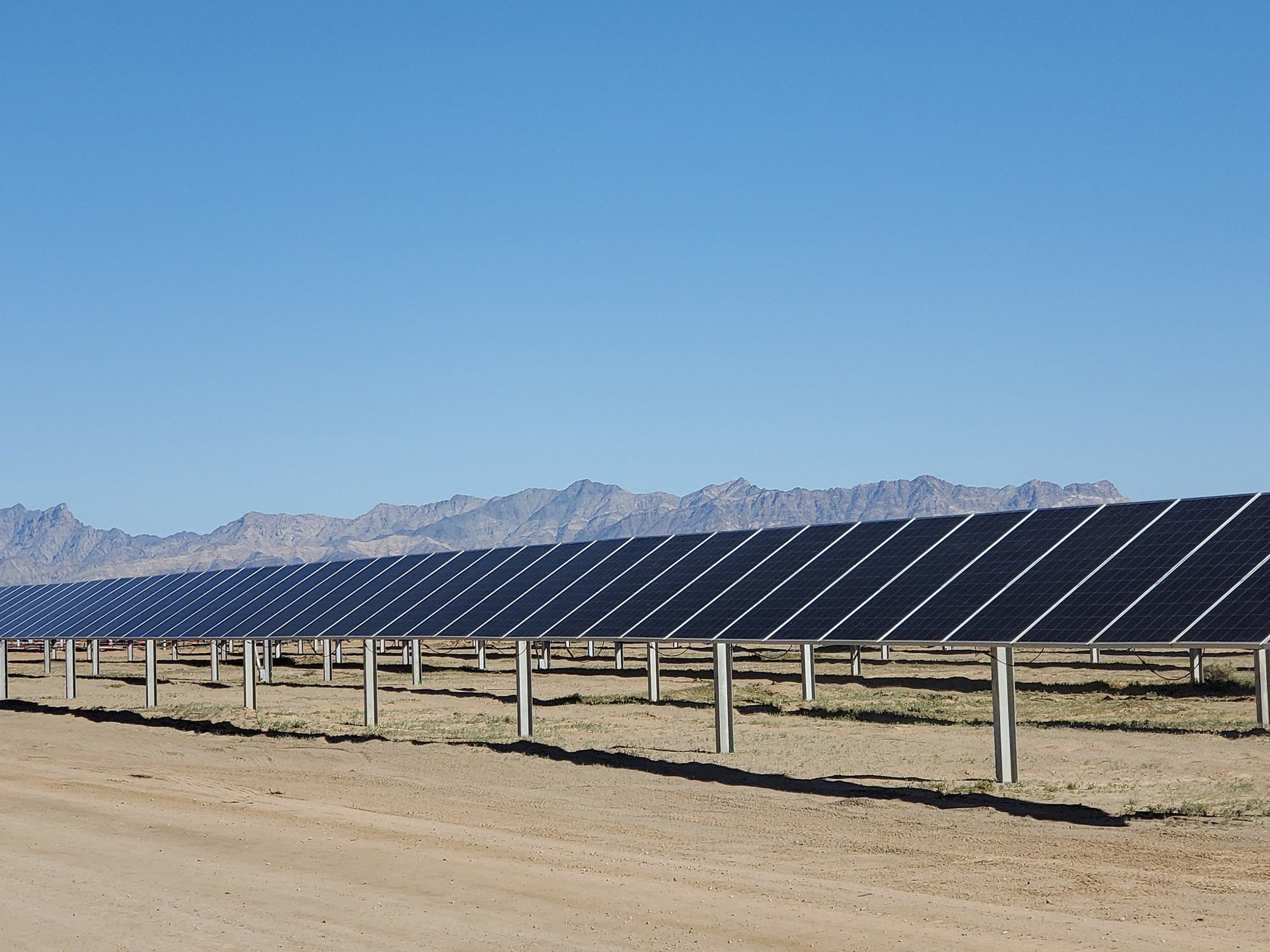
That means an industrial solar project permitted by one president, for example, could not be stymied by a future president intent on preventing renewables. It also speeds up permitting processes and cuts red tape for everything from energy projects to landscape-scale changes like prescribed fire.
But sportsmen and conservationists say the bill would not just expedite climate or environmentally friendly projects. BAAJA would also make it much harder — or potentially impossible — for an administration to overturn leases or approvals for projects as controversial as hyperscale data centers on public lands or mines in the same watersheds as sensitive wilderness areas. It’s a bill that prioritizes development, many observers say, at the cost of the very “red tape” that has been responsible for conserving many of the country’s most priceless fish, wildlife, and wild places.
“I understand this is a big, bipartisan bill — it has some things in it I would rather it not have. But I negotiated the deal based on what was actually possible to get signed into law,” Heinrich wrote in an email to Outdoor Life. “Because when I say climate change is an existential threat, I mean it. And I will not let an opportunity to do something about it pass by.”
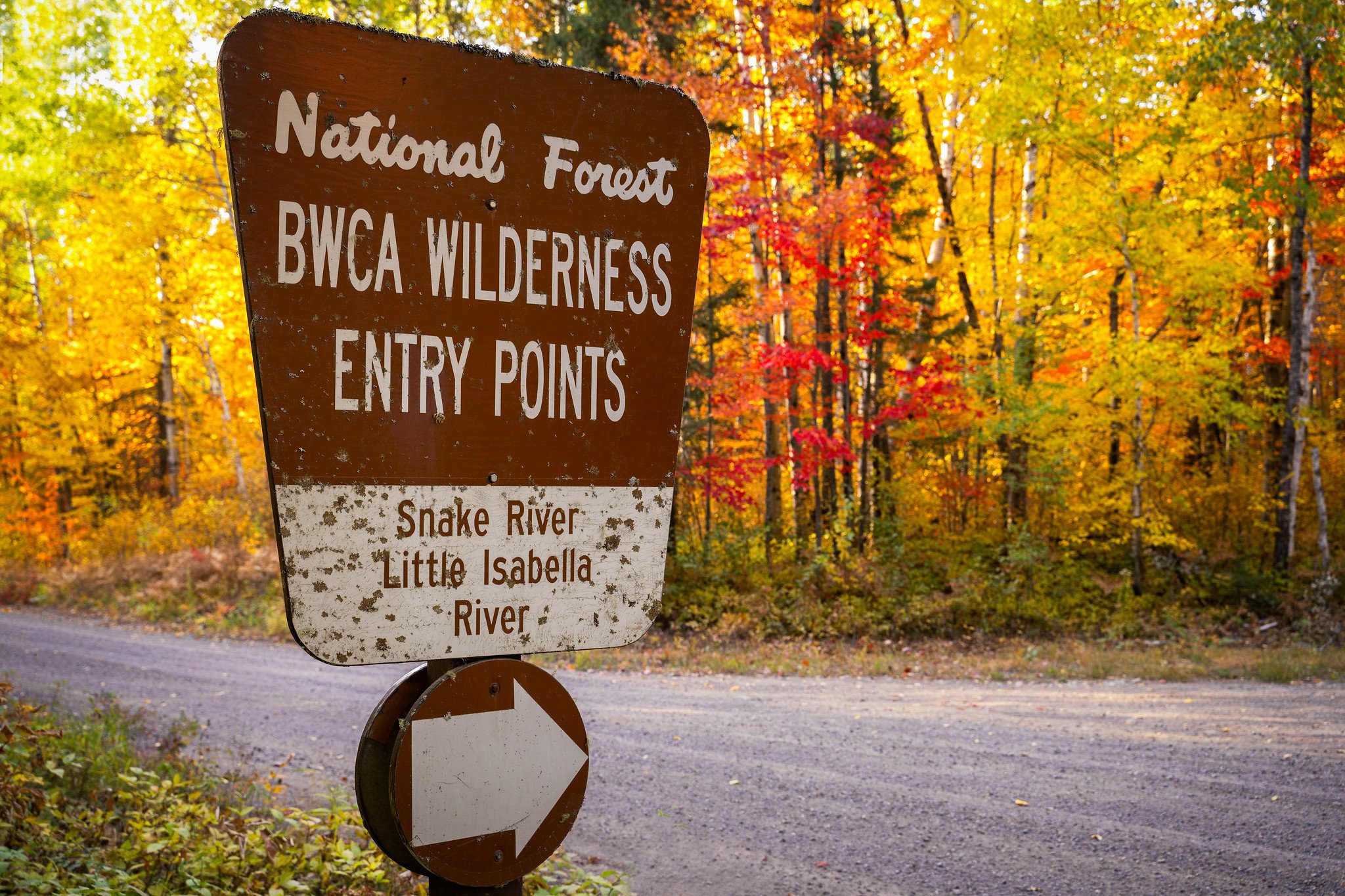
Conservationists like Ingrid Lyons, executive director of Save the Boundary Waters, understand the need for stability around permitting development. The whiplash between issuing and revoking permits for public land development projects every time an administration changes has likely hurt the U.S.’s ability to move forward with important energy projects, including in renewables like wind and solar.
But she fears this bill could instead cement the creation of controversial projects like a copper-sulfide mine at the headwaters of the Boundary Waters Canoe Area Wilderness or a copper-molybdenum-gold mine in the salmon-rich waters of Alaska’s Bristol Bay. Permits for projects like these have been denied, among other issues, because of environmental risk. If permits are reissued in similar scenarios, legislation like BAAJA could prevent future administrations from stopping development in places that truly need protection.
“What about landscape certainty?” Lyons says. “We’re overlooking in some ways the impact to communities that are relying on protection and not just projects.”
Fears of Data Centers and Unchecked Development

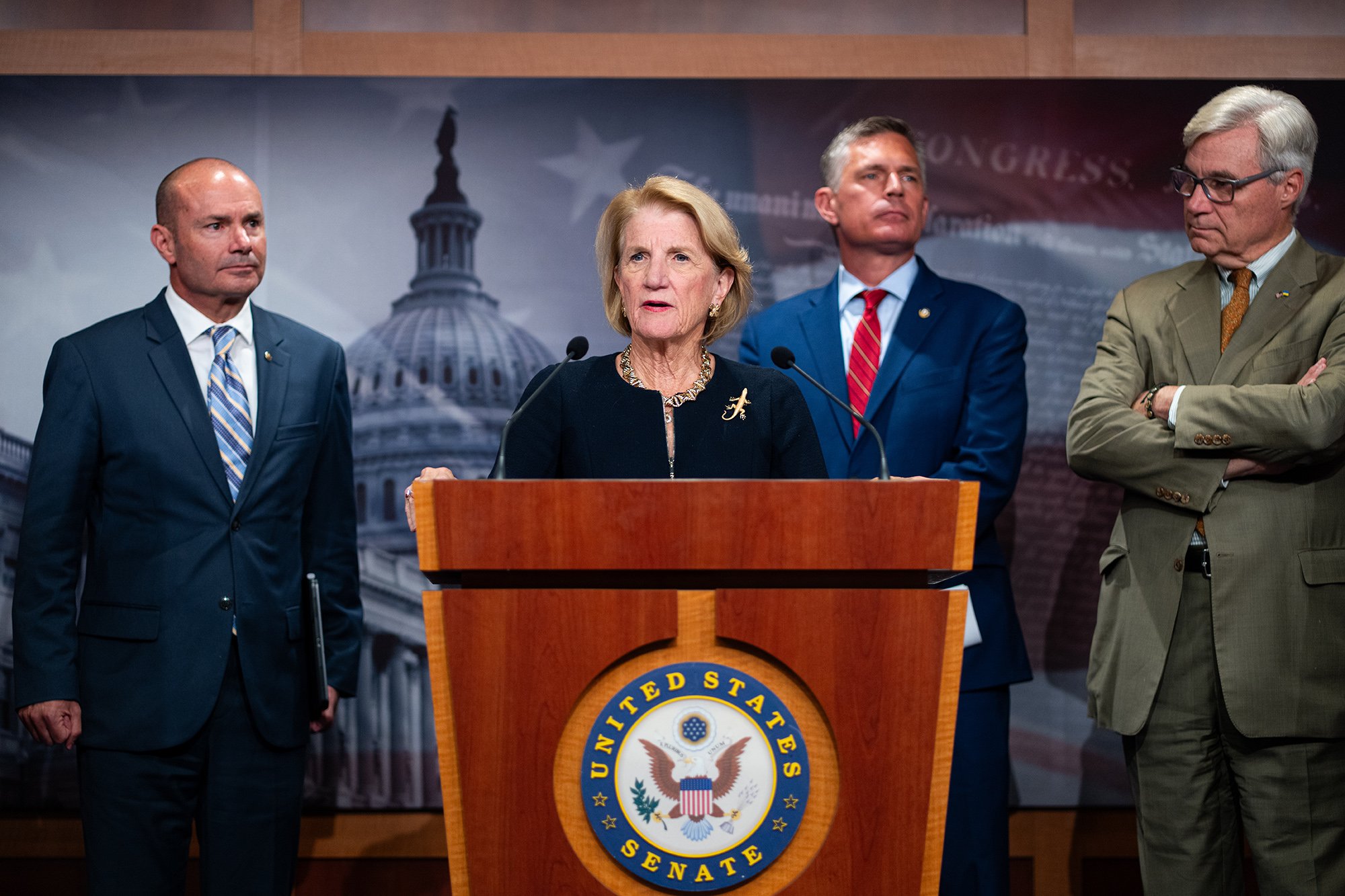
The conservation community has become increasingly vocal in its opposition to the bill since Heinrich and Lee partnered with Sens. Sheldon Whitehouse (D-R.I.), and Shelley Moore Capito (R-W.Va.), to introduce the legislation in late September. Lee has a clear track record of supporting public land sales and undermining existing public-lands conservation, including 2025’s attempt to include federal land sales in the One Big Beautiful Bill.
A lengthy version of BAAJA is before the Senate as of Tuesday. The current bill includes a variety of red flags for hunters, anglers, tribes, endangered-species advocates, and other conservationists.
Some of the main points include:
- Preventing federal agencies from revoking, rescinding, withdrawing, suspending or otherwise altering any permit after Nov. 6, 2026, except in the case of six narrow exemptions including fraud, a court order, material breach of the permit, or urgent or substantial harm to life, property or human health.
- Making the government (i.e., taxpayers) liable for a developer’s legal fees if a project is canceled or suspended and the developer sues and proves the government acted in bad faith.
- Limiting the scope of the Clean Water Act by stating unless a project poses “imminent and substantial danger” to human health or the environment, a court could only remand a project permit back to an agency to fix it within 180 days. Meanwhile work on the project could continue.
- Reducing the amount of tribal input into projects by drafting a project assessment before seeking tribal consultation and then only considering tribal feedback provided within 30 days.
The Theodore Roosevelt Conservation Partnership acknowledged the need for permit reform but said in a statement that “progress should not come at the expense of the conservation safeguards and public review that give hunters and anglers a voice in how our lands and waters are managed.”
For Lyons, it comes down to the potential unintended consequences of sweeping legislation like BAAJA.
“We need to be exceptionally aware of the implications of this bill, which could be that a lot of these really beloved places could have projects many communities have worked really hard to oppose cemented into place.”
A Push for Affordability
Many in the conservation community were surprised by the bill’s sponsors, given Heinrich’s history as a sportsman and conservationist who regularly defends public lands and sensitive places, and Lee’s general position as a proponent of development and public-lands sell-off.
But in Heinrich’s statement to Outdoor Life, he emphasizes the impact of climate change on our planet, including the places where people hunt, hike, bike and camp. Independent modeling, he said, predicts the bill will lead to a 20 percent reduction in power sector emissions, or the “equivalent to taking 39 coal plants offline for 10 years.”
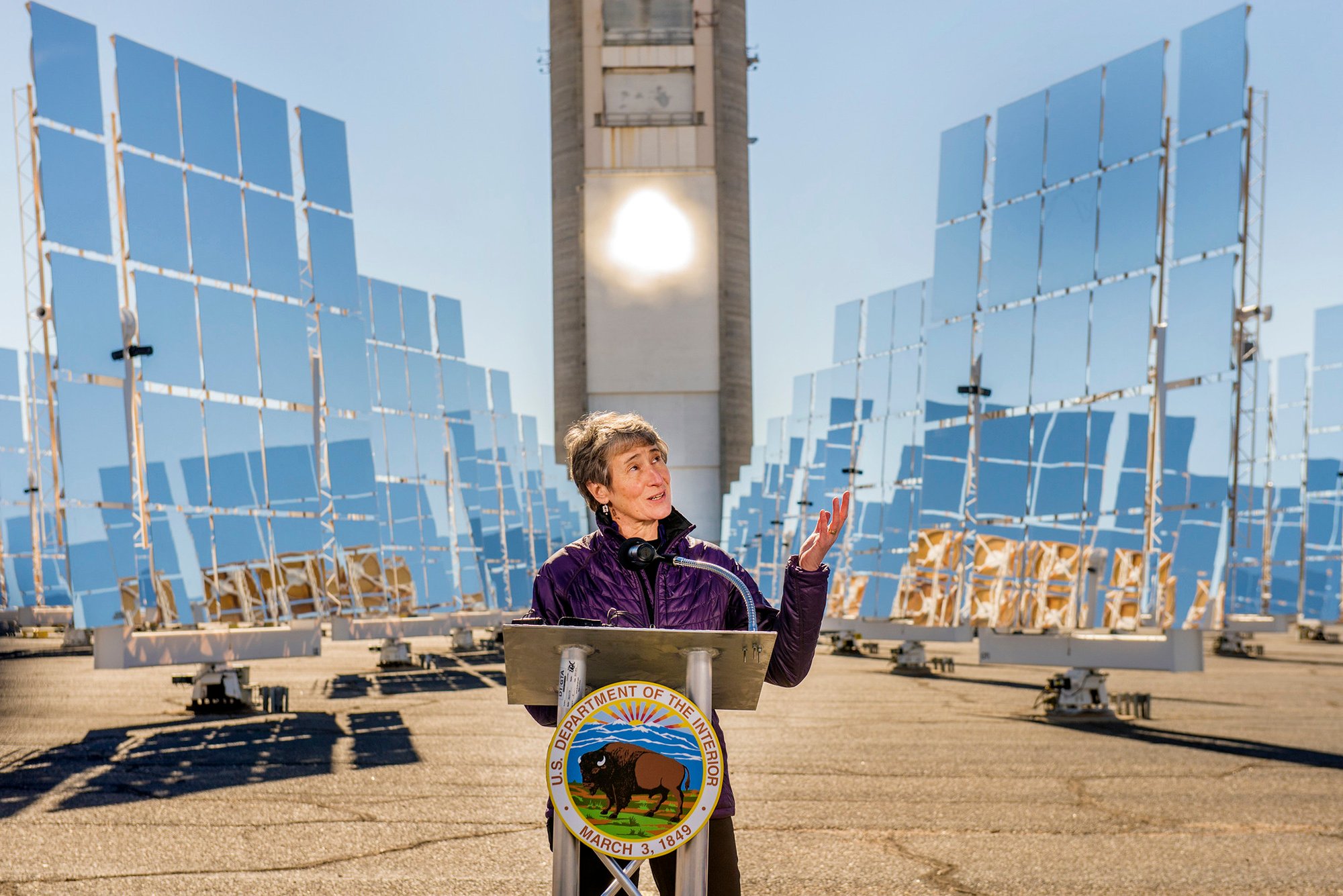
“You cannot protect a trout stream without paying attention to the warming temperatures and declining flows that threaten it,” he wrote. “You cannot protect wildlife habitat while ignoring the impacts of increasingly severe drought and wildfire. We need to reduce emissions, and that means getting more clean energy onto the grid.”
In an Oct. 30 op-ed in the Albuquerque Journal, Heinrich explained how New Mexico’s SunZia Wind and Transmission project took 17 years to permit and build.
He also pushed back on what he called misinformation about the bill, stating he doesn’t believe data centers should be on public land. The bill also requires large scale data center operators to pay the full cost of electricity consumed by the facility.
The Izaak Walton League’s conservation director, Kate Miller, thinks each of the bill’s sponsors are acting in good faith and trying to do what is right for their constituents. Many projects, including those aimed at restoring forests and wildlife habitat, have been held up by litigation. Something like BAAJA could move those forward.
But Miller would have liked to see these issues tackled individually instead of in a massive bill. And while she hopes that, if the bill passes, the administration will respect existing laws, the past two years has brought an onslaught of changes to most of the nation’s bedrock environmental laws including the Clean Water Act, the Endangered Species Act, and the National Environmental Policy Act.
“We want to make sure what comes out is not something that sacrifices those core protections that allow us to have healthy waters and habitats,” Miller says. “That we don’t sacrifice one for the other.”
While the Senate is fast tracking the bill before the next Congress begins in January, it must move through the Senate and the House, and any changes be agreed upon by both chambers before the bill would land on President Trump’s desk. Meanwhile, both industry and conservation groups say they’re working to lobby lawmakers for changes and amendments. As a result, several conservation organizations declined to comment for this story.