
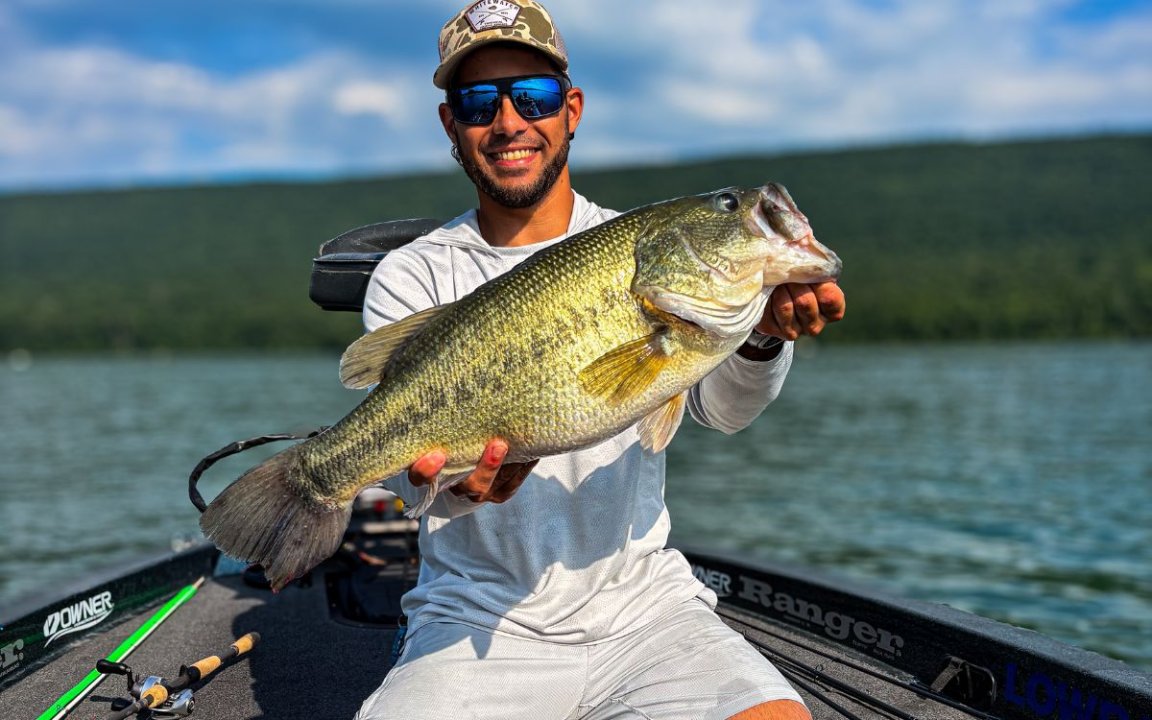
It’s easy to sit back as a keyboard warrior on social media and talk up how many big bass you might catch without even trying, but serious anglers know that bass fishing is hard. There are a lot of variables that have to align for a great day on the water.
Weather, wind, water conditions, bite windows, keying in on specific baits or areas, and simply making the right presentation are just a few. You can tack on other factors like boat control and fishing pressure as well. All of these are pieces to a puzzle that bass anglers are constantly trying to put together.
Since there are so many different factors that need to be considered and conditions that need to align, there’s nothing worse than making things even harder on yourself by making rookie mistakes. Here are the 5 biggest mistakes that bass anglers make — and how to avoid them.
Fishing Where You Caught Them Last Time
This first mistake is also one of the easiest to make. Say you’ve been to a body of water before and you caught a pile of bass in one or two specific areas like a deep rock pile or a laydown along the shoreline. The first thing you’ll want to do is go fish there again.
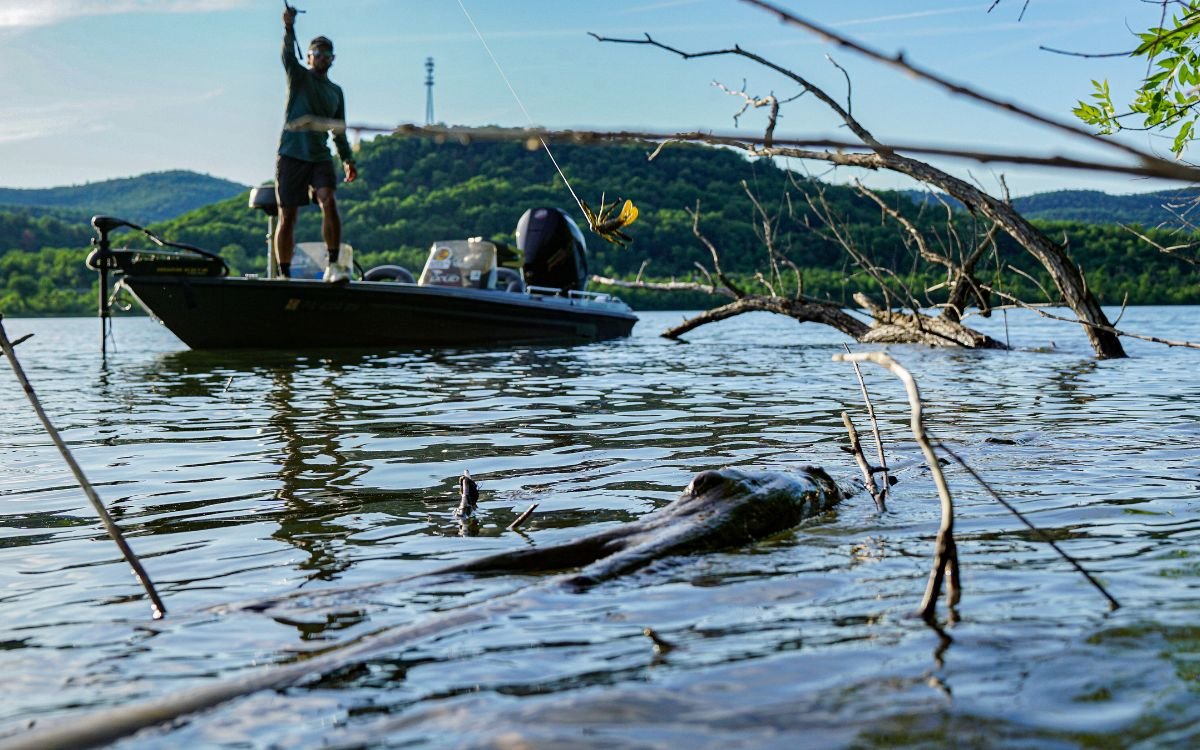
While that could work, the likelihood is that it won’t. Depending on time of year, the bass could be in a totally different pattern and location. If you caught all of those bass in May, and you go back in August, the water temperatures, spawning cycle, and even the thermocline will be entirely different, causing the bass to move and adjust. I often have to remind myself of this with a dumb, yet obvious statement, “fish have fins.” Thanks to those fins, they swim and relocate all over the place throughout the year.
The best way to find bass is by treating each trip like it’s your first day on the water. Take all of the current conditions into account and start by fishing areas that make the most sense for the bass to be in. Sometimes the stars will align and you’ll be able to fish areas you’ve fished before when the pattern makes sense, but simply rolling up to the community hole trip after trip won’t lead to many banner days on the water.
Fishing Too Fast
Speed and fishing rarely go hand-in-hand. Yet, I’m as guilty of this mistake as the next guy. I love to power fish with moving baits like deep crankbaits, chatterbaits, spinnerbaits, and jigs. And, I tend to catch a lot of fish with those baits and techniques. But there’s a fine line between power fishing and speed fishing. Let’s break that down to avoid the latter.
In power fishing you move baits tactically. Rather than making one cast at a brush pile and moving on to the next one, a good power fisherman knows when to pick an area apart. If you’re just speed fishing, you’ll likely be missing a ton of fish by simply making one cast at a target and moving on to the next. The bass might have just needed a second look at your bait, but you’re in too much of a hurry to give them the chance.
It’s easy to find yourself in this rut, so remember to slow things down. Sometimes it’s smarter to pick a target apart with finesse tactics, or simply make several casts with a moving bait. If you’re in an area that should have bass nearby, take the time and fish for them.
Trying to Force a Bite
Fishing too fast and forcing a bite tend to go together like peas and carrots. In the end, both come down to being a stubborn angler who thinks they know more than the fish, rather than letting the fish tell you what they want on any given day.
There have been days when I think they should be eating a drop shot; I believe it with my entire soul. But after 2 hours without a bite, I probably should listen to the fish. The mistake I’ve made before is choosing to keep throwing the drop shot to force a bite. This never works.
It’s a mistake to have strong pre-conceived notions about what baits the bass will want on any given day, but it is good to have a general idea. Similar to fishing too fast, there’s a fine line here that serious bass anglers need to walk. If you fish a certain bait for hours with no luck, you have to be willing to change things up. Maybe it’s the area, but more than likely, it’s the bait. Try a new technique in the same area for a bit. If that doesn’t work, change areas next. The best bass anglers stay versatile on the water and continue to adapt to find success throughout the day.
Leaving Fish to Find Fish
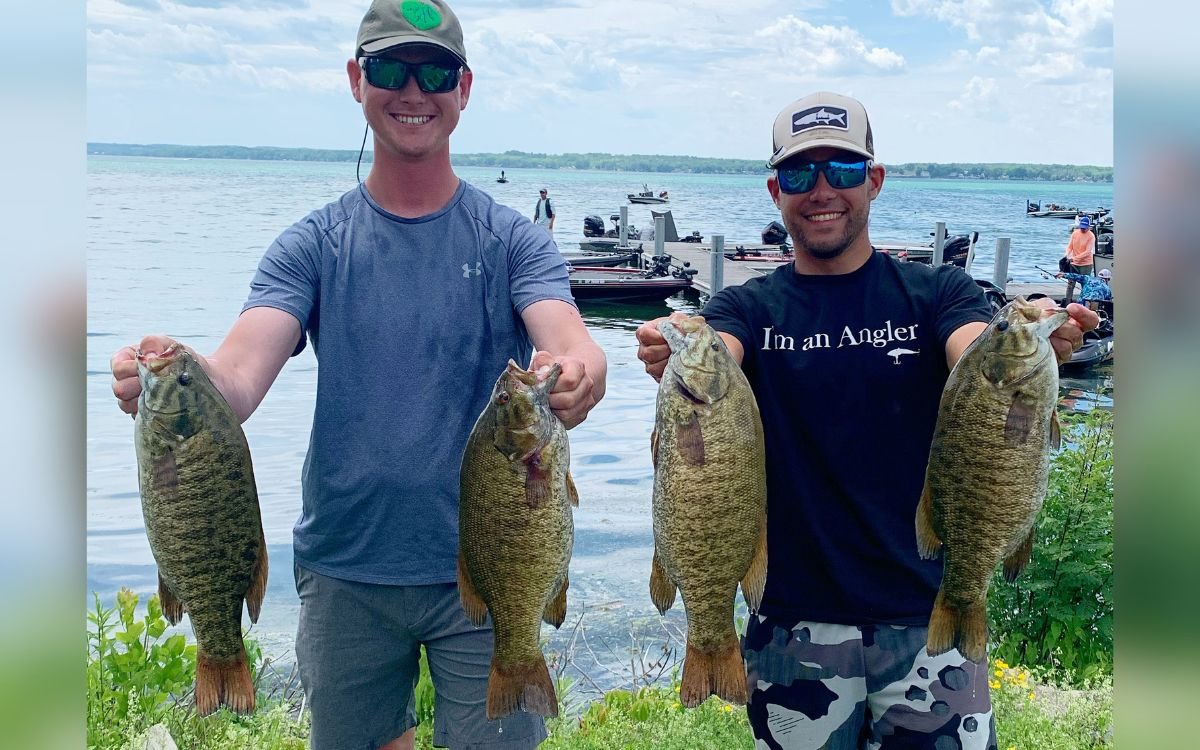
Out of all of these mistakes, this one will likely get the most backlash. Sometimes, it’s the most difficult decision to make for tournament anglers. Let’s say you find a school of bass feeding offshore in a July tournament. You roll up, catch 5 to 10 bass and have a decent limit, but all of the bass are of similar size. Should you leave that active feeding area in search of larger bass, or will the larger bass come to feed in this area as the day goes on? Decisions, decisions.
In my experience, it has rarely paid off to leave feeding fish to try to find more. In fact, I typically find that the bigger bass will be around those active feeds waiting for the right time to bite. So waiting it out and continuing to catch the bass that are actively feeding is my recommendation. It’s not a guarantee that the big ones will show up, but nothing ever is in tournament fishing.
Not Re-tying Your Knot
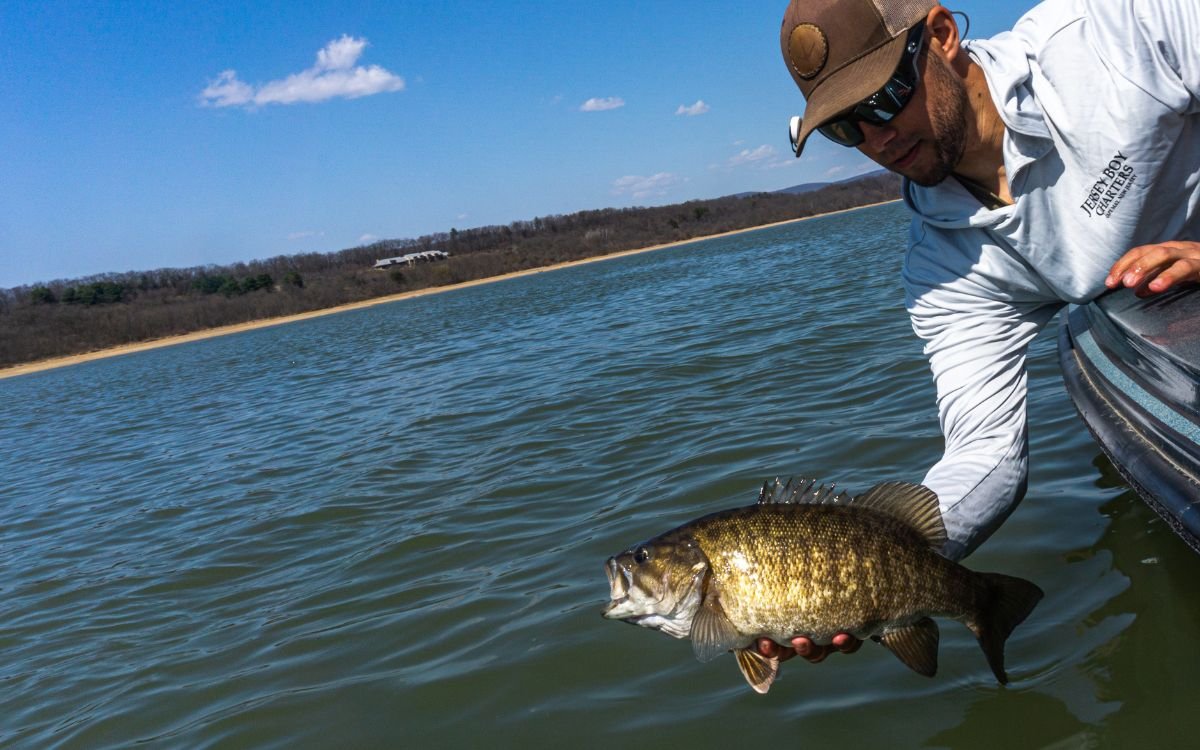
Meet the most painful mistake you can make during a tournament. You just caught a big bass after a strong hookset and a long fight back to the boat. The pictures turned out great and you’re ready to make another cast. You see a slight fray in the fluorocarbon, but decide you don’t want to take the time to re-tie. The next cast is perfect, right onto the rock pile and you feel a thump. You swing the rod back and… SNAP! There goes your bait, the bass, and your happy-go-lucky attitude.
I’ve learned this lesson more times than I would like to admit. It takes 30 seconds to re-tie a palomar knot, don’t be lazy, just do it. Whether it’s a nick in your line or your knot is strained from that big bass you just landed, avoid the heartbreak and re-tie before making your next cast. I promise it’s a worthwhile endeavor. Nothing can derail a good day on the water faster than a stupid mistake that costs you a fish, and your bait.
Final Thoughts on the Biggest Mistakes Bass Anglers Make
Not all fishing mistakes are avoidable; sometimes shit happens. But, with the 5 common mistakes I outlined above, there’s typically something you can do. Keep an open mind, stay versatile in your bait offerings, and adapt to the conditions you’re given while you’re on the water. While the internet trolls might make fun of bass fishing and call it easy, serious tournament anglers know just how difficult it can be to consistently catch big bass day in and day out.