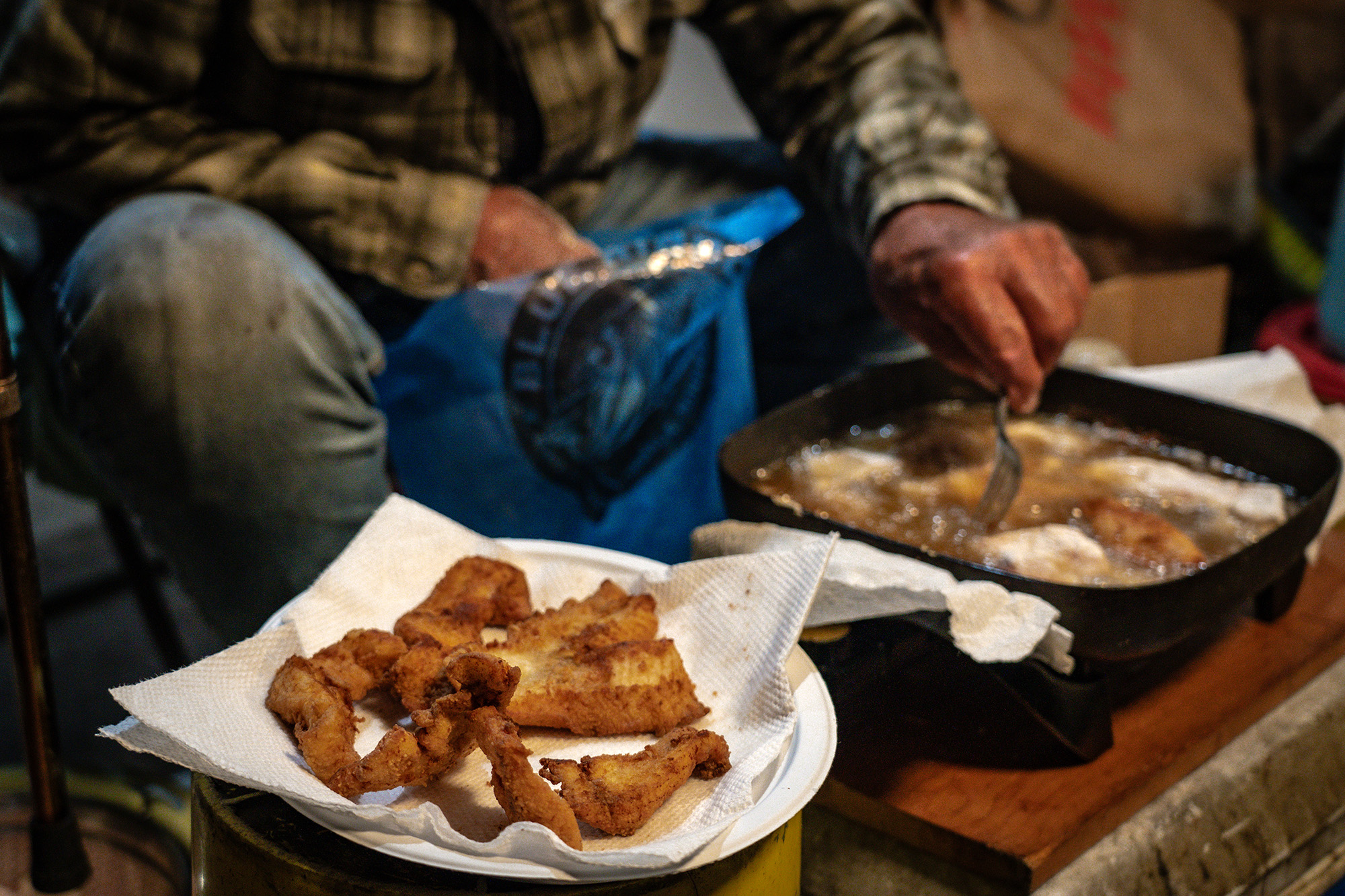
The Griz, or Dick Grzywinski, is best known for guiding walleye fishermen on the Mississippi River. But one of his favorite gamefish to target is northern pike, mostly because pike are better eating than walleyes (not to mention that the Griz’s stretch of the Mississippi is all catch-and-release for walleye).
The Griz trolls for pike by targeting submerged weed beds. He has a special method for removing the slime from the keeper fish, and he has a simple method for removing Y-bones. Here are a few tips from the Griz on how to catch, fillet, and cook northern pike.
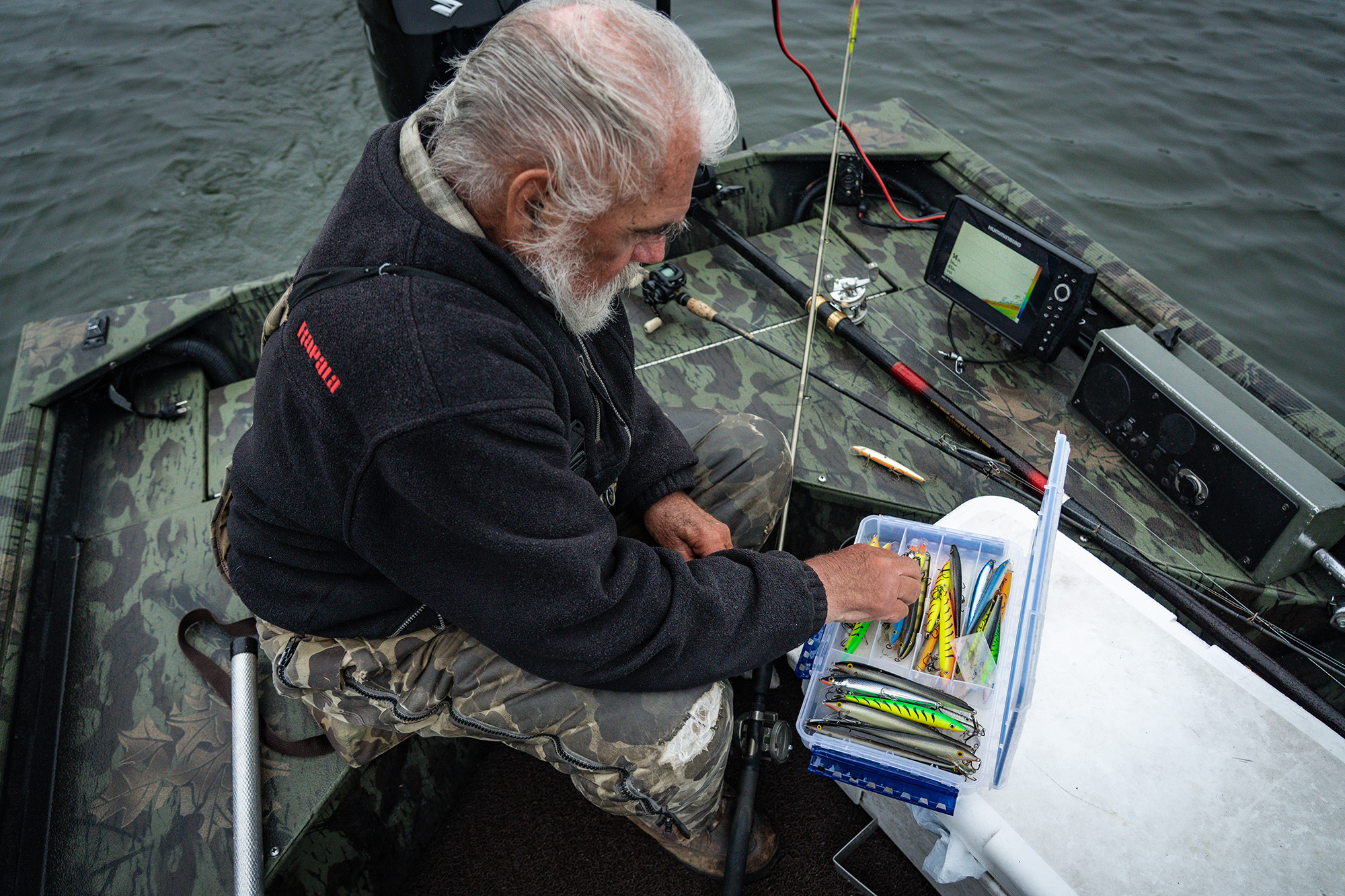
Keep lure selection simple.
When trolling for pike the Griz goes with Rapala Rattlin Raps or floating Rapala stick baits when the weeds are higher. In summer, Griz’s favorite color is the traditional crawdad (not the newer red and black), but good luck finding that in stock somewhere.
Trolling speed must be consistent.
Griz trolls Rattling Raps at exactly 4.5 miles per hour, which feels fast. This helps keep the baits at the tops of the weeds. If he trolls through a good area and doesn’t get any strikes, he’ll try hitting it again from a different direction before moving on.
Keep the rod pumping.
The Griz constantly pumps the rod to get his bait darting forward and then dropping back. This is especially important for ripping the bait through weeds. You’ll often get a strike right after pulling the bait free from one.
Pike follow the forage, and so should you.
Pike go where the food is. In the spring that means shallower bays where the water is warmer. In the summer that means deeper weed beds, and usually off shore.
Put keeper pike in a paper bag.
Northerns are slimy. That’s one of the reasons people underestimate them as table fare. To de-slime his pike, the Griz puts them in a paper grocery bag, then puts that bag in a larger garbage bag, and stashes it all in a cooler. This keeps the fish from thrashing around, and it also works to pull the slime off of it, which helps with preparation and eventually taste.
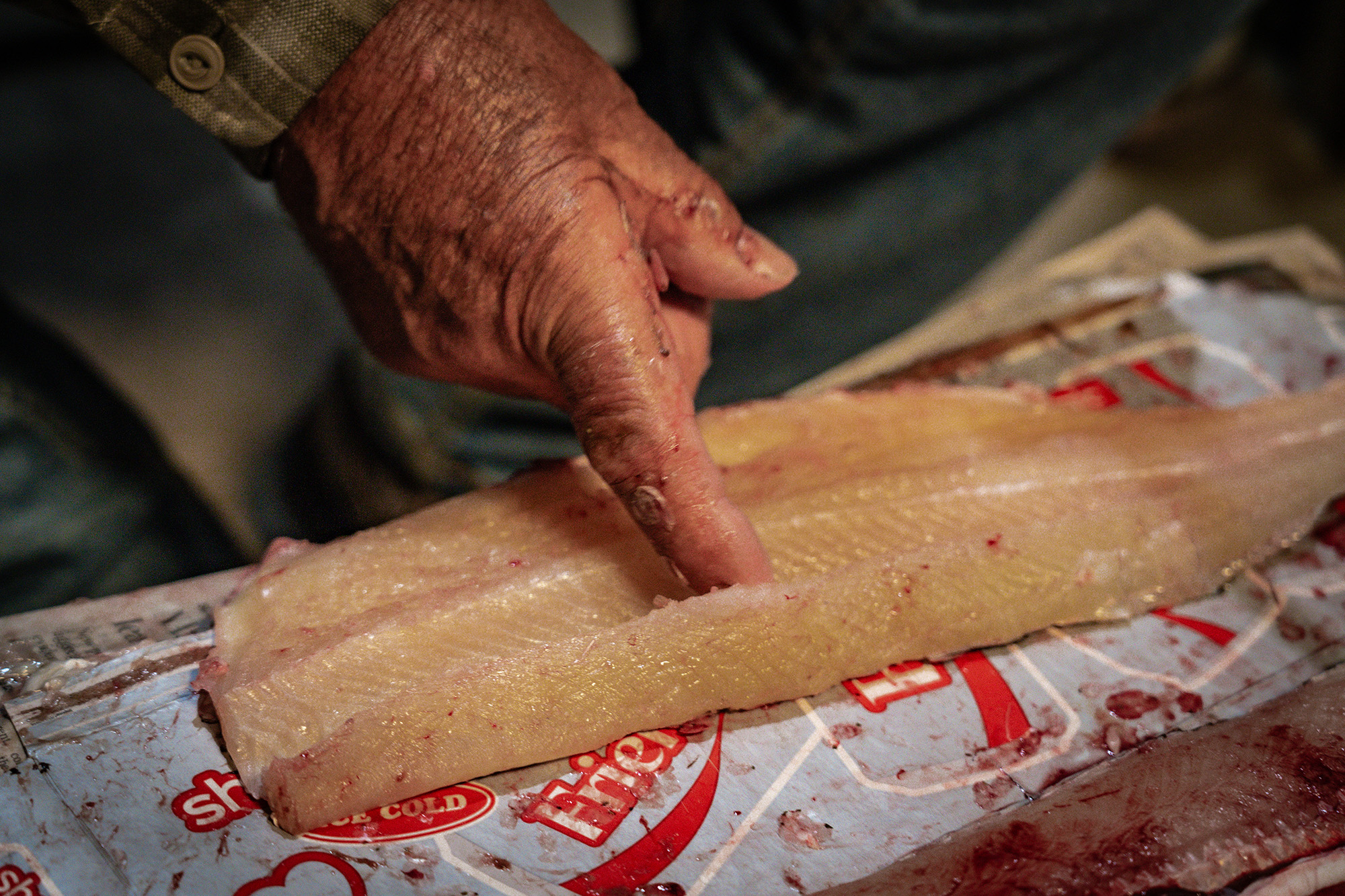
Keep it simple with the Y-bones.
There are a bunch of different ways to remove Y-bones but the Griz’s method is simple and effective. You can watch how he does it at the 16:44 mark.
Cut the fillets into chunks.
After you have removed the Y-bones, cut the fillets into chunks. This will make for more consistent frying.
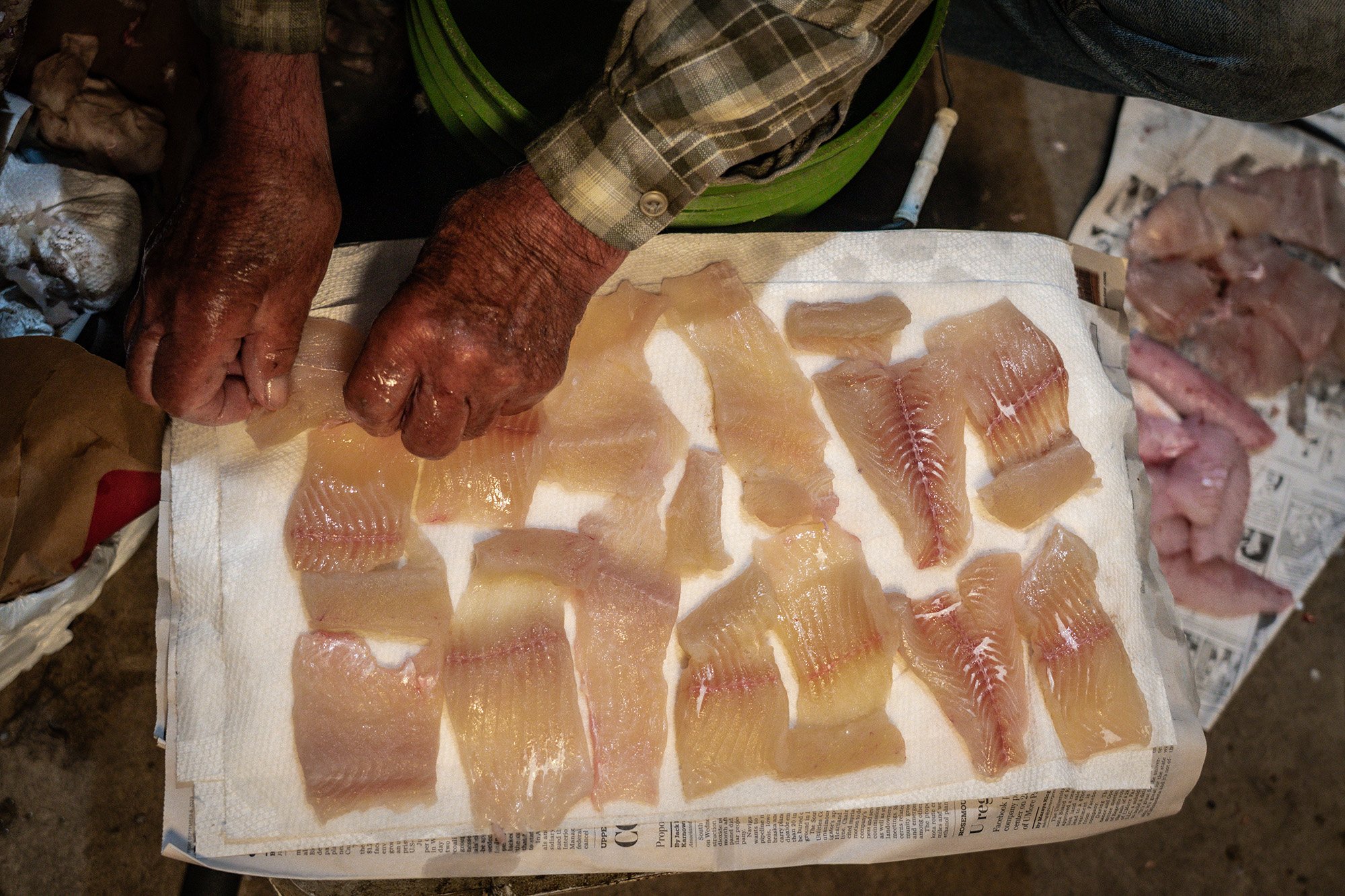
Don’t soak the fillets in water.
A lot of folks will soak their fillets in water (or saltwater) before frying. The Griz says this is a mistake. Instead, rinse the fillets in cool water and then let them air dry before dropping them in the batter. The fillets should be a little damp, but not soaking wet.
Keep the batter light.
A little Bisquick and some seasoning is all you need for pike. With a lighter batter the fish will be crispier, less greasy, and more delicious.
Eat northerns fresh.
Don’t freeze northern pike fillets. This greatly diminishes their taste and texture. Eat your pike fresh or not at all.