
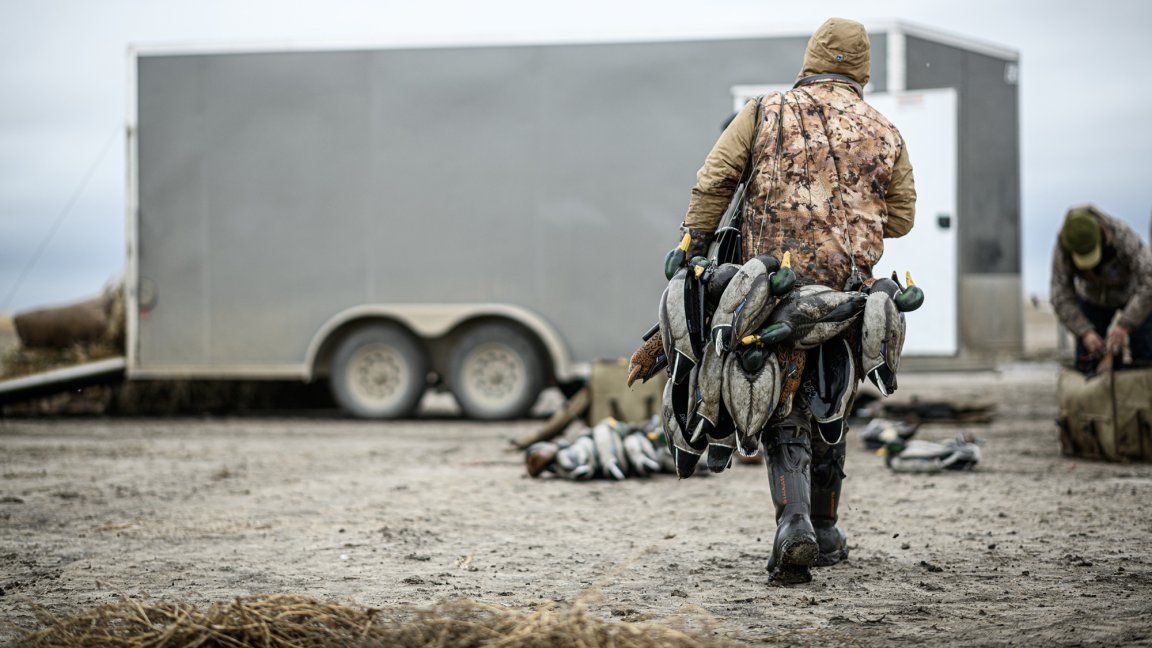
The Saskatchewan government is changing how hunting licenses are allocated by limiting the number of days that non-residents can hunt waterfowl in the province. According to a recent announcement from the Ministry of Environment, non-resident hunters will no longer be able to purchase a year-round game bird hunting license. They will instead be limited to two five-day bird hunting licenses in the fall and one five-day license in the spring. These restrictions will affect all non-Canadian hunters, and they could go into effect ahead of the 2026 to 27 waterfowl season.
“We are proud of Saskatchewan’s reputation as a world-class game bird hunting destination,” Saskatchewan’s environment minister Darlene Rowden said in a news release Friday. “These changes will help ensure our wildlife remains a shared public resource and that Saskatchewan residents see the greatest benefit.”
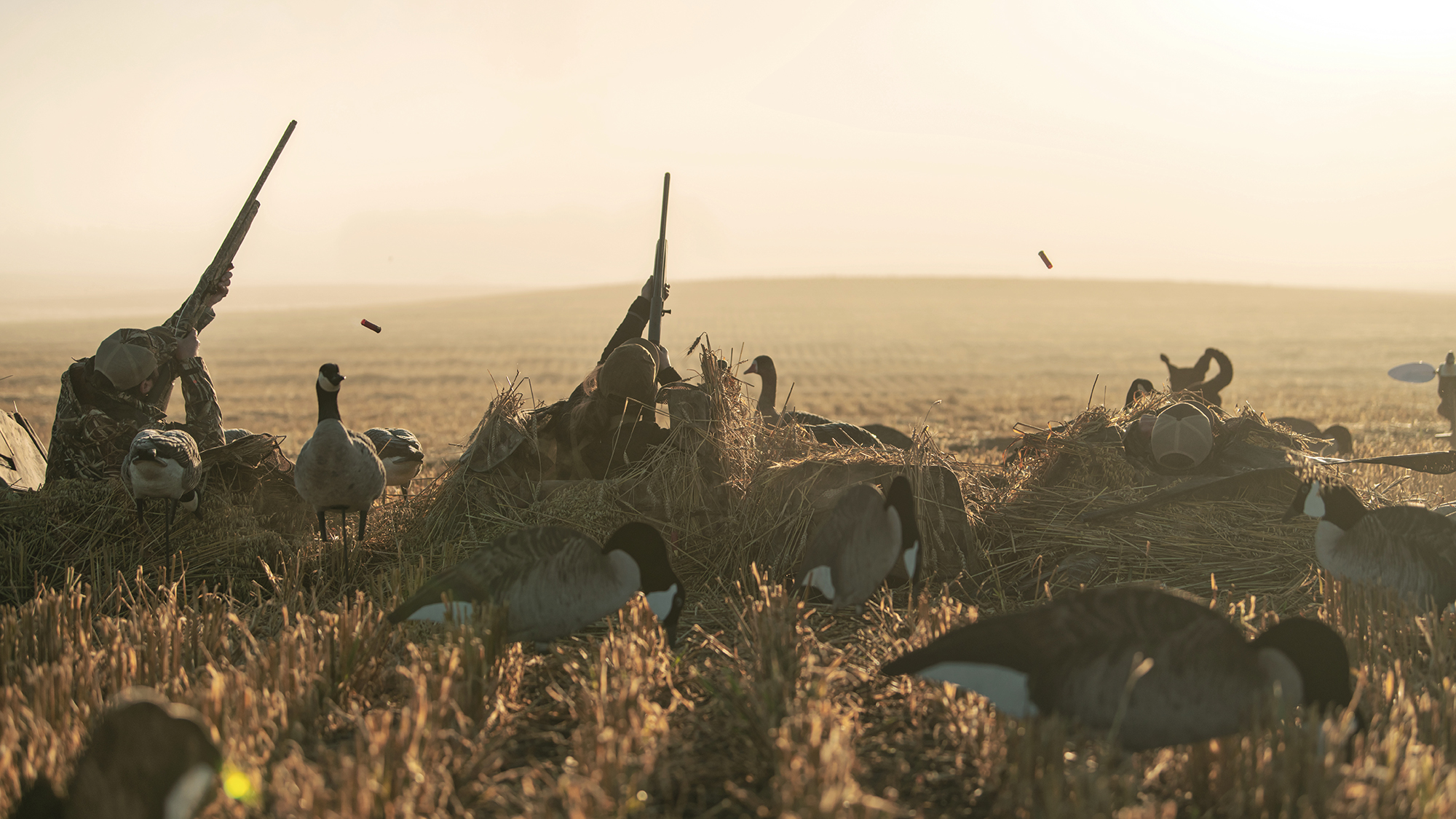
The intention here is not to deter freelancing American duck hunters, but to address growing concerns around illegal outfitters, according to local hunting groups who supported the change. This includes the Saskatchewan Wildlife Federation and the Saskatchewan Commission of Professional Outfitters — both of which have seen the negative impacts illegal outfitters are having on the resource, as well as the local hunting culture.
“One thing we want to make sure of here is that we’re not restricting [visiting] hunters from coming,” says Jordan Rowswell, SCPO board chair and the owner-operator of 12 Gauge Outfitting. “We recognize that it’s a longstanding tradition for a lot of people, and it’s an economic [engine] for local tourism and all that. So that is one thing we want to be clear on: People are still welcome to come hunt Saskatchewan.”
Rowswell tells Outdoor Life that the new restrictions were made with freelance or DIY hunters in mind. He says past hunter surveys have shown that most non-resident bird hunters come to Saskatchewan for 10 or fewer days a season.
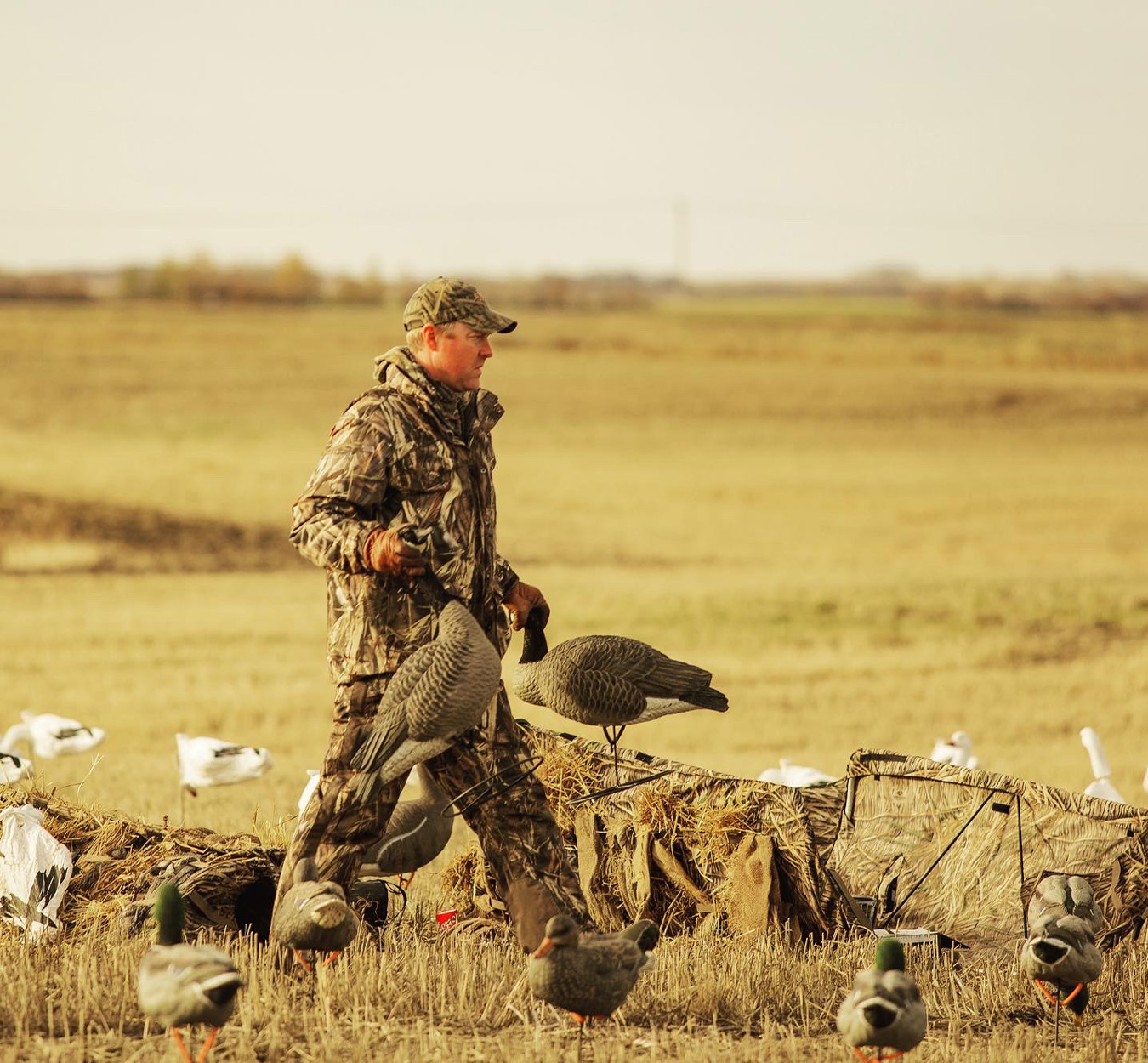
Rowswell, who learned how to duck hunt from his father and took over the family outfitting operation in 2019, has been guiding in Saskatchewan for more than 20 years. He explains that during that time, his family has seen an increase in the number of people who travel to the province during waterfowl season to guide hunting trips without the proper outfitting licenses.
“The typical profile is this guy who says, ‘I’m just here with a couple college buddies. Can I hunt your land?’” Rowswell says. “And then six weeks later, it’s the same guy asking, but he’s got a different group of people with him.”
Rowswell says this problem extends beyond the waterfowl world to big-game hunting and fishing as well. And while it’s often Americans who are guiding illegally, Rowswell says people from Saskatchewan and other Canadian provinces are guilty of it, too. Part of the problem, he explains, is that it’s almost impossible to bust an illegal outfitter without evidence of money exchanging hands. He also thinks the current fines are too low to be a real deterrent.
“It’s a complex deal … but this is strictly about the management of a resource and providing opportunity for everybody,” Rowswell adds. “This change to five-day license terms is just meant to curb, or make it more difficult, for illegal outfitting to happen. It’s not a silver bullet, but it is a step in the right direction.”
All the added hunting pressure from illegal guides has obvious impacts on the resource — especially at a time when some North American waterfowl populations are struggling. Rowswell says this influx undercuts local, law-abiding outfitters like him, who have to follow certain rules in order to keep their outfitting licenses.
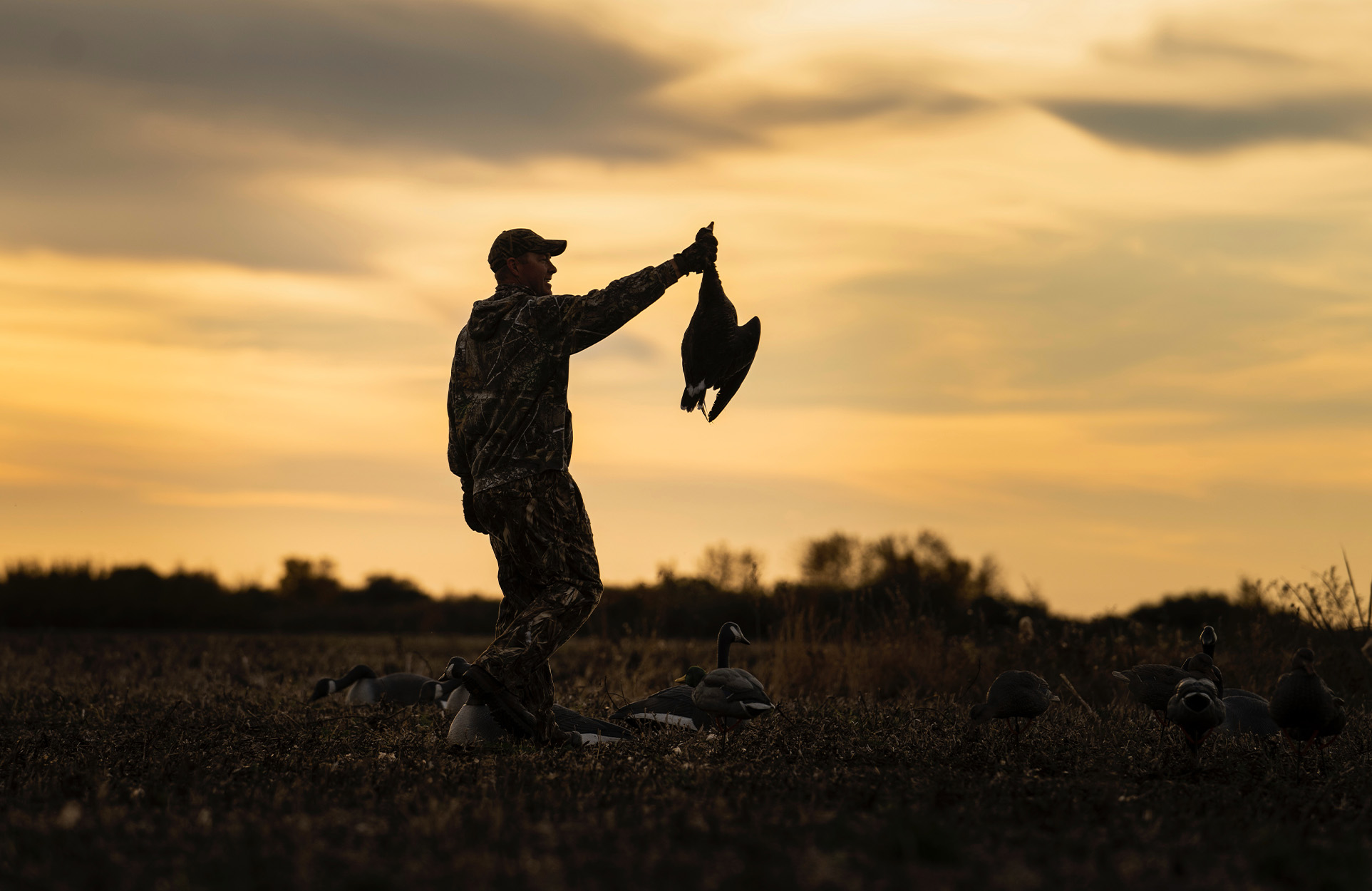
Illegal outfitting also harms everyday Saskatchewan hunters, since the local waterfowl culture revolves around getting permission from willing landowners. All the best hunting ground in the province is privately owned, Rowswell explains, and it’s actually illegal for landowners there to take money in exchange for hunting access. This old-school system based on door-knocking and relationship-building is part of what draws hunters from the U.S. and elsewhere to the province. But when bad actors take advantage of the system, everyone suffers.
“I’ll give you one example from last year. There was a guy who I believe had come up from Texas, and he was here for about six weeks, switching out his group every week,” Rowswell says. “Well, this guy had approached a landowner for permission to hunt there, and the landowner said yes. But [this guy] had presented himself as just him and a couple college buddies.
“This landowner told me he drove by there one morning, and he said it looked like an army out there, with six trucks and about 15 people,” Rowswell continues. “And [the landowner] was so angry with this misrepresentation that he said, ‘That’s it. I’m done. Nobody else is hunting on my land because you can’t trust anybody any more.’”
Read Next: Duck Hunting’s New Reality: It Will Keep Getting Tougher for the Workaday Waterfowler
A property like that might account for 10,000 to 15,000 acres that local hunters no longer have access to, Rowswell says, “and that’s just one instance.” When bridges like that get burned every season, it makes it harder for everyone — not just local outfitters — to find and hunt birds in Saskatchewan.