
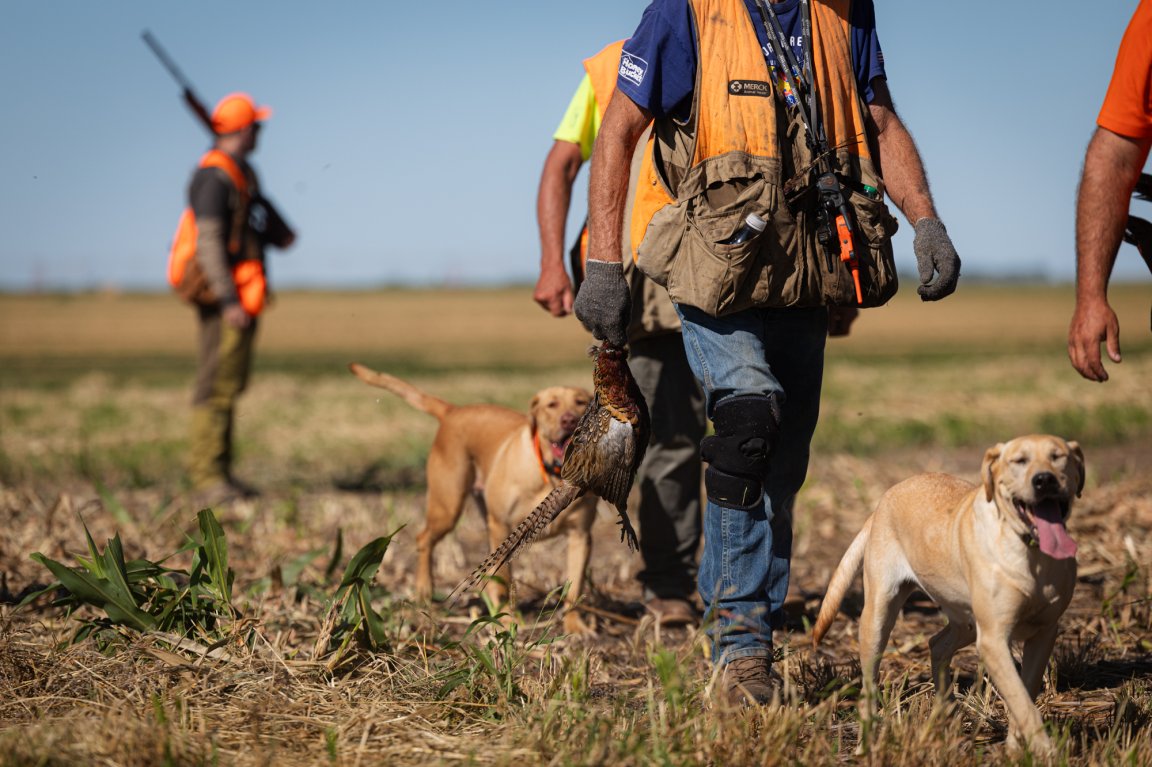
I was hunting a strip of public walk-in access across the road from a fleet of combines. As the harvesters crawled closer, pheasants kept flushing out of the standing corn and into the chest-high cover I was following my dog through. I marked one rooster that landed 300 yards ahead and, when Hatchet eventually trailed and flushed him, I was ready.
But I never shouldered my gun. The bird flushed straight toward the cab of a grain truck and veered out of range. The man sitting behind the windshield, who looked to be in his 20s, threw up his arms. Worried I might be irritating the farmers despite my restraint, I headed for my truck — the one with the Arkansas plates — with the birds I’d already killed. I know I’m a visitor here, and I don’t want to contribute to an existing problem.
This fall I drove 10 hours from my home to hunt public-land pheasants. It’s my seventh season in a row making the trip, and I can’t remember ever seeing more pickups loaded with kennels and coolers on I-29. We were all South Dakota bound.

As I’ve hunted my tried-and-true public spots and explored new ones this year, I’ve been surprised (though seldom hindered) by the number of fellow hunters getting after it. Each time I pass a truck parked in the ditch, I can’t help but clock the license plate: Minnesota, Wisconsin, Iowa, North Dakota. I’ve yet to spot a South Dakota plate that seems to belong to a pheasant hunter.
Anecdotal though it may be, my experience tracks with a broader trend in South Dakota. Annual harvest surveys show nonresident pheasant hunters are outnumbering resident hunters, and have every year since 2002. Last season approximately 57,100 residents hunted pheasants, while about 82,600 nonresidents hunted pheasants, according to those survey projections from South Dakota Game, Fish and Parks.
And during opening weekend on Oct. 17 and 18, SDGFP conservation officers talked with some 1,800 pheasant hunters. They hailed from 44 different states.

Many South Dakotans worry their home state is too busy courting these nonresident hunters — or more precisely, their wallets — to notice the fading tradition of resident pheasant culture.
“We love out-of-state hunters. And we want everybody to keep coming and enjoying South Dakota’s tradition,” says Brad Johnson, a South Dakota real-estate appraiser and lifelong hunter. “We just want our state government and our state tourism industry to understand the importance of in-state hunters. I think there’s a real strong feeling that we’re being taken for granted.”
The Decline of Resident Pheasant Hunters
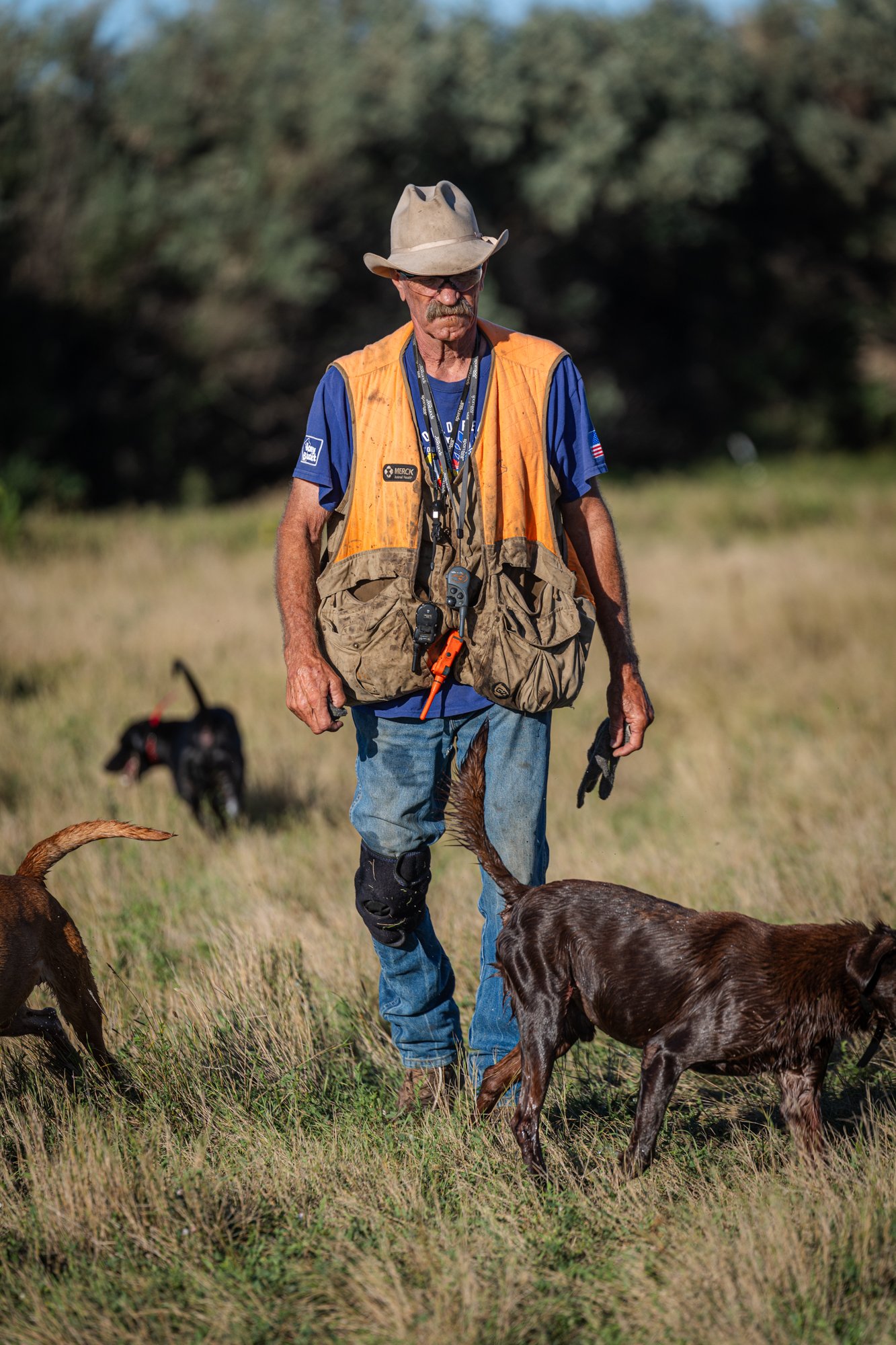
Johnson, who lives in Watertown, recently wrote a column in the South Dakota Searchlight that dug into this trend — and struck a nerve with locals. He acknowledges that nonresidents are the “financial backbone” of the state’s pheasant program, thanks to higher license fees. (Residents pay $36 for a season-long small game license and a $10 habitat stamp; nonresidents pay $142 to hunt birds for 10 days, plus a $25 habitat stamp.)
“We understand that [financial dynamic] as South Dakota hunters. But at the same time, we need to start putting more emphasis on growing in-state hunting,” says Johnson. “We put so much of our advertising effort in out-of-state markets that we know where most of the hunters come from. And we don’t do similar types of advertising geared toward local residents and trying to figure out programs that are going to build new hunters within the state.”
Commercialization of Hunting
DIY public-land pheasant hunting, especially during poor bird years, isn’t for the faint of heart. I’ve had to work for my limits of wild roosters over the seasons, slogging miles through nasty weather, thick cover, cattail sloughs, and rolling hills. Last weekend I hiked 9 miles over public ground with my dog (who covered 15 on his own four legs) and two buddies to fill our three limits. It was one of the best days of pheasant hunting I can remember.
For hunters with more cash and less interest in (or the physical ability for) such a grind, South Dakota offers hundreds of private shooting preserves. These lodges cater to businessmen, casual hunters, and the wealthy — almost exclusively out-of-staters who fly into hubs like Pierre and Aberdeen to shoot high volume put-and-take birds. Business is booming.
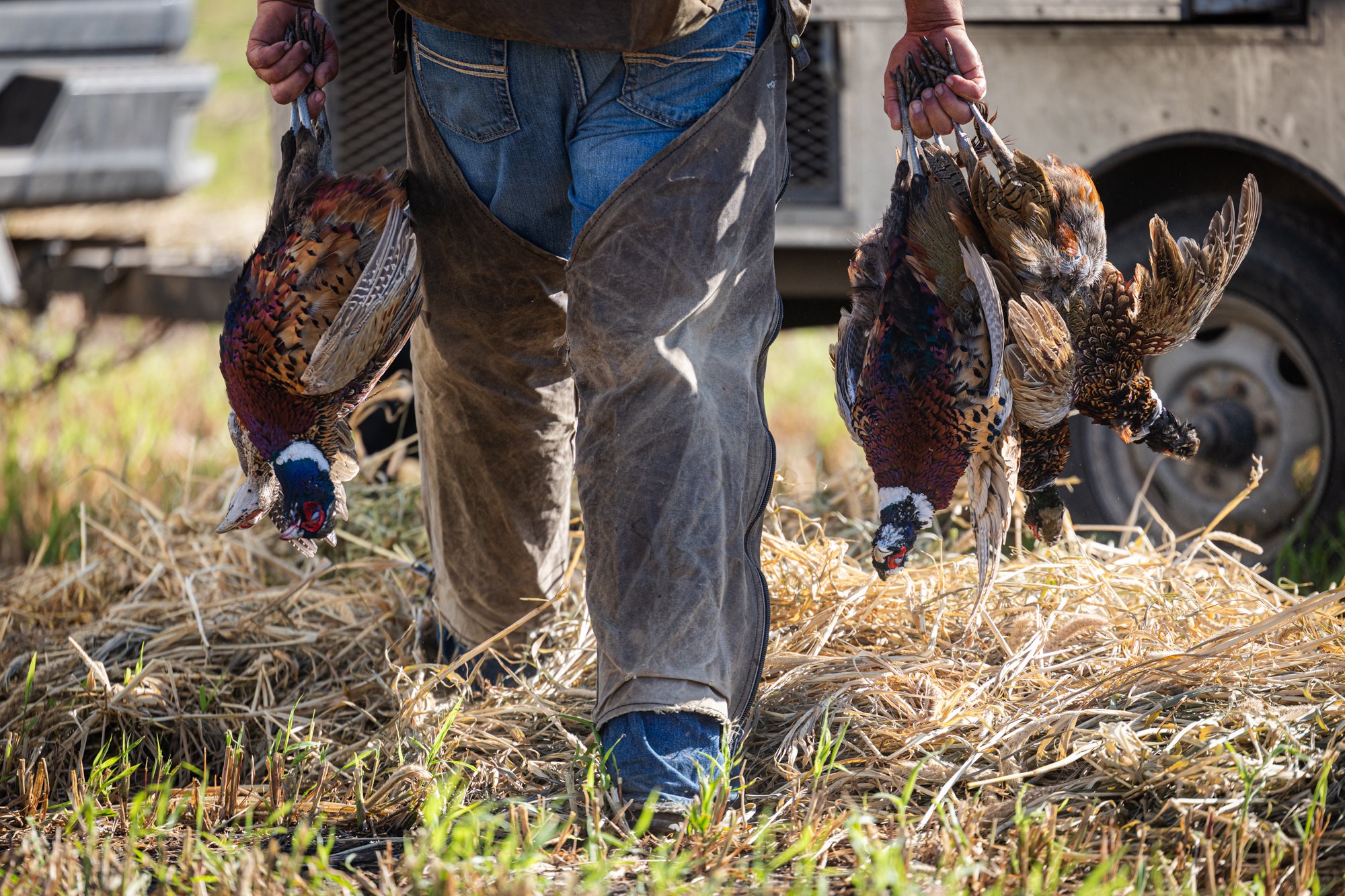
In the last quarter century, the number of licensed pheasant preserves across the state has grown substantially, from 157 in 2001 to a record 237 last season. Preserves must be a minimum of 160 acres (and no more than 2,560 acres). And over the past nine seasons, the harvest of released captive pheasants shot on preserves has climbed 50 percent (this excludes incidental harvest of wild birds). During the 2025-26 season, hunters shot about 400,000 pheasants on preserves — a record high.
“Everybody’s got a story about why they don’t hunt now, and all other problems that they’ve had getting access compared to how it used to be,” Johnson says of local hunters. “There’s a shift in emphasis in South Dakota toward more the commercialization of hunting — and I get it. I’ve got a lot of friends who own hunting operations … They’ve got really nice hunting operations. They’re all paid hunting and geared almost 100 percent to out-of-state hunters … Very few people in South Dakota are going to pay for that type of experience.”
Residents simply can’t afford the rates — from $2,000 to $4,000 per day at the fanciest lodges, he says — that traveling hunters are willing to pay. Meanwhile, hunting operations are leasing private land for their clients. This is more of an issue in east-central South Dakota, in the heart of pheasant country.
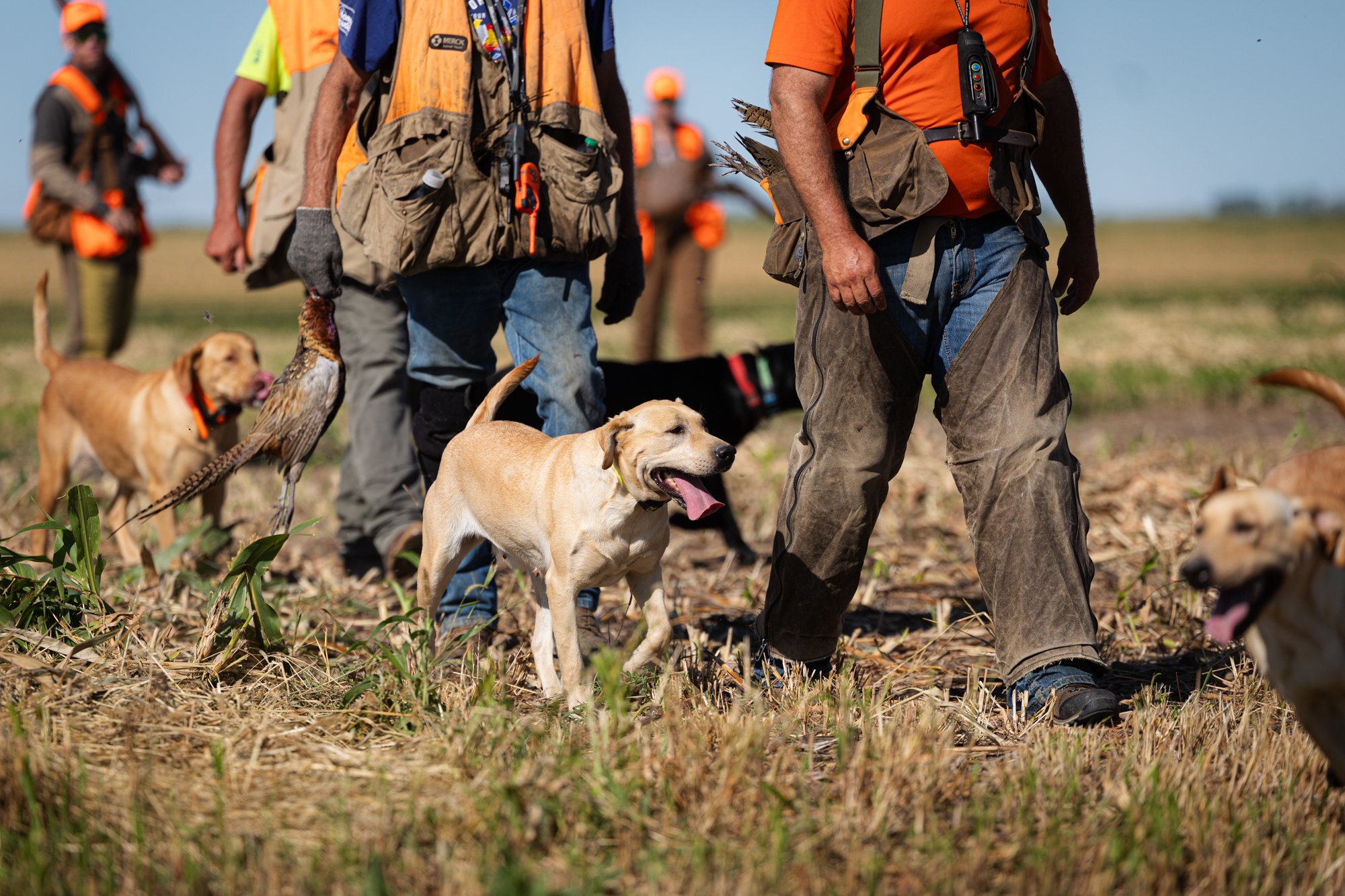
This steady rise in preserve pheasant hunting also contributes to access fees or the leasing of private land that could otherwise be open for permission to residents. After doing some work for a real-estate client one year, Johnson asked if he could hunt their property.
“They said, ‘Well, is it pheasant hunting? And if it’s pheasant hunting, would you be willing to pay a little bit? If it’s duck hunting, just go ahead,’” says Johnson. “So we value our pheasants quite a bit.”
While the hunter numbers cited in this story focus on wild pheasant hunting, the data they’re drawn from is murky (more on this in a bit). SDGFP explicitly says “no shooting preserve license holders were surveyed and none of their harvest is included” in wild bird harvest estimates. But these annual figures undoubtedly capture some preserve hunts, since hunters can legally shoot pheasants on preserves using their small game licenses.
The state’s harvest reports also don’t include any details on where hunters are killing pheasants or if they’re paying for access.


One lifelong South Dakota hunter, who asked not to be named so as not to upset factions of the hunting community, still puts the permission success rate at about 50 percent near the Pierre area.
“When I was a kid, it was all wild birds. We’d hop on the tailgate, the kids would walk through the [nasty cover], and adults blocked or did the easy stuff. It was opening weekend and it was a tradition. I think that tradition is still there, and I think people want to celebrate it the same way, but it has been commercialized. It wasn’t commercialized when I was a kid. It was good old landowners who let people hunt.”
Nonresidents Are Cash Cows
South Dakota’s most recent push to ramp up pheasant license sales began in 2020 with its “Hunt the Greatest” campaign. The collaboration between the state’s game and tourism agencies spent about $662,000 that year in advertising on cable TV, podcasts like MeatEater, and in paid searches online, among other avenues. (Outdoor Life has also received South Dakota tourism funding for sponsored campaigns.) And in 2024, the campaign targeted South Dakota plus 13 out-of-state markets, including Minnesota, Iowa, Nebraska, Wisconsin, Colorado, Texas, and Michigan.
Neither agency could provide the breakdown of spending by in-state and out-of-state dollars to OL by press time.
The Hunt the Greatest campaign launched the year following the state’s final roadside pheasant counts, in 2019.
“Then-Governor Kristi Noem did away with that [roadside brood count], and that was partly because of the pressure from the tourism industry,” says Johnson. Noem’s family owned a pheasant lodge, and she also described herself as an owner and operator of a hunting lodge. “If the report came out that bird numbers were down, that sometimes caused out-of-state hunters to not come.”
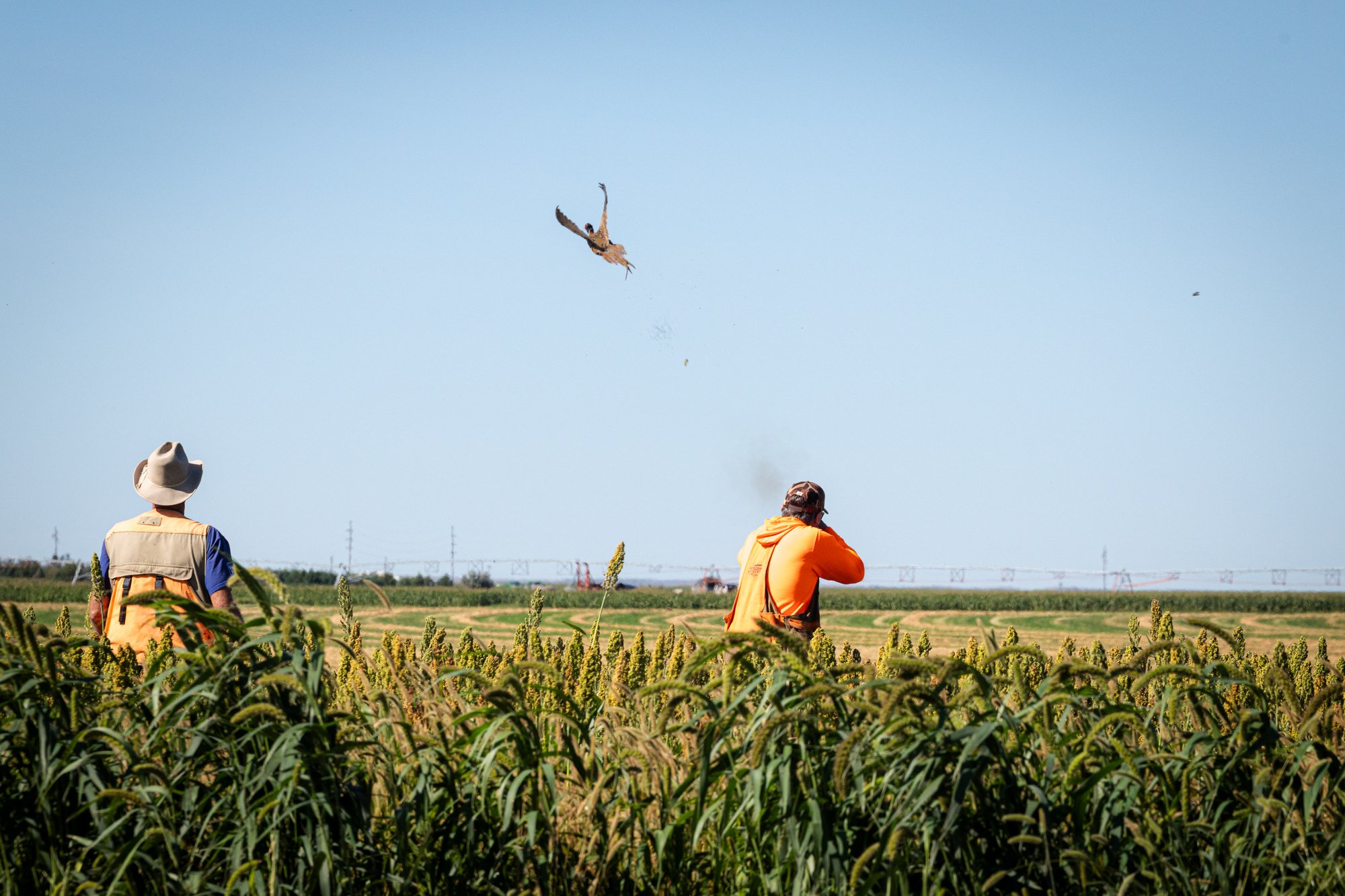
Concluding the best long-running and scientific data collection on the state’s bird numbers was controversial, to say the least. As one former pheasant research biologist with SDGFP put it, the state’s current hunter survey stats are “fake news” that are “not verifiable or scientific.”
“The loss of the brood survey … means we have no accurate information on South Dakota pheasant populations for seven years,” that biologist, Larry Fredrickson, wrote in a letter to the Huron Daily Plainsman this spring. “I hope the state gets the brood survey back soon … to get South Dakota pheasant management out of the dark ages.”
The harvest numbers Fredrickson refers to — which this story necessarily relies on, since it’s the only available data on recent pheasant hunting participation and harvest — elicit limited participation from residents (25 percent responded to the survey) and nonresidents (31 percent responded), among other issues.
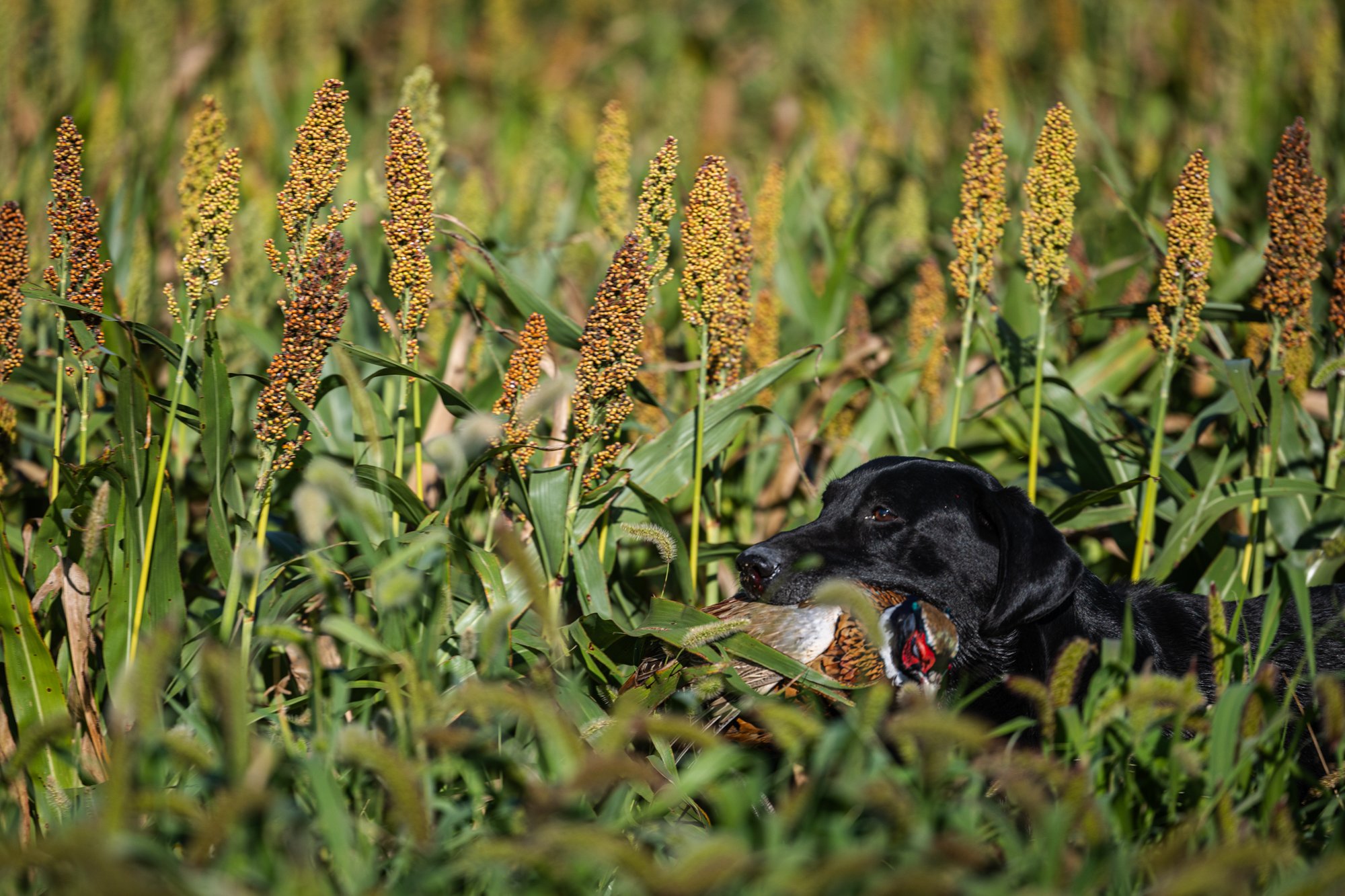
Given that the state has discontinued those roadside brood counts, Johnson says South Dakota would rather nonresidents not know when it’s a bad pheasant year.
“Just believe us when we tell you, ‘Oh, pheasant hunting’s gonna be great,’” Johnson jokes. “But by doing that, we lose the scientific analysis on what really is happening with our bird population.”
It’s also unfair to traveling hunters, says 73-year-old resident duck and pheasant hunter Bruce Knowlan. No matter how much money they inject into the economy, most DIY pheasant hunters still have finite time and budgets to hunt birds.
“Hunting isn’t a sport anymore, it’s an industry,” says Knowlan of the canceled roadside counts and continued marketing during down bird years. “It’s crazy, it breaks my heart.”
None of the locals I spoke with for this story felt animosity toward well-mannered visiting hunters. That includes Knowlan, who lives in northeast South Dakota. The rural community he calls home is very welcoming to nonresident pheasant hunters.

“They like people who are spending money in the towns. They like nonresident money. They like their motels busy, they like their restaurants busy,” says Knowlan. “The only thing people around here hate is nonresidents coming into the area, buying farmland, and taking it out of [crop] production to put it into some program like CREP or CRP.”
In other words, farmers and residents are happy to have out-of-staters hunt pheasants, support local businesses, and maintain the area’s farming traditions and economy.
And indeed, nonresidents spent an estimated $161.8 million statewide during the 2025 season. While visiting hunters presumably spend more on expenses like lodging during pheasant season, it’s clear: resident pheasant hunters help drive the economy, too. Last year they spent an estimated $142.7 million in the state.
Fewer Rural Residents, Fewer Farms
To Knowlan’s mind, there are fewer resident pheasant hunters in recent decades because there are simply fewer South Dakotans living in rural areas. Even as South Dakota’s population has grown steadily in the last few decades, most of that growth has gone into urban areas.

Case in point: The population of the northeast South Dakota county where Knowlan lives has steadily declined over the past century, dropping 64 percent to roughly 5,500 people in 2025. Meanwhile, farms have been consolidated, which means there are fewer landowners to ask for permission to hunt the same amount of ground.
“It’s fascinating to me that if you take the back roads from my place into town, there used to be a farm every 80 acres,” says Knowlan, adding that families used to have more kids, too. “I would go by a hundred kids’ homes in a six-mile radius. And now, on that same road, there’s maybe four. They’re bigger farms.”

Consolidation of small farms and the rise of hunting leases and access fees are key reasons Knowlan says it’s “much, much harder” to get permission on private land than it was decades ago.
“Residents aren’t going to go out and lease the neighbor’s land so they can go pheasant hunting,” says Knowlan. “It’s still a family tradition around here, but not like it used to be, where everybody would quit working at noon on Saturday and go pheasant hunting at the neighbor’s.”
Still, he doesn’t think South Dakota is different from any other state when it comes to diminished private access. Before he bought his South Dakota farm in 2011, Knowlan was a DIY hunter from Minnesota who hunted all over North America — including South Dakota — each season. He remembers what it was like to ask for permission, and what it’s like to grant it.
“I do think a lot of guys still would allow pheasant hunting, if they don’t have relatives or family members they’re saving it for,” says Knowlan. “It used to be, I’d say, 90 percent of people would let you hunt. Maybe now, around here, it’d be 50 percent. But I would hate to be a young man, 16 to 20 years old [again], and not have a lot of money and want to do it yourself all over the country. It would almost be impossible.”
Why South Dakota’s Resident Pheasant Tradition Will Never Die
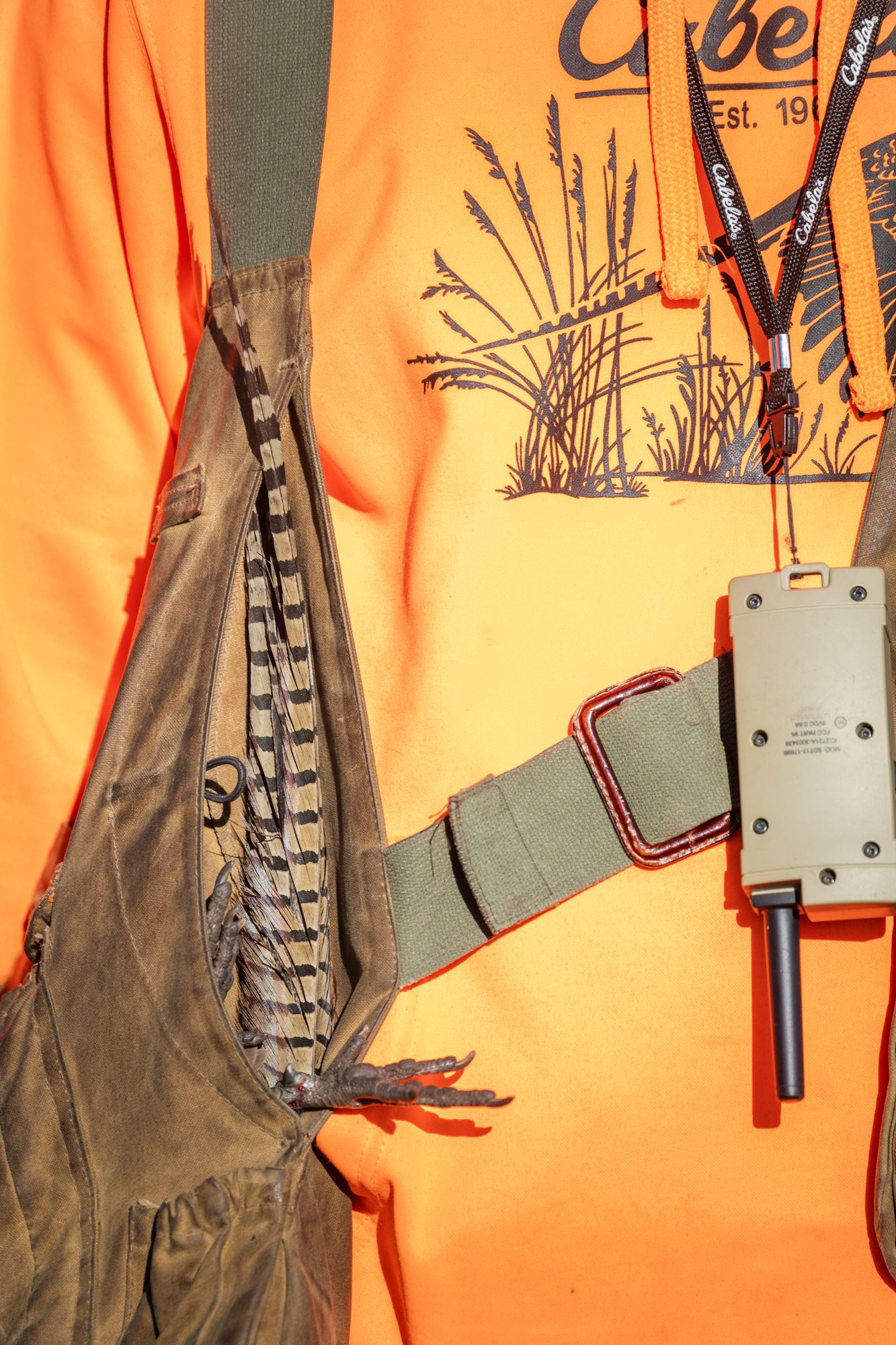
Yes, there are more nonresident pheasant hunters than South Dakota pheasant hunters, and that means they’re killing more total pheasants. But locals are enjoying longer hunting seasons and they’re killing, on average, more birds per hunter than visitors more often than not in recent years.
Last season nonresidents, who are more likely to shell out for private access, killed an average of 9.3 pheasants. Residents killed an average of 10.2 birds during their season, and most probably didn’t pay for the privilege.


For an even greater edge, Johnson would like to expand the special three-day resident-only pheasant opener that falls on the weekend before nonresidents are allowed to hunt.
“People feel that expanding that might be helpful for giving in-state residents a little bit more of an advantage.”
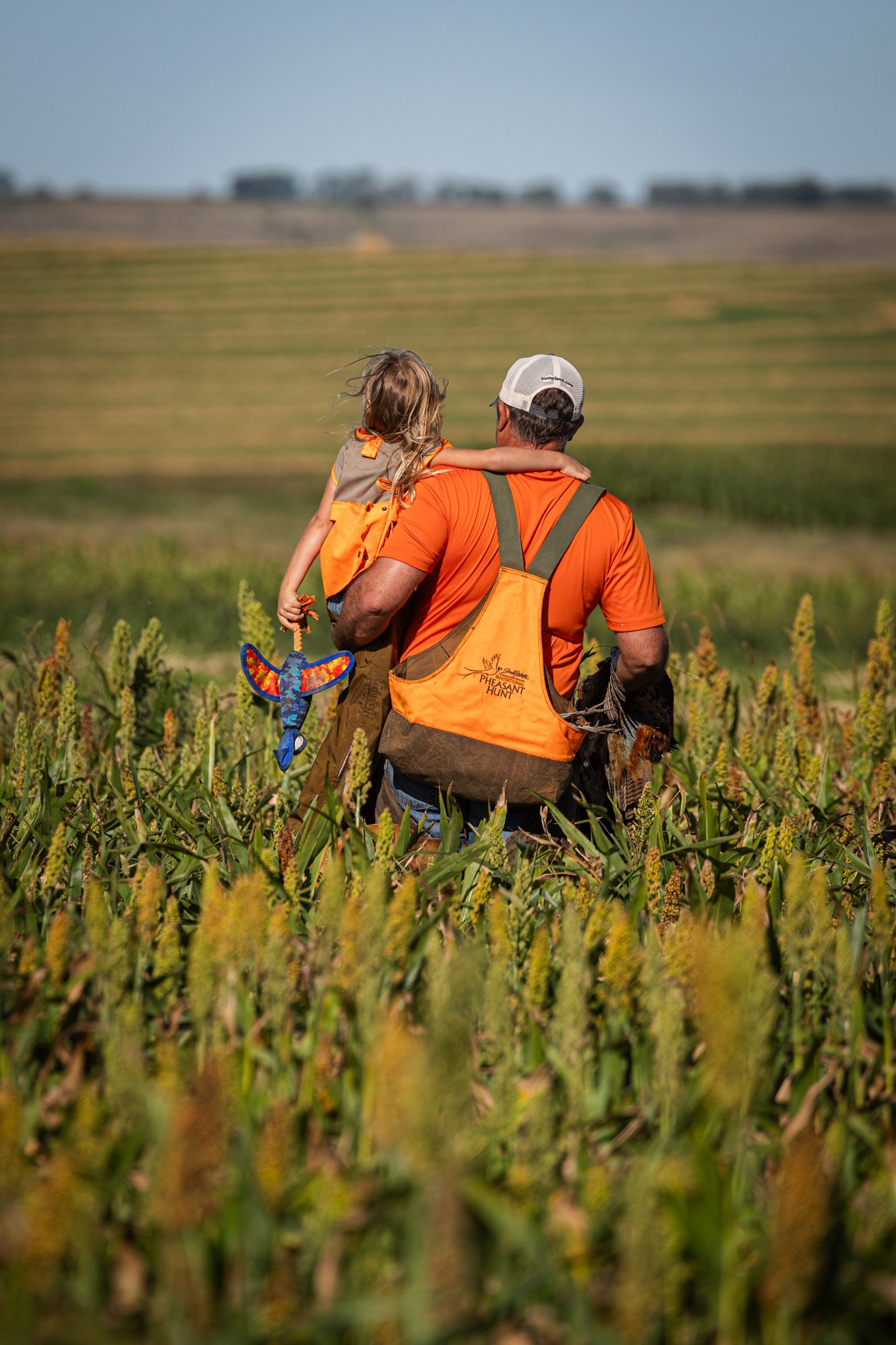
Resident youth license sales are also on the rise in recent years. South Dakota already has strong opportunities for new hunters — adults and kids alike — to get into pheasant hunting.
Youth and mentored hunters “have a 9-day period to themselves for pheasant hunting” prior to the regular season opening,” according to SDGFP regs. “This is an opportunity for adults to take young hunters out to experience, first-hand, the joy of hunting as well as the responsibility.”

Still, there’s at least one complicating factor to recruiting younger hunters into the fold: You must be 16 to hunt alone in South Dakota. Adjusting this age restriction for qualified teens might be another way to encourage participation.
I learned of this requirement just a few weeks ago, after agreeing to take a local 15-year-old and his retriever pheasant hunting. I assumed they were still learning the ropes and needed guidance on strategy and an extra gun for the dog. This was true enough, but the reality was he needed me to legally chase pheasants. This South Dakota teenager (whose parents don’t hunt) needed an adult alongside him to shoot pheasants. The irony is that he drove himself to our meet up. You can start driving solo at 14 and a half in South Dakota.
Abundant Public Land
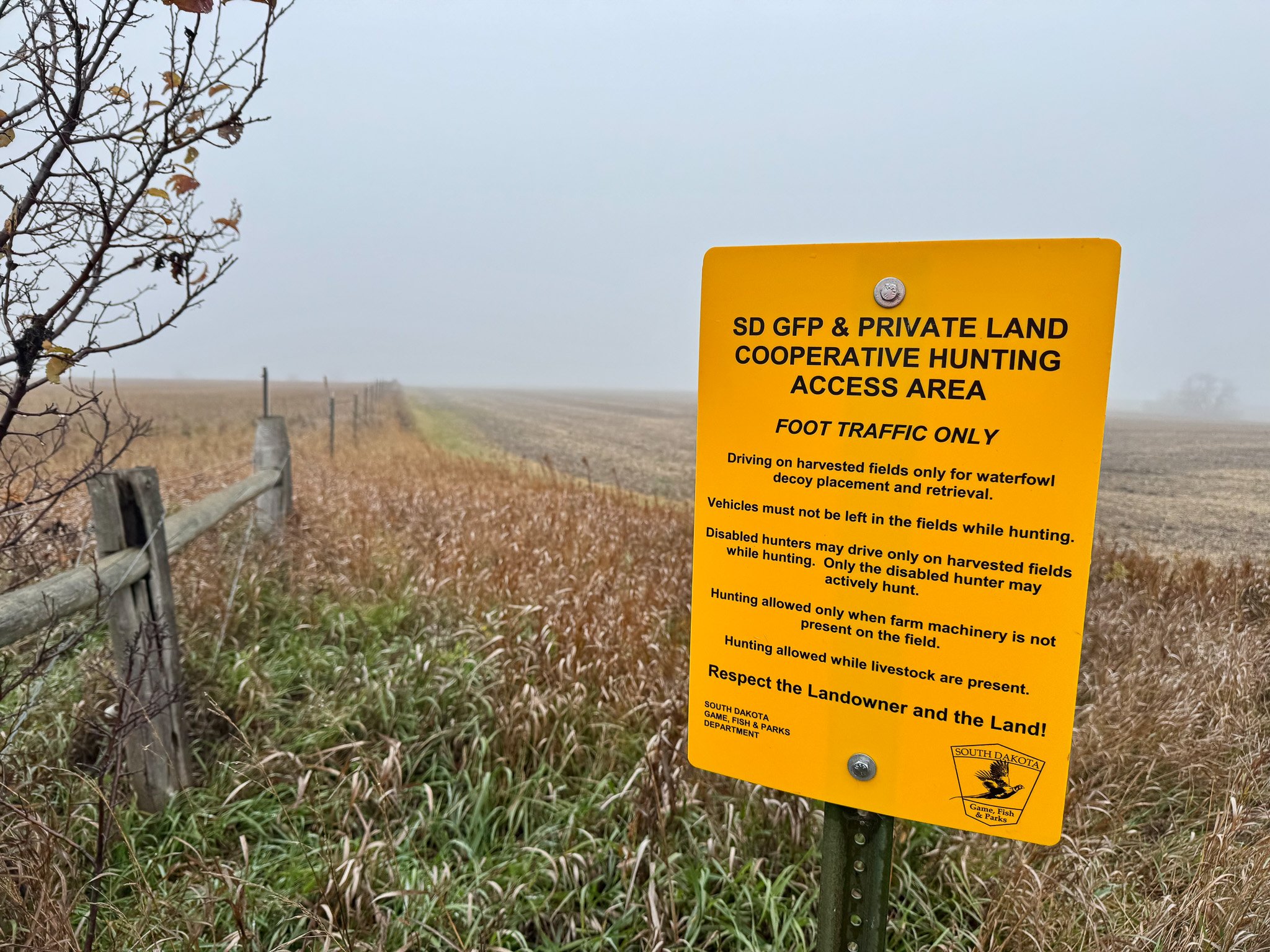
South Dakota has some of the best public-land access around, especially compared to other historic pheasant states like Iowa and Nebraska. There are 1.6 million acres open to public hunting across South Dakota, according to SDGFP. And indeed, I have never once thought to ask strangers for pheasant hunting permission in seven years of bird hunting here, because of the abundance of uncrowded public land. The number of private acres enrolled in public-access programs has also grown over the last decade.
Still, Johnson would like to see South Dakota invest in drivable access to its public lands. (This echoes a larger national debate around what constitutes “access” to public lands.)

“South Dakota’s got a tremendous amount of public land. I think there are things that Game, Fish and Parks can do in managing that land that makes it easier, especially for older hunters, to get on it,” says Johnson. “We might have miles of public land in one tract and the parking lot is out by the road. And it’s fenced off. And so if you wanna get access deeper into the land, you’ve got to be in good physical shape to be able to walk deeper into it.”
SDGFP communications manager Nick Harrington says the agency absolutely cares about resident pheasant hunters and its goal is to recruit, retain, and reactivate as many pheasant hunters as possible. He’s attending a women’s learn-to-pheasant-hunt event Sunday, and also cited the grand opening of the agency’s expanded outdoor campus in Sioux Falls on Thursday.
“This expansion project is important as GFP will be able to offer more programs year-round,” reports KELO-AM, “which will include archery, game processing, and classes taking students on their hunting journey from the field to the table.”

I have volunteered as an instructor at a women’s learn-to-pheasant hunt weekend in South Dakota every August for the last four years. I’ve offered sessions on everything from shotgun basics to bird dog demos to finding promising public hunting spots. These programs, and my hunt with that local teen and other new pheasant hunters I’ve taken out, reminded me of what I’ve learned from years spent reporting on the national hunter recruitment problem. New adult hunters are usually recruited into the sport only after two to three years of continuous mentorship and support from dedicated existing hunters. Youth programs typically only succeed at recruiting kids who are already from hunting families.
The best way to keep family hunting traditions alive, in other words, is to take family hunting — again and again.
When the Birds Bounce Back, So Do Hunters
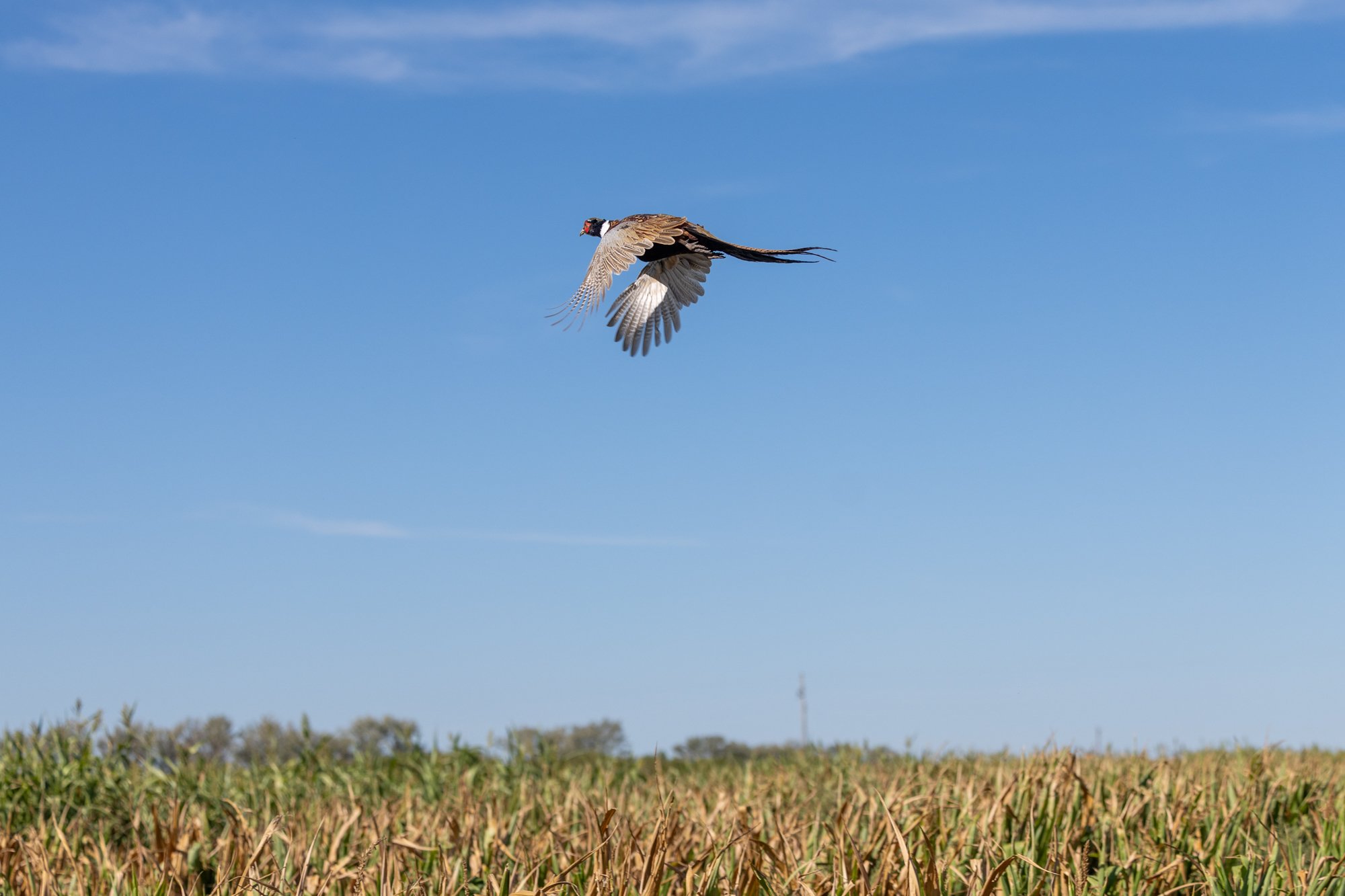
There is one simple correlation around pheasant hunting that’s difficult to ignore: Both resident and nonresident pheasant hunter numbers are linked to wild pheasant numbers. When harsh weather leads to low bird numbers, fewer hunters go pheasant hunting. When winter snowfall and spring rains are mild, bird numbers shoot up, and more hunters buy licenses. This is true in recent years, which have seen excellent bird harvests.
The most dedicated pheasant hunters will keep buying licenses every year, no matter how poor or good the hunting. It’s a tradition, and the best ones, including South Dakota pheasant hunting, will endure as long as there are places to hunt and people there who welcome hunters.
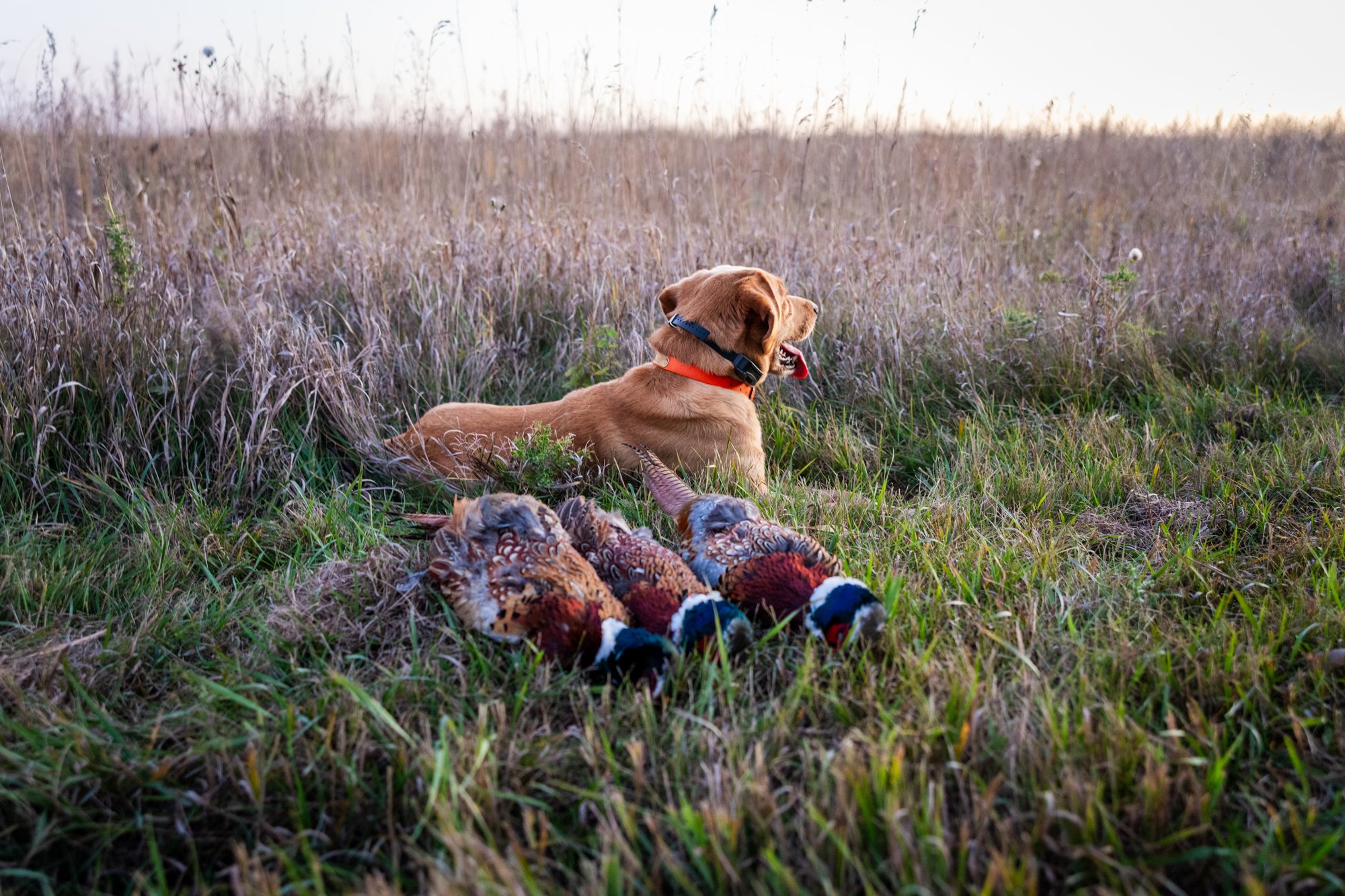
On my way out of my public spot near the hard-working combines, I waved to the young farmer still idling in the grain truck. He stepped out of the cab with a broad smile on his face and, dangling on the step, hollered over the rumble of harvesters.
“Why didn’t you shoot?!”
“I can’t afford to repair your truck!” I shouted back.
He shook his head at that and, still grinning, waved me on.