
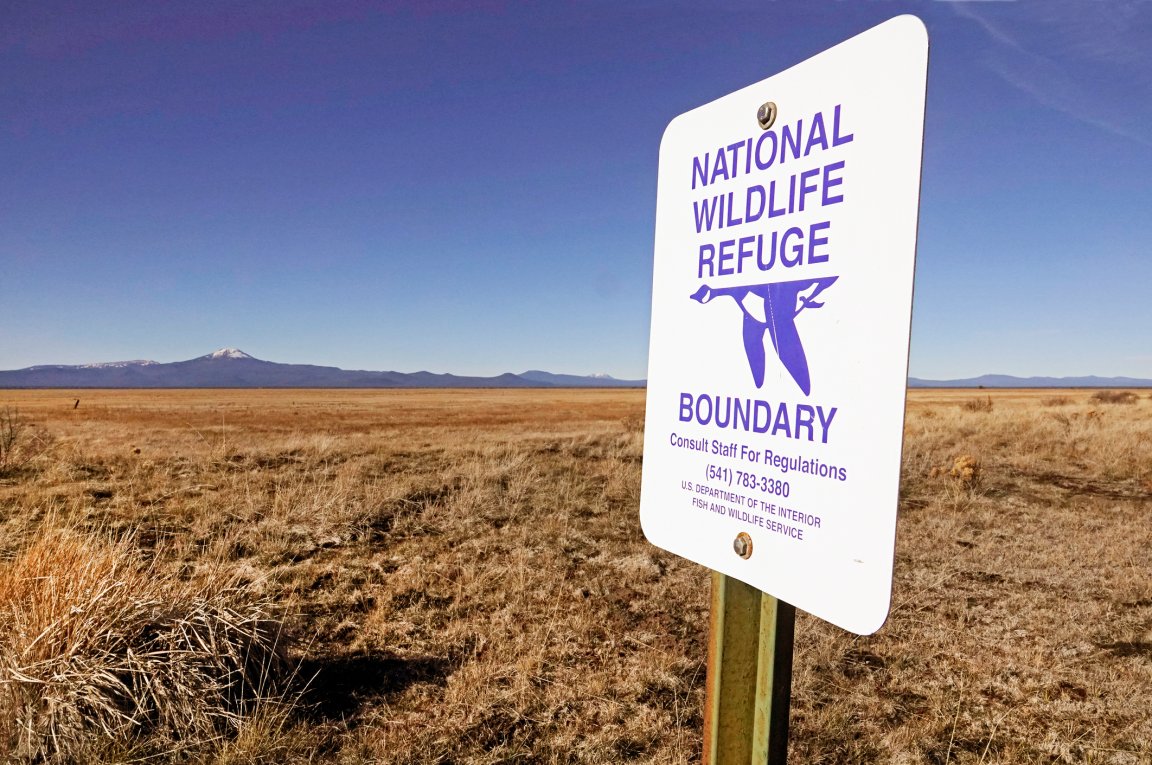
A grand total of 1,488 new hunting and fishing opportunities will be available at 111 national wildlife refuges and fish hatcheries across 32 states this fall, the Department of the Interior announced Thursday.
Following a 30-day public comment period, the federal agency has finalized the draft plan it rolled out in May. While hunting and fishing expansions are routine under modern presidential administrations, this is the largest ever expansion in terms of both properties and total acreage. The move affects 92 million acres, or about 95 percent of the National Wildlife Refuge System lands, according to the DOI.
The final rule is not yet published in the Federal Register, but the DOI says it will be available in time for hunting season. While the figures of affected lands — 107 refuges and four fish hatcheries across 32 states — have not varied from the draft proposal, it’s not immediately clear if any properties or huntable species have been swapped or amended.
While a handful of large properties were slated for major expansion, many of the changes were incremental. The full list of the proposed expansions, as detailed in our previous reporting, is available here:
The final rule will add “first-ever” opportunities at 14 refuges and three hatcheries. This signals “continued progress toward maximizing access where compatible with conservation goals,” says the DOI.
Examples of those brand-new opportunities that were referenced in the draft proposal included opening Grass Lake National Wildlife Refuge to migratory bird, upland game, and big game hunting. Grass Lake NWR is a 4,300-acre complex of wetlands and adjacent prairie in Central Montana that was previously closed to all hunting — largely because it serves as an important migration stop-over for waterfowl.
“This expansion will provide incredible opportunities for sportsmen and women and their families across the country to pass on a fishing and hunting heritage to future generations and connect with wildlife,” U.S. Fish and Wildlife Service Director Brian Nesvik said in Thursday’s announcement. “We are committed to responsibly managing these areas for the benefit of future generations while fulfilling our conservation mission.”
Read Next: USFWS Director Brian Nesvik on the Future of Refuges and Wildlife Conservation
The DOI also referenced sweeping deregulation to federal lands in its Thursday statement, promising “more than 1,000 modifications to existing regulatory provisions” in the final rule. This achieves goals of “reducing complexity and making it easier for hunters and anglers to understand and comply with applicable rules,” the agency said.
The DOI says this initiative falls in line with Interior secretary Doug Burgum’s orders to expand access to public lands, reduce unnecessary regulatory burdens, and remove barriers to hunting and fishing access.
Many conservation groups, including Safari Club International, applauded the expansions when they were detailed this spring. Other groups celebrated the news, but with the caveat that public-land staff reductions and reduced funding will make responsible expansion of hunting opportunities more challenging.
Read Next: First Came the DOGE Cuts, Then Came the Wildfires
“…expanding access to the National Wildlife Refuge System must be matched by meaningful investments in staffing and resources needed to manage these lands and waters effectively,” Backcountry Hunters and Anglers said in late May. “Refuge managers, biologists, maintenance crews, firefighters, and law enforcement staff play a critical role in maintaining habitat, supporting public access, and ensuring quality hunting and fishing opportunities for future generations.”