
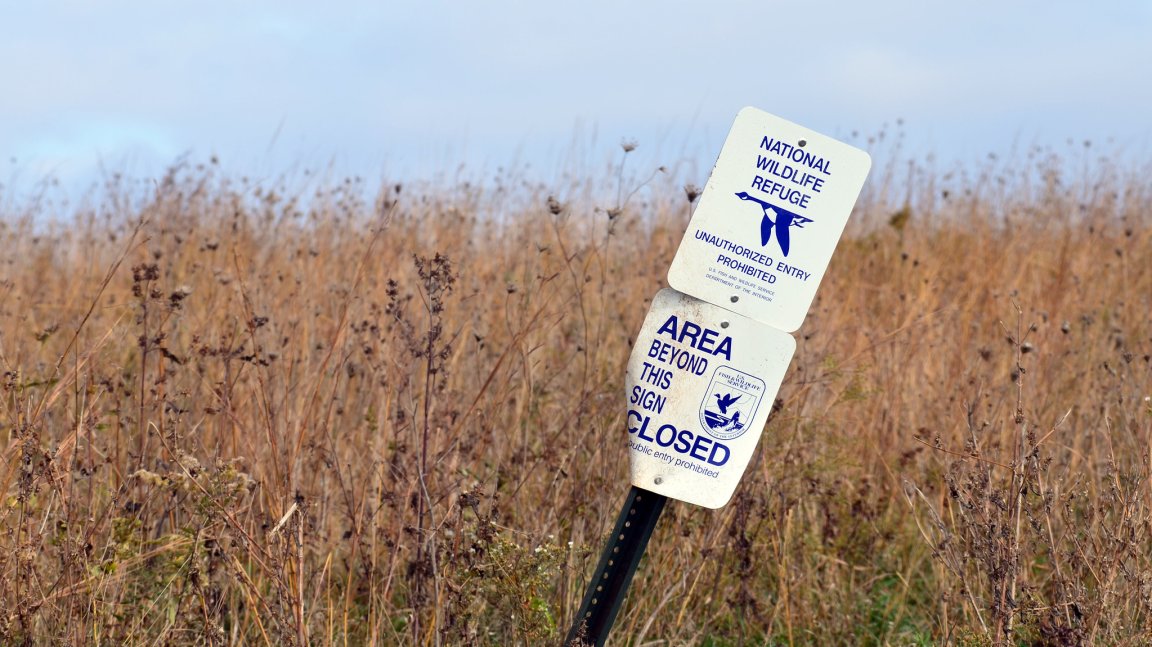
The Interior Department’s announcement earlier this week of new and expanded hunting and fishing opportunities on national wildlife refuges and other federal lands include more properties and acreages than any previous administration has proposed.
In all, 107 national wildlife refuges and another four national fish hatcheries will have new or expanded hunting and/or sport fishing opportunities, if the draft proposal is finalized following a 30-day public comment period. The expanded opportunities apply to 76 National Park Service units — mainly national seashores, national recreation areas, and national preserves — where hunting was already federally authorized. (You can jump down to the full list of affected public lands here.)
Even more significant than the acreages affected, the administrative change signals an important priority for the Interior Department, that the U.S. Fish & Wildlife Service will assume its refuges are open to hunting and fishing unless closed. That’s a departure from previous administrations, in which refuges and Park Service properties were considered closed to hunting and fishing unless specifically open.
The open-unless-closed policy on federal lands was first articulated in Interior Secretary Doug Burgum’s Secretarial Order 3447, issued in January.
The hunting community has heaped praise on the Trump Administration and Burgum for the turn-around. In a statement, Safari Club International notes that “Hunters and anglers play a pivotal role in land, water, fish, and wildlife conservation in the U.S. and the NWRS [National Wildlife Refuge System] is a key facilitator in those efforts.”
SCI pegged the total acreage that could be open or expanded to hunting at 2,084,538 acres. The actual new opportunities detailed by USFWS and NPS is significantly less than that, but it adds up to several hundred thousands of acres of land managed mainly for wildlife and habitat conservation. Most new and expanded opportunities on refuges would conform to the state regulations on adjacent non-federal lands and could take effect as early as this fall’s hunting seasons.
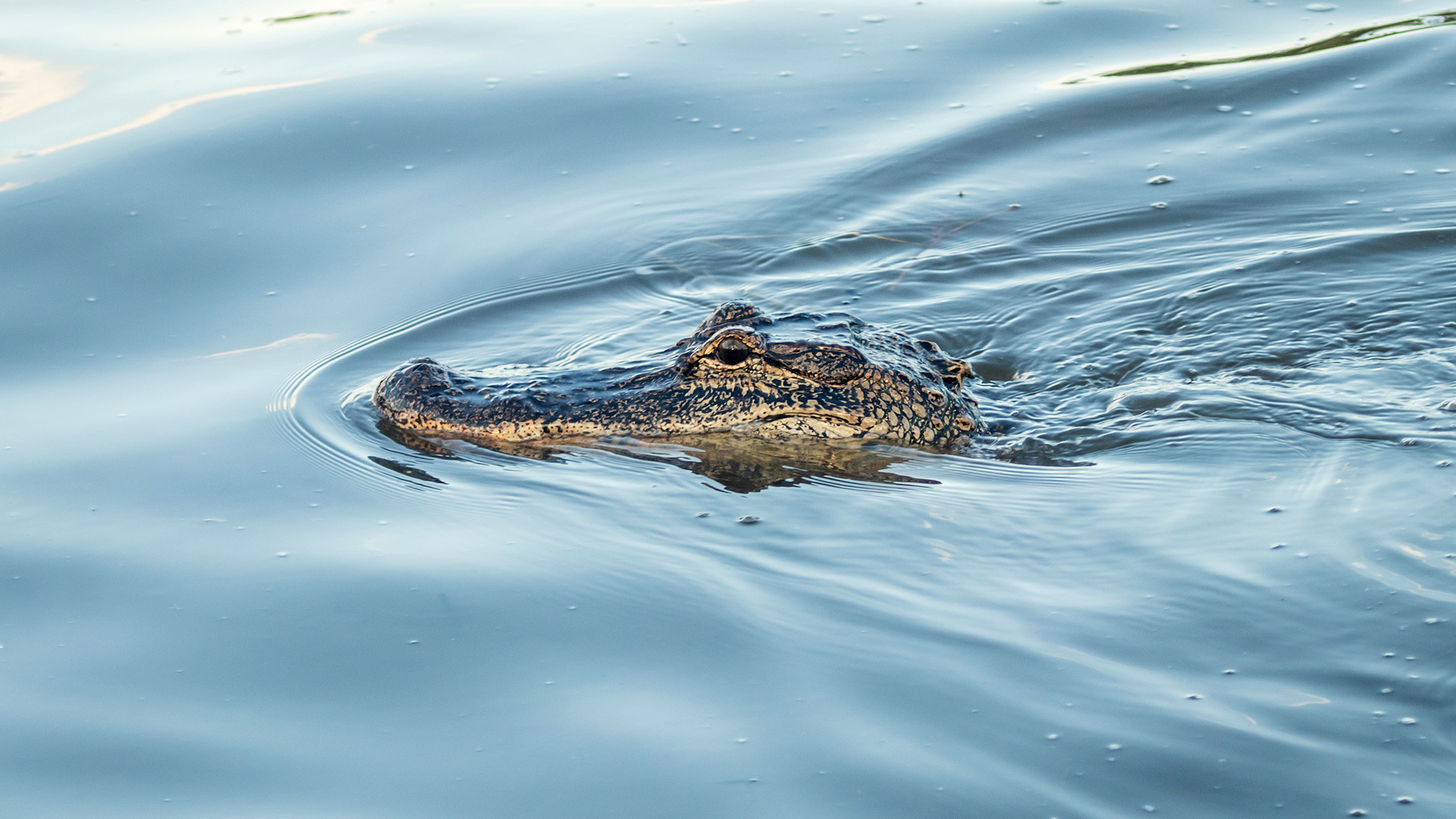
But some of the opportunities, especially those on NPS properties, are management allowances for very specific activities. On the Jean Lafitte National Historical Park in Louisiana, for instance, a longtime ban on alligator hunting is lifted. On the Curecanti National Recreational Area outside Gunnison, Colorado, the change amounts to a lifting of restrictions on firing weapons near trails. And on Minnesota’s Mississippi River National River & Recreation Area, a ban on tree stands is lifted.
Specifics of the open-unless-closed policy have been hard to round up, but they were confirmed in January by USFWS director Brian Nesvik in interviews with Outdoor Life. But at that time, details of the order were scant.
This week Outdoor Life obtained the full list of national wildlife refuges that are proposed to host either new or expanded hunting and fishing opportunities. While some refuges have meaningful new opportunities, including those on a number of properties that have recently been acquired by USFWS, others have only small and incremental expansions of hunting.
Big Hunting Expansions on Federal Land
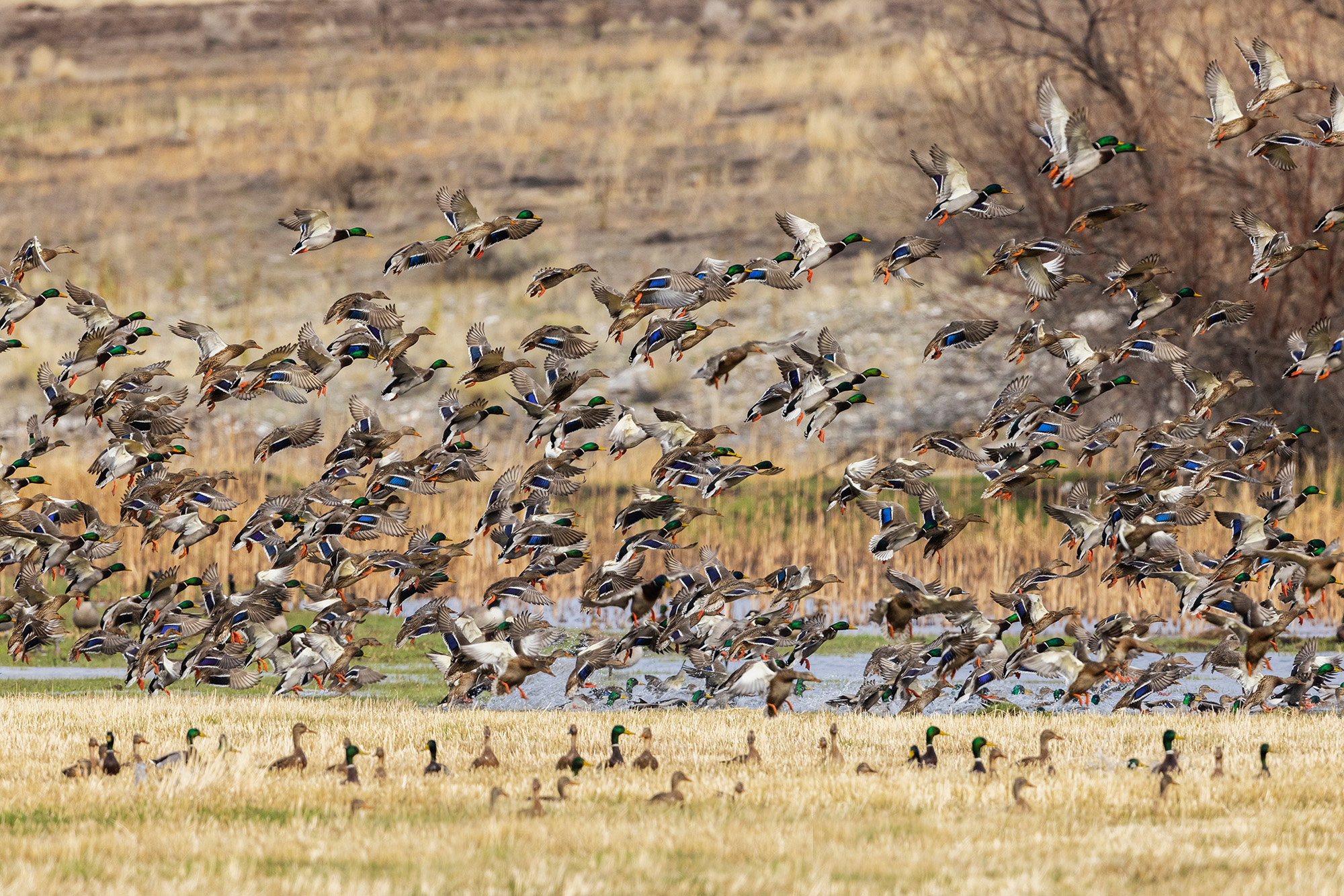
On the other hand, SO 3447 and the subsequent Interior rules, have created some significant new opportunities. For instance, on Grass Lake National Wildlife Refuge, a 4,300-acre complex of wetlands and adjacent prairie in central Montana (it was previously called Halfbreed NWR), hunting for migratory birds, upland game, and big game would be allowed under Interior’s proposal. The refuge was previously closed to all hunting, largely because it serves as an important migration stop-over for both north- and south-bound waterfowl. Nearby Hailstone NWR, which has historically been open for migratory bird and upland hunting, would now be open to big-game hunting, according to the Department of the Interior roster.
Neal Smith National Wildlife Refuge in Iowa, a 6,000-acre property established in 1990 to protect and restore native tallgrass prairie and oak savannas, would be newly open to waterfowl and upland hunting and its big-game hunting would be expanded.
The large-scale expansion of hunting and angling opportunities on national wildlife refuges, arguably America’s most valuable wildlife habitats, raises a question: Would the activities disrupt the conservation value of the properties? It’s a question that former USFWS director Steve Williams, who led the agency under the second George Bush, has asked as the Interior has implemented SO 3447.
Williams is mainly concerned that, with $4 billion in cuts to Interior agency staff and budgets in the One Big Beautiful Bill, refuge administrators will struggle to adequately balance conservation and wildlife management with increased recreational opportunities.
Outdoor Life talked with Williams in March, as the USFWS initiated a review of its refuges and hatcheries to confirm that they “align with the mission” of the agency and the purpose for which the properties were acquired. The Trump Administration’s Department of Governmental Efficiency was freshly in the news, and Williams worried that mission review could be a pretext for disposing refuges.
“I find it interesting that the mission review was announced around the same time as the Secretarial Order on hunting and fishing on refuges,” says Williams. As director “I started a review of NWR hunting programs and required CCPs [Comprehensive Conservation Planning] to include analysis of hunting and fishing opportunities over 20 years ago, so that is nothing new. We opened hunting and fishing programs on dozens of refuges.”
Indeed, every administration has announced incremental expansions of hunting and fishing on national wildlife refuges. But it’s fair to note that none has achieved the acreages and number of properties in this month’s announcement, just as no previous administration has declared that refuges are considered to be open to hunting and angling unless specifically closed.
Minor and Unclear Expansions
An example of one of those smaller expansions is the Green Lake National Fish Hatchery in Maine. One of the largest and most consequential hatcheries for Atlantic salmon restoration, the station is listed as “New Station” although the hatchery has been in operation since 1973. The Interior opportunity roster notes the 129-acre facility would remain closed to sport fishing but could offer new opportunities for migratory bird, upland game, and big-game hunting.
The Interior roster notes that Bear Lake National Wildlife Refuge in southeast Idaho would be open to both migratory bird and upland hunting, based on SO 3447. But 40 percent of the refuge has been open to reservation-managed waterfowl hunting for years. It’s unclear if the proposal would expand waterfowl hunting to the full property or for additional species while it creates new opportunities for upland hunters.
Likewise, the Interior roster notes that migratory bird, upland, and big-game hunting would be opened or expanded on Detroit River International Wildlife Refuge, a 6,300-acre, multi-unit refuge just south of metropolitan Detroit. Most refuge units currently allow waterfowl, upland and small- and big-game hunting. But the roster includes the refuge on its list of opened and expanded opportunities for each of those pursuits.
And on sprawling Columbia National Wildlife Refuge in southeast Washington, USWFS would expand upland game hunting. The roster notes that new migratory bird hunting opportunities are upcoming, though the refuge is already a Mecca for Pacific Flyway waterfowl hunters, so it’s unclear if additional acreage on the refuge would be open to hunting or if additional species would be huntable.
Suspension of Certain Nontox Regulations
Another significant change: This week’s Interior announcement contains a “special topic” that’s buried in the administrative narrative. It’s a proposal to suspend regulations that banned the use of lead shotshells, bullets, and fishing tackle on nine national wildlife refuges, regulations that were approved in the Biden administration and which were scheduled to go into effect in September.
The affected refuges are:
- Patoka River NWR in Indiana
- Blackwater, Eastern Neck, and Patuxent Research refuges in Maryland
- Chincogeague and Wallops Island NWRs in Virginia
- Erie NWR in Pennsylvania
- Rachel Carson NWR in Maine
- Great Thicket NWR in multiple states
The USFWS’s Nesvik previously told Outdoor Life that the Service would take a hard look at lead restrictions and suspend or rescind those that weren’t justified by clear and objective science.
Related: Stevan Pearce Confirmed as BLM Director, Despite His Position on Public Land Sales
This week’s Interior proposal to expand hunting and angling opportunities was published in the Federal Register yesterday. The publication starts a 30-day public comment period. Comments must be received by June 26, and following agency review, final rules are likely to be published later in the summer.