

Members of Congress took another solid step this week toward passing an updated Farm Bill and conservation groups are hoping they can keep the momentum going. On Tuesday Senator John Boozman (R-Arkansas), chairman of the Senate Committee on Agriculture, Nutrition and Forestry, released a draft proposal for what he’s calling Farm Bill 2.0. This follows the House’s approval of its own version, known as the Farm, Food, and National Security Act, in April.
Groups like Pheasants Forever and Quail Forever welcomed Tuesday’s news, as they’ve spent years pushing Congress to pass a new Farm Bill — one that better aligns with the needs of modern-day farmers and builds on crucial programs benefitting wildlife conservation. The last time Congress passed a comprehensive and bipartisan Farm Bill was in 2018, and it expired in 2023.
“A lot has changed in the world of agriculture and conservation since 2018. There are now different needs and different tools that we can use to help with that,” says Andrew Schmidt, director of governmental affairs for PF and QF. “So it has long since been time to pass a new Farm Bill. And we’re excited that now, with the House having passed their bill, we’re seeing some movement in the Senate.”
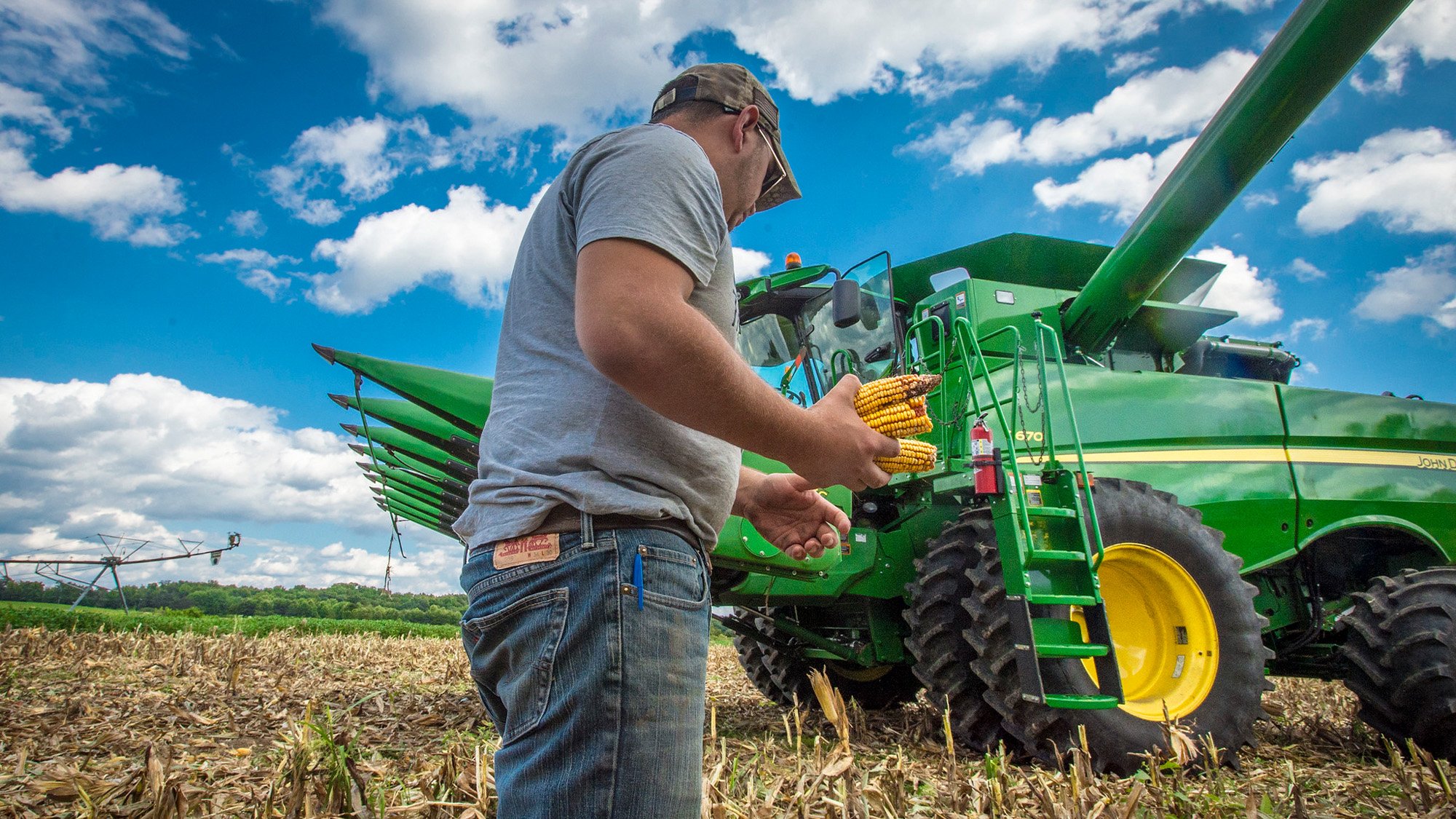
In the three years since the last Farm Bill expired, Congress has been able to authorize and fund most (but not all) of its key components through short-term extensions. Schmidt says last year’s passage of a sweeping reconciliation bill helped sustain most of the conservation programs that help farmers better manage their lands (or at least portions of their lands) for wildlife. The one exception has been the Conservation Reserve Program, better known as CRP, which pays farmers to keep some of their acreage out of production in order to maintain quality habitat for upland birds and other wildlife.
“Each year, the CRP has lapsed in authorization at the end of the fiscal year, and it’s required an extension to get back up and running,” Schmidt explains. “So we’ve lost the ability to enroll some acres, because it takes time to start that program up again … Those short-term extensions just take away a lot of certainty and predictability for farmers and ranchers.”
“If I’m having trouble paying the mortgage on my house, I might rent out my basement, right? We can provide the same thing for farmers, and CRP can be a vital part of that safety net.”
And if there’s one thing farmers have plenty of today, it’s uncertainty. Between rising fuel and fertilizer costs, persistent drought, land use changes, and generational turnover, margins are tight across many parts of ag country. This is where a program like CRP pays dividends, not only to pheasants and pollinators, but to the farmers themselves.
“If you’re having trouble making ends meet, we should be able to give you another option of what to do with some of that land, especially if it’s not yielding or producing as good of a crop,” Schmidt says. “If I’m having trouble paying the mortgage on my house, I might rent out my basement, right? We can provide the same thing for farmers, and CRP can be a vital part of that safety net.”
Fine-Tuning CRP
Boozman’s draft proposal includes some significant changes to revitalize and modernize the Conservation Reserve Program. Schmidt says most of these updates were pulled directly from the CRP Improvement and Flexibility Act that senators John Thune (R-South Dakota) and Amy Klobuchar (D-Minnesota) introduced last summer. Among those updates is better cost sharing for management activities like prescribed burning, which are often required of landowners as part of a CRP contract. These activities are not currently eligible for cost share, but under Boozman’s proposal, the federal government would cover 50 percent of those costs.
Schmidt says the cost sharing model would also extend to grazing infrastructure — things like fencing and water delivery tools.
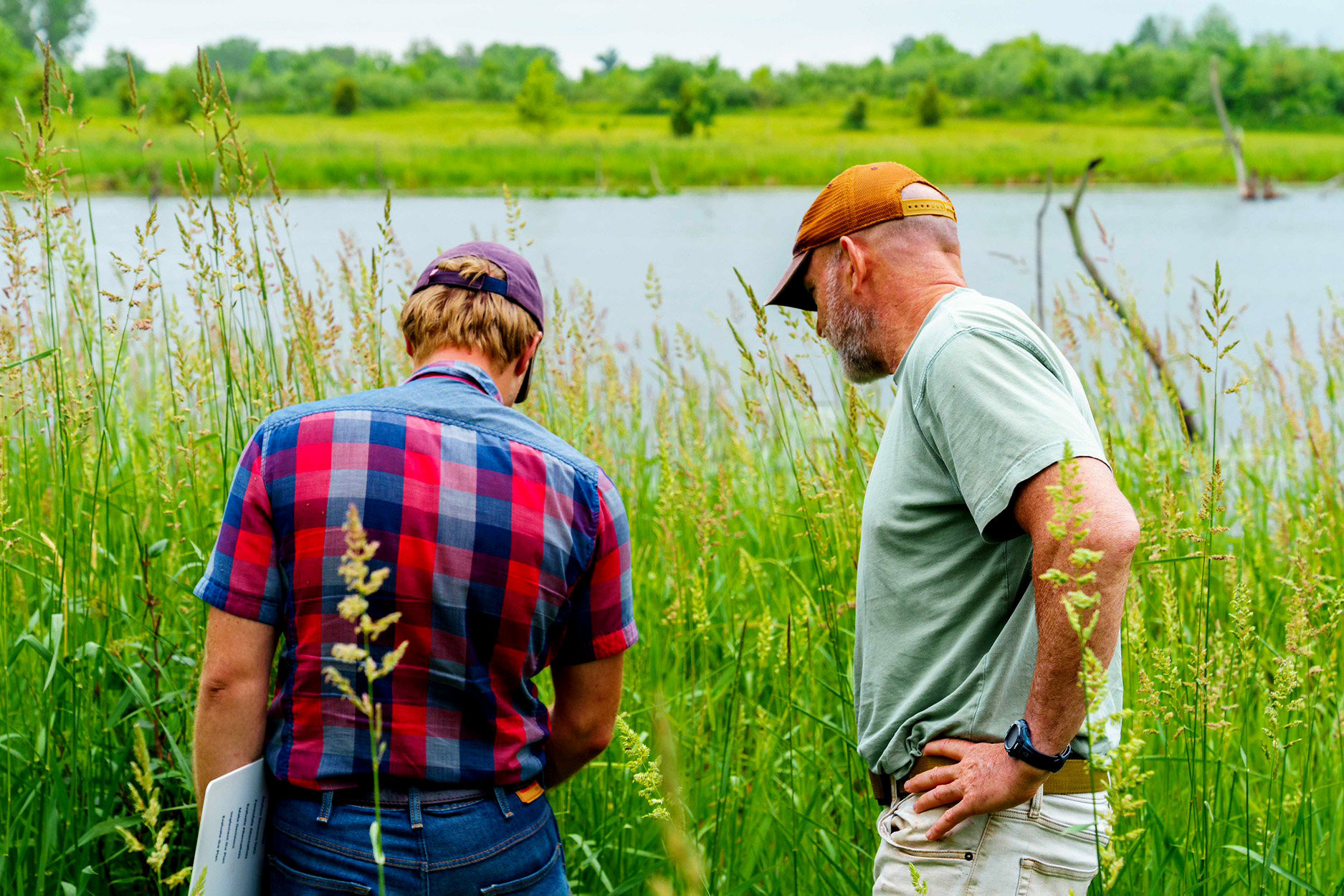
Another major update to CRP is more than doubling the payments that farmers can receive for enrolling their acreage. That limit would increase under the current proposal from $50,000 to $125,000. That is significant, Schmidt says, because the $50,000 limit has not changed since 1985.
Although CRP was a major focus of wildlife and conservation groups, there are many other facets to Boozman’s current proposal. (The full text is more than 900 pages long.) Some highlights, according to Schmidt, are:
- Better incentives for precision agriculture technology
- Better assistance for wildlife management easements
- A more streamlined process for technical service providers, who can help landowners enroll in programs and write conservation plans.
It would also create two brand-new programs: a forest conservation easement program, and a state conservation assistance program.
The latter is meant to facilitate more collaboration between state agencies (be it a wildlife agency or a natural resource agency) and landowners to help implement more tools and programs benefitting wildlife, soil health, and water quality. These programs might seem like small tweaks, Schmidt says, but some of them are sorely needed and could make a big difference on certain properties.
“One example is virtual fencing. It might have been around in 2018, but it was more cost prohibitive, it wasn’t widely available, and it certainly was not something anyone was thinking about putting in Farm Bill statute,” Schmidt says. “But here we are in 2026, and there is a real need to update rules and definitions to make sure that producers can access cost-share for virtual fencing if that’s something they want to use. So that’s really a poster child example of the things that need to be updated.”
Remaining Hurdles
There are still several hurdles to clear for a modernized Farm Bill to become law, however. Boozman’s proposal is technically a discussion draft. So while it hasn’t been officially introduced, this will allow other Senators and stakeholders to provide feedback over the summer.
Read Next: How to Get Your Own Private Hunting Property (and Improve its Habitat)
Boozman is now working to build more bipartisan support around the proposal to ensure they can get past the 60-vote threshold. Schmidt says their hope is to have a markup in committee by the August recess. At that point, the Senate version would have to be reconciled with the House version before the clock runs out at the end of the fiscal year. Schmidt says the current Farm Bill extension expires on Sept. 30, but that historically, the end of the calendar year has been the “drop-dead deadline” for passing a new Farm Bill.
“What’s really important is that they get this done by the end of the year. Because if they don’t, we’ll have to start all over again.”