
We may earn revenue from the products available on this page and participate in affiliate programs. Learn More ›
Over the past 20 years, I’ve shot, competed with and hunted with everything from selfbows to compounds. If there’s a mistake you can make while shooting a bow, I’ve done it. Luckily, I’ve also had the chance to learn from world-class coaches, Olympians, and the best archers in the world. So I’ve learned how to fix the worst errors and spot trouble in other bowhunters.
Here are five common archery mistakes that new and experienced bowhunters make that ultimately cost opportunities in the field.

Grip
The easiest archery flaw to fix is also one of the most common ones. When you grip your bow properly, it becomes easier to tune, and your accuracy will improve because you won’t induce inconsistent torque into the bow. To grip your bow, place your hand as high as it will go in the grip, turn your knuckles so they’re at a 45-degree angle to the riser and make sure the bow touches your hand only between your thumb pad and lifeline.
Read Next: How to Grip a Compound Bow for Better Hunting Accuracy
Relying on Autopilot
Have you ever used the wrong pin, forgotten to look through your peep or fired as soon as your pin was close to a deer’s kill zone? Those mistakes happen because you’re relying on your subconscious to shoot the bow.
In the backyard, you can let your subconscious run the shot. Heck, you could shoot half asleep and do all right. But shooting under pressure is a different story. You can’t trust your subconscious in those situations because it will take shortcuts to skip to the ultimate goal — firing the arrow. It’s a lot like AI: It finds the most efficient solution, and wiping you out might be mere collateral damage.
Instead of relying on autopilot, you need a firm shot process that you fully control. Make a list of the key steps of your shot and check them off one by one. This keeps you in the present and focused on the process, not the result.
Read Next: Target Panic! Joel Turner and Joe Rogan Talk Archery
Assuming Your Bow Is in Tune
With time and repetitions, your strings can move, which affects your bow’s tune and sight tape. Don’t be one of those hunters who misses an easy shot because their sight was off or their drop-away rest timing changed. Every month or so, check your sight and rest timing, shoot your bow through paper and make sure your broadheads are in tune.
String Pressure
When you first learned to shoot a bow, someone probably told you that you need a consistent anchor point. But that doesn’t mean you need to anchor the string into your face. Pressing your face or your nose against the string causes oscillation, which leads to left-and-right inconsistencies. The string can touch your face, but only lightly.
Fighting the Bow
If you find yourself trying really hard to hold your bow steady, you’re approaching archery the wrong way. A steady aim is the result of your form and bow setup. There’s no muscling your way to it. You also can’t make your pin stop moving. The goal is for your pin to have a slow, consistent float around the spot. Once you achieve that, your next job is to focus on shot execution.
A Final Tip
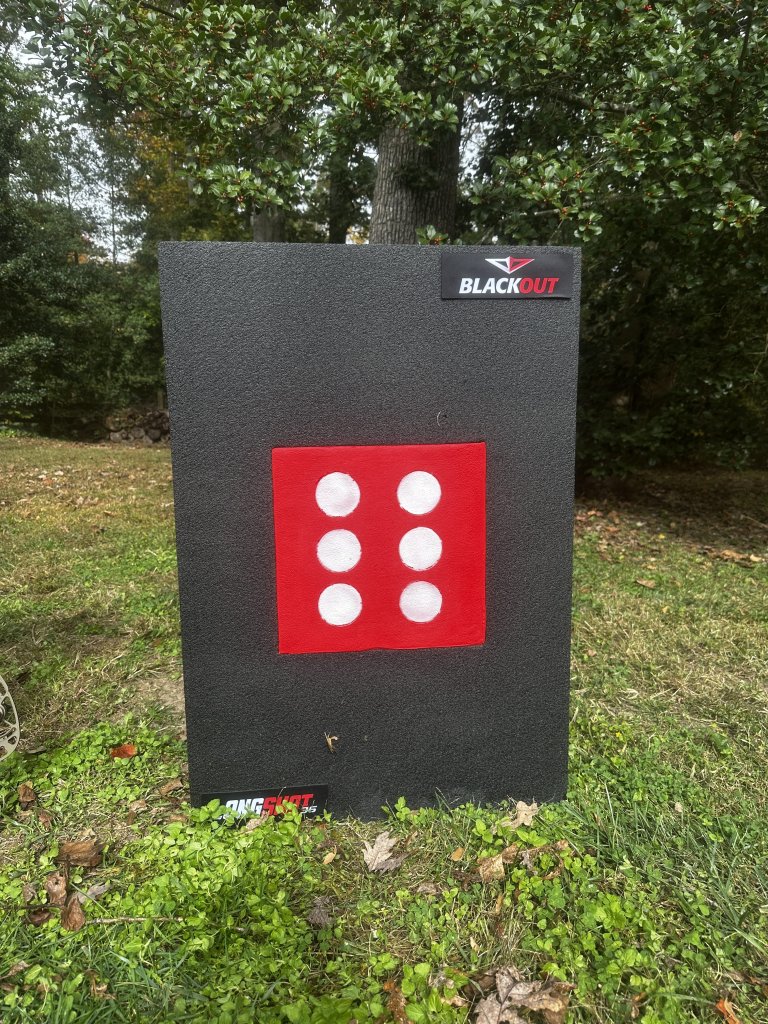
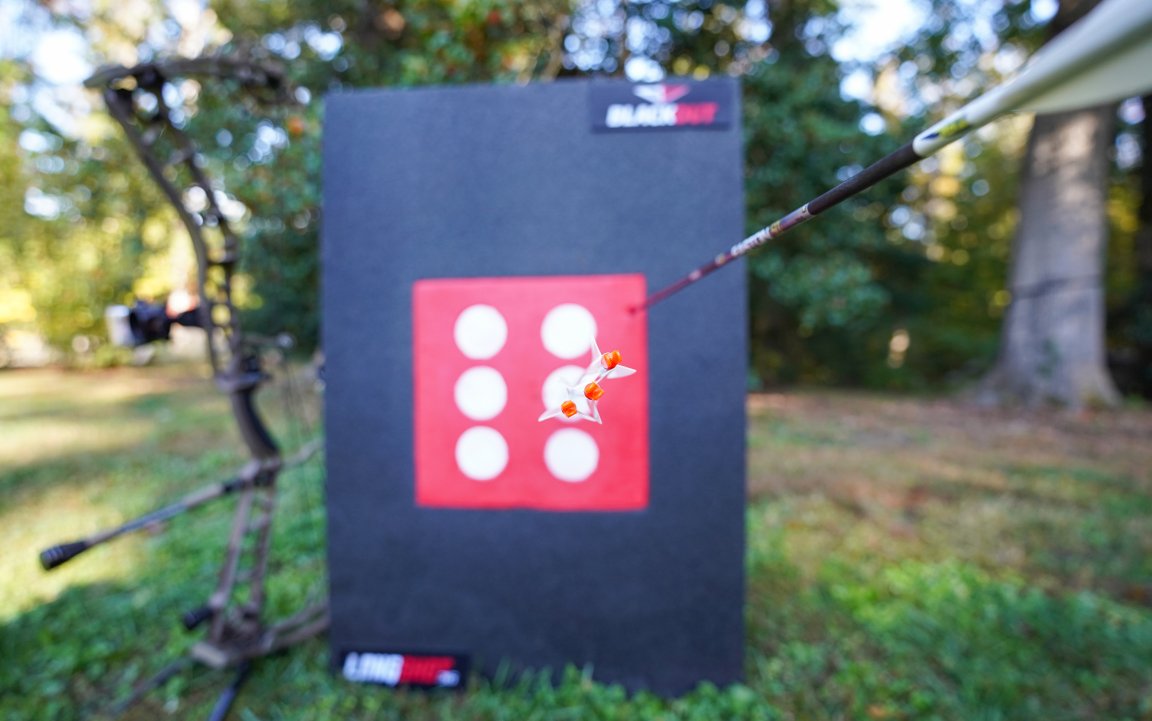
When you make a change to your archery form or your bow, it’s normal for your accuracy to suffer at first. Trust the process during that learning period, and shoot at a big target such as the Blackout Longshot 36. The goal during the period is to get used to your change and not care about accuracy until your shot feels good again.