
We may earn revenue from the products available on this page and participate in affiliate programs. Learn More ›
Trail cameras are the most significant product in whitetail hunting strategy since the invention of the treestand. Before they came along, we would wonder if deer were using a trail and what time they walked it, and now we get those answers delivered right to our phone.
One nagging problem is the wind. Forecasts aren’t reliable and the wrong wind will absolutely ruin your day. Tactacam is looking to solve that issue for hunters with their latest trail camera accessory, the Wind Sensor. Here’s a look at how it works and my initial thoughts after testing it in the field.
Tactacam Wind Sensor Specs and Features
- Batteries: 3 AAA
- Compatible with Reveal 3.0 or newer trail cameras
- Must be within 55 feet of a camera
- Reads wind speeds from 0 to 55 mph
- Price: $60
Plans
You’ll need a separate plan for your wind sensor, which costs $5 per month.
Set Up
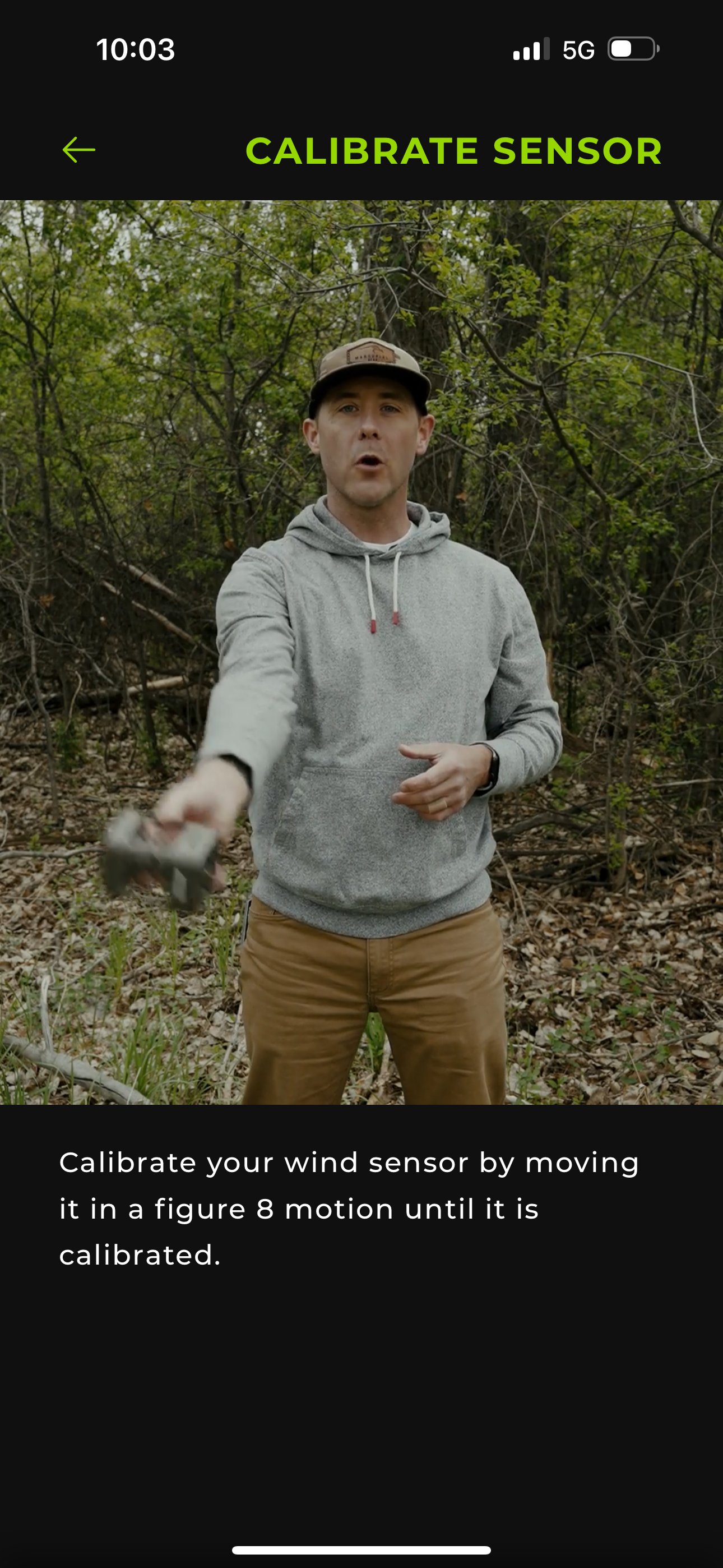
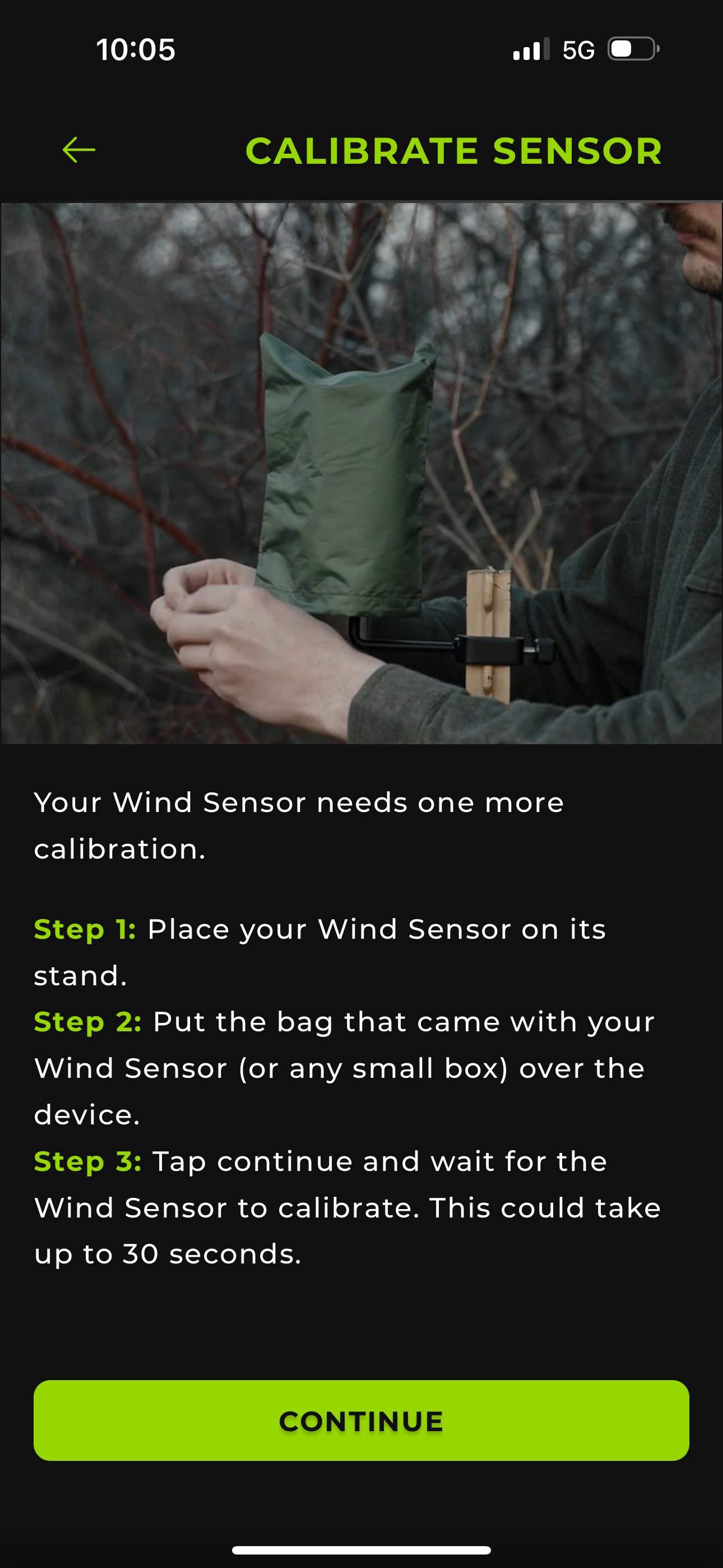
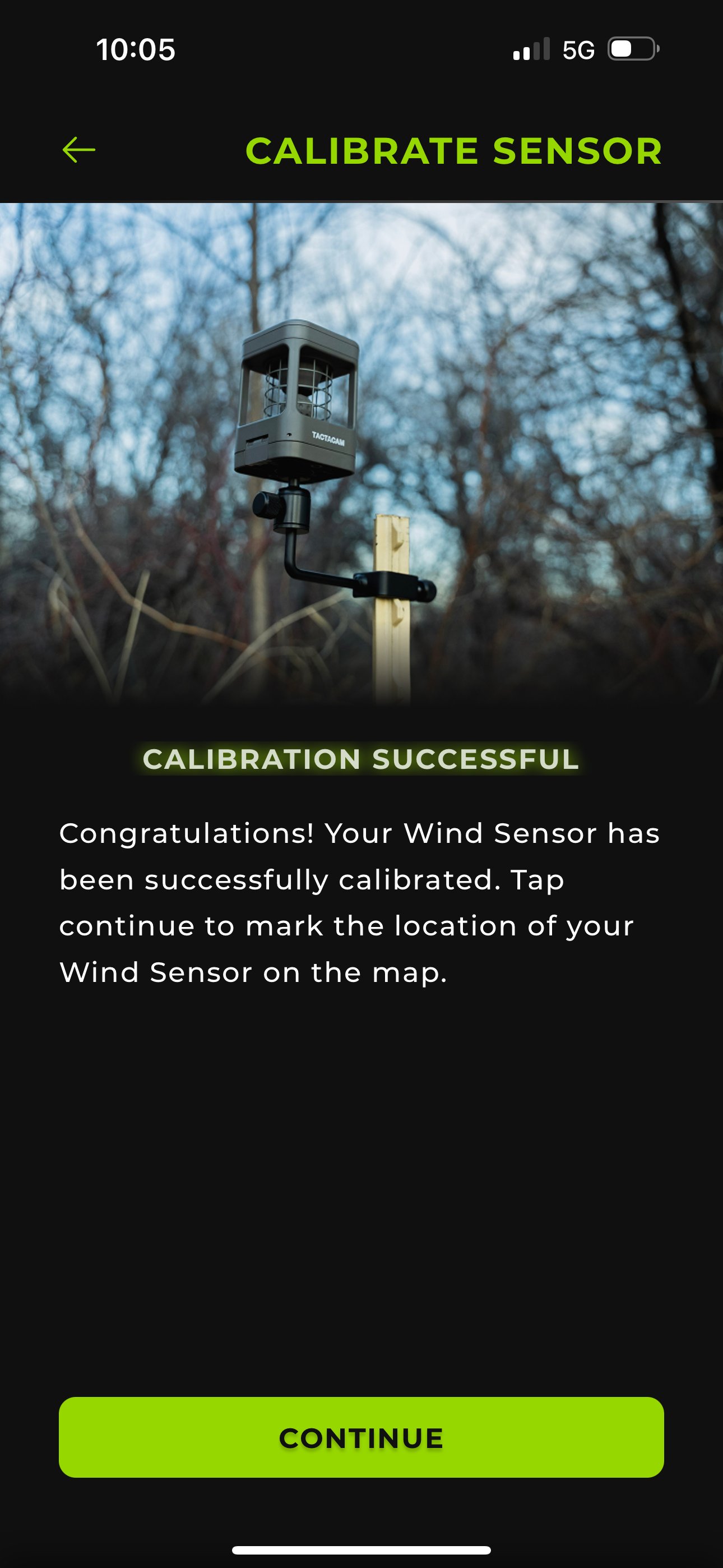
Before you set up your Wind Sensor, it’s important to know that it must be mounted on a T-post or trail camera stake. The sensor comes with a T-post mount. You’ll also need the bag that comes with the camera, so don’t throw that out.
The setup process starts with scanning the QR code. Then the Reveal app will walk you through calibration and connecting the wind sensor to your camera. There are even helpful videos during the setup process that make it really easy.
App Interface
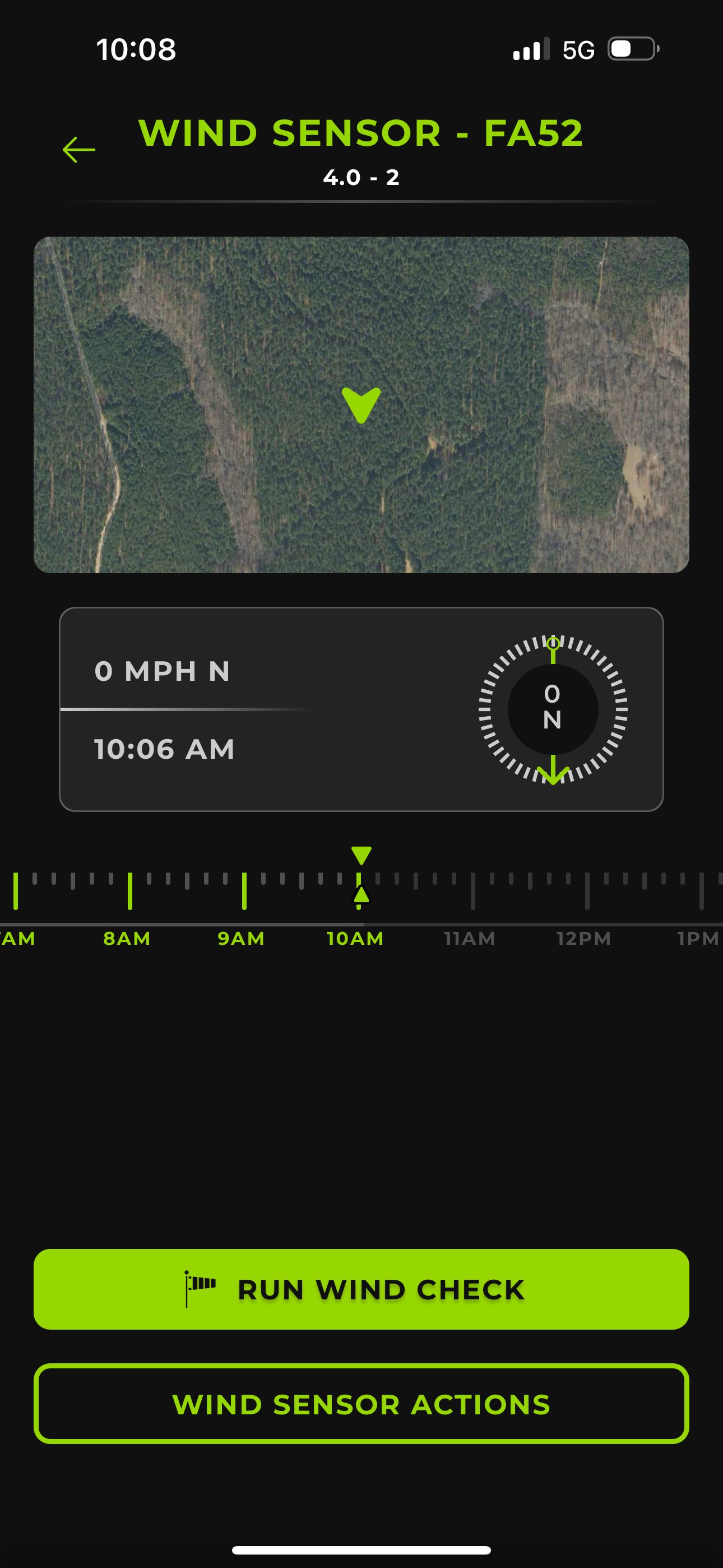
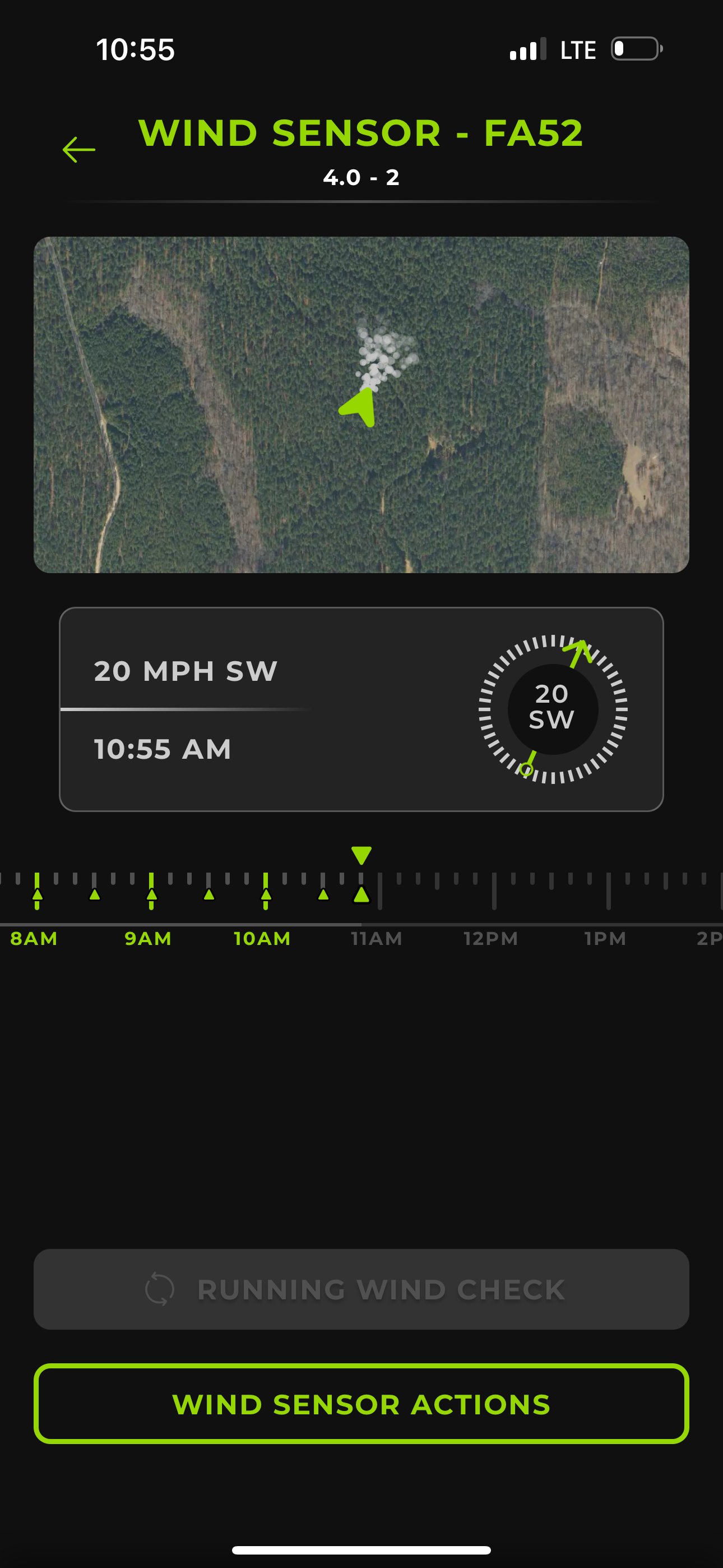
Within the Tactacam app, you’ll see the Wind Sensor in your “Cameras” section. It will be just under the camera it is synced to. Click on the Wind Sensor and you’ll see a map with the sensor’s location and a timeline of wind readings. You can request a “Wind Check” for an updated reading or scroll back to see what the wind was doing earlier in the day.
Testing the Tactacam Wind Sensor
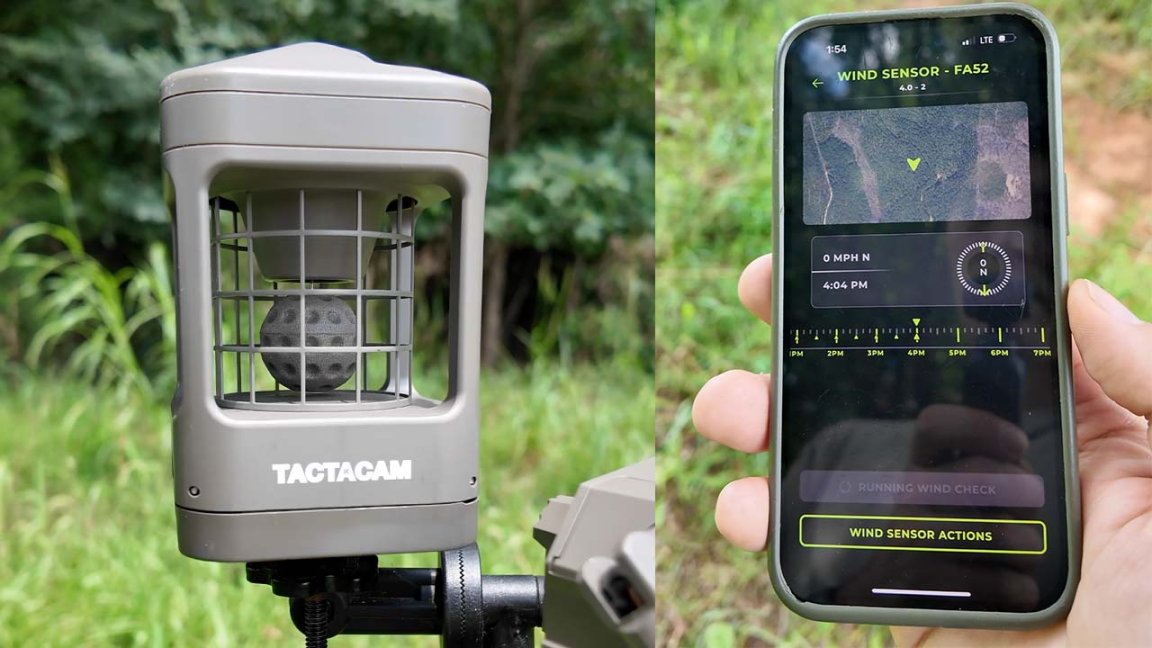
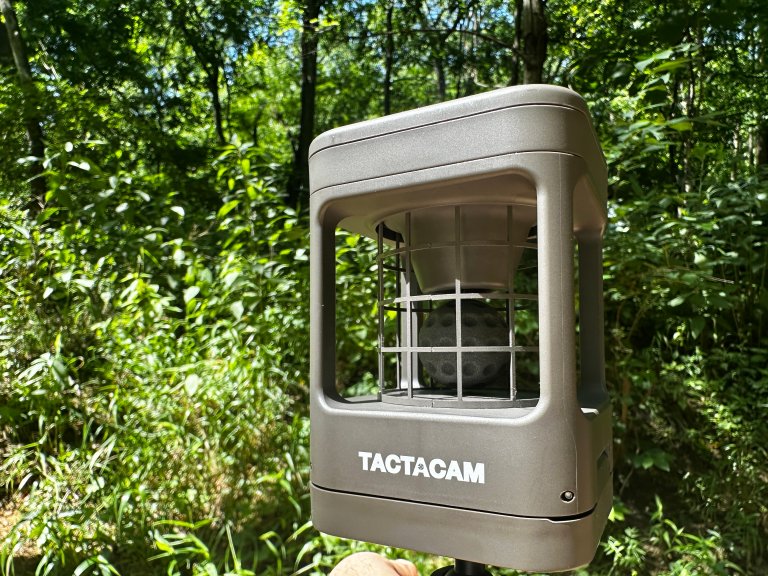
The Wind Sensor doesn’t look anything like a weather station or any other device that collects wind speed and direction data. The sensor is just a dimpled ball hanging on a wire that’s inside of a cage. So my first question was, does this even work?
To test the Wind Sensor’s accuracy, I went out on a breezy day and held my Vortex Ace next to the sensor to compare the wind readings. They were a match at 4 mph. I then tested if the device could read high wind speeds by using a leaf blower. The Wind Sensor clocked it at 40 mph, and the ball in the cage was certainly rattling at those speeds.
After testing the Wind Sensor a little, I put it in a spot that has unpredictable winds: a creek bottom with a steep ridge on one side and a pine plantation on the other. After a night of storms, the wind sensor showed almost no wind most of the night. I went back to that spot and stood next to the wind sensor as gentle gusts moved through the woods. I noticed the wind sensor read 0 mph when there was some wind movement, although faint and not constant.
Those faint, mouse-fart winds are the most difficult to hunt, and I was hoping the wind sensor might help me predict them. But that doesn’t seem to be the right use case for this tool. I think the best place to put these is in open areas like fields, open hardwoods, or wide trail intersections. In those locations, you’ll get more reliable exposure to the predominant wind direction, and you’ll get actionable information.
Final Thoughts
The Tactacam Wind Sensor isn’t going to replace your film canister of milkweed. But it might replace your favorite weather app. With a few of these sensors on a property, you’ll be able to get a pretty clear picture of what the wind is doing on a particular day. Choosing a stand and approach route based on that real-time data is just another small edge that makes fooling a whitetail’s nose a little easier.