
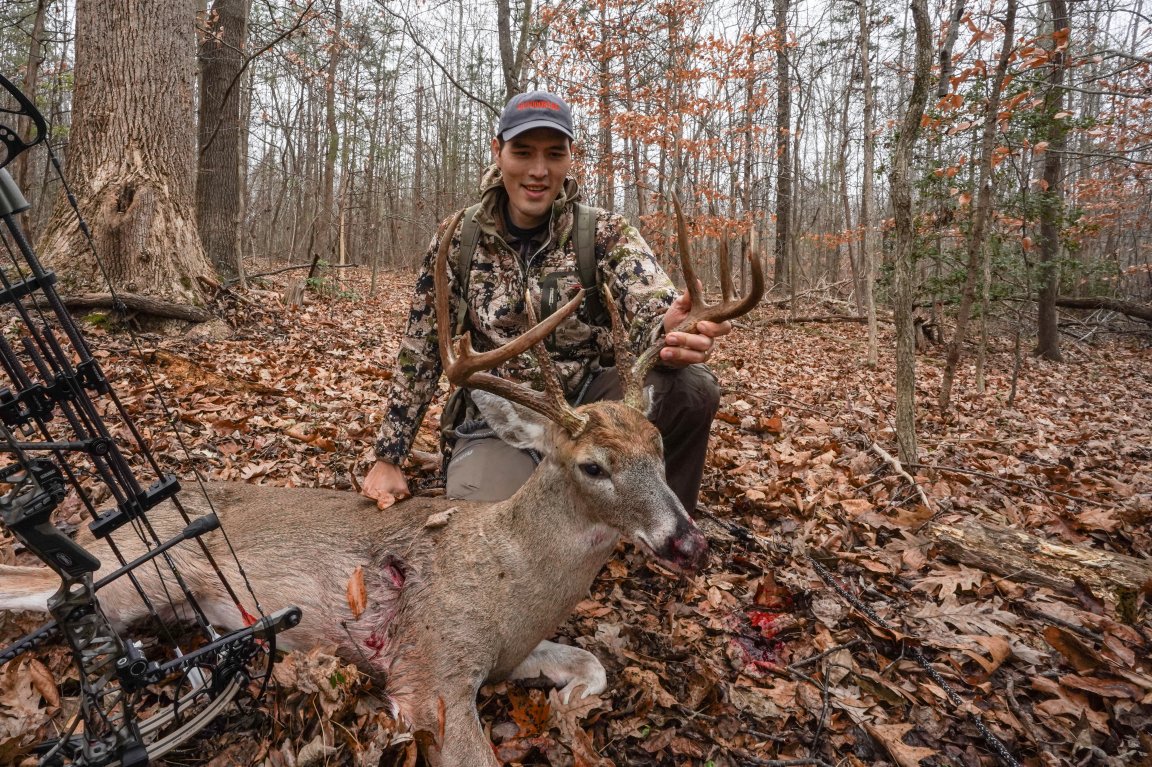
The most important factor in successfully killing a deer with archery equipment is shot placement. You want your sharp broadhead to hit the heart or both lungs. And ideally, you want to create an entrance and an exit wound. That’s because your bow, arrow, broadhead, and fletching won’t matter if you don’t know where to aim to hit those vital organs. Here’s a guide on the basics for making a clean, lethal shot this season and how to practice on a 3D target.
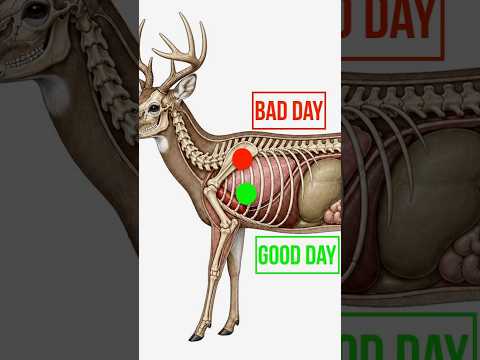
Where Not to Aim
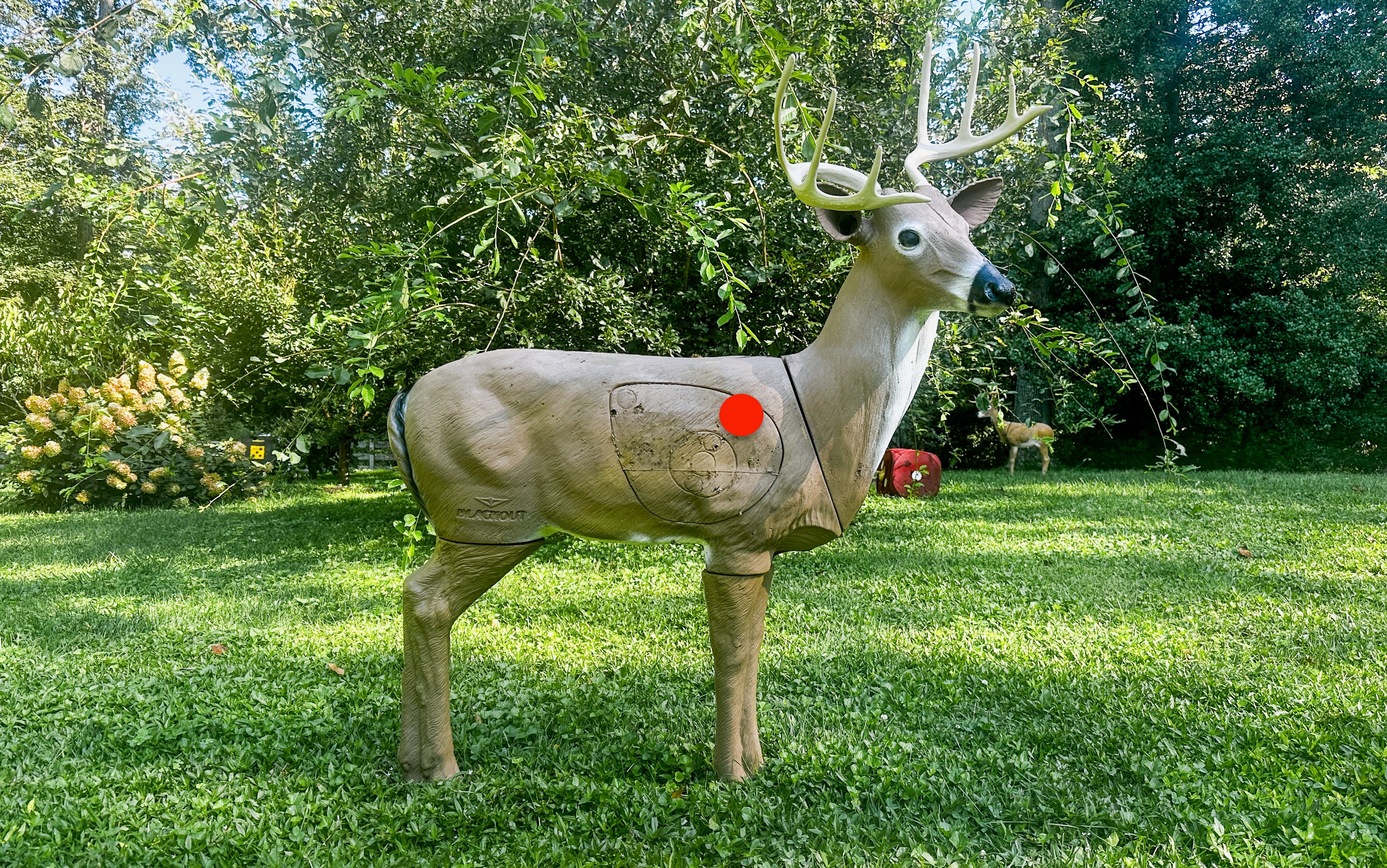
A deer’s shoulder has a crescent-moon-shaped danger area that your arrow will have a difficult time penetrating. You do not want to aim at those bones, and you definitely do not want to aim high on the shoulder. I’ve experienced the gut-wrenching pain of watching an arrow penetrate 2 inches and fall out after impacting the upper shoulder. Trust me. Stay away from that zone.
Read Next: What Data on 2,000 Blood Trails Tell Us About Broadheads, Shot Placement, and Deer Tracking
Broadside
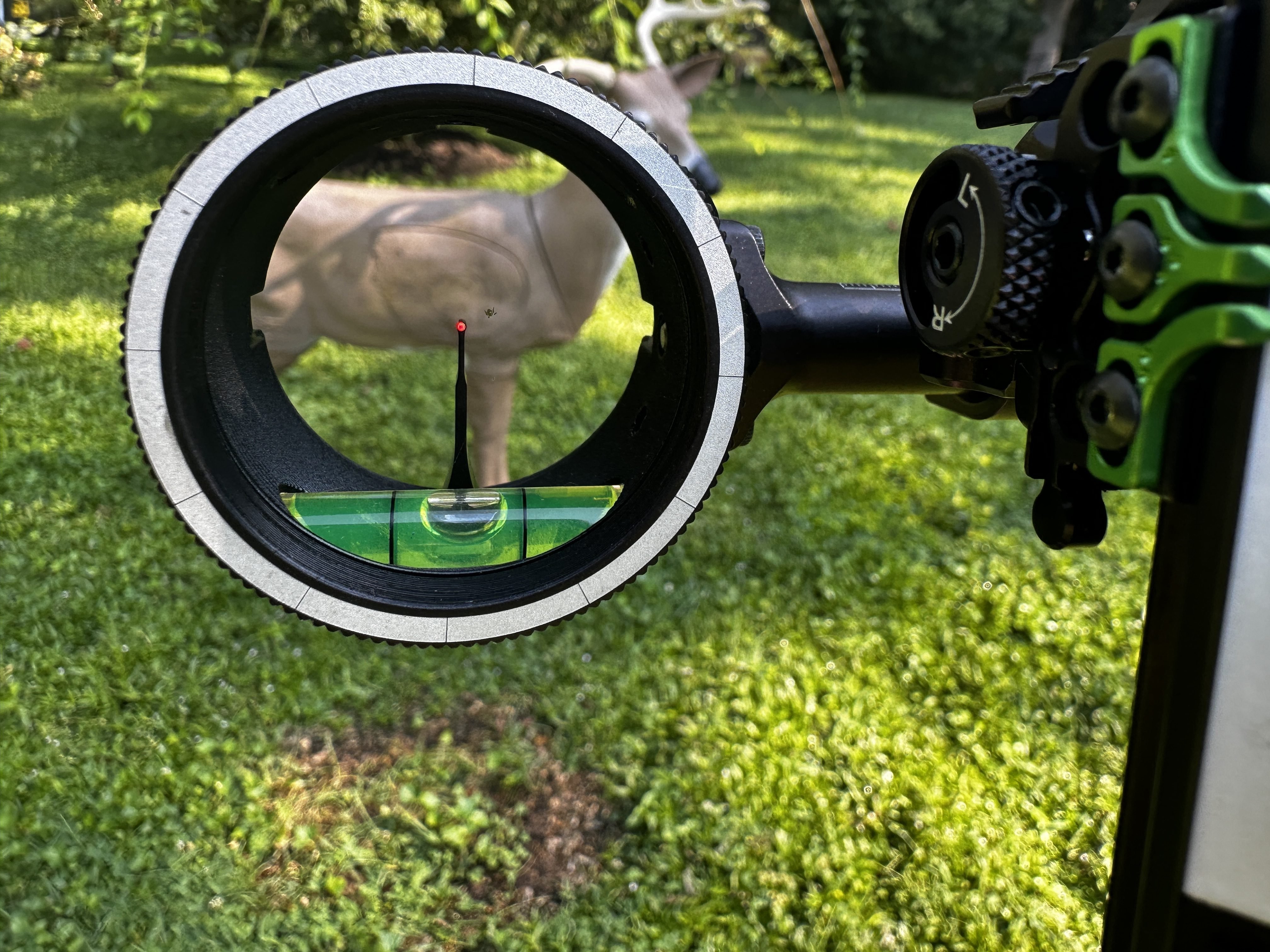
On a broadside deer, many experienced bowhunters like to aim at the heart. They do this in anticipation of an alert deer dropping slightly just before the arrow hits. If the deer doesn’t move, you’ll have a deadly heart shot, and if they do drop, you’ll have a deadly double-lung hit. It’s a win-win shot placement.
Alternatively, you can aim a few inches behind the shoulder crease. This gives you a little bit of wiggle room from those hard shoulder bones. But you’re not aiming so far back that a slightly errant shot won’t hit the liver or guts.
Keep in mind that the shoulder moves with the leg. So if the deer’s front leg is positioned back (imagine the 7 o’clock position on a clock hand), the shoulder will cover more of the vital area. It’s best to wait for the deer to take a step forward — ideally so both legs are forward — before releasing your arrow.
Read Next: How to Blood Trail a Deer
Quartering Away
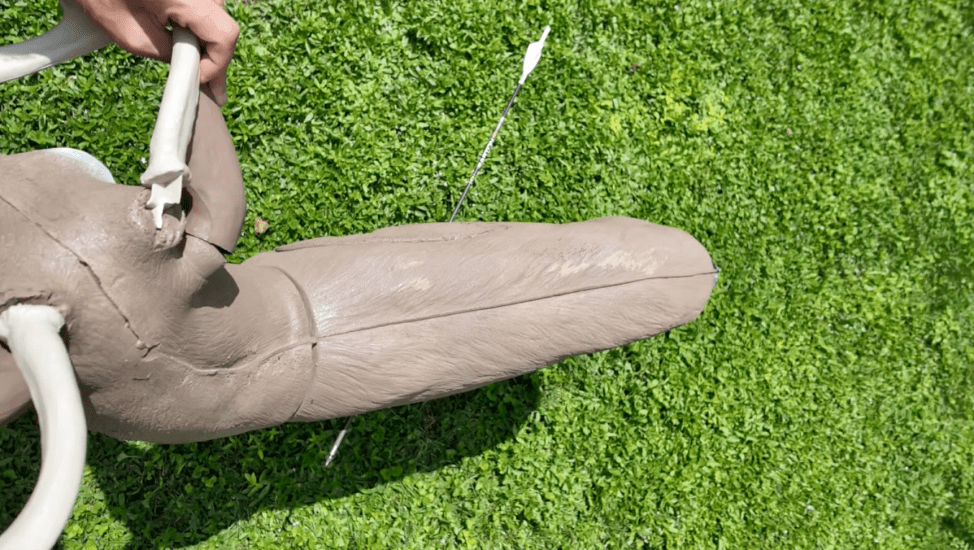
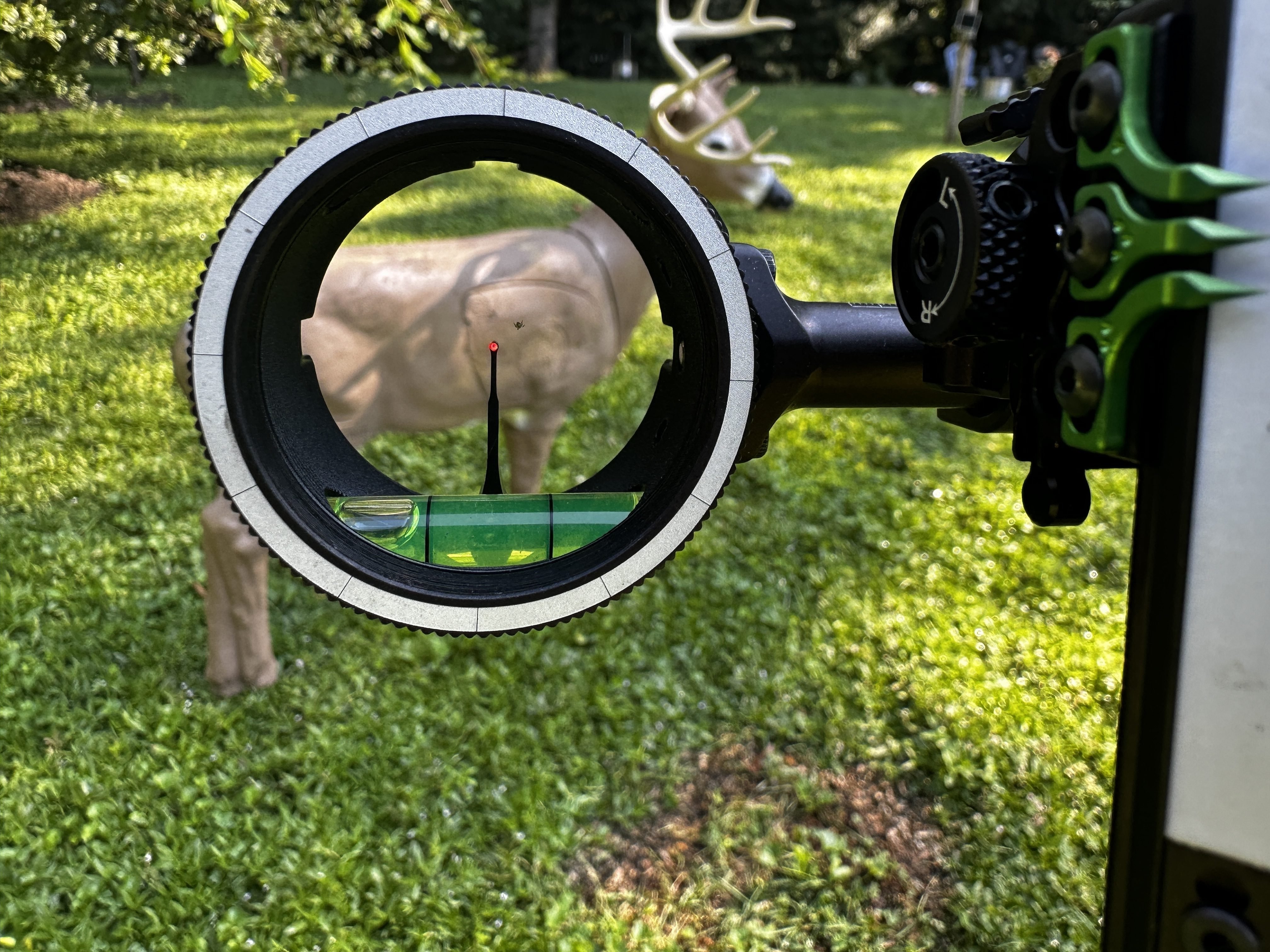
A lot of bowhunters prefer a quartering-away shot over a broadside shot simply because the deer is facing away from you. That reduces the chance of getting busted as you draw your bow, and it allows your arrow to angle toward all the vital organs.
The catch with a quartering-away shot is that if you don’t aim at the right spot, you run the risk of hitting just one lung instead of both. A one-lung hit is not sufficient to reliably kill a deer.
On a quartering-away shot, you want your arrow to exit just behind the offside shoulder. So be sure to move your broadside aiming point slightly back on the deer. The arrow will enter the backside of one lung and exit through the front of the other.
Angles
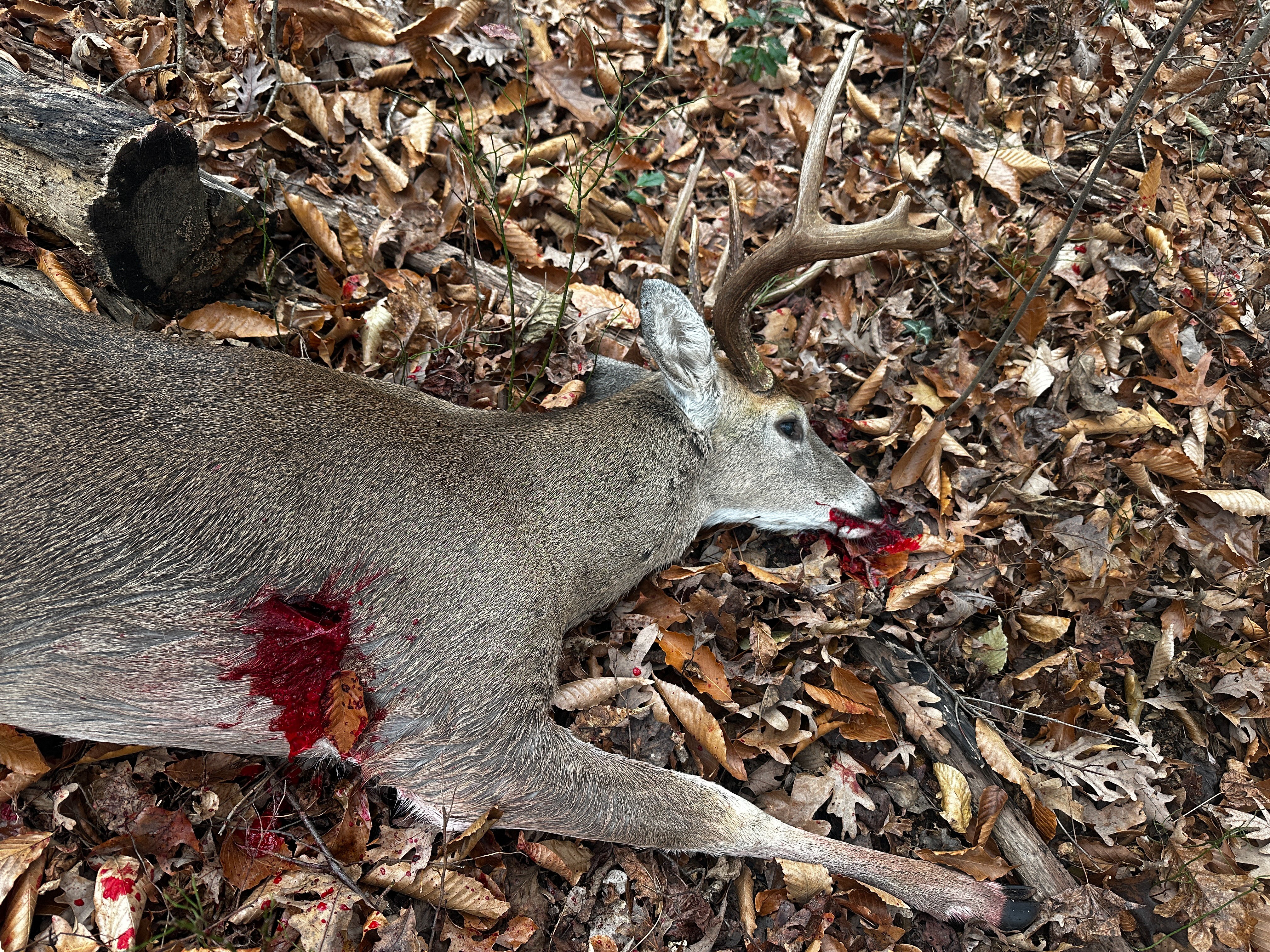
When shooting from any angle, remember to aim for your exit. It doesn’t matter if you’re shooting at broadside deer from 20 feet up in a tree or at a quartering-away elk on the ridge above you. Imagine your exit point and then stick your pin in a spot that will guide your arrow through the animal to that exit.
Practice
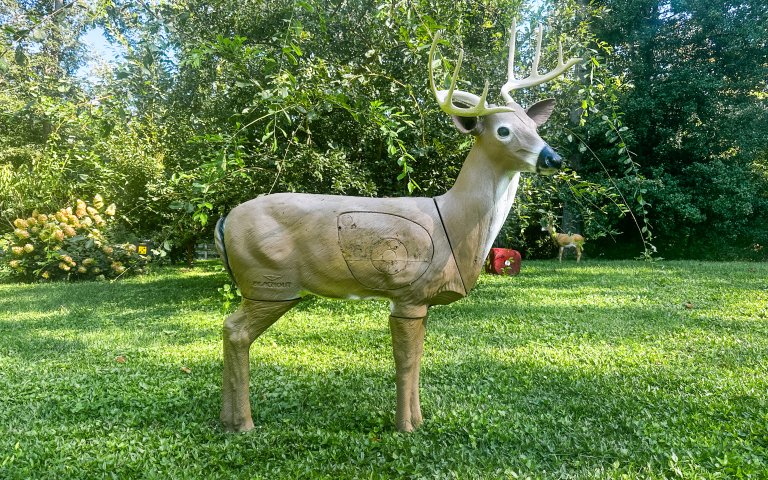
Knowing where to aim on a deer isn’t rocket science. If your broadhead cuts its way through the heart or both lungs, you’ll have a short blood trail and a filled tag. The key is practicing your shot placement so that, when it’s go time, you can confidently drop your pin on the right spot. One of the best ways to practice is with a 3D archery like the Blackout Buck XL.