
Following a 6-month review of the operation, purpose, and function of America’s National Wildlife Refuges, the U.S. Fish and Wildlife Service today announced an initiative to improve habitat, expand refuge access, and redirect resources to field operations.
Results of the internal refuge review were greeted with relief by wildlife organizations, some of which worried that the Trump administration intended to divest some refuges or to weaken their role as America’s top-tier wildlife properties.
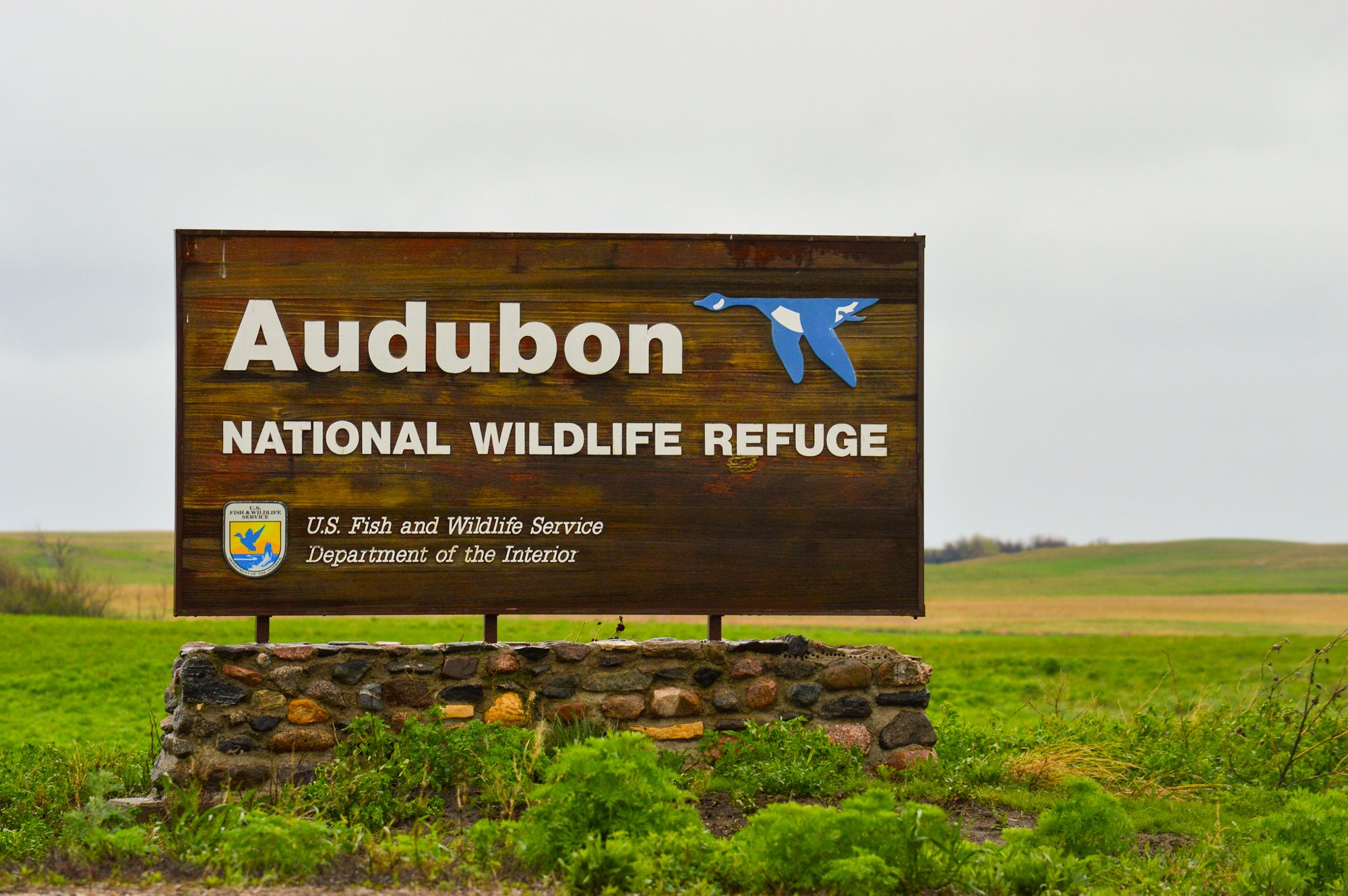
In comments this morning at the Audubon NWR in North Dakota, both Secretary of the Interior Doug Burgum and USFWS Director Brian Nesvik outlined 29 recommendations that generally support refuge field operations, improve both public access and administrative efficiency, and boost law enforcement resources.
However, with a 20 percent cut in funding and the loss of nearly a third of its workforce, it’s unclear how the Service will implement some of today’s directives.
The recommendations announced today are compiled in a program called Rooted In Purpose that generally increases the Department of Interior’s investments in the National Wildlife Refuge System that includes 573 refuges across 95 million acres of land. Nesvik announced the initiative in December 2025 and tapped fellow Wyomingite and senior advisor Joshua Coursey to conduct the 6-month review. Nesvik further detailed the background and sideboards of the refuge review in a wide-ranging interview with Outdoor Life in January 2026.
“Our purpose is simply to confirm that [each] refuges’ original purpose still aligns with the Service’s current mission,” Nesvik told Outdoor Life in January. “People have assumed that means we’re looking for ways to sell land. That is not the intent. The intent is to make sure we’re still doing those things that were intended when the refuge was created but also to make sure that things aren’t completely askew from our current mission.”
Today’s announcement, which is also detailed in a Secretarial Order entitled “Making America’s National Wildlife Refuges Great Again” issued by Burgum, distilled the 6-month review into four main areas of focus that the Service will apply over the next two years.
- More active management — the Rooted in Purpose directive will drive more prescribed fire, grazing, agriculture, active forest management, invasive species control, and predator management on refuges.
- Increase focus on wildlife-related recreation — the Service will “direct resources toward field operations and reduce unnecessary management layers” that get in the way of strengthening hunting, fishing, and “other compatible wildlife-dependent recreation.”
- Make refuges more efficient — the initiative encourages improved planning and sharing both staff and equipment between properties.
- Increase partnerships — the directive intends to strengthen relationships with neighboring property owners, including tribes, private landowners, hunting and conservation organizations, and local communities.
Nesvik noted today that his Director’s Order 230 resulted in 41 in-person refuge visits, 118 virtual visits, and four regional office visits along with internal surveys that solicited more than 1,000 responses from USFWS staff, and an external survey that received more than 2,000 responses.
“Refuge employees know what the land needs and what it takes to get the work done,” Nesvik said today in remarks delivered at the North Dakota refuge. “Their experience shaped this review, and their input will help us put its recommendations into action. We are focused on giving them practical tools and clear guidance to manage habitat, protect wildlife and provide Americans with quality hunting, fishing and other outdoor opportunities.”
Today’s news was generally welcomed by wildlife organizations.
“The USFWS refuge system has been an important part of the conservation successes in North America,” said Corey Mason, CEO and executive vice president of conservation for the Wild Sheep Foundation. “We applaud Secretary Burgum and Director Nesvik’s efforts to refocus the refuge system on the field work necessary to ensure quality habitat for wildlife and opportunity for Americans to benefit from that work and access these unique places.”
Ariel Weigard, vice president for government affairs for Pheasants Forever and Quail Forever commended Burgum and Nesvik “for their efforts to strengthen the National Wildlife Refuge System and its ability to deliver conservation on the ground.”
Today’s announcement didn’t detail how the Rooted in Purpose initiative will be funded and implemented. The USFWS budget has been cut by about 20 percent, or some $323 million in the Trump administration’s 2027 budget. Programs that have been either cut or eliminated next year include state and tribal wildlife grants, migratory bird conservation funds, and the entire National Wildlife Refuge Fund.
The Rooted in Purpose program provides some insights in how funding might be redirected to achieve the goals of refuge reform. The document details the Service intends to eliminate the Urban Wildlife Conservation Program Policy and “redirect all discretionary program funding to activities that directly support the conservation mission.”
The directive also prioritizes what it calls “boots on the ground.”
Read Next: The Rush to Build Data Centers on Public Land Is Worse Than You Thought
“Reduce headquarters and regional office staffing and reallocate positions to refuge operations, prioritizing the people needed to manage habitat, maintain facilities, support public access and protect resources.”
Lastly, the Service intends to stretch limited resources by using “technology and Super Intelligence to improve efficiency” and to promote contracting and reducing barriers for “for qualified local businesses competing for federal work.”