
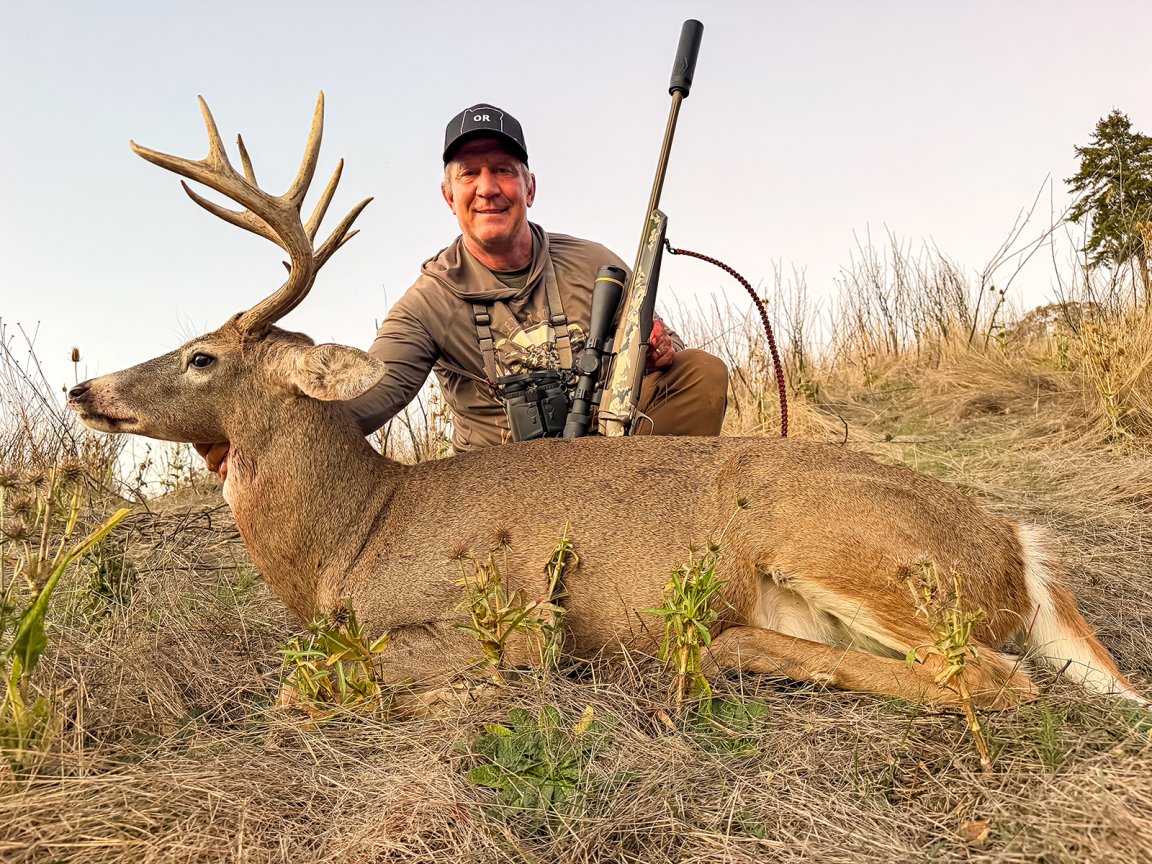
Legs shortened on the tripod shooting sticks, rifle secure in the saddle, I eased the setup onto a small rise in front of me. As I crawled into position, a buck materialized in the scope. It had no idea I was there.
A quick range reading followed by another confirmed the distance, 236 yards. The evening air was dead calm.
When I twisted the scope’s throw lever to 18X, the whitetail filled the field of view. The shot was simple: one bullet from a Browning 6.8 Western dropped the deer, and my 2026 season was off to a good start.
From the oak-studded knob on which I shot, I could see the North Umpqua River meandering through the valley below. It was on this river that I caught my first summer steelhead, at age 4, in 1968. In 1986 I shot my first wild turkey from the same area. That hunt sparked a 40-year passion chasing these grand birds.
As I walked up on the high-racked buck, the river’s unique beauty was captivating. I wasn’t looking at just any whitetail, but a prized Columbia whitetail. Here we have the only huntable population of these special deer in the world. I was exactly one hour and 20 minutes from my home in Western Oregon.
Almost 50 years to the day prior, I shot my very first deer — a Columbia blacktail. That buck came less than 15 miles from my home. Over the decades I’ve shot some dandy blacktails and seen bigger ones that outsmarted me. I rank consistently killing a mature trophy Columbia blacktail as the most challenging of all big game hunting in North America. The habitat they call home is vast, varied and as dense as a tropical rainforest in places.
Less than a week after punching the whitetail tag I was in Oregon’s Coast Range. I saw seven bears in four days before shooting a mature, sleek-coated beauty. My wife and I love bear meat; she even renders the fat for cooking. It’s great this time of year.
In the spring I hunted bears in the same area of the Coast Range. I passed 27 bears in seven days before pulling the trigger on a nice bruin.
Earlier this month, friends and I got serious about duck hunting public land on nearby rivers, as we always do this time of year. The first two hunts found us targeting wood ducks. I shot seven-bird limits of the gorgeous little ducks each time out. The following trip was a mix of mallards and woodies, and after that, an all-mallard limit. Excellent eating, all of them.
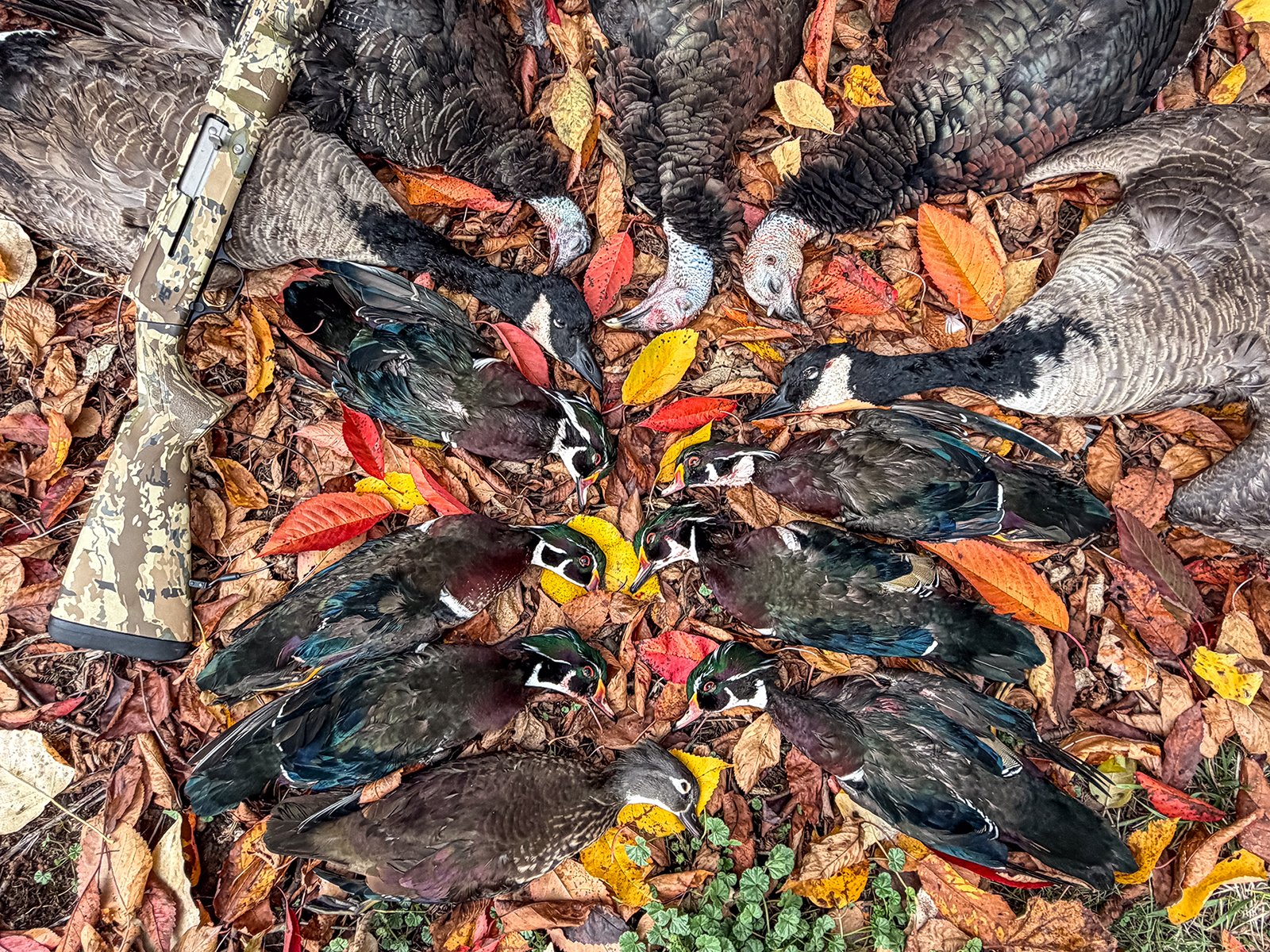
One morning was extra special, as I achieved something I’d been trying to pull off for three seasons. The morning was foggy and wood ducks aggressively poured into the small spread of decoys. Shots were close. I took seven wood ducks along with a pair of honkers. While driving home with the double limit I got a text from a nearby landowner. A big flock of turkeys was back on his property. He asked if I’d come shoot some, as they were becoming a nuisance.
In recent years Oregon created a special hunt for problematic fall and winter turkeys. It’s called a beardless turkey permit and with it you can shoot three turkeys without visible beards, on each of the three available permits that are purchased over the counter. It’s a depredation hunt that was put in place to deter large flocks of fall turkeys from congregating on private property, causing damage and leaving messy gifts that are a health concern to pets and livestock. Since funding to trap and relocate turkeys was cut in the state, turkey numbers have exploded in many counties. It’s common to see multiple flocks a day of 100 or more turkeys, all fall and winter long, in several places around Oregon.
I hurried home, grabbed Echo, my pudelpointer, and headed out for the turkeys. Echo is almost 13 years old. She’s hunted fall turkeys every year of her life. Oregon is one of a handful of Western states that allows the use of dogs for fall turkey hunting. It’s one of my favorite hunts of the year and Echo loves it. For Kona, my 10-year-old male pudelpointer who I lost to an intestinal torsion this past September, this was his favorite hunt of all. It was hard heading afield without him, for the first time.
But Echo didn’t skip a beat. After some searching we finally located the flock of turkeys. There were 46 of them, all hens, jakes, and jennies. They fed on the edge of a grassy meadow, heading uphill toward a patch of Douglas fir timber. When the time was right, I sent Echo. She ran at the flock as fast as her aging legs could carry her. She’d done this many times in her life. She knew the drill. If all the birds flushed, I’d call her back, we’d sneak into the timber, set up and call the flock back in. That didn’t happen.
This time Echo caught the turkeys by surprise. A few flew into the trees but most burrowed into thick blackberries and tall, green ferns. Echo struck the perfect point and held it until I arrived. Turkeys often hold tight as quail. When I got to Echo, a jake made a run for it. It didn’t make it far. At the shot, the rest of the flock scurried, some running, some taking wing. I shot another bird on the run, then dropped one more from the air. Echo couldn’t gather them fast enough. Finally, my bird trifecta was completed.
We ate birds for dinner that night, and Tiffany whipped up multiple dishes for a big church potluck the following day. Everyone enjoyed the local bounty, and there was an extra sense of pride among the elderly men who used to hunt.
The State of Oregon
I’ve been fortunate to hunt much of the country, and even lived in Alaska for a stint in the 1990s. When it comes to hunting and fishing, I’ve found no other state that matches what Oregon has to offer. It boasts hunting opportunities for 12 big game species, including four subspecies of deer. It has the best turkey hunting I’ve seen, with 14 tags available a year, including three spring toms. Thirty-three of the 41 recognized waterfowl species can be hunted here, along with bonus Eurasian wigeon which are becoming more frequent. Wigeon are my favorite duck to hunt and they thrive in the valleys and coast.
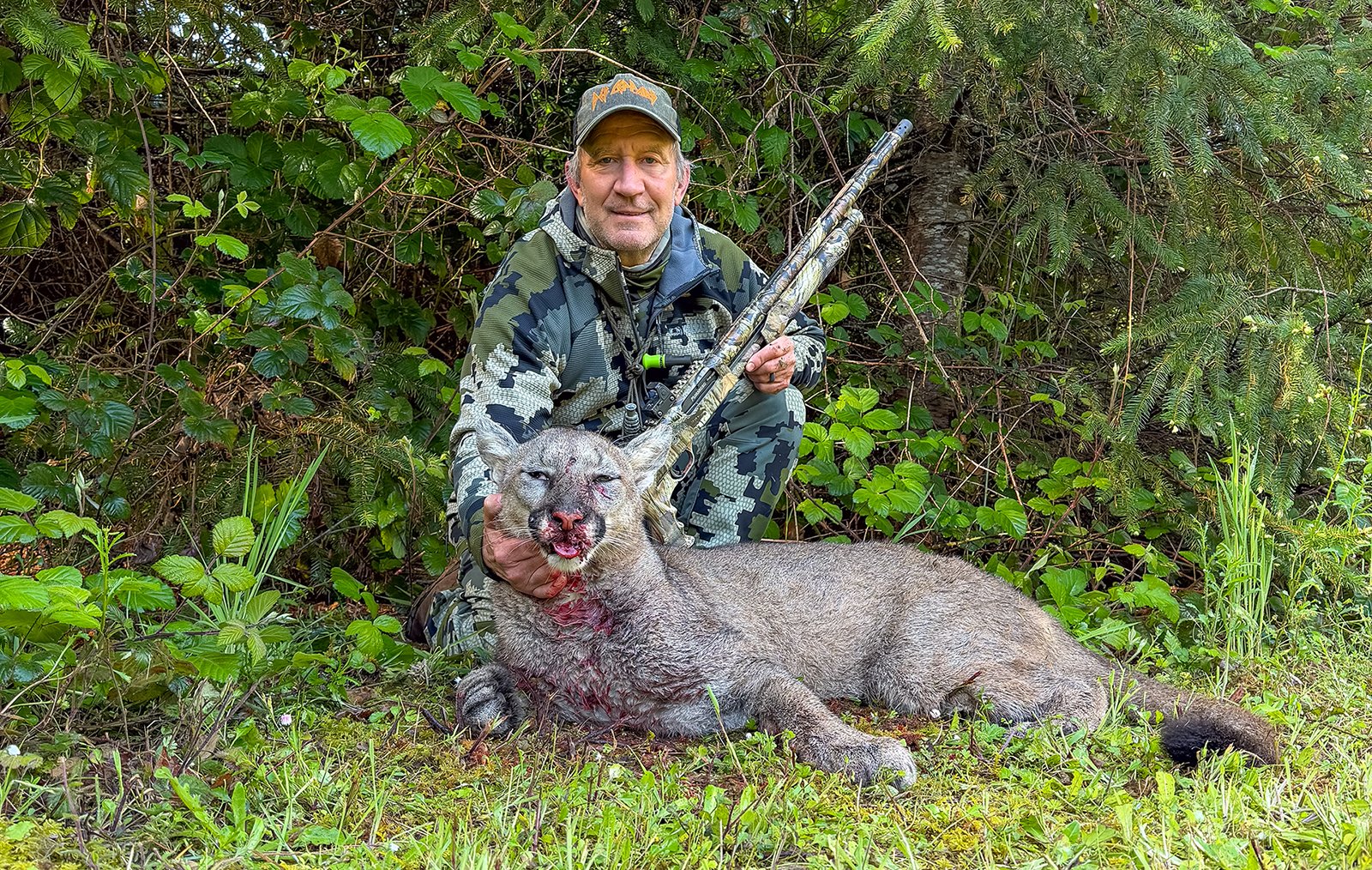
If you’re into predator hunting, coyotes and bobcats abound statewide. Mountain lions are now classified as big game in Oregon. In the past few years I’ve called in eight cougars, shooting the last one at 12 paces, using a shotgun. Last year I caught 11 different lions on trail cameras in one morning, all within 25 miles of my home–seven were within two miles. Cougars are thick, I wish we could hunt them with hounds as numbers are out of control. But some of our game laws make zero sense.
Most recently Oregon made national news for the infamous Oregon Initiative Petition 28. IP 28 didn’t even appear on the November ’26 ballot. Yet, just about every blurb on the topic for the past year made it appear certain Oregon was going to lose all hunting and fishing privileges. Much of the press and pursuers of clickbait chastised Oregonians, ignorant of the full story and who the players were. In the fine print, IP 28 was absurd not only to hunters and anglers, but cattle ranchers, farmers, pet owners and more folks in our state.
I was stunned at the number of fellow outdoorsmen who threw Oregon sportsmen under the bus, telling them to move from the state. Oregon is not the problem. Our issue is that the state is largely governed by people in three cities. The hunting and fishing population outside those city limits is large, and the many animals thriving in the game-rich state know no such boundaries nor are they aware of the people who set the rules. One hunting or fishing trip to our great state will reveal how special it truly is.
There’s No Place Like Home
For the past 26 years I’ve made a living as a full-time writer and wildlife photographer. For 14 of those years I hosted hunting and fishing TV shows. I’ve written more than 4,200 magazine articles and 17 books with more in the works. I couldn’t have done it if not for living in Western Oregon, in the little town of Walterville — named after people on my wife’s side of the family.
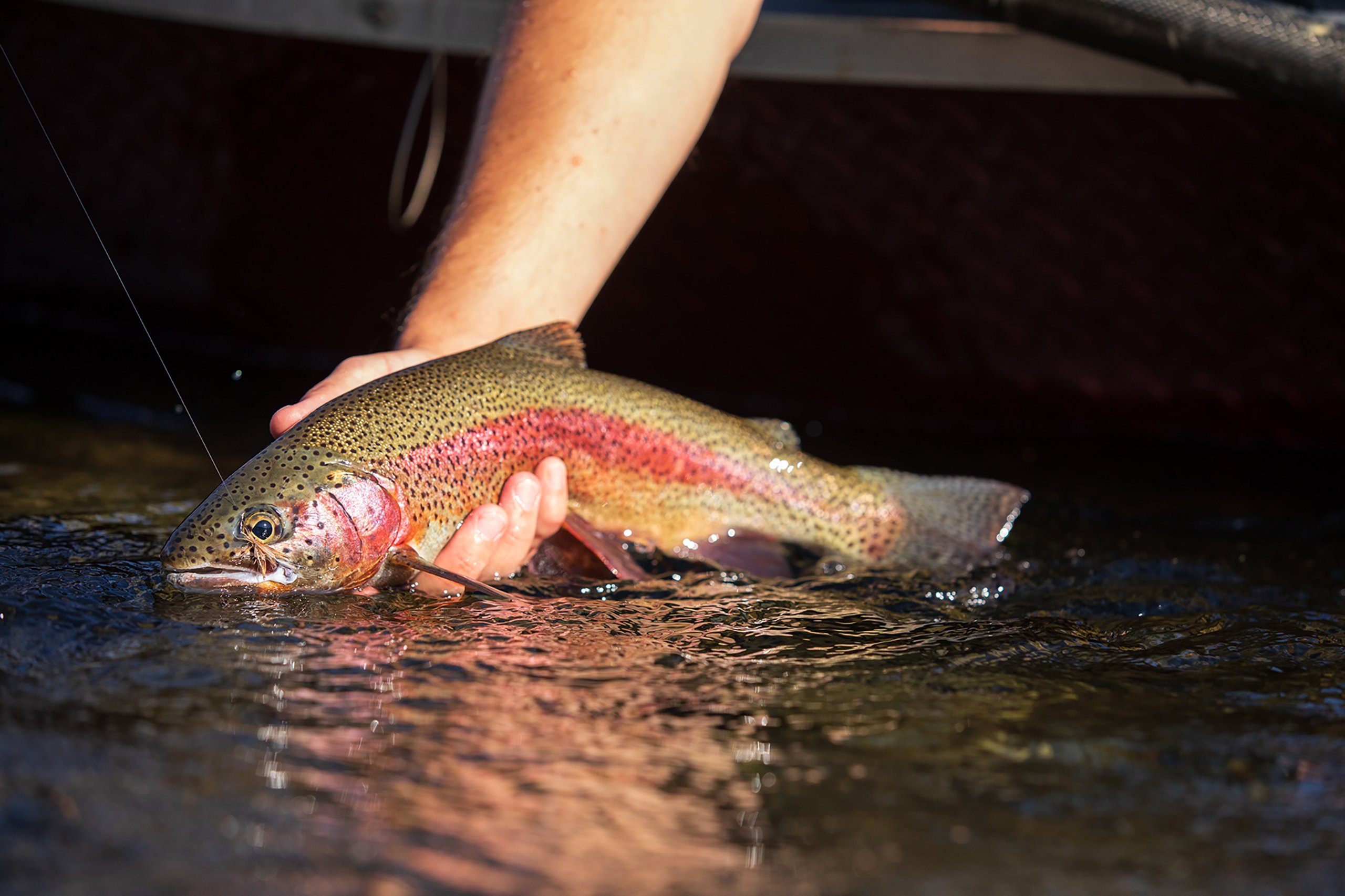
Minutes from my home there’s something to hunt or fish for every day of the year. I live on the McKenzie River, a tributary of the famed Willamette River. I caught my first spring chinook salmon from the McKenzie in the 1960s. Over the decades, it, along with the Willamette River, have produced thousands of springers and loads of summer steelhead and rainbow trout for my family. Growing up fishing these rivers spoiled me.
The Willamette River is big, wide, and challenging to fish in places. Downstream from where the Willamette flows into the mighty Columbia River, you’ll find some of the world’s best salmon and sturgeon fishing.
The McKenzie River is a blue ribbon rated trout stream, one of the best in the country. Growing up, word traveled fast when movie stars were on the water, most presenting dry flies to try and entice stunning redsides.
A few miles from my home, Theodore Roosevelt loved to fish for rainbow trout. I know where he stayed and the holes he liked to fish. Rumor has it–from some of my wife’s relatives who homesteaded the McKenzie River Valley in the mid-1800s–it was among Roosevelt’s favorite rivers to fish, both for the trout and the sheer beauty the region offered. Roosevelt would be happy to know that the place he so loved is now teeming with wildlife, including elk that carry his name.
In fourth grade I began trapping. My parents took turns taking me to check traps before school. For sets close to home, I’d ride my bike. Beaver, raccoon, coyote, red fox and bobcat were some of the target species. I skinned the catch after school. This continued into my freshman year of high school, until sports consumed my life. Trapping greatly educated me about the land and the animals that live there. It also allowed me to make some money so I could fish in the summer months, rather than work.
In the 1970s, most duck hunting I experienced was on the rivers. In my formative years Dad, Grandpa and I spent many days together in duck and goose blinds.
Less than an hour from my home the first ring-necked pheasants were introduced to the continental United States. Birds arrived by sea in 1882, from China. Dad and grandpa shared many stories of incredible pheasant hunts they had in the 1950s and ‘60s. “Best pheasant hunting in the country,” Grandpa said. He wasn’t wrong. Today, we don’t pester what few pheasants remain in the valley. But parts of Eastern Oregon are flourishing with ring-necks. A few years back, Echo and I secured a limit of ducks, pheasants and valley quail on one of our best days, ever.
Valley quail and mountain quail thrive around my home. Getting on multiple coveys a day is common. The occasional ruffed grouse is put up in the valley, but they’re more prevalent in the foothills of the Cascades and Coast Range. Just above ruffed grouse in the mountains are blue grouse. When I was a kid we never saw a blue grouse below 2,000 feet. Today we shoot a lot of the big birds at and below 500 feet. More than once I’ve taken valley and mountain quail, blue and ruffed grouse on the same day. Truly special hunts, all of them.
In mid-September band-tailed pigeons are the target. They occupy both mountain ranges and parts of the valley floor. In my days of youth the daily limit was seven, today it’s only two. Still, dogs love these hunts, as does my 86-year-old father. Intercepting speeding birds as they fly ridgelines in search of berries, minerals and water makes for challenging shooting and steep country retrieves.
In the fall we chase Western gray squirrels. Kona loved treeing gray squirrels almost as much as he reveled in fall turkey hunting. The furry tree-dwellers are delicious.
For decades, cackling Canada geese have flocked to the Willamette Valley to graze on rye grass. The Willamette Valley is dubbed The Grass Seed Capital Of The World, and this prime food attracts loads of big game and waterfowl. Minimas — the smallest of the cackling Canada geese — regularly funnel into big decoy spreads in flocks of 10,000 or more. Words can’t be heard over the screaming little geese.
Thirty minutes from home, in multiple directions, is the best duck hunting I’ve found anywhere in the country. One day you’re hunting wigeon and pintails in flooded fields; the next, picking greenheads in tiny creeks surrounded by tall trees. You can regularly shoot a seven drake limit of wood ducks on public waters and private land filbert orchards, what outsiders call hazelnuts. The valleys hold some of the world’s best soil for filbert farming. As these orchards have expanded in recent years, wood duck and mallard numbers continue to grow because they love feasting on the nuts. Today there are more wood ducks than I ever recall seeing in my 51 years of hunting them.
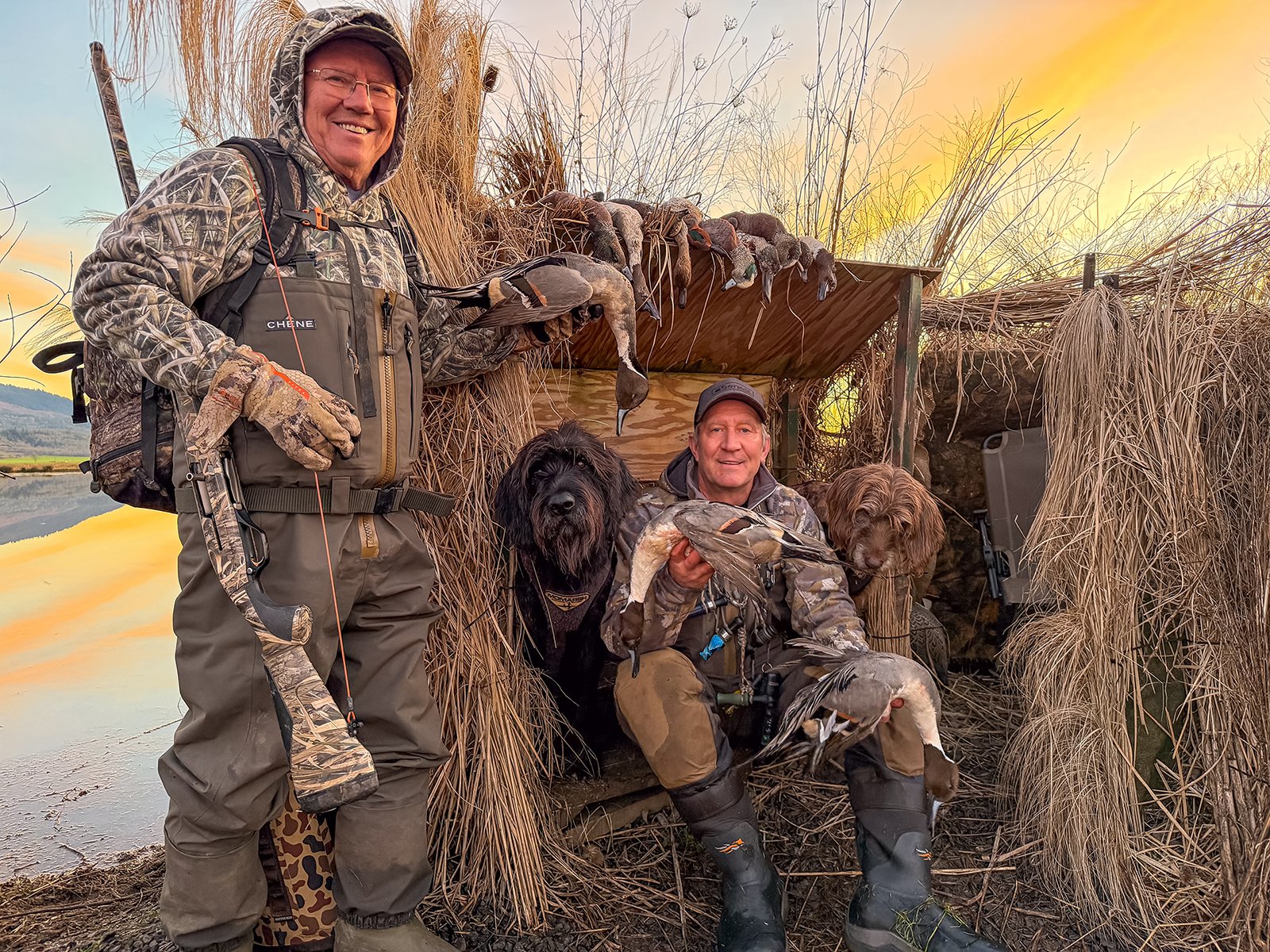
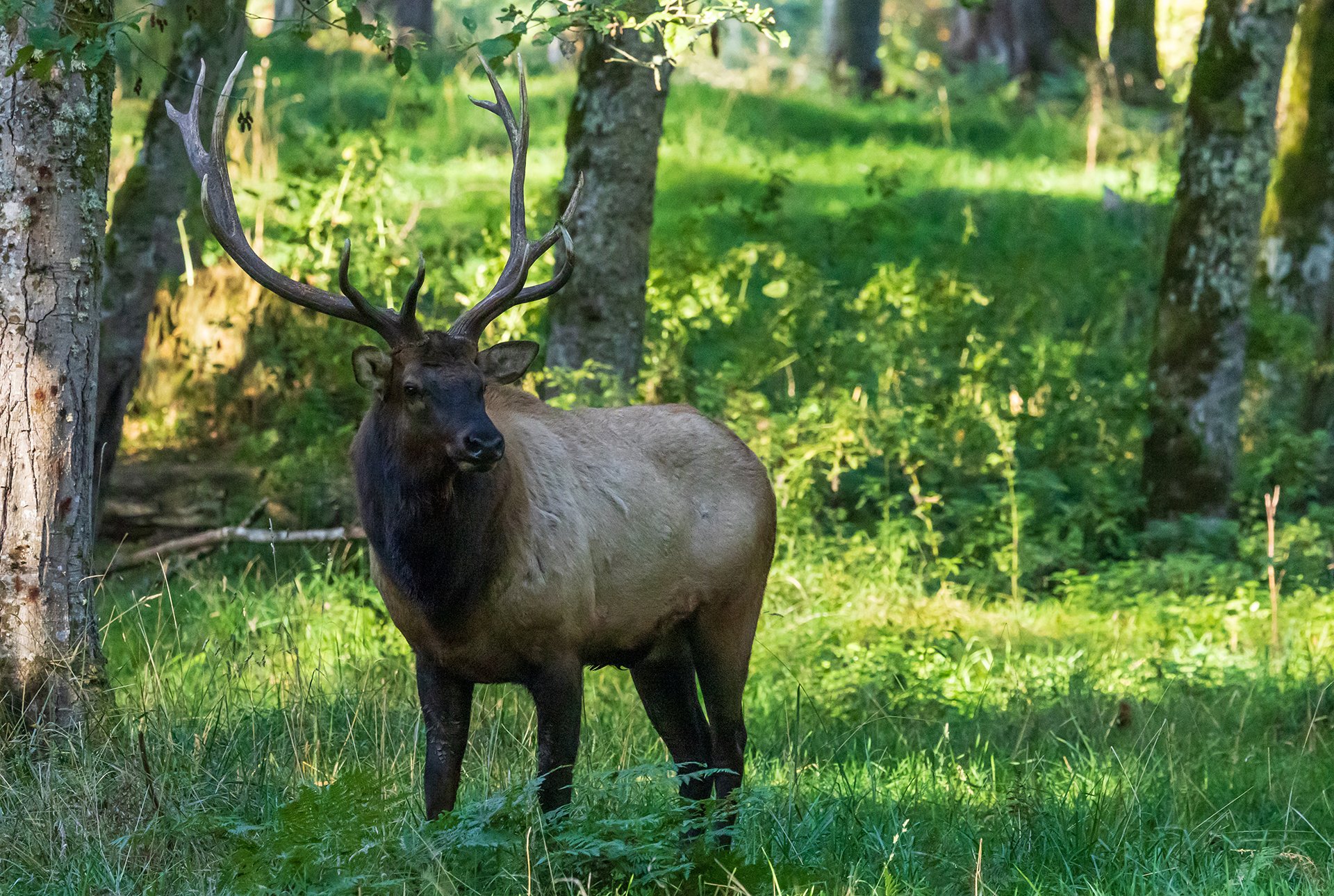
As I finalize these words, I’m preparing for the next several days afield, all near home. Tomorrow I’ll be hunting wood ducks on the river. The day after that, checking my 75 trail cameras set in the nearby hills. And the day after that I head to the Coast Range to hunt secretive Roosevelt elk in the rainforest. Last November I took a 340-class Roosevelt 35 minutes from home, my biggest Roosy bull to date.
There’s no better place to be, doing what I love the most. Oregon is a grand place to grow up, and to grow old.