
We may earn revenue from the products available on this page and participate in affiliate programs. Learn More ›
Where I grew up, trout were king. Over a dozen trout streams were less than 20 minutes from my New England home, all of which contained a variety of both wild and stocked rainbows, brookies, and browns. My buddies and I fished the hell out of these places with bait at first, but as we grew older and at least possibly wiser, we began using different lures. From those early days, my love of trout fishing grew, leading me to have an almost 20-year career as a trout fishing writer and guide, where I’ve been lucky enough to pursue trout across the majority of the country. And throughout that journey, I’ve come across some truly fantastic trout lures.
There are a lot of things that make a good trout lure, but certain ones just stand out. Some of these lures work for all trout, while others work well on large or small rivers or for particularly large or small fish or produce better during certain weather and water conditions. Every time I approach a new trout fishery nowadays, it’s usually with one of my picks for the best trout lures in hand.
- Best Overall: Worden’s Rooser Tail
- Best Large River Lure: Rapala Husky Jerk
- Best Small Stream Lure: Acme Phoebe Spoon
- Best Lure for Stocked Ponds: Berkely Powerbait Floating Mice Tails
- Best Lure for Large Lakes: Blue Fox Vibrax Spinner
- Best Trout Jig: Leland’s Trout Magnets
- Best Trout Soft-Plastic: Lunker City Slug-Go
- Best Trout Trolling Lure: Worden’s Flat Fish
- Best Lure for Dead Drifting: Moon Dog Stonefly Larvae
- Best Lure for Tough Conditions: Berkely Floating Trout Worm
How I Chose the Best Trout Lures
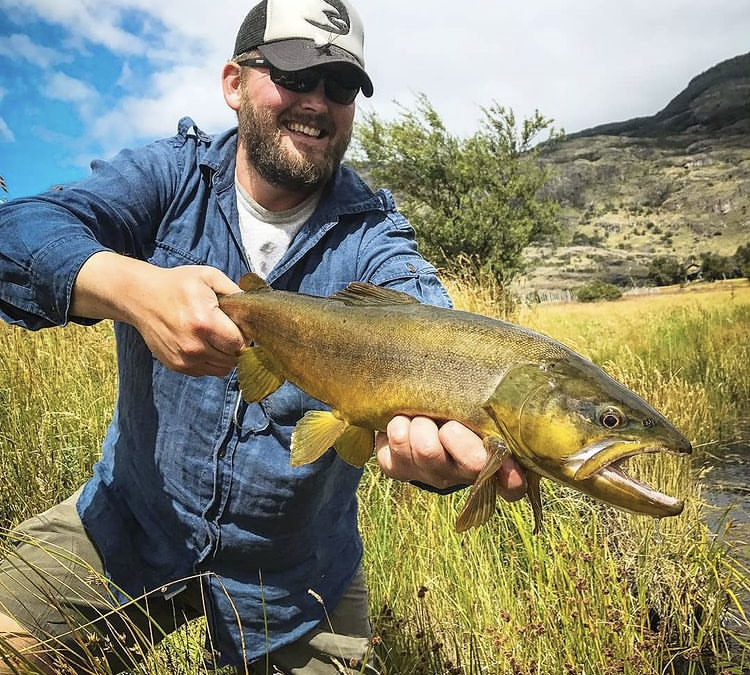
Over my many years of complete trout obsession, I’ve fished and guided for trout in a variety of different places. From the wild rivers of Montana, Idaho, and Wyoming, to the small streams and meandering creeks of Appalachia and New England. I’ve also fished a ton of small ponds chocked full of stocked trout and even massive lakes containing some of the biggest trout in the world.
I’ve also been lucky enough to spend time with many fantastic trout anglers, trout fishing guides, and complete trout bums, all with opinions about the best trout lures for different water conditions and species. Throughout this journey, I’ve found lures that work exceptionally well, and every lure on this list has proven itself and has become a go-to in my tacklebox.
The Best Trout Lures: Reviews and Recommendations
Best Overall: Worden’s Rooster Tail
Pros
- Extremely Versatile
- Will catch both big and small trout in lakes, rivers, and ponds
Cons
- Not the best lure for small streams or extremely cold water
Key Features
- Variety of Weights from 1/24 oz all the way up to 1 oz
- 2 ½ to 3 inches long
- Variety of Colors for Blades, Body, and Skirt
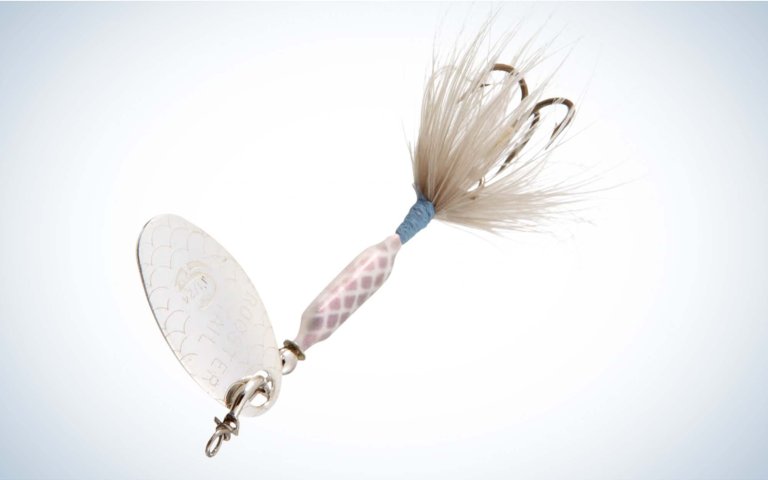
If I were stuck on some mythical desert island surrounded by trout and could only bring one lure, it would be the Worden’s Rooster Tail. Invented in the 1950s, the Rooster Tail is a diminutive little spinner that packs a lot of bang in a tiny package. Its shape and size, combined with just the right amount of flash from the blade, makes the Roostertail imitate a variety of small baitfish. When a Rooster Tail with natural colors and a silver or gold blade is pulled through the water, it just screams “food” for trout, and when it’s fished with a fluorescent color combo, it makes trout extremely aggressive.
Designed to be fished on a light line and fast action set-up, the Rooster Tail is a fantastic lure for prospecting for trout on medium to large rivers and lakes and ponds. You can fish it fast so that it runs just below the surface or slow down your retrieve so that the lure runs deeper and flutters more than flashes. In both cases, when conditions are right, the Rooster Tail can be a complete trout magnet proving that no matter how far fishing technology has come, it’s still hard to beat a classic.
Read Next: The Best Ultralight Spinning Reels
Best Large River Lure: Rapala Husky Jerk
Pros
- Can be fished in different water types
- It is equally effective in high, cloudy water and low, clear water
Cons
- Generally, will only work for more active, predatory trout that are on the hunt
- Relatively expensive
Key Features
- Variety of sizes from 2 ½ to 5 ½ inches
- Perfectly Balanced
- Lure can be fished at any speed
- Maintains its depth when jerked and paused
- Rattle chamber emits sound waves that trigger strikes
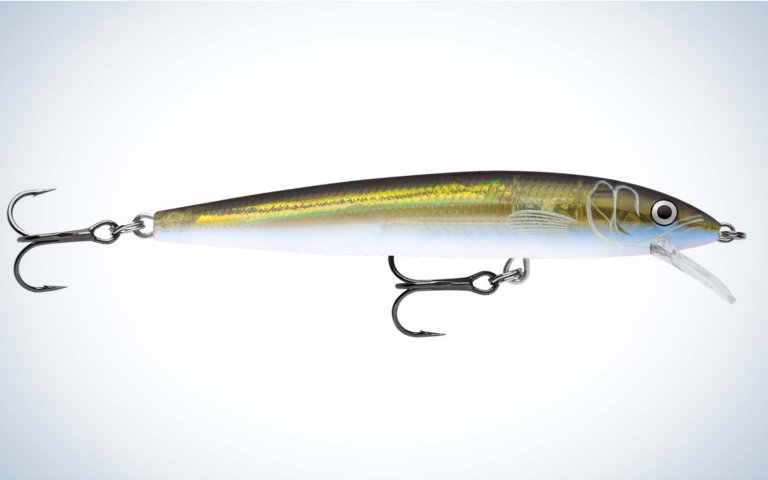
When you’re fishing on a big river, covering water and seeking out actively feeding trout is key, and nothing does it better than a Husky Jerk. The lure can be casted long distances and retrieved quickly or slowly worked through prospective pools, and runs on a short cast with equal efficiency. With a neutral buoyancy that allows the lure to suspend beneath the water, you can fish the Husky Jerk with a lot of jerks and pauses to imitate a wounded baitfish without it floating back to the surface. This means that you can keep the lure in the strike zone for longer and trigger trout to strike.
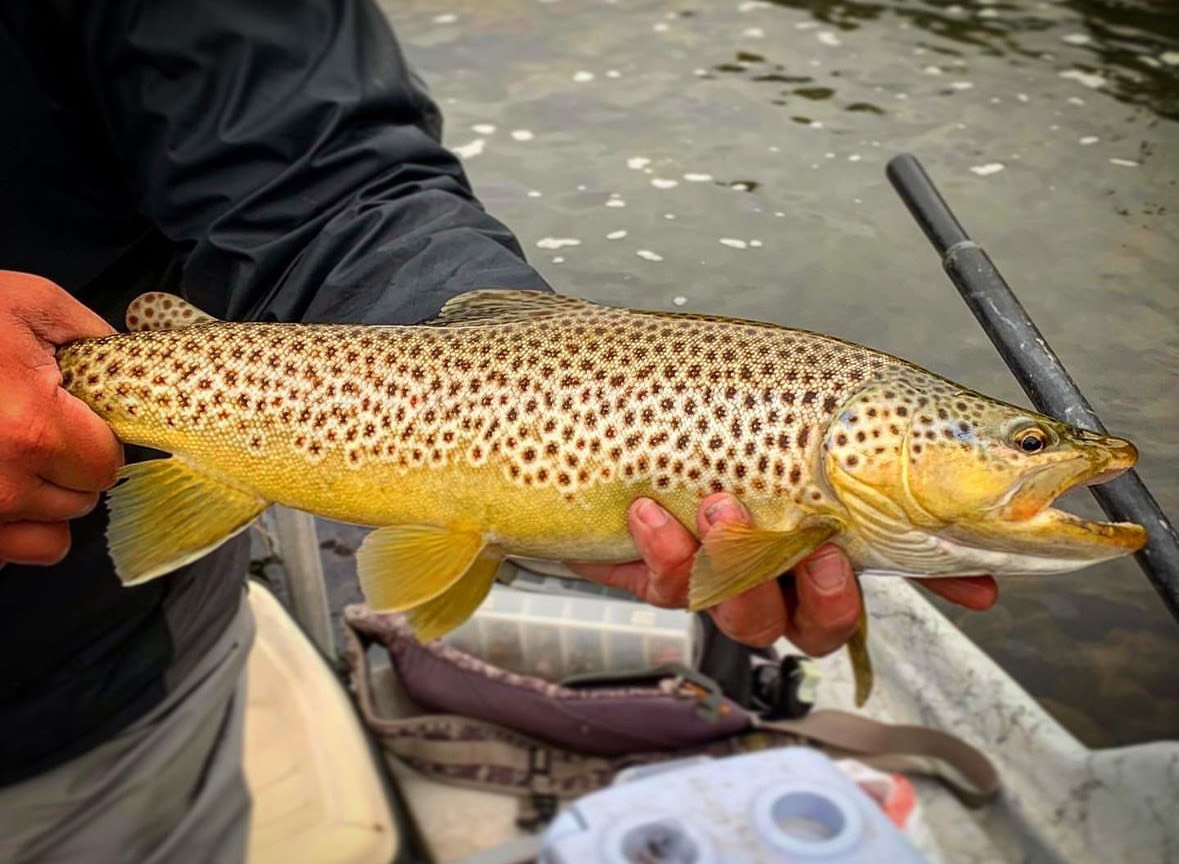
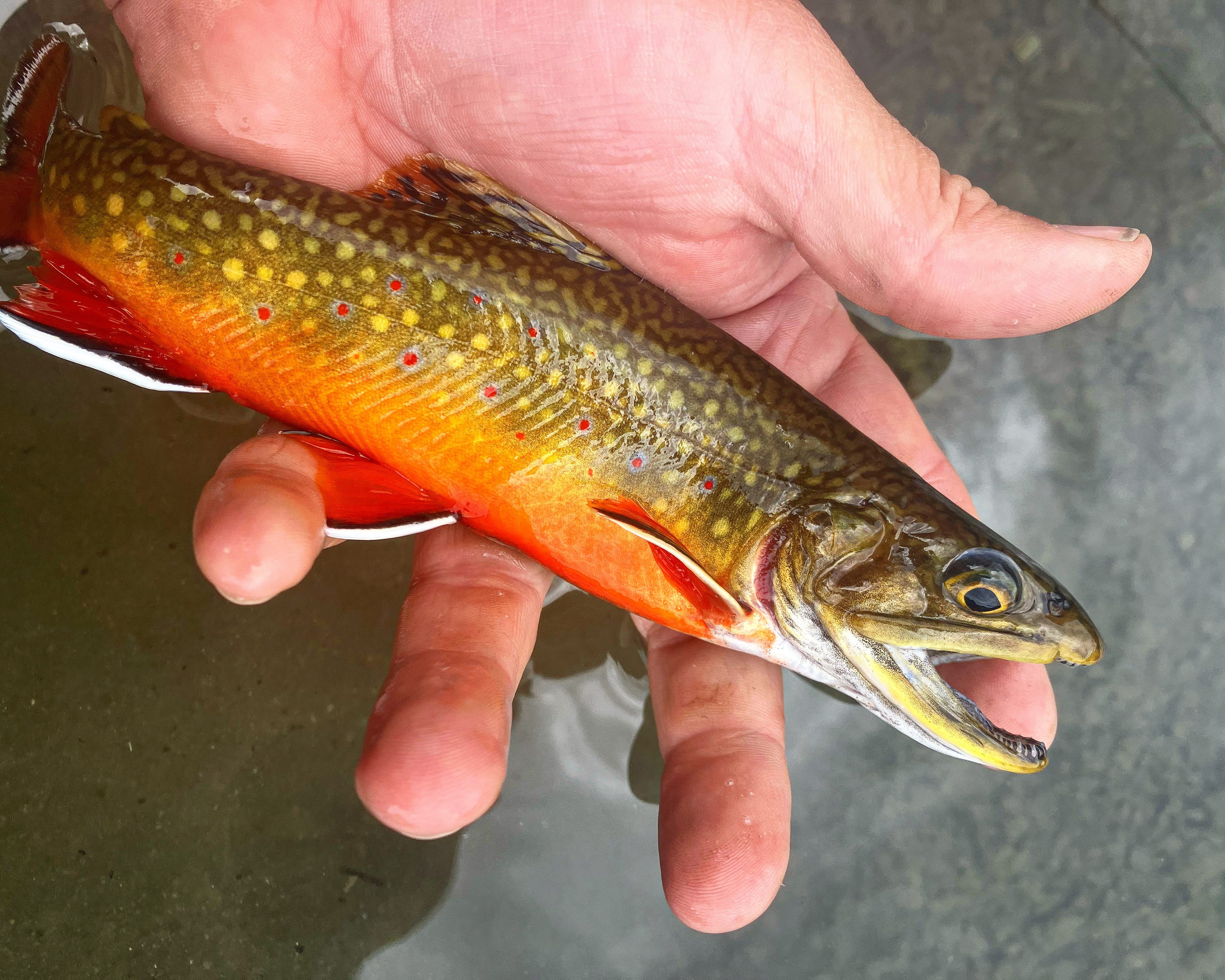
The Rapala Husky Jerk is one of those lures you can rely on. It doesn’t need any fancy rigging, nor any special angling skill to use. You can cast and retrieve it rhythmically through the center of the river, or fish it slowly along bank edges, sandbars, logjams, and other structure. Designed to trigger a predatory reaction from fish, the Husky Jerk is the best lure for seeking out aggressive, hard-hitting trout in big rivers with the lure’s action and color, as well as the loud rattles that draw fish to it. The Husky Jerk comes in a variety of sizes, allowing you to use smaller versions to catch a bunch of trout or larger sizes to hunt bigger, trophy-sized fish that are looking for a big meal.
Best Small Stream Lure: Acme Phoebe Spoon
Pros
- Can be both jigged and retrieved
- Works for both large and small trout
Cons
- It is not the best lure in cloudy, off-colored water
- Must move lure to catch fish
Key Features
- Spinning and fluttering action
- 1 ¼ to 2 inches long
- Baitfish silhouette
- Variety of effective sizes and colors
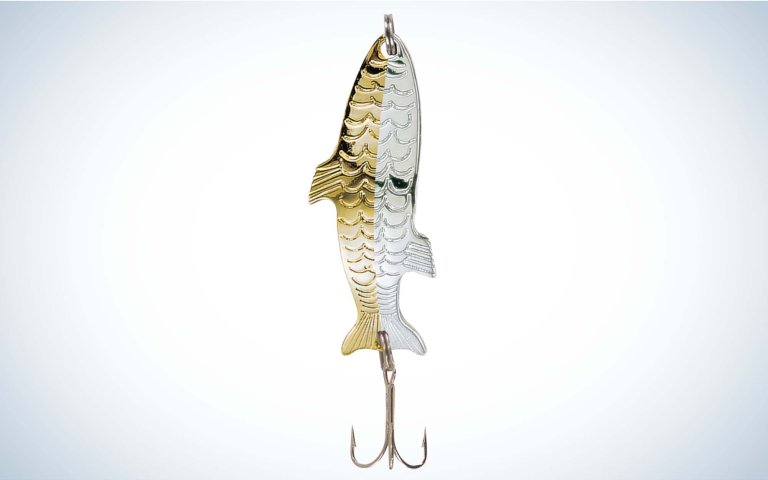
When it comes to simplicity, it’s hard to beat a spoon and the Acme Phoebe is the best of the bunch. On a small stream with tight corners and not a lot of casting room where trout hold in small pools or deep holes, the Acme Phoebe can quickly and easily be dropped into the strike zone. The lure can be cast or even flipped into the river on a short cast and then pulled or retrieved through the sweet spots, or it can be lowered into the water and jigged in deep, trouty-looking holes when you don’t have a lot of room to work.
Featuring a baitfish silhouette that will attract the attention of trout even when it’s not moving, the Phoebe’s real key to small stream success is in its hydrodynamic curvature. It causes the lure to both flutter or spin through the water with either a slow or fast retrieve, creating as little or as much action as you need. You can rig it simply by tying the lure directly to your line or combine it with a small swivel when you need a bit more spin. The Phoebe comes in a variety of colors, but I’ve had the bulk of my success sticking to the silver on sunny days and the gold/bronze on cloudy days, always remembering that when you’re fishing a Phoebe, simple is best.
Read Next: Trout Fishing Tips: How to Catch Trout
Best for Stocked Ponds: Berkley PowerBait Floating Mice Tail
Pros
- Attracts trout with both sight and scent
- Easy to use
Cons
- Must be fished with a specialized rig
- Not as effective for wild fish
Key Features
- Comes in a Variety of Colors and Scents
- 2 inches to 3 inches long
- Lively Action and Lifelike Presentation
- Combines Egg and Worm Shapes
- Floating Formula Keeps Bait off the Bottom
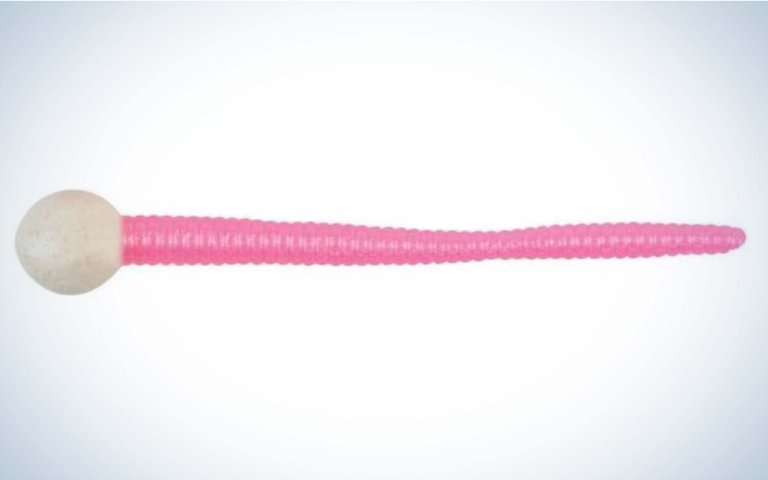
Most anglers fish stocked trout ponds with either live bait or scented bait balls, and the Berkely PowerBait Floating Mice Tails combines the best of both. A creative and incredibly effective lure, the Floating Mice Tail was designed to both leak scent out into the water to attract trout and has a lifelike action that will make them strike. The Mice Tail combines two of a trout’s favorite foods: worms and eggs. There are very few trout in the pond that will be able to resist the Floating Mice Tails tantalizing allure, so long as you rig and fish it right.
To fish the Berkley Floating Mice Tail properly, you need to rig it so the lure will float a few inches off the bottom. Set it up by first sticking a small #8 or #10 baithook through the egg portion of the lure so that the tail will be free to float and dance in the water. Then attach a fairly heavy split shot to your line 6 to 12 inches above the lure so that it will pull the Mice Tail toward bottom while still allowing it to float higher in the water column. Once you’ve casted it out you can either let it sit and wait for a trout to strike — or you can gently drag or jig it back towards you to create more action. In either case, when you fish the Berkely Floating Mice Tail you usually won’t have long to wait before you’re hooked up to a fat stocky. With a ton of different color combos, you may have to get a few different packages of Mice Tail’s before you find the color the fish like best.
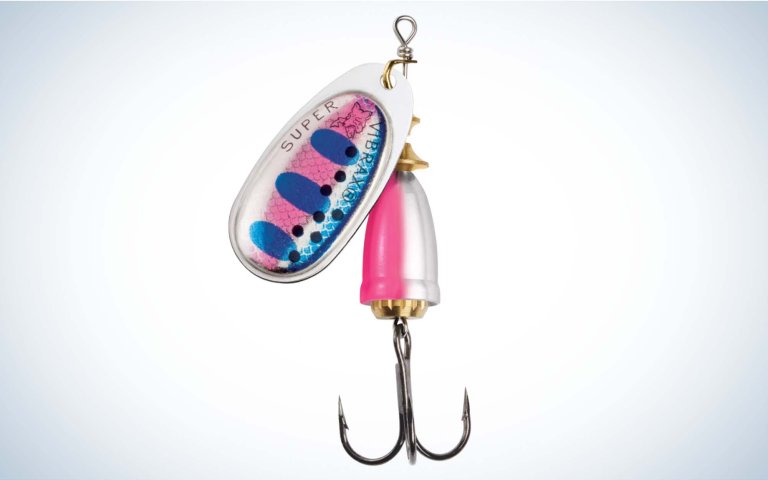
Best for Large Lakes: Blue Fox Vibrax Spinner
Pros
- Can be cast long distances to cover a lot of water
- Can be fished in deep and shallow water
- Triggers aggressive strikes
Cons
- Must be continuously retrieved to be effective
- Can spook smaller trout
Key Features
- High flash attracts trout from a distance
- Sizes 3 to 6
- Low-frequency vibration imitates prey
- 30° blade angle reduces line twist so you can fish it all day
In a big lake, trout can be almost anywhere and so the more water you can cover the better. It’s a game of long casts where you fish both deep and shallow water with alternating retrieval speeds and for this type of fishing, nothing beats a Blue Fox Vibrax Spinner. A lure with a bit of heft, the Blue Fox Vibrax weighs between 7/64 of an ounce and 5/8 of an ounce with a condensed, compact frame that allows you to really send it. It’s the perfect spinner for covering water in a big lake when you don’t know where the fish hang out. The pulsing flash and subtle vibration of the lure will call in big trout from a distance and cause them to absolutely smash the lure no matter where they’re hiding, so long as you can get it in their range.
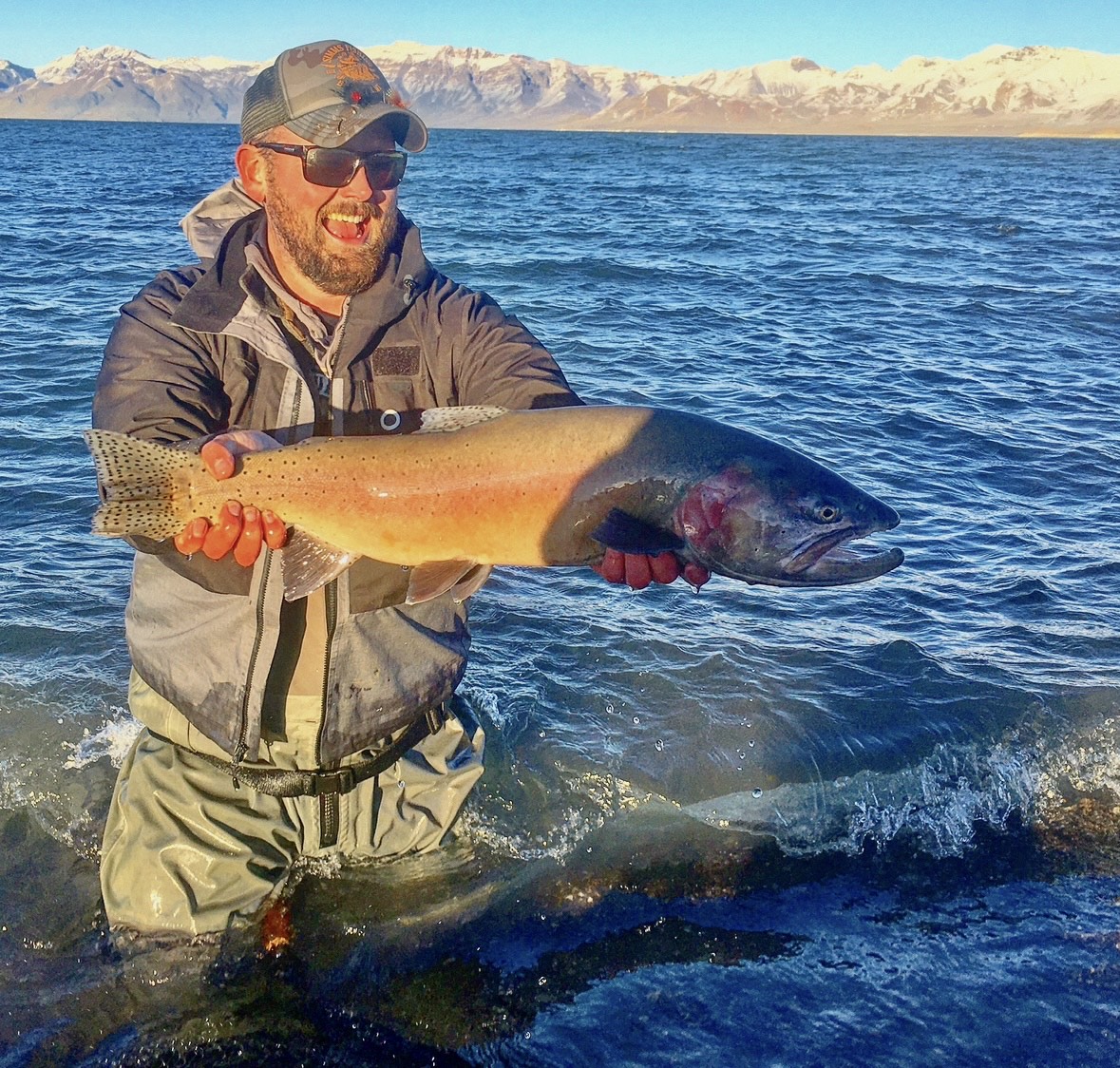
While the package on the Blue Fox Vibrax says that it’s good for 1 to 5 feet of water, the lure is much more versatile than that. You can cast a Blue Fox Vibrax out into deep water and let it sink to the bottom before starting your retrieve to call lunker trout out of the deep. You can also cast a Blue Fox and start a rapid retrieve as soon as it hits the water so it will be smashed by trout feeding just below the surface. To get the most out of a Blue Fox Vibrax Spinner, you’ll want to fish it with a light-action rod paired with a fairly light line so you will be able to detect the vibrations of the lure with varying retrieval speeds. While fishing, ensure that even when you’re bringing it in slow, the Blue Fox’s blade is spinning. The lure comes in a variety of natural and artificial colors with silver, blue, and white combinations usually being the most effective.
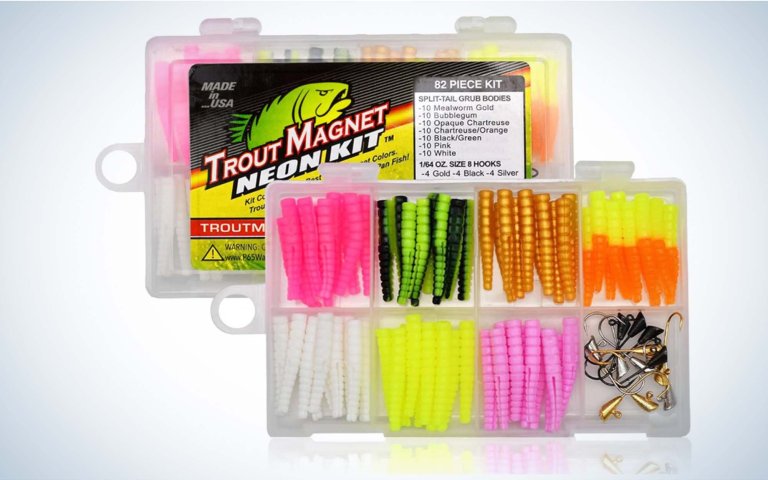
Best Jig: Leland’s Trout Magnet
Pros
- Replicates a variety of prey items
- Sold in kit combos
Cons
- Needs to be fished with a jig and soft-plastic combo
- Doesn’t cover a lot of water
- One hook size
Key Features
- Lead Free
- 1 ¼ inches long
- Jig Head with Split-Tail Worm Combo
- Quantity Per Pack: 2 Jig heads and 7 Worm Bodies
Jigging for trout is an extremely effective and underutilized method in both still and flowing water. While there are a ton of trout jigs on the market, I’ve never found one that’s easier to use than Leland’s Trout Magnet. It’s a small, lightweight lure that can be slow jigged along the bottom in lakes and ponds or drifted, bounced, and twerked in the current of the river. The brilliance of the Trout Magnet’s design cannot be understated. The 1/64 oz jig head is light enough to be easily cast and fished in shallow or deep water, while the split tail worm body imitates everything on a trout’s menu, from a nymph to a crayfish to a small baitfish.
You can fish a Leland Trout Magnet in a variety of different ways. Tied directly to your line, it’s excellent for flipping into small pockets of deep water and for twitching and bouncing around cover. It’s also a great lure for dead-drifting in river currents. You can do this with either a single small split shot on the line so you can bounce and twitch the Trout Magnet along the bottom or with a bobber attached above the line so that the jig can free-float along the top of the water column. While there are a wide range of color options, it’s best to stick to black, white, and other subtle colors in clear water. Pink, orange, and other brighter colors work well in muddy conditions.
Best Soft Plastic: Lunker City Slug-Go
Pros
- Can be cast and retrieved, jigged, or dead drifted
Cons
- Angler has to be familiar with multiple rigging and fishing techniques for the lure to catch trout consistently
Key Features
- Produces erratic “injured baitfish action”
- 3 inches to 9 inches long
- Made with a jointed body
- Variety of Sizes and Colors
- Designed to draw instinctive strikes from both active and inactive fish
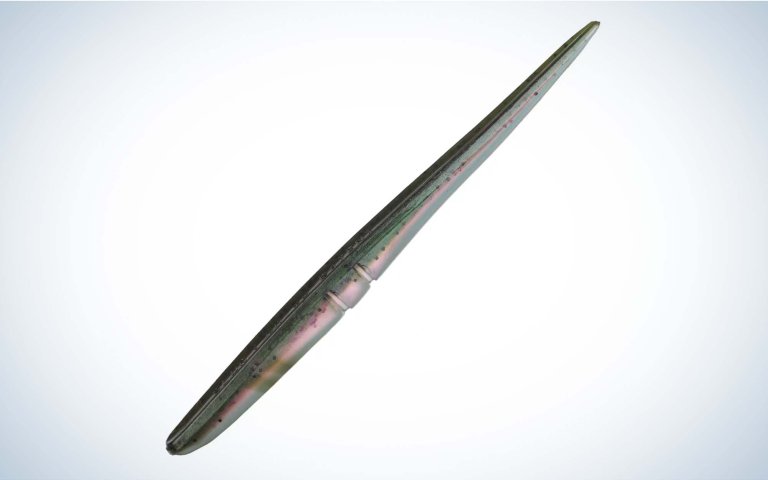
The Lunker City Slug-Go has a special place in my trout fishing heart. In college, it became my go-to lure for catching chubby rainbows and hefty browns in the streams and rivers around campus, which kept my freezer full and my meal-plan fairly cheap. It’s an extremely versatile lure that with the proper rigging, can be jigged along the bottom, twitched and pulsed through slow-moving currents or still water, or even dead-drifted like a dead minnow. With a variety of sizes ranging from 3 inches to 9 inches long, you can use the Slug-Go to catch tiny, minnow-hunting brook trout or monster, cannibalistic browns with equal effectiveness.
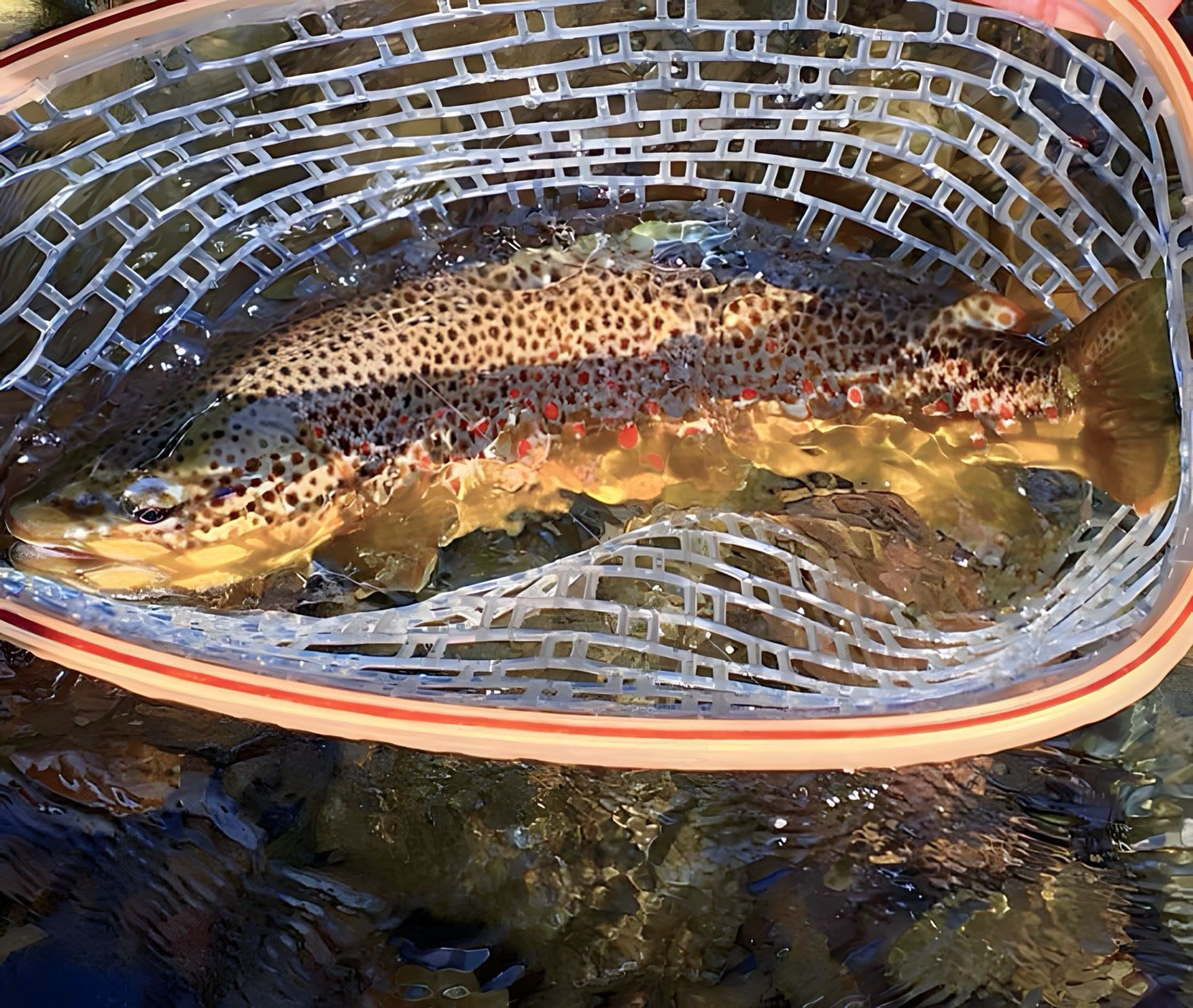
You can rig the Lunker City Slug-Go in a few different ways. The simplest is with a single large #4 or #6 bait hook stuck through the head of the lure. Fishing the lure this way allows you to twitch and pulse the Slug-Go through the water like a wounded baitfish where it can attract and be attacked by hungry trout looking to pick off an easy target. If you’re fishing in deeper, faster-moving water, you can thread a Slug-Go onto a long-shanked jig head hook. This will allow you to cast and jig the Slug-Go along the bottom where it can bounce and click on off the rocks and ring the dinner bell for any patrolling fish. Finally, you can also hook the Slug-Go through the center of its body and then float it under a bobber through rapids and other turbulent water like a dead or dying minnow that’s been thrashed by the current. In every case, the Slug-Go is sure to attract fish and get hard strikes from the trout you’re after.
Best Trolling Lure: Worden’s Flatfish
Pros
- Effective in both lake and rivers
- Easy to use
Cons
- Diving lip causes it to snag a lot on shallow water
- Fairly expensive
Key Features
- Built in Diving Lip
- 1 inch to 4 inches long
- Wobble and Side-to-Side Action
- Single, easily changeable Treble Hook
- Variety of Effective Size and Color Options
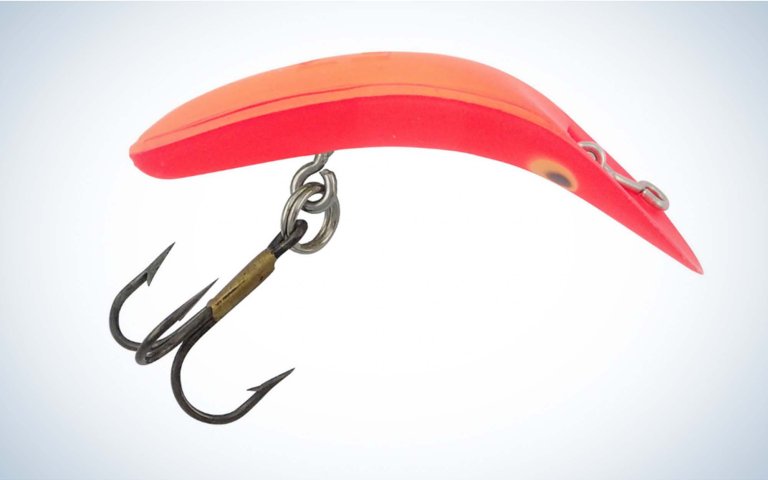
Whether you’re running downriggers through the depths of a lake or backtrolling your way down a river, there’s few other lures that will get you more trouty bends in your rod than Worden’s Flatfish. Designed over 50 years ago, the Flatfish is a proven trout slayer with an intense wobbling action that will attract and catch every species of trout, from giant lakers and aggressive browns, to smaller, scrappy rainbows, and even big brook trout.
Coming in a range of sizes from 1 ¼ to 2 ¼ inches long, Worden’s Flatfish imitates a multitude of baitfish species and with the proper rigging and trolling speed, it can be fished at a variety of different depths. In rivers and shallow lakes, you can troll with the Worden’s Flatfish attached straight to your line, relying on the diving lip and slow trolling speed to keep the lure at a consistent depth between 3 feet and 10 feet. In deeper water, you can fish the Flatfish with a bullet weight or egg sinker attached to the line about two feet above the lure to help it sink to and troll through deeper water. The Flatfish comes in a variety of different colors with the more natural and subtle color schemes producing better in shallower, clearer water and the brighter colors working better in deeper, cloudier water.
Best for Dead Drifting: Moondog Stonefly Larvae
Pros
- Fantastically effective for trout keyed in on insects
- Easy to rig and fish
Cons
- Hard to find
- Not very versatile
- Only one size
Key Features
- Micro-Finesse Bait
- 1 inch long
- “Buggy Appearance” that Imitates Multiple Insect Species
- Can be fished through ice or on open water
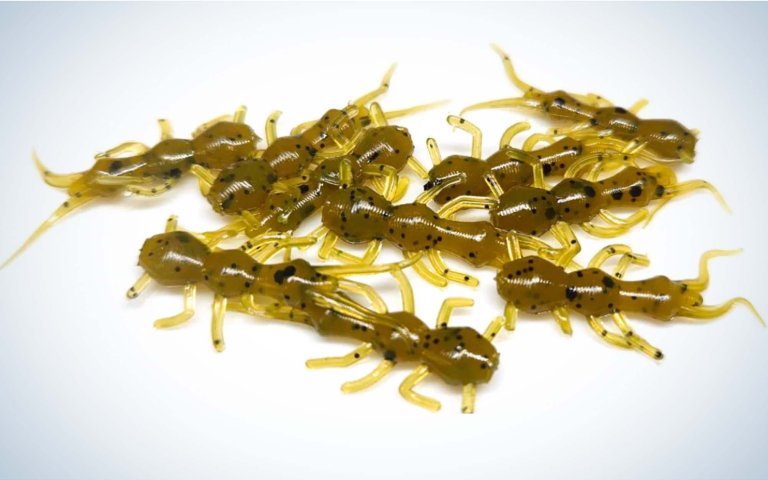
Dead drifting is easily one of the most productive and simple trout fishing methods. It consists of simply casting a lure into the water and letting it float downstream on a controlled drift so that trout can dash out and snatch it from the moving water. A lot of anglers will talk about eggs and worms being the most effective dead drifting lures. But, in my opinion, nothing catches more trout than insect nymphs, and no lure better imitates these nymphs than Moondog’s Stonefly Larvae.
Made of a soft plastic that undulates and flutters naturally in the current, Moondog Stonefly Larvae can be fished in a couple of different ways. You can bounce them along the bottom on a #10 jig head hook or more effectively, in the middle of the water column on small #10 or #8 mosquito hooks suspended beneath a bobber. With either method, the natural movement and shape of the Moondog Stonefly Larvae is sure to connect you with trout of all shapes and sizes. It’s an especially effective lure for fishing in high-water conditions when trout are stacked near the bank edges or during the winter when cold-water trout will only eat smaller, more realistic lures that drift right past their noses.
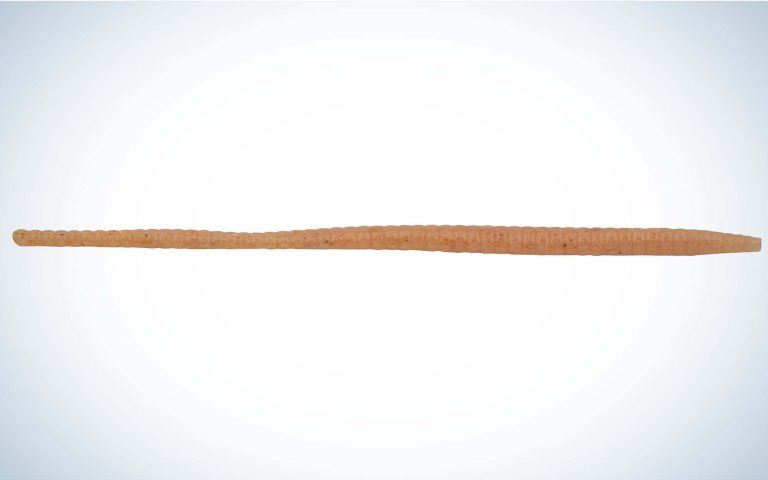
Best for Tough Conditions: Berkely Powerbait Floating Trout Worm
Pros
- Realistic appearance
- Easy to fish
- Effective under a variety of conditions
Cons
- Must be fished slowly
- Not very durable
Key Features
- 3-inch length
- Lively Action
- Floating Design
No matter how or where you’re trout fishing, you’re bound to end up fishing in less than ideal conditions. Snow melt and rain can blow rivers out, dry conditions can make river flows low, warm and clear, and sudden cold fronts can drop water temperatures and make trout sluggish. During these times, the only way to catch fish is with the most tempting morsels you can find, and that means using worms. And for my money, no other lure looks closer to, or fishes like, the real thing than the Berkely Powerbait Floating Trout Worm.
You can fish the Berkely Powerbait Floating Trout Worm in a few different ways. In high, cloudy water conditions, you can rig it by threading the worm on a short #8 or #6 jig head hook and then cast and jig it along the edges of the bank. In low-clear conditions, you can hook a small #10 or #8 baithook through the head of the worm and drift it with a small split shot attached to the line about 8 to 10 inches above the lure. The Berkely Trout Worm comes in a variety of different colors, with the more natural colors being more effective in clear water and the brighter colors working better in dirty flows.
How to Choose a Trout Lure
When you’re selecting a trout lure, success always comes down to choosing wisely. Varying conditions, trout species, and even the size of the trout are all important factors that match the type, size, and color of the lure. However, there are some general guidelines to follow that will help you catch more fish.
Water Clarity
In clear water, smaller lures with more natural colors are always going to work best. You’re going to want to choose lures like the Moondog Stonefly Larvae, the Berkely Trout Worm, or the Sluggo that can be fished, drifted or fished slowly and methodically so that trout have plenty of time to look at the lure and make up their minds. In dirty water, choose brighter-colored or darker-colored lures that stand out and make an impression. Lures like the Blue Fox Vibrax, the Husky Jerk, and the Roostertail all put out a lot of sound and flash as well, helping trout find them by feel rather than by sight.
Trout Size
While trout are generally thought of as delicate and picky eaters, it’s important never to forget that the fish are still predators that can and will eat some surprisingly large meals. When you’re targeting particularly large trout, don’t forget the old “big baits catch big fish” adage and use lures that make an impression. Large 5-inch Husky Jerks, 6-to 9-inch Slug-Go’s, and size 3 Blue Fox Vibrax Spinners all offer trout a substantial meal and are going to be lures that hook you up with larger fish.
River Speed and Water Depth
Trout are always going to take the path of least resistance and target the easiest meal possible. They aren’t always going to chase lures through strong currents or swim into shallow water to feed when they have easier options around them so you always want to try to fish accordingly In fast moving water, a Roostertail or Acme Phoebe that’s moving being retrieved downstream is always going to get more interest than a lure traveling against the current. In deep water, a heavy Blue Fox Vibrax Spinner or a weighted Leland Trout Magnet that’s sunk down to their level is going to draw more strikes than lures fished in the shallows.
Final Thoughts on Trout Lures
Trout fishing is truly one of the most varied, challenging, and rewarding things you can do with a fishing rod in your hand. The fish come in so many different sizes, shapes, and colors and live in so many breathtakingly beautiful places, you’d be hard-pressed trying to fish for and catch them all — but that doesn’t mean you shouldn’t try.
Part of the reason we love trout so much is the fact that each new place you fish involves solving the riddle of catching them. Trout live in a world of deep water and shallow water and slow moving currents and fast, bubbling rapids, all with different food sources your lures have to imitate. It often seems like each fish you encounter is in a different mood than the last and sometimes it feels like pursuing trout with lures is a game of throwing a bunch of ideas against the wall and seeing what sticks. However with the right approach and the right lures in your hand, the secret world of trout becomes a mystery that you just can’t wait to solve.