
We may earn revenue from the products available on this page and participate in affiliate programs. Learn More ›
Surefire silencers are the most battle tested suppressors on earth — no other brand has seen as much combat. The company makes no bones about their primary focus being on our warfighters and law enforcement personnel, and their approach to product development reflects this.
Their newest line of suppressors, announced earlier this month, is a fourth-gen iteration and currently consists of the SOCOM556-RC4, SOCOM556-MINI4, and the SOCOM6-MINI4.

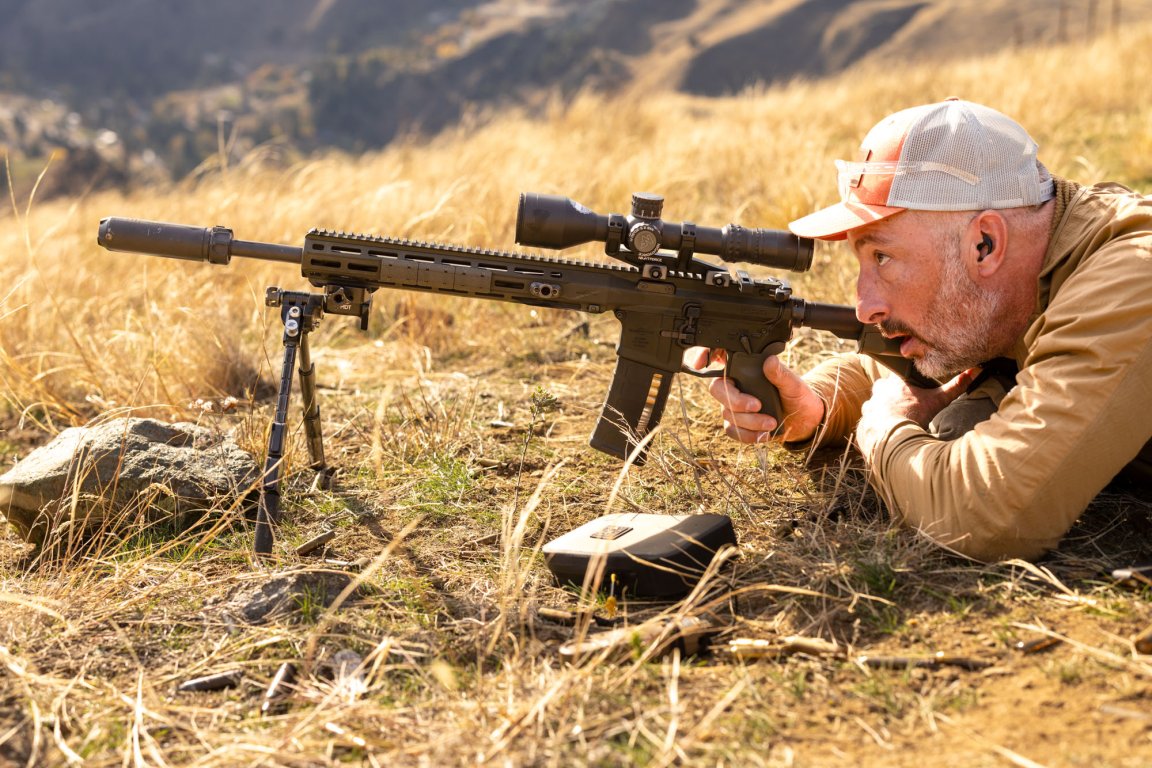
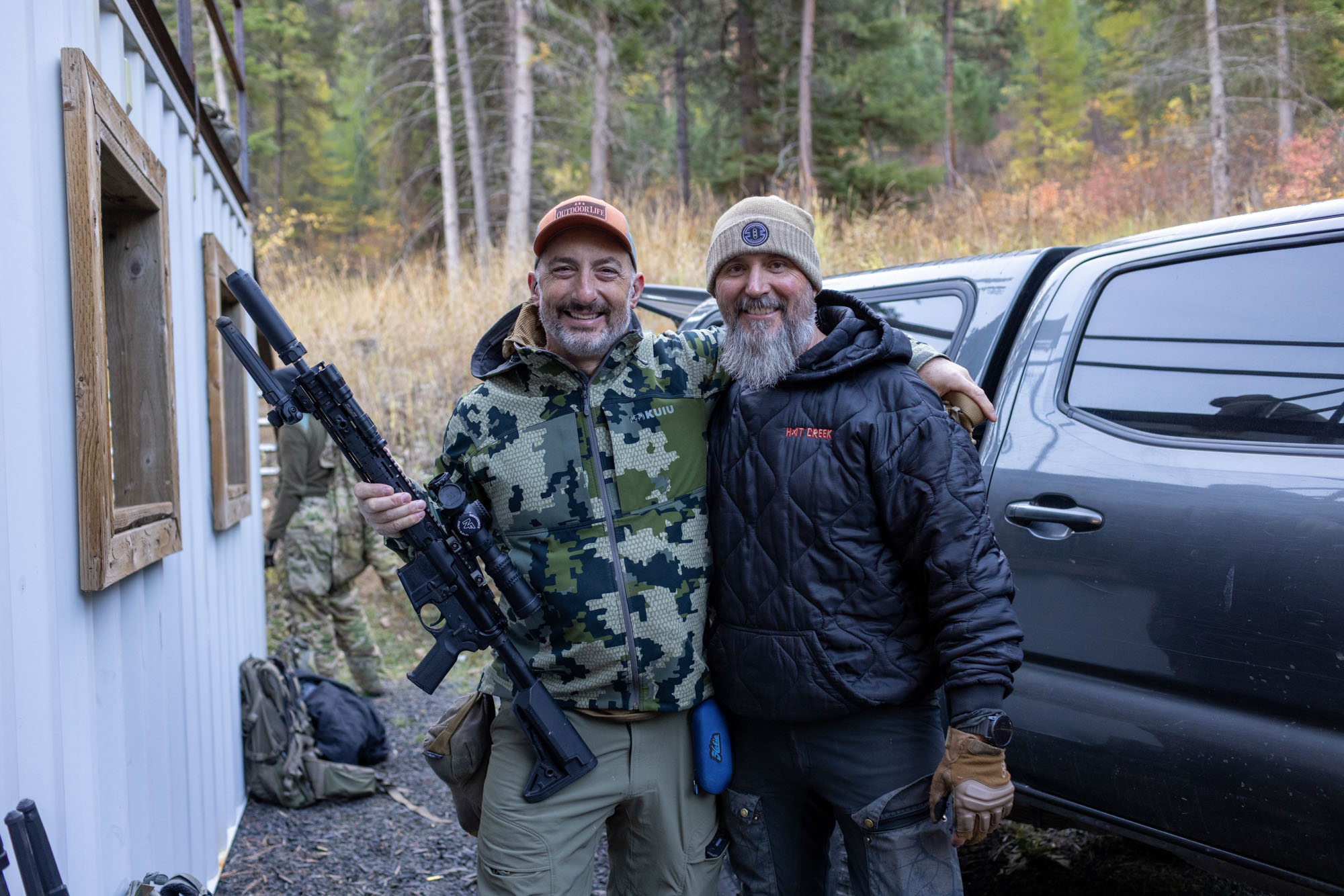
Prior to their launch, I spent a week running them at Hat Creek Training in Idaho, which is one of the country’s premiere training facilities for long-range, high-angle shooting. Hat Creek, run by Bryan Morgan and his wife Missy, caters almost exclusively to elite military units, making it an ideal setting to get a feel for these new cans.
Surefire ICAR 6mm ARC
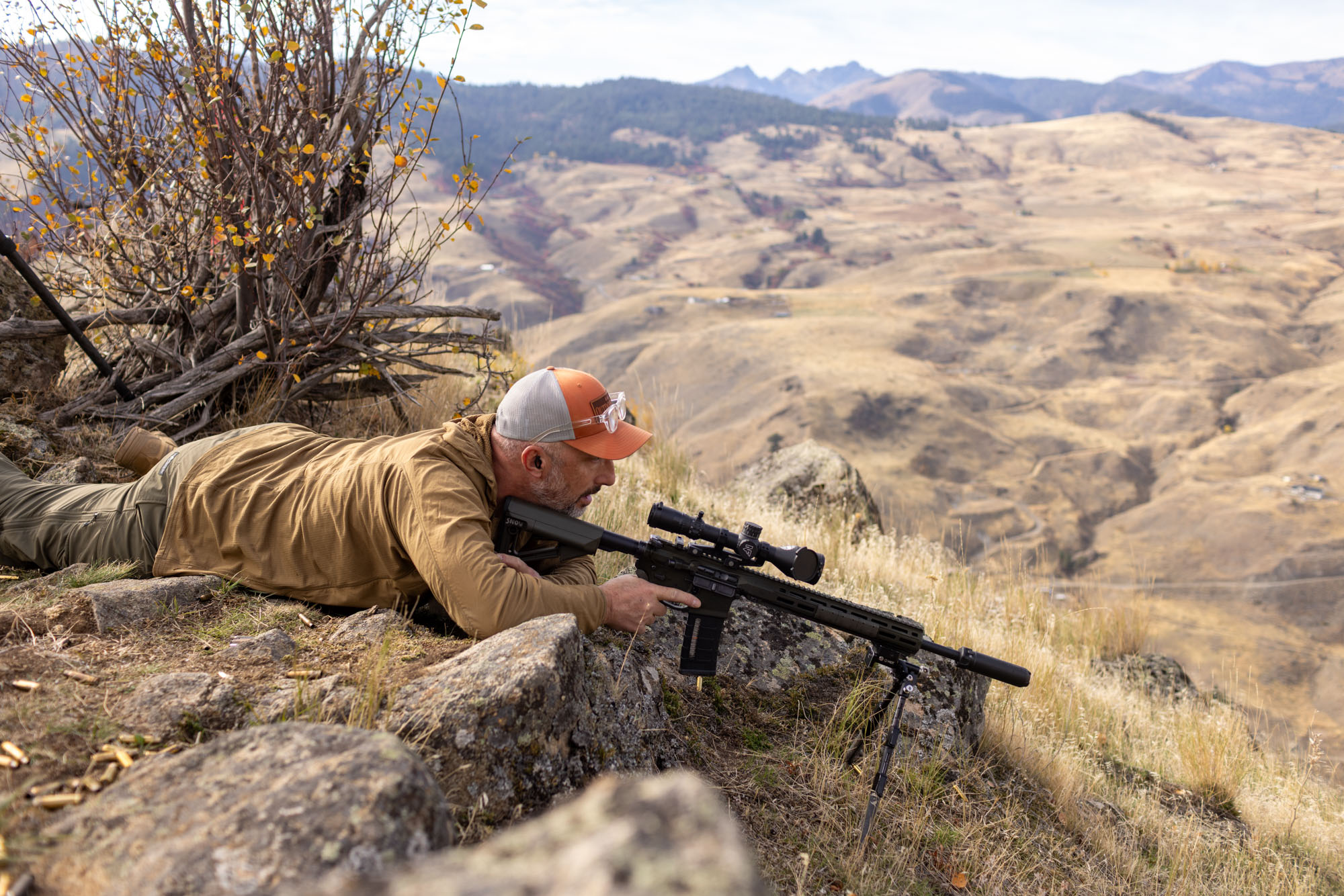
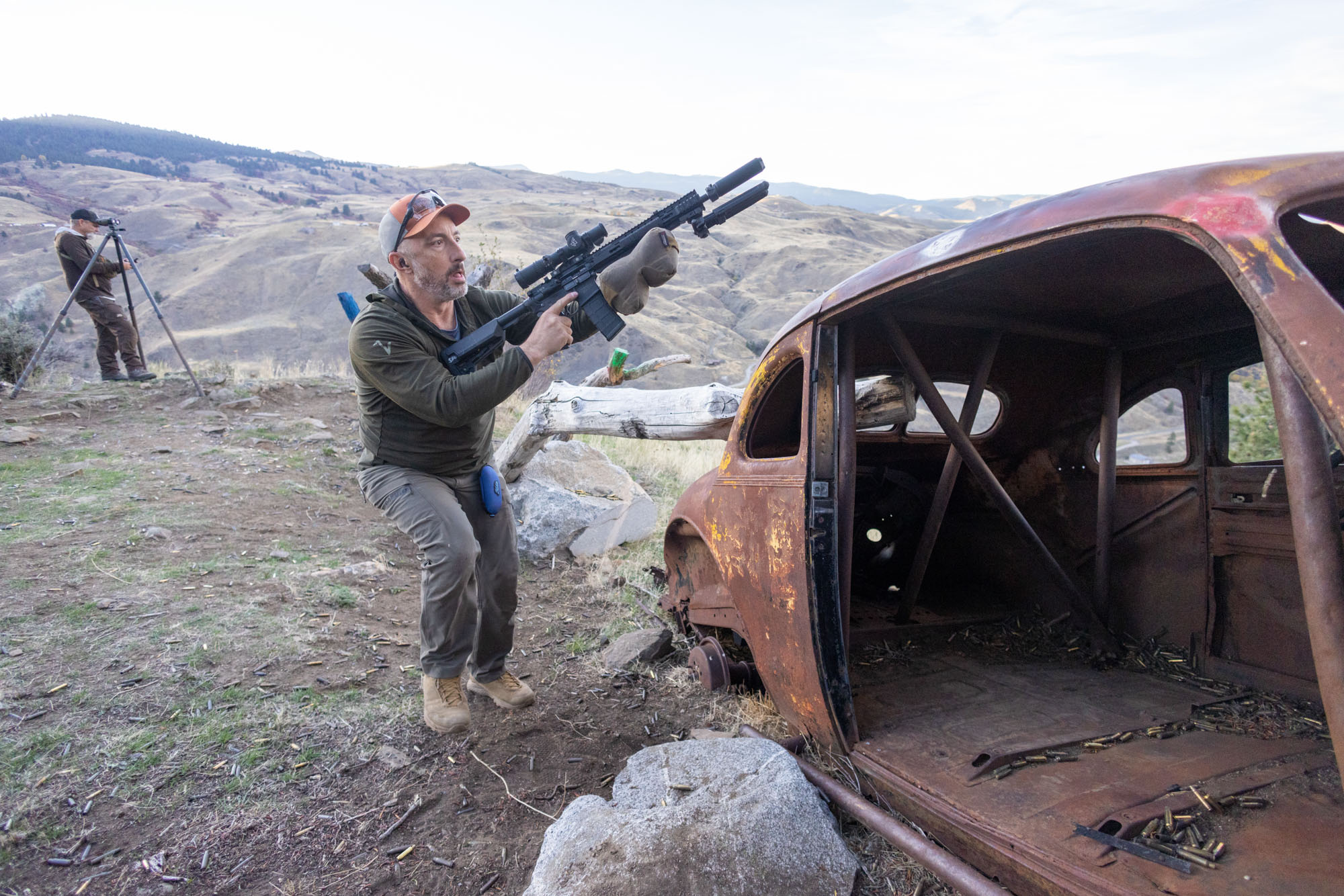
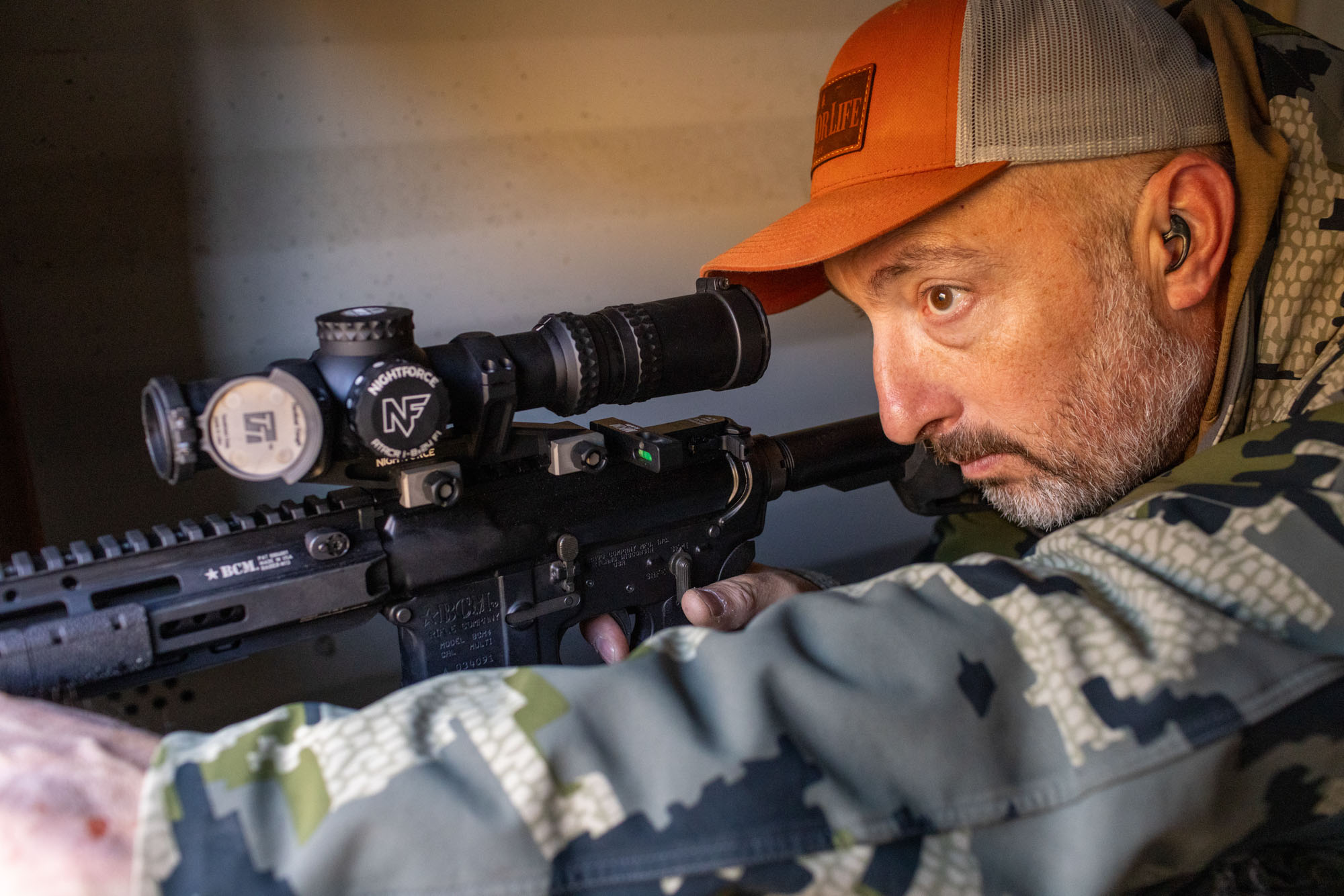
Tying this together in a package with a bow was the rifle we were using — Surefire’s Intermediate Combat Assault Rifle in 6mm ARC. This rifle is currently being fielded select elements in USSOCOM and is, for the time being, unobtainium in the commercial and civilian market.
I can’t talk about the ICAR in depth yet — specific details about its operating system and engineering are under embargo — but I can offer a 30,000-foot take on what it represents.
On the outside it has typical AR features and geometry, though a close look will reveal small but significant ergonomic enhancements that were requested by its primary military customer.
A casual glance under the hood won’t reveal anything obviously out of the ordinary either, but once you get stepped through all the changes that went into making the ICAR you’ll realize that it is built different. In short, every component has been optimized to work with the 6mm ARC to ensure reliability.
The raison d’être for the 6mm ARC was to increase the lethality and range of an AR-15/M4 sized battle rifle, especially when compared to the standard 5.56mm NATO chambering. The 6mm ARC has succeeded in that regard — the units fielding it have had excellent results and, when you run the 6 ARC, it is easy to see how it outperforms a .223/5.56 while shooting at distance.
But the 6mm ARC has had its challenges. The geometry of the round, which is bulkier than the 5.56 and employs a large bolt face, can cause feeding problems and mechanical failures. On paper, the 6mm ARC is meant to maximize the performance of an M4 sized carbine. In practice, it has required a complete overhaul to operate with the reliability expected of any firearm, particularly one being carried in combat.
How the SOCOM6-MINI 4 Fits In
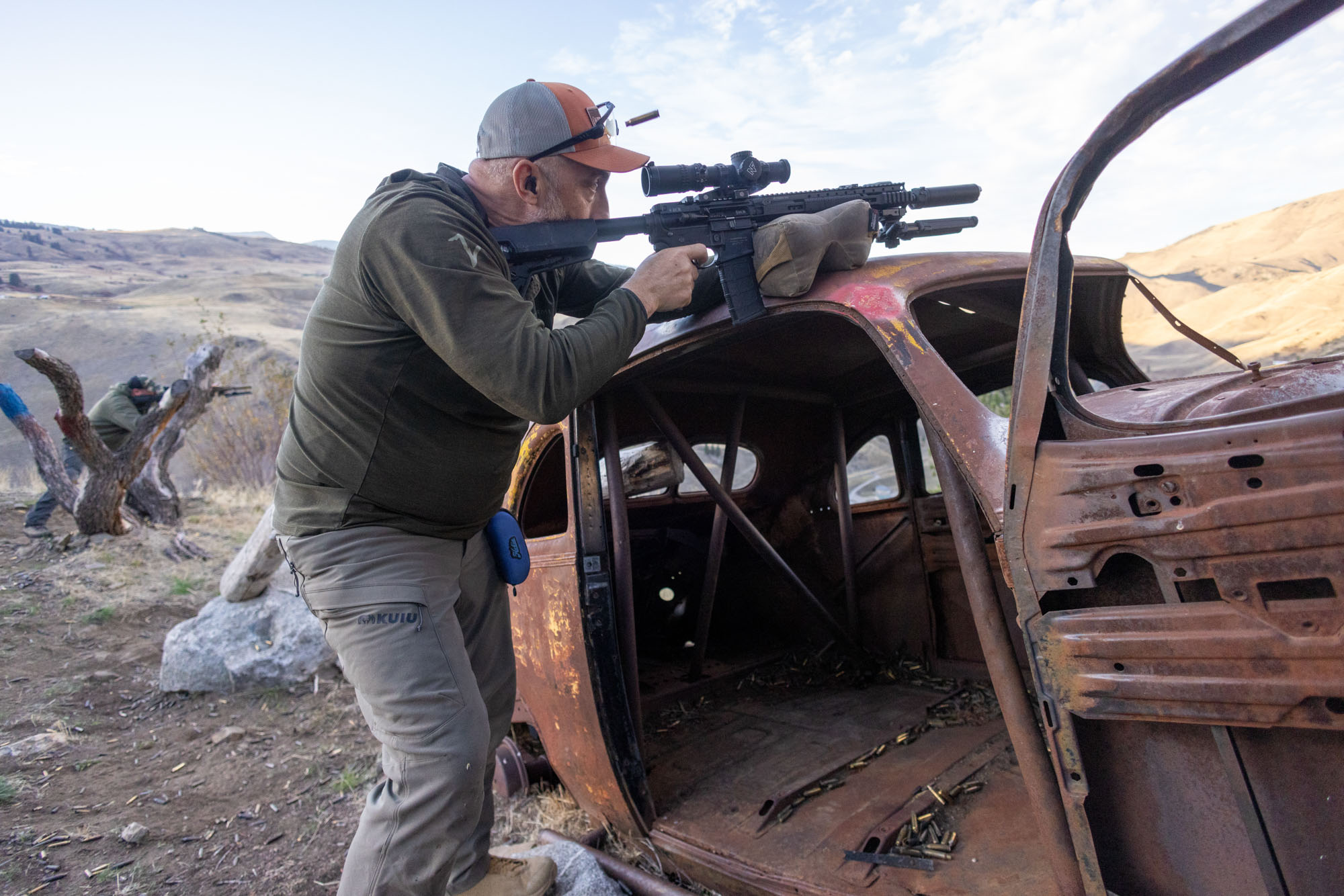
The SOCOM6 and SOCOM556 suppressors are reduced backpressure designs. This style of can, often referred to as flow-through, directs additional gas out of the front of the silencer, reducing the forces exerted on the action and cutting down the quantity of toxic gasses the shooter is exposed to.
As you might guess, lowering the back pressure is especially relevant for direct-impingement guns, and can improve reliability and handling characteristics, as excessive bolt speed can make a rifle more difficult to control. It also keeps the rifle cleaner for easier maintenance and improved longevity.
While the SOCOM6-MINI4 balances well with the Surefire ICAR in terms of the rifle’s operation, it also compliments the rifle’s combat focus.
What Matters In A Suppressor
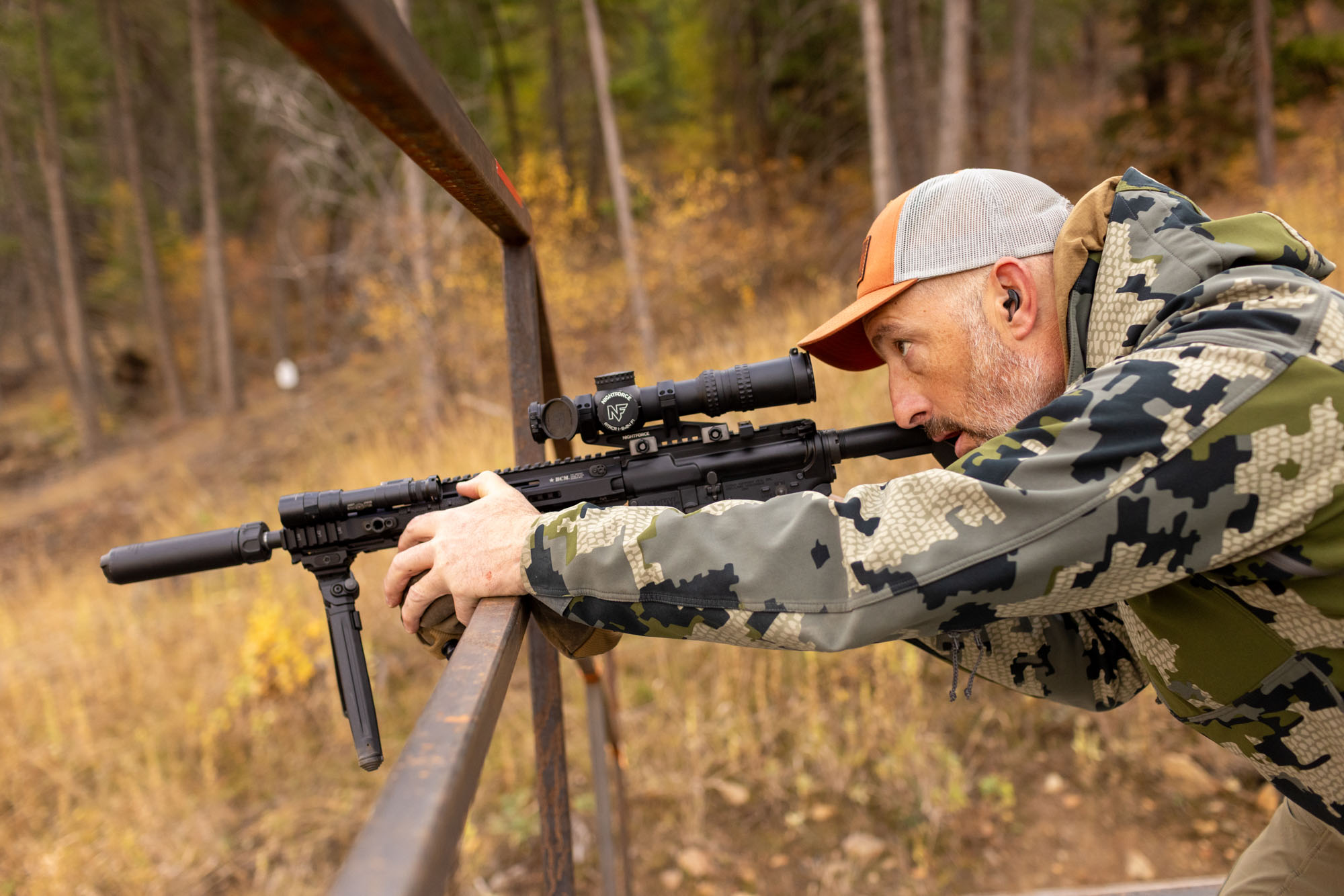
My colleague Tyler Freel just put together a handy buyer’s guide for someone looking to purchase their first suppressor. One point he makes is that sound reduction — a quality that gets heavy emphasis from the shooting public, especially those commenting on social media — isn’t necessarily the most important consideration when evaluating a can.
I’ll take that one step further, and state when it comes to what really matters in a suppressor that sound reduction is near the bottom of the list — especially for one destined for the battlefield.
Barry Dueck, who is a national champion three-gun shooter and who oversees Surefire’s suppressor division and the ICAR project, set me straight on what qualities are most critical when I got my first Surefire can, a 6.8 SOCOM, more than 15 years ago. Ahead of sound reduction for military applications you can list:
- Reduced flash signature
- Minimal POI shift
- Rugged construction
- User safety in the event of failure
- Secure attachment
With these criteria in mind, you can better understand the SOCOM6-MINI4 and its siblings, the SOCOM556-RC4 and SOCOM556-MINI4.
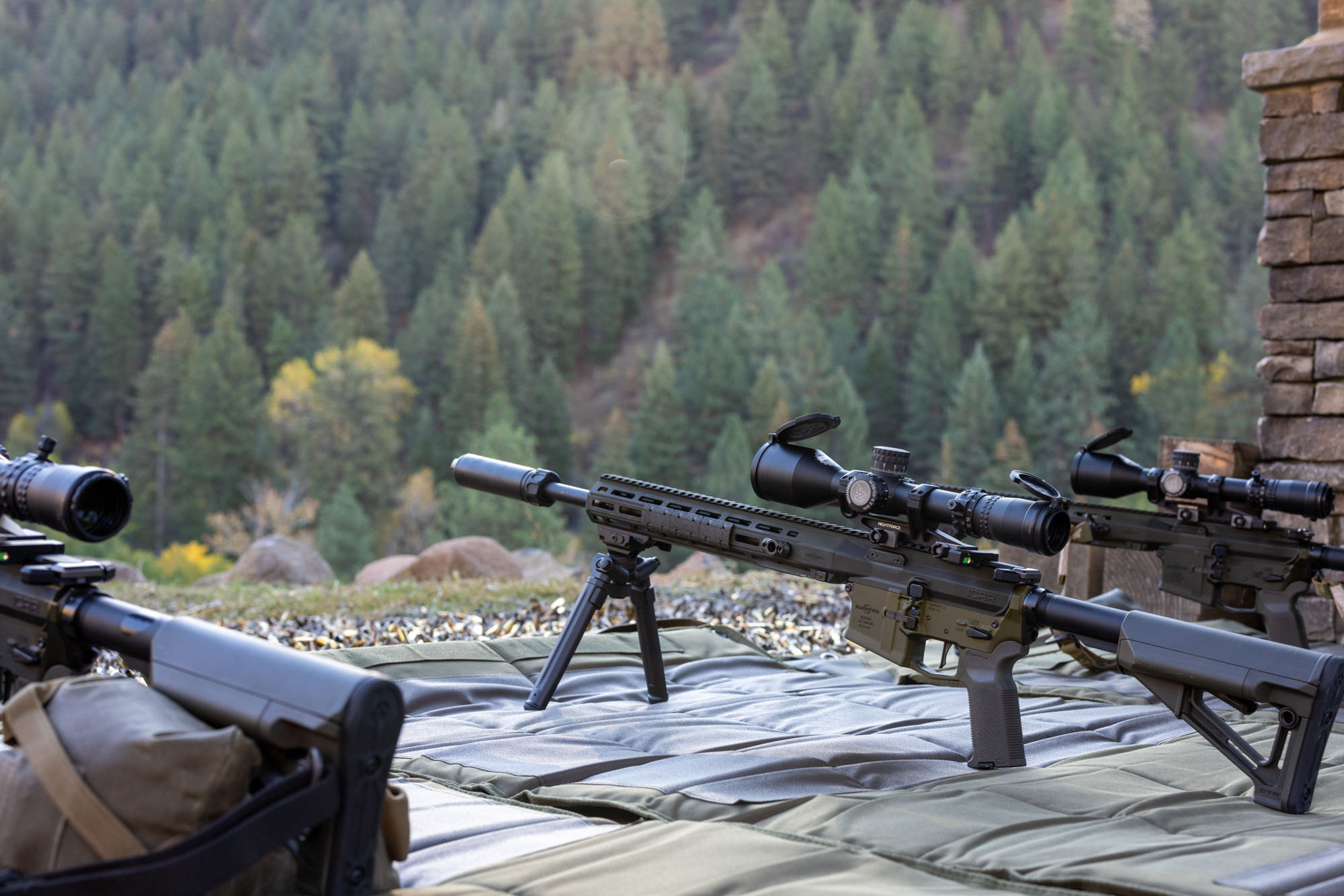
Surefire SOCOM6-MINI4 Key Features
- Constructed from durable high-temperature Inconel
- New gas flow design reduces muzzle signature and exposure to toxic gasses
- Reduces backpressure by 60 percent
- Adds minimal length to weapon system (about 3 inches depending on adapter)
- 15 ounce weight
Reduced Flash Signature
Firefights often happen in the dark and the last thing you want is to give away your position to the enemy. Mitigating muzzle flash — which can be a massive challenge with some of the powders used in the manufacture of military ammo — is paramount.
The RC4 and MINI4 do a remarkable job cutting down flash. We spent time one night performing mag dumps in the dark, and even when standing in close proximity to the muzzle we could hardly pick up any flash, let alone the sparking that often occurs with silencers constructed from titanium.
I understand that for hunting and precision shooting applications flash reduction isn’t necessarily a big deal, but for defensive weapon systems it is critical.
Minimal POI Shift
When you screw something as bulky as a suppressor to the end of your gun you can expect the point of impact to shift somewhat. Better constructed cans keep that delta to a minimum.
For military duty this matters because there are situations where the shooter might need to remove the suppressor (see the sections on rugged construction and unit failure below) and when that happens a minimal POI shift will allow the rifle or carbine to maintain its effectiveness.
This is also relevant for civilian long-range shooters and hunters. Should your silencer get plugged with mud or snow and you need to remove it prior to taking a shot, for instance, the smaller the POI correction the better.
Rugged Construction
Murphy and his infamous law always loom large on the battlefield — and based on my experience — are frequently encountered during shooting matches and while hunting, too.
Compared to the RC3 series of suppressors, the RC4 and MINI4 have beefed up front ends. It doesn’t take much imagination to envision situations where the muzzle of an assaulter’s rifle gets rammed into concrete walls, reinforced steel doors, or rubble while maneuvering. Making sure it is able to survive these and other scenarios Murphy might concoct, trumps how quiet the suppressor is.
These new Surefire suppressors are constructed from a high-temperature grade Inconel alloy, which is one of the most desirable materials for suppressors. The front and back of the fourth-gen Surefire cans are 3-D printed, while the center core is machined from Inconel.
User Safety
No matter how idiot-proof a product is designed, or how tough its construction is, sooner or later it is going to break. With suppressors that often means it is no longer aligned with the rifle’s bore. Either something got bent or the suppressor was incorrectly attached, and you end up with a baffle strike. (Another primary cause of baffle strikes is running a cartridge with a larger bullet diameter than the silencer is designed for.)
When this happens, most people at the range or during a match will realize something is amiss and stop shooting right away. (Or so I would hope.) But in battle, a soldier might not have that luxury, or might be running the weapon on a fully automatic setting, in which case multiple projectiles will continue to strike the suppressor.
Surefire’s cans are built with this worst-case scenario in mind and are designed to keep the resulting spray of fragments to a minimum and directed away from the shooter’s position to lessen the possibility of injury.
Secure Attachment
I love my direct-thread suppressors. They free you from needing to commit to a particular type of muzzle device when moving a can from one gun to another. Their main drawback is that they will work loose sooner or later. At the very least, this causes a degradation in accuracy. Should that go unnoticed and uncorrected, you run the risk of incurring a baffle strike or potentially launching your silencer downrange, which will amuse your friends to no end, but can ruin an otherwise perfect can.
The locking mechanism on the Surefire RC4s and MINI4s ratchets down to hold the suppressors tight against the muzzle device, either one of Surefire’s suppressor-compatible compensators or brakes.
This offers a level of security far surpassing direct thread systems, and while it isn’t necessary for casual shooting, it certainly is an important consideration for a combat weapon.
Surefire SOCOM RC-4 and MINI4 Sound Reduction
Of course, these silencers dial back the muzzle blast experienced by the shooter and whoever is standing nearby as well.
With few exceptions I wear hearing protection even while shooting suppressed, so quibbling over the published decibel ratings of one can versus another is not a priority to me.
Most often, I find it difficult to hear the difference from one can to the next, particularly if their ratings are in the same ballpark. In part this is because there’s more that goes into the shooter’s and bystander’s perception of sound than the dB level measured in a laboratory setting.
It’s also possible for a can that is technically louder to sound softer to the human ear based on the tone it produces. While difficult to define, tone can make a suppressor sound more mellow or harsh, independent of the dB rating.
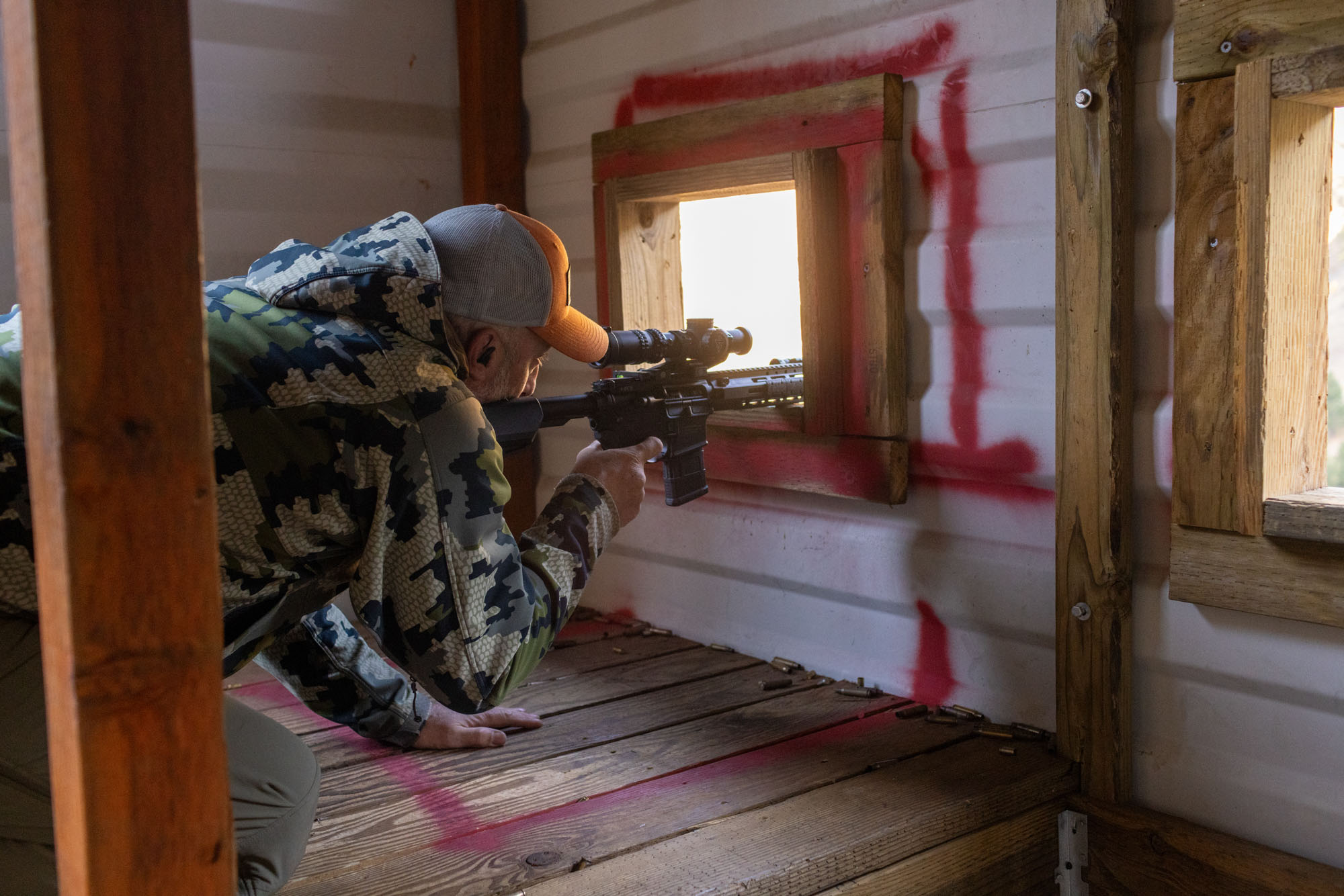
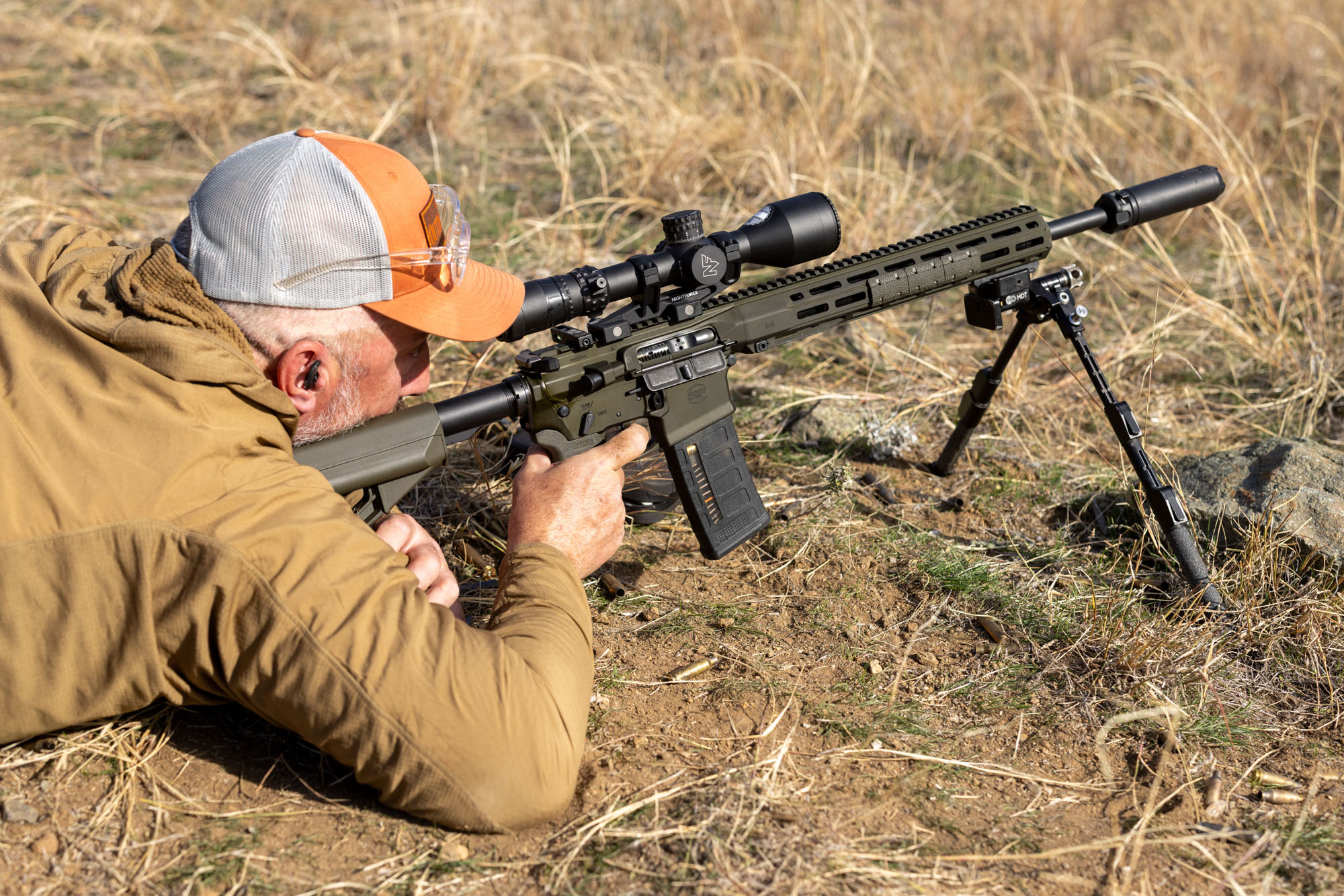
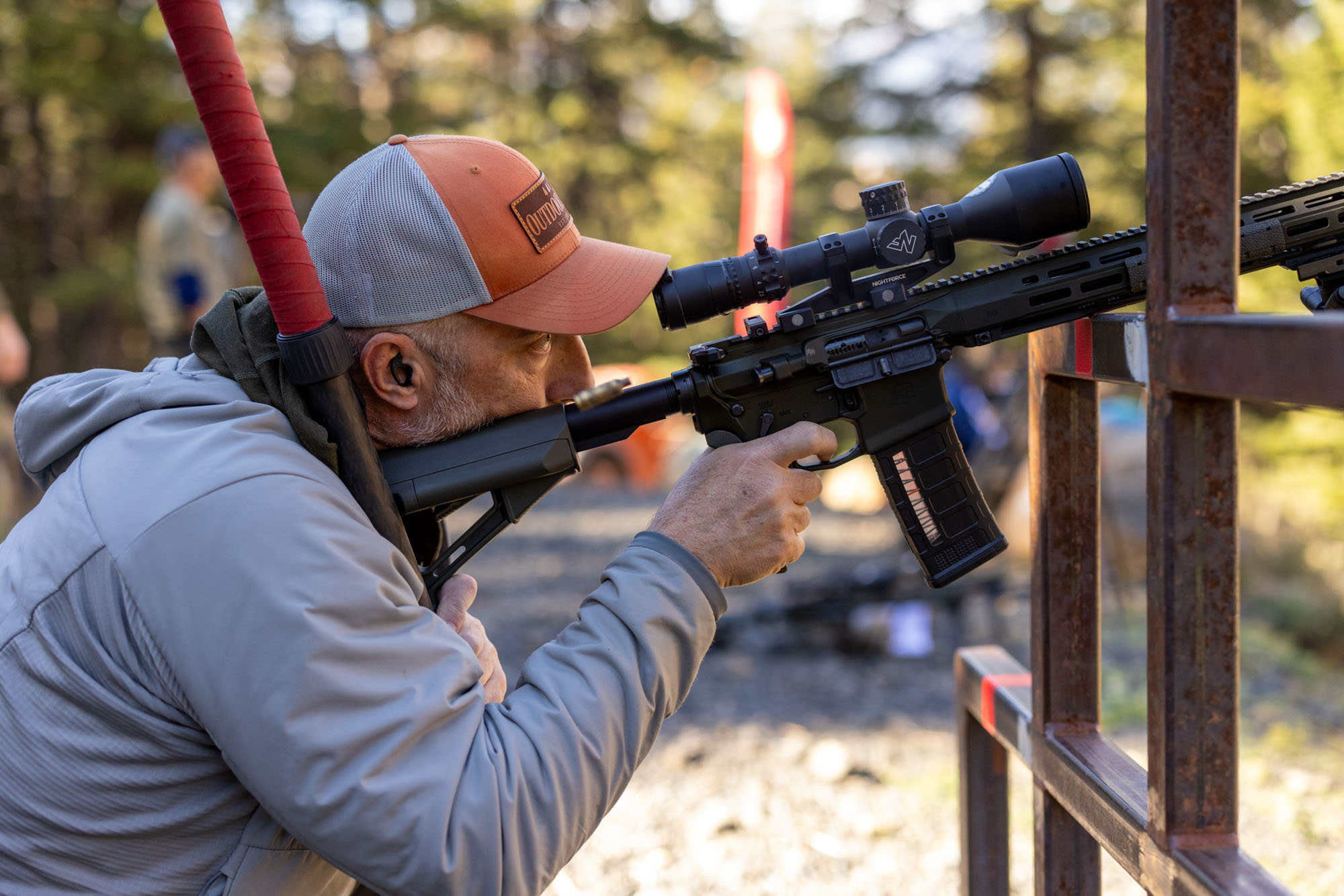
That said, I put hundreds of rounds through the Surefire ICAR and SOCOM6-MINI4 during the training at Hat Creek, mostly in outdoor environments, but also in and around Conex boxes and other structures. The sound reduction and reduced muzzle blast was more than acceptable.
The Gen-4s and Rifle Handling
Another thing that deserves mention is the compact build of these cans, especially the MINI4 models. The can weighs about 15 ounces, which is a good weight for a suppressor designed for hard use. Also, it only adds 3 inches to the length of the weapon, given how far back it sits on the muzzle device. You can get lighter suppressors that weigh half as much, but they won’t have the durability that’s baked into the Surefire models. What matters to you in the tradeoff between weight and durability depends on how you plan to use it and what you value most.
The larger RC4 tips the scales at 17 ounces and adds 3.8 inches to the length of the weapon and is slightly quieter than the MINI4, according to Surefire’s testing.
Final Thoughts on the Surefire SOCOM6-MINI4
For a shooter who is tough on their guns, or carries a rifle for their work, these Surefire suppressors are an appealing choice. They continue Surefire’s legacy of producing battle-ready gear — whether weapon lights, suppressors, or other accessories — that will outlast their competition.
Some users might categorize Surefire’s approach as overkill, building in extra weight and cost that they don’t need. And there are plenty of great options for hunters and shooters with that mindset. But for the person who values rugged engineering that performs at a high-level under terrible circumstances, these fourth-generation Surefire cans are singing their tune.