

We may earn revenue from the products available on this page and participate in affiliate programs. Learn More ›
Summer is for fishing, camping, hiking, and spending as much time outdoors as possible. So to help you kick summer off in style, the editors at Outdoor Life have complied our list of the best gear items for fishing, camping, and adventuring in the wilderness.
All of the gear in our list below has been extensively tested and evaluated against competitive products. And each item remains the very best in its category (click the related links to see our full testing methodology and scoring for each gear category).
So wether you’ve planned a big fishing trip, a roadtrip with the family, or a camping trip in the backcountry, we’ve got you covered with proven gear items that are sure to make your summer adventures all the more enjoyable.
Fishing Gear
- Best Spinning Reel: Daiwa Tatula MQ LT3000D-CXH
- Best Baitcasting Reel: Shimano Bantam MGL A
- Best Surfcasting Reel: PENN Fathom II 15SD
- Best Bass Rod: G. Loomis IMX Pro 844C
- Best Spinning Rod Combo: Abu Garcia Veritas Spinning Combo
- Best Fishing Shirt: Sitka Radiant Hoodie
- Best Boat Shoe: Columbia Castback TC
- Best Polarized Sunglasses: Smith Optics Guide’s Choice
- Best Life Jacket for Kayak Fishing: NRS Chinook
- Best Fish Finder: Garmin GPSMAP 8616xsv
- Best Trolling Motor: Minn Kota Ultrex Quest MEGA DI/SI Trolling Motor
Camping & Hiking Gear
- Best Backpack Cooler: Hydroflask Day Escape
- Best Cooler: Titan Pro 55Q High Performance
- Best Camp Stove: Camp Chef Everest 2X
- Best Camping Tent: The North Face Wawona
- Best Camping Chair: GCI Comfort Pro Chair
- Best Pocket Knife: Kershaw Bel Air
- Best Sleeping Pad:Therm-a-Rest NeoAir XLite NXT
- Best Overall: Alpackaraft Expedition
- Best Hiking Daypack: Black Diamond Pursuit 30
- Best Ultralight Sleeping Bag: Feathered Friends Egret and Swallow
Outdoor Tech
- Best Portable Power Station: EcoFlow Delta 2
- Best Portable Solar Generator: Anker SOLIX C1000 Gen 2
- Best Headlamp for Running and Hiking: Petzl Nao RL
- Best Bug Repellent Device: ThermaCell MR450 Armored Mosquito Repeller
- Best Dog Fence Collar With GPS: SpotOn GPS Dog Fence
Best Summer Fishing Gear
Best Spinning Reel: Daiwa Tatula MQ LT3000D-CXH
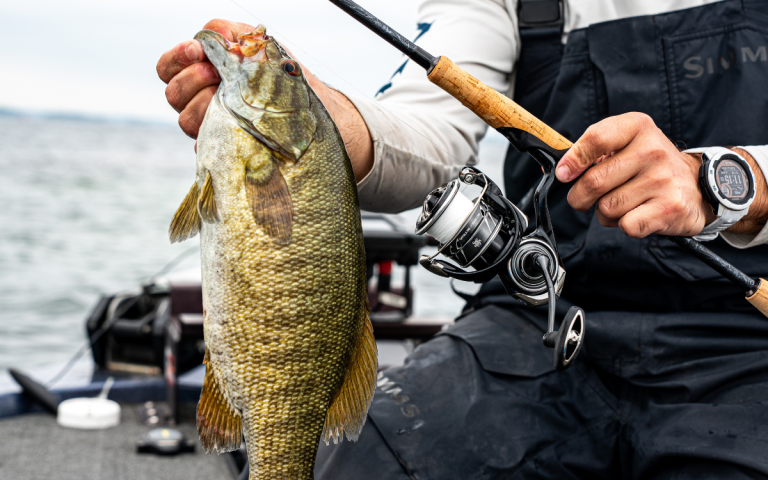
From the second I took this reel out of the box, I knew I was going to enjoy fishing with it. It’s light, it’s smooth as butter when you turn the reel handle, and the drag was incredible under the strain of some heavy St. Lawrence River smallmouth.
Everything about this reel is perfect for bass anglers. It’s compact, but holds plenty of line for long casts, and the reel handle is ergonomic. The one thing I’m not a big fan of is the end of the reel handle, the large grip can be tough to grab at times. For the price, you should know that you’re getting a spinning reel that will last for years to come. It’s a great option for almost any finesse tactic you can conjure up, including strolling or Damiki rigging using FFS. If I had to start from scratch, I’d highly consider an entire lineup of Tatula MQ LT3000D’s, that’s how much I enjoyed fishing with this reel. Read the full test here. —Derek Horner, Social Editor
Best Baitcasting Reel: Shimano Bantam MGL A

I tried to beat this reel up; I truly did. I used it to subdue close-quarters largemouths, snakeheads, and slimy blue catfish. I even accidentally dropped it overboard and bounced it through rough waves. But no matter what I did, it never lost a step from its out-of-the-box smoothness. Yes, it’s heavier than some of the options on this list. But at 7.6 ounces, it’s still far lighter than the top-notch reels of yesteryear, and that added weight seems to provide some extra stability and durability. There’s simply no flex or give, or disappointment, no matter what you do to it. If you have the bucks, you could build a full arsenal out of Bantam MGLs at various retrieve speeds. Read the full test here. —Derek Horner, Social Editor
Best Surfcasting Reel: PENN Fathom II 15SD
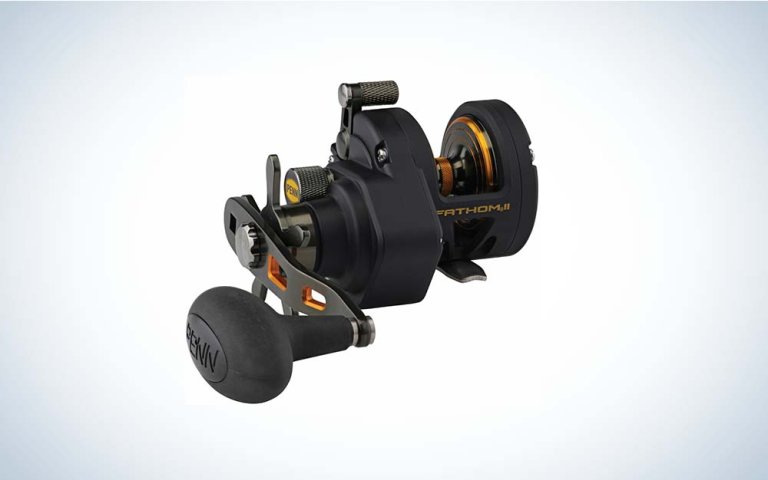
Walking through the “New Product Showcase” at ICAST a few years back, I stopped in my tracks, took out my smartphone and sent photos to my surf fishing buddies. “Look at this!” I texted. I was excited about the new PENN Fathom II SD15 for targeting big red drum in the surf. Red drum anglers are among the most demanding surf fishermen. They are looking for every advantage to make a long cast and beat a 50-pound fish through the raging surf. The PENN Fathom II SD15 is a high-speed conventional reel capable of producing 30 pounds of drag. After using the Fathom II for the last three years, the reel has earned a position as my go-to surf reel.
The main reason I love this reel is the magnetic casting brake. Once I set the brake with the small dial on the sideplate, the reel casts flawlessly time after time. The reel has a huge line capacity. If I break off, I don’t have to re-spool on the beach. To fight a big drum through the surfzone, the carbon fiber drag is smooth and reliable. I have pulled 50-pound drum through huge waves and strong current with the line stretched tight and the 12-foot rod heavily bent. The PENN 15SD balanced power with smooth release to give me the advantage. When I get home, the quick access side plate makes it easy to clean and lubricate the reel. Drum anglers won’t use a reel unless it is the best on the beach and the PENN 15SD has already become a classic as the best conventional reel for surf fishing. Read the full test here. —Ric Burnley, Contributor
Best Bass Rod: G. Loomis IMX Pro 844C
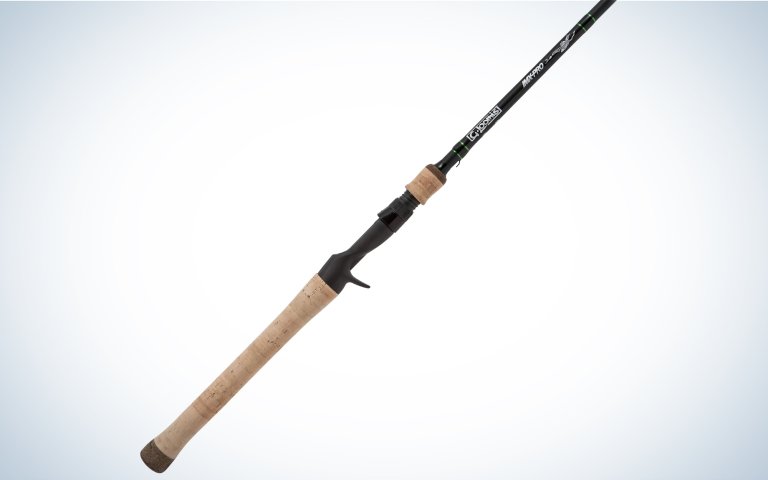
G.Loomis was one of the first premium, mission-driven brands in the rod world, and the IMX Series has long been their workhorse. They haven’t made major changes over the years because they haven’t had to, but the subtle iterations keep it at the forefront of quality and versatility. While this rod is rated as “heavy,” I have no trouble flicking a weightless Senko with it. It also excels with Carolina Rigs and light jigs, but what really makes it versatile is that it’s a solid performer with moving baits like Chatterbaits and squarebills, too. Is it perfect for those lures in all circumstances and for all anglers? Possibly not, but if you’re ready for your first premium stick and you want it to cover a lot of bases, this should be your choice. Read the full test here. —Pete Robbins, Contributor
Best Spinning Rod Combo: Abu Garcia Veritas Spinning Combo
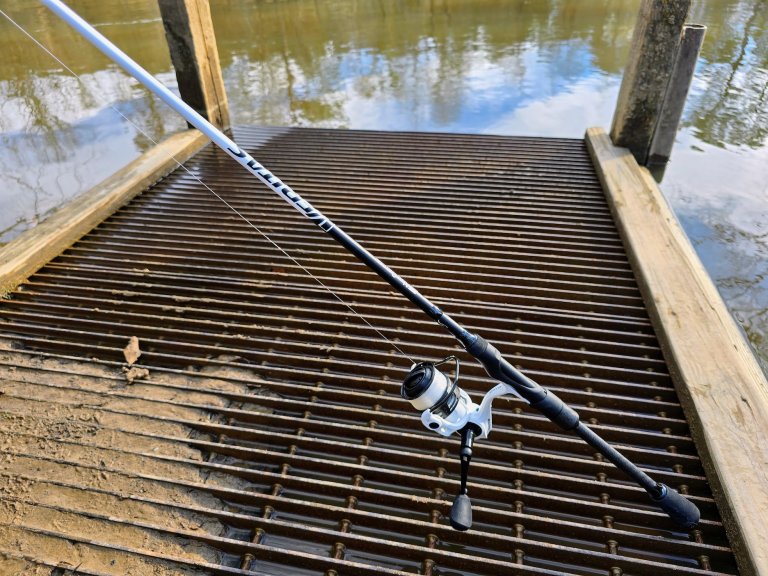
With an optimized casting system, titanium guides, and a rocket line management system, the Abu Garcia Veritas combo has features well above its price point. The top-notch drag system uses carbon fiber discs that last longer than felt discs and apply consistent drag pressure for smooth line feeding during a fight. The whole set-up performs well enough to earn big tournament prizes without being too extravagant for fishing a back-forty farm pond.
The setup is lightweight, well-balanced in the hand, and has a smooth, quiet spinning reel. The whole thing offers that just-right Goldilocks merger of durability and sensitivity. I’m a big fan of the sturdy, stainless steel, single-foot Fuji guides, which are outfitted with smooth, zirconium inserts. Not only is it super fun to fish with, I don’t have to worry about it getting beat up when it’s riding around in the back of my pickup.
I tested the VRPS70, which is the 7-foot model. I used it to beat banks with a 1/16-ounce Johnson Original Beetle Spin and haul in pan-sized crappie and bluegill. It’s plenty sensitive for picking up those super-subtle panfish nibbles. It did a great job of dropping those lightweight jigs under low-hanging branches.
The Abu Garcia Veritas combo comes in eye-catching white, which anglers absolutely love or completely despise. While the rod color does not affect how well this rig catches fish, it is probably the most polarizing feature of this otherwise stellar combo. I think a white rod tip offers excellent visibility when fishing cast-and-wait natural bait, particularly when I’m fishing in low light. However, rod color doesn’t matter all that much to me when I’m pitching jigs. The white does seem to get dirty faster, or at least lets you see every mud smear and streak of fish slime. Read the full test here. —— Alice Jones Webb, Contributor
Best Fishing Shirt: Sitka Radiant Hoodie
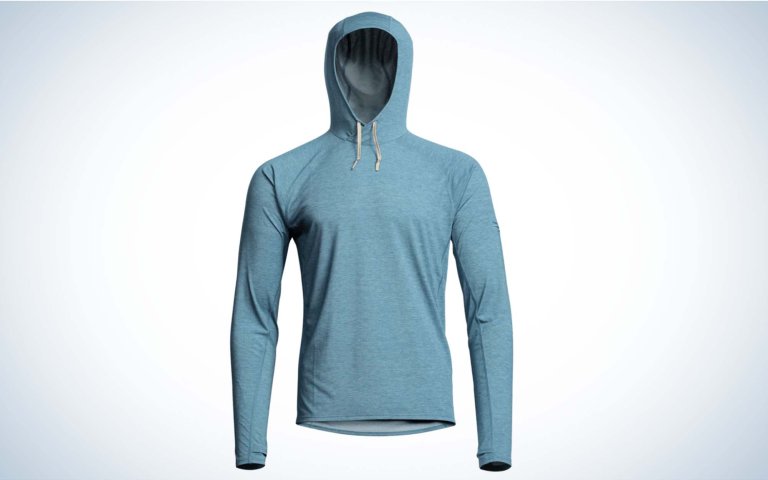
I’m 55 years old, with a classic dad bod (despite having no kids), and I recognize that not every performance hoodie looks great on me. Some cling in the wrong places, which makes them uncomfortable and also makes me self-conscious. It doesn’t help that depending on the brand I’m somewhere between large and extra large, so I acquired both in Sitka’s Radiant Hoody, prepared to send one back. I was surprised that both fit well and looked surprisingly good. I fished in them and they were comfortable, cool and quick-drying, but I also found that this was a great shirt for running errands or even getting on Zoom calls. Despite being a performance-oriented product, it channels the best of the Silicon Valley leisure wear look, too. I didn’t expect that from a company known for hard core hunting gear, but they’ve somehow found a way to produce a product that I can use to take out the trash as well as for a business call – while also being one of my top choices off the pile when I’m going out to battle the elements on the boat. Read the full test here. — Pete Robbins,Contributor
Best Boat Shoe: Columbia Castback TC

For the past few years I’ve been wearing boat shoes with thick EVA soles. After a long day on the water, my back profits from the foam’s shock absorbing qualities. This summer, I’m wearing Columbia’s new Castback TC with an extra thick EVA foam sole. Foam is great at absorbing energy, but it’s not great at support. To improve support and balance, the Castback uses a molded foot bed and cupped heel bed to secure the foot. The responsive foam is assisted by small domes on the bottom of the shoe that increase flexibility and shock absorption.
To improve traction, the sole is reinforced with a layer of scalloped and sipped rubber designed to displace water and stick to wet surfaces. Each summer, my boat shoes die a slow death bleached by salt and sun and stained with fish blood. The Castback TC’s stain resistant upper ensures these shoes will last several seasons. My favorite feature, the back of the shoe is designed to fold down turning the sneakers into a pair of slip-ons. Read the full test here. —Ric Burnley, Contributor
Best Polarized Sunglasses: Smith Optics Guide’s Choice
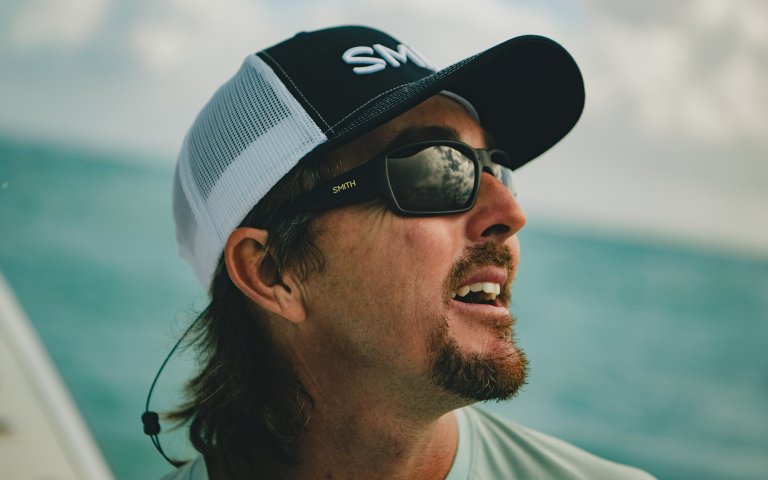
Smith’s ChromaPop technology is uniquely exciting to look through. I love wearing ChromaPop lenses in any form: the Shift Mag, a frontcountry-friendly frame design like the Wanderer, fishing favorite the Guide’s Choice, or Mag ski googles. Essentially these lenses are filtering light more distinctly to increase clarity and enhance colors, making it easier to judge depth, shadows, and obstacles in rough terrain, and intensifying scenic views. However, not all ChromaPop lenses are polarized, and if you’re looking for optimal glare reduction for spotting fish, judging wind and current direction on the water, or hiking in the sun, the Guide’s Choice are ideal.
I’ve had the chance to put wear and tear on my Smith glasses for months, and I’m far from precious with my shades. After taking the Shift Mags on backpacking, canyoneering, bike, and float trips I can confidently say I’ve put them through the wringer, cringing a few times when I find them upside down in my trunk somewhere under a packraft or backpack. They’ve sustained light scuffing that I don’t register with them on, and one 2mm scratch that I also don’t notice.
Gear editor and angler Scott Einsmann noted that the ChromaPop lenses increase definition in bright sun and shade, which helps differentiate between a stick and a brown. It’s a simple fact that good sunglasses help you catch fish. He’s been fishing with ChromaPops for over a year, and they are his go-to lenses for inshore, bass, snakeheads, and trout. The green and brown lenses work in the widest range of streams. If you fish a lot of bright sunny days, mirror lenses will help reduce eye fatigue.
Smith’s ChromaPop lens technology is unrivaled. Their frames are lightweight and don’t let in light at the top or corners, even in smaller frame styles like the Wanderer. They’re also extremely durable. I would consider any of Smith’s sport-oriented pairs the ultimate adventure sunglasses for any sport. Read the full test here. — Ashley Thess, Contributor
Best Life Jacket for Kayak Fishing: NRS Chinook
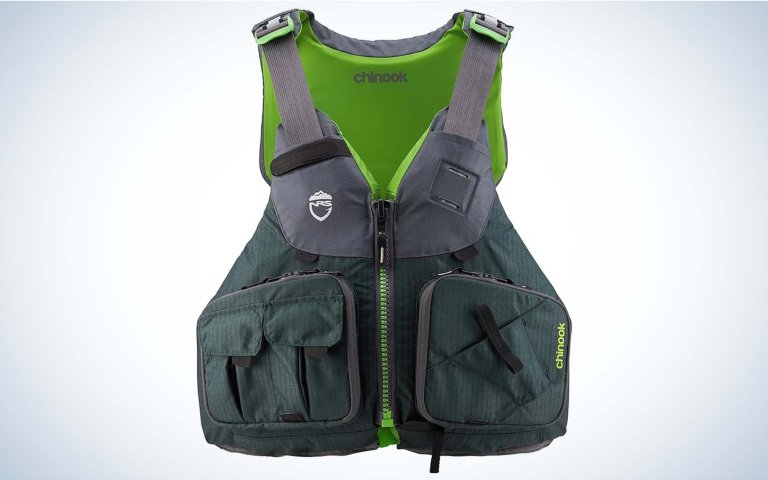
The NRS Chinook is a staple for kayak anglers. It has a lot of gear storage and has six adjustment points for a custom fit. All the storage options on the Chinook are catered to what kayak anglers need, including a rod holder loop, knife holster, and external gear tab for holding pliers or other fishing accessories. While all the pockets and gear storage are a plus, I found they add bulk and can make this vest a little warm on hot summer days. It does have a mesh back, which helps vent some heat, though.
I liked that the high-back flotation design made paddling and fishing comfortable while seated in a kayak or canoe. The Chinook is a well-rounded kayak fishing vest and is a comfortable and extremely capable PFD for any kayak angler. Read our full life jacket test here. —— Kevin Hughes, Contributor
Best Fish Finder: Garmin GPSMAP 8616xsv
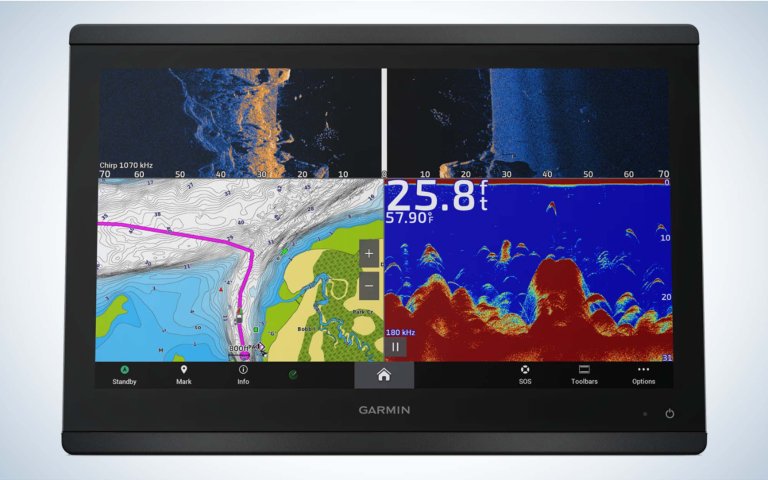
I’ve been running Garmins on my boats for a few years, largely because they’re not only feature-rich but simple to use and not buggy in the least. They do what they’re supposed to do, every time. This is the Lamborghini or armored vehicle of the bunch, 16 inches of high-tech computing power that’ll give you everything you need, including touch screens. It supports the LiveScope, which I’ve learned to rely on in my daily outings, and favors older eyes that may struggle to see on smaller screens. It can be networked, too, if you want to build up a supercomputing center on your boat. You can see incredible detail from a distance, in any water clarity or any amount of sunlight. It’s certainly not cheap, but it replaces two or three other screens, so it’s quite cost-efficient. Read the full test here. —— Pete Robbins, Contributor
Best All-Around Trolling Motor: Minn Kota Ultrex Quest MEGA DI/SI Trolling Motor
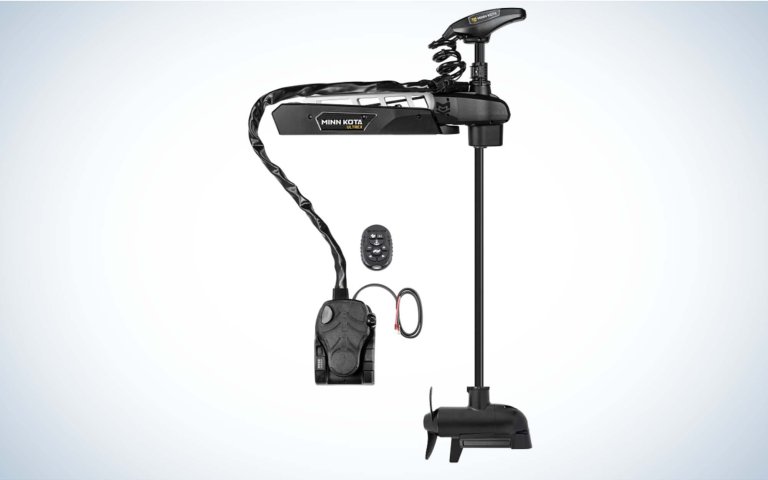
While the trolling motor market has improved and tightened up significantly over the last decade, when it comes to my own hard-earned cash, I’ve continued to put Ultrexes on my boats. I beat the crap out of them, they perform well in all conditions, and the buttons and features simply make sense to me. As one boat dealer told me, despite the increased competition, “Minn Kota is a trolling motor company. That’s what they do.” It’s obvious in this newest model, which has ultra-precise steering, ideal for users of forward-facing sonar. Beyond that, it’s set up to handle down-imaging and side-imaging out of the box, provides ridiculous power, and gets through grass with ease. They’ve even upgraded the propeller. It’s why you see it on so many bass pros’ boats – not that they get a deal, but that they choose to run it. Read the full test here. —— Pete Robbins,Contributor
Best Summer Camping & Hiking Gear

Best Backpack Cooler: Hydroflask Day Escape
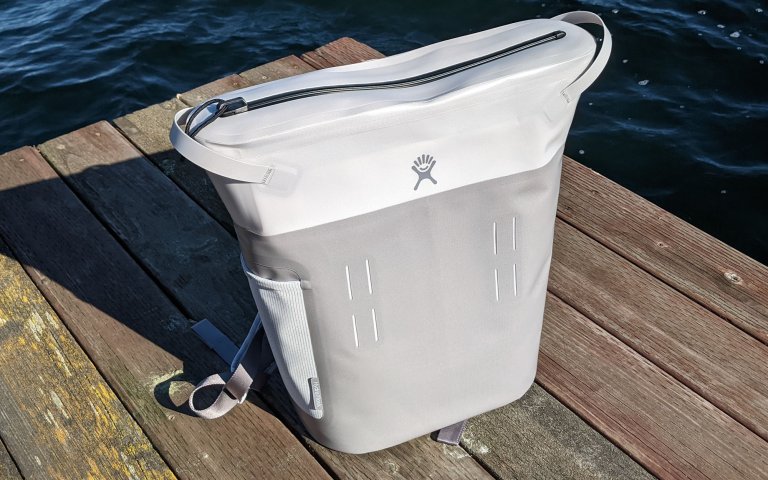
The Hydroflask Day Escape has one of the most comfortable carries I’ve tested. This is what I would bring with me on a day hike, or really any carry longer than 50 yards. This is in large part due to its shape: It has a wider frame, with less depth, which holds the weight closer to your body than models that were free form or structured like a traditional cooler.
While the backpack had (just) enough structure to support a heavier load, the lack of hip belt means that you should resist the urge to fully load this one up before heading out on a longer hike. One feature common to backpacks but not to backpack coolers that the Day Escape included was a haul handle, which is handy for at-home storage.
In addition to being comfortable, the Hydroflask Day Escape also has all the hallmarks of one of the great backpack coolers, being fully waterproof and holding ice for 37 hours during my insulation test — not the longest in my test, but plenty for a picnic or day hike. I also liked that it had an outside mesh pocket — useful for stashing small items or needing somewhere to stick your trail beer on the go. Read the full test here. — Laura Lancaster, Contributor
Best Cooler: Titan Pro 55Q High Performance
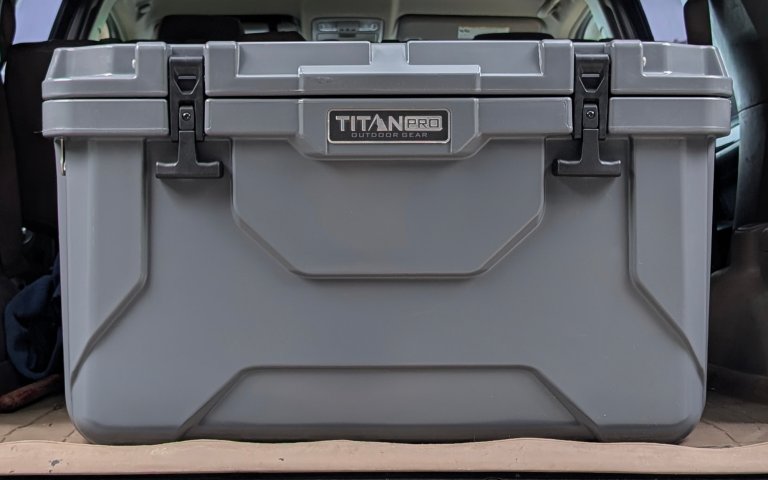
This was the cooler that ticked every box for performance. It had a ton of interior space relative to its actual size, and it held a third of its capacity in ice for almost five days. Its handles were comfortable to hold onto which made it easier to move in and out of my car. The latches were even easier to use, minimizing concern that someone will forget to close up the cooler properly. And it also featured a ton of less essential features like a bottle opener, bungee tie-downs on the top, and — my favorite — a light that turns on when you open the cooler. Nice for retrieving a beer in those twilight hours before you’ve broken out the headlamp. It was even waterproof. Read the full test here. —— Laura Lancaster, Contributor
Best Camp Stove: Camp Chef Everest 2X

The Camp Chef Everest had one of the fastest boil times of any camping stove we looked at, in large part due to its high BTU (British Thermal Unit) output and straightforward design. It also nails the details of a great camping stove, with a secure, easy-to-use cooking platform and windscreen.
Contributor Samantha Silverman tested this one near her home in Denver, and came away impressed with its performance in tough conditions. “At 5,000 feet with no wind, I clocked the Everest’s boil at 3 minutes, 12 seconds,” she reported. “While this is extremely impressive in its own right, 7,000 feet of elevation and 15 mph winds were no match for these 20,000 BTU burners. I had my pot at a rolling boil in 9 minutes, 27 seconds.”
If I have any gripes about the Camp Chef Everest 2X is that it has a surprisingly limited warranty: only 1 year. That being said, I have a 10-year-old first gen Camp Chef Everset in my own gear closet that has had zero issues (barring a sometimes fault ignition) after dozens of camping trips. Read the full test here. —— Laura Lancaster, Contributor
Best Camping Tent: The North Face Wawona
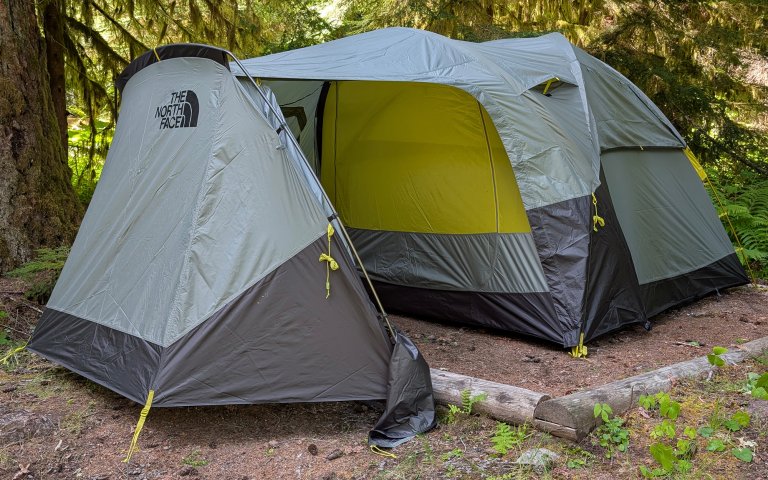
If there is one tent that I’d choose to bring along for a long weekend of camping, it’s The North Face Wawona. I tested the 6-person version of this tent and found it to be incredibly spacious for my family of three, with excellent head height throughout the tent. But what really stands out about this version of the tent is its vestibule. This thing is massive. It has plenty of space to help a kid do a quick clothing change in the middle of the day without needing to take off shoes to head inside the tent. It was so big we ended up leaving one of the best camping chairs set up in the vestibule, handy for stashing coats or sitting down to tie up shoes for a quick day hike.
The setup for this one is a little different than for other tents I’ve tested. It starts, as they all do, with two crisscrossing poles that run through sleeves and then attach into grommets at the four corners. The next pole arches through a sleeve above the front door, hooking into a second set of grommets positioned about a third of the way back along the tent’s length. This has the effect of pulling the tent up not only along the entrance of the tent, making getting in and out of it a breeze, but also the ceiling running up to the center of the Wawona.
If there was one spot I struggled with this tent, it was in setting up the rainfly. The cut is unusual, as camping tents go, and it took me a bit of time to orient myself to it. But once I had it on straight, it was easy enough to clip in and secure the final pole. Read the full test here. ——Laura Lancaster, Contributor
Best Camping Chair: GCI Comfort Pro Chair
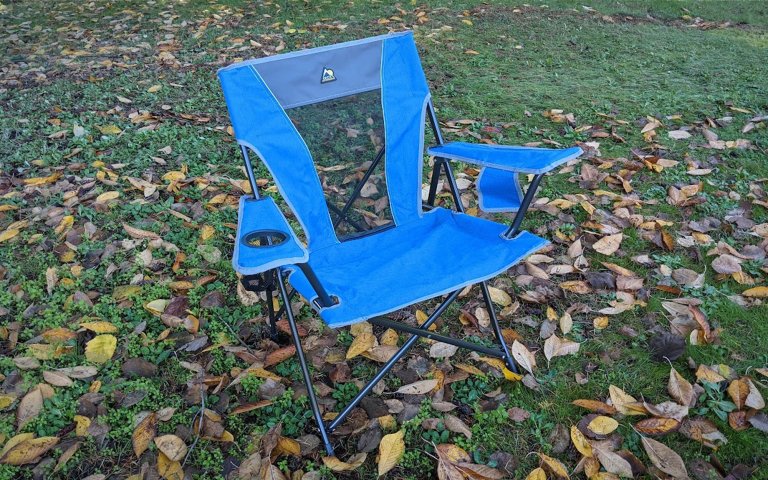
This is the camping chair you’re looking for. It’s miles more supportive and comfortable than that sagging off-brand version in your garage. The cup holders work well enough. Unfolding the chair is the only setup required. And it’s a low enough price that you can buy one for each member of the family. This was also one of the few camping chairs I looked at that was backed by a limited lifetime warranty.
That’s not to say this chair was the best of the best.But for its price, this is an excellent chair. One final note is that this chair had a noticeably higher seat than others that I tested — making it a great choice for taller individuals. Read the full test here. ——Laura Lancaster, Contributor
Best Pocket Knife: Kershaw Bel Air
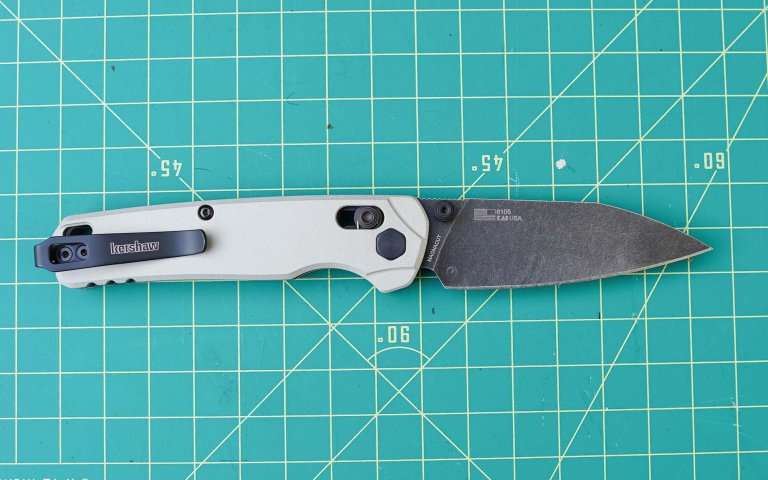
My first impressions of the Bel Air set a high bar. When I took the Bel Air out of its box, I flicked it open and experienced one of the best crossbar lock actions I’ve handled. The quality build is immediately evident and with a Mangnacut blade, it’s offered at a great price ($160).

The Bel Air truly impressed me when I tested it head to head against the WE Banter — one of my favorite EDC blades. The Banter has a slightly better action, but the Bel Air cuts circles around the Banter. Its blade flew through cardboard, dug deep into wood, and breezed through various cordage.
Of all the EDC knives I’ve tested this year, the Bel Air is the most refreshing. A lot of companies are taking serious flack for pricing knives way too high. Yet, here is a knife that’s priced very fairly for its materials, performance, and country of origin. I’m safely calling this the best value in American made and a great buy for anyone looking for a quality pocket knife. Read the full test here. — Scott Einsmann, Gear Editor
Best Sleeping Pad:Therm-a-Rest NeoAir XLite NXT
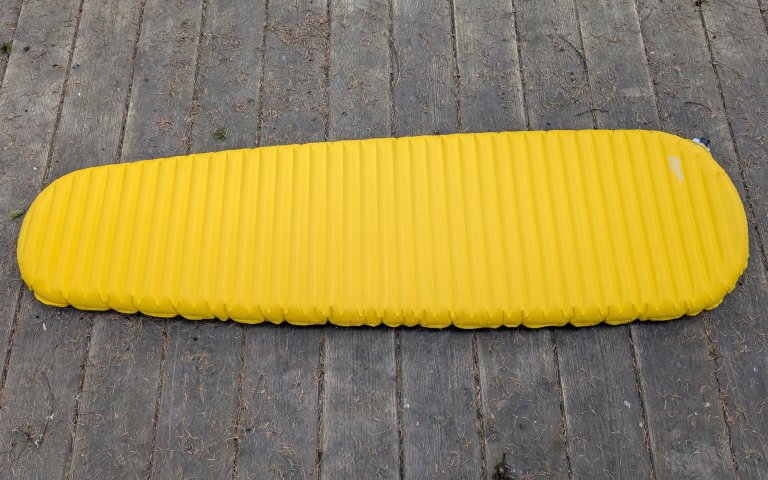
If there is one backpacking sleeping pad in your quiver, it should be the Therm-a-Rest NeoAir XLite NXT. With a 4.5 R value and 13.1 ounce tested weight for a regular pad, it has the best warmth-to-weight ratio out there. And after extensive testing — including common fail points on the seams, fabric, and valve — it’s not sacrificing any durability to get there. That’s the good news. But there have been, and continue to be, some gripes about the Therm-a-Rest XLite NXT that we need to address.
The first issue is noise, as this has long plagued this backpacking sleeping pad. The updated NXT solves a lot of this issue: If the old version of the Therm-a-Rest XLite sounded like opening a bag of potato chips, this newer version sounds like walking across fresh fall leaves. That’s to say, Therm-a-Rest has massively improved the noise issue, but it is still louder than other backpacking sleeping pads. If you are an extra sensitive sleeper, this is something to keep in mind. But you no longer need to worry about keeping up everyone in the campground.
I was surprised that Therm-a-Rest, hasn’t figured out how to engineer a better pump sack. It works OK, but it’s surprisingly inefficient compared to the likes of Exped and Nemo, and it’s a real pain to get on and off the valve. Speaking of the valve, expect some confusion the first handful of times you use it, as the Winglock design is unusual compared to other backpacking sleeping pads, and other valves for that matter. That being said, it proved extremely sturdy in my durability test, with zero issues with delamination or ripping.
Lastly, there’s the price. For its R value, this is a pricier sleeping pad. But I think that for its versatility, light weight, and durability, it’s well worth it. Read the full test here. ——Laura Lancaster, Contributor
Best Pack Raft: Alpackaraft Expedition
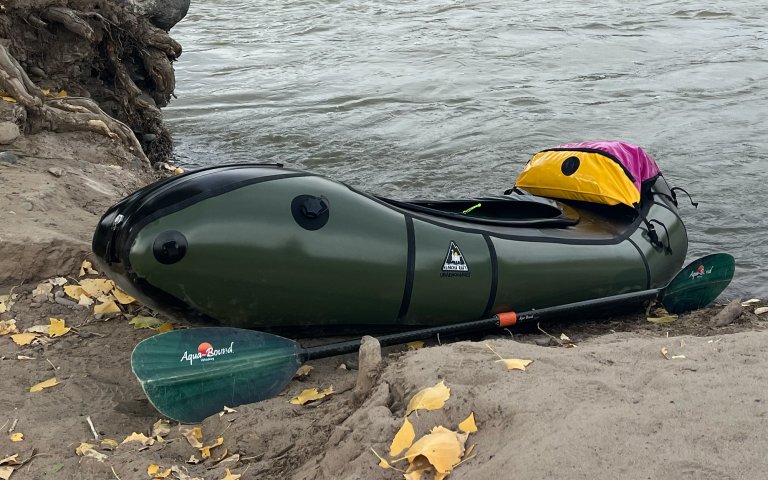
Alpackaraft is undoubtedly making serious packrafts for avid river goers. There’s way too many options, including the ability to build an entirely custom boat. After packrafting for a couple years now and researching boats extensively both personally and professionally, I finally know what most of their acronyms mean. What it comes down to is: There’s a packraft for everybody and if you want to spend more time on the water and less time online, buy a Kokopelli.
But if you want a harcore, American-made boat that takes a month to ship, enter the Expedition. The proprietary valve takes in air even in the closed position so you’re never fighting air trying to escape during inflation. Use the included inflation bag or Exped Widget to mostly fill up the boat. Then use a Pack-a-Pump or your breath to finish it off.
I paddled this boat on an overnight trip through mostly class I to II water and found it tracked well, and I had great control. While my sit length (the distance between your hips and heels) is 41 inches, I felt confined in the small Expedition (interior length of 42.5 inches). Of course you can size up, but this elongates the exterior length of your boat, too. To reach the maximum 51 inches (6 less than the Kokopelli Nirvana) your boat will end up 8 inches longer.
The cargo zip is on the very back of the boat where you can clip dry bags of your gear inside the pontoons. The Alpackaraft Expedition is objectively the best packraft I tested because you can customize it to your exact size and preferences. The weight to performance ratio is also the best in this test. It can handle up to class IV rapids, so long as you can. ——Ashley Thess, Contributor
Best Hiking Daypack: Black Diamond Pursuit 30
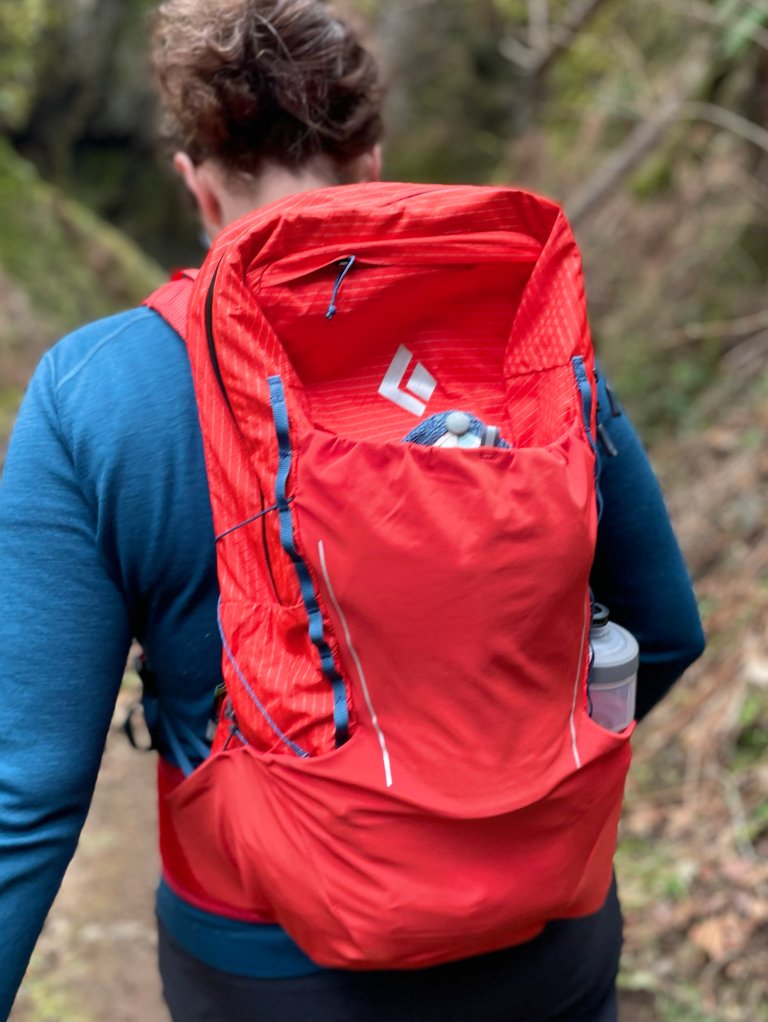
I chose the Pursuit 30 as the best overall hiking daypack because of how comfortable it is. Nearly every tester commented on how well it moved with their body. Between the shoulder straps that flex and mold to your torso, the light load lifters that subtly improve balance, and the breathable back panel, it feels like a pack that’s been designed with movement in mind. The hip belt is well-cushioned and suitable for long days. “The padding hits just right,” one tester commented. “It felt stable without being bulky, even on the steep sections.”
At just under 800 grams, the Pursuit is lightweight but it doesn’t skimp on support or structure. It includes a hydration sleeve, thoughtful storage layout, and one of the best front stretch pockets we tried. The pack found a nice middle ground between being too minimal and overly complicated. One hiker commented, “It’s a good combo — enough zippers and pouches but not so many that you lose stuff.” The only drawback is that the side water bottle pockets are set a bit low, making them harder to access while walking. Still, if comfort is your top priority, especially on longer day hikes, this pack absolutely delivers. ——Laura Lancaster, Contributor
Best Ultralight Sleeping Bag: Feathered Friends Egret and Swallow
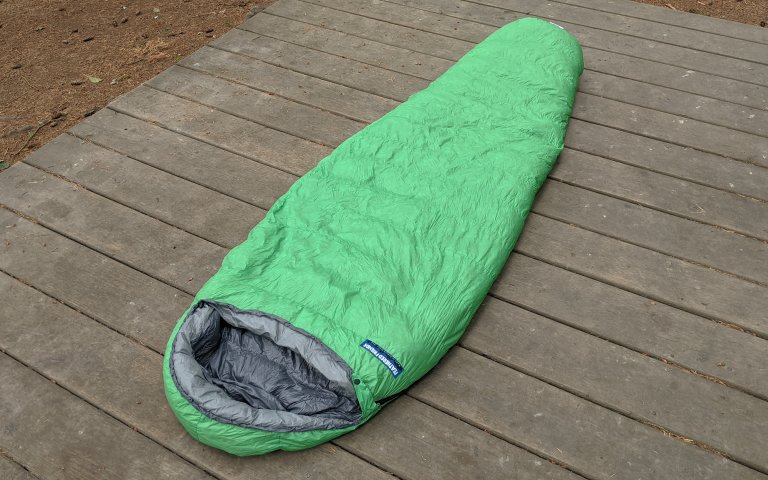
In recent years, backpacking sleeping bag manufacturers have started to do a better job of providing options for individuals who are taller and wider. But if you’re petite, expect to be swimming in your bag. While most smaller individuals see this as an inevitability, there is a serious downside. Not only are you carrying unnecessary weight for a bag that doesn’t fit your body properly, but you’re also going to be colder than the bag is rated for. This is because your body heat is being wasted on the extra air inside the sleeping bag.
Feathered Friends, along with Western Mountaineering, is one of the few brands on this list that specializes in down products, and this quality is reflected in customization of their products. The Feathered Friends Egret is a women’s backpacking sleeping bag that comes in either 5-feet, 9-inches or 5-feet, 3-inches. We had an experienced thru-hiker and gear tester try out the 5-foot-9 version as part of the backpacking gear test to the Goat Rocks Wilderness and she came back convinced that this was one of the best backpacking sleeping bags on the market. It was extremely cozy, very lightweight, and a perfect fit, particularly the hood, which she described as “form fitting and super snuggly.” — Laura Lancaster, Contributor
Best Summer Outdoor Tech
Best Portable Power Station: EcoFlow Delta 2
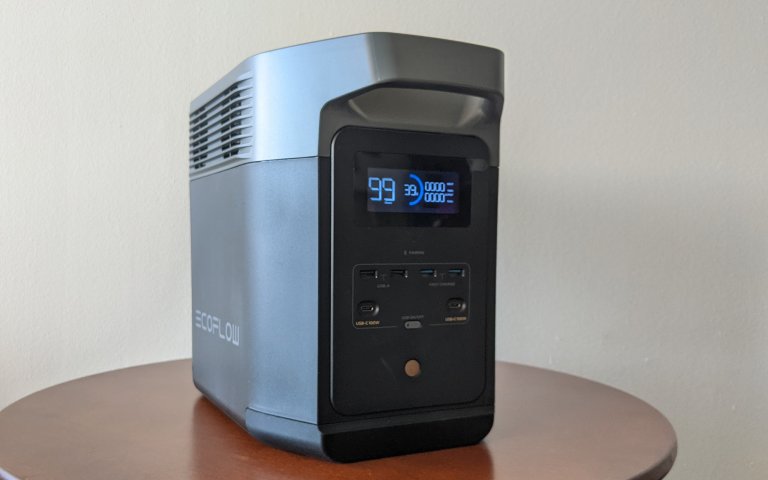
This station provides a steady stream of low-wattage power into things like a laptop or smartphone. If that’s what you value, then the EcoFlow Delta 2 is the unit for you.
Both the USB-C ports on the EcoFlow Delta 2 were capable of 100Ws of output, which is handy if you are using a newer USB-C cable for your laptop. I was also impressed with how little additional energy it lost out of the five unused AC ports. I wish the AC ports were on the same side of the unit as the USB ports and information panel, but there are certainly situations where it’s handy to have the cords configured at the back of the power station.
The EcoFlow Delta 2 also stood out from the competition for its light weight, and I found it easy to move around during testing. Finally, I was impressed with the accuracy of the on-board display, easily one of the most accurate during my final test after three months in storage. Finally, as the Delta 2 is no longer EcoFlow’s newest power station, it’s average price per usable watt hour is a steal compared to similar models. ——Laura Lancaster, Contributor
Best Portable Solar Generator: Anker SOLIX C1000 Gen 2
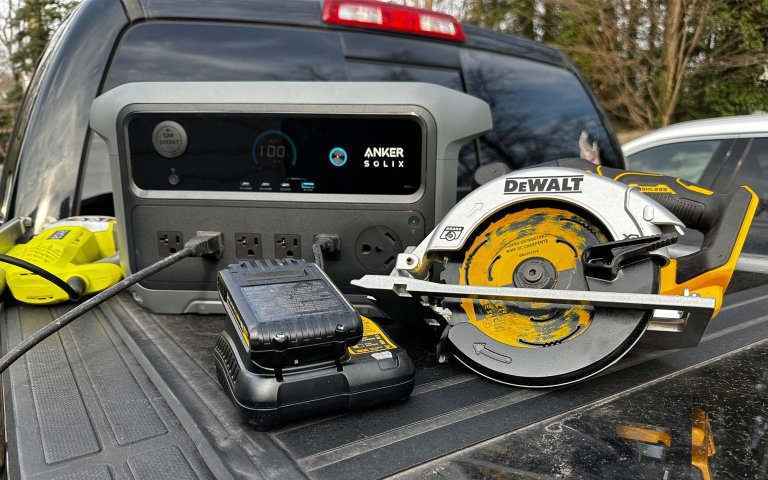
The Anker SOLIX C1000 Gen 2 is the latest version of this excellent power station. We currently have a sample in testing and it’s showing great promise powering everything from power tools to pellet grills.
Here is our detailed review of the Gen 1 version: The Solix C100 was a very close second to the EcoFlow Delta 2. It had a higher percentage of energy efficiency against its stated watt hour potential in the large appliance test and long-term storage test. While it had a more accurate reading in both tests with a fresh charge, it turned off with still 2 percent left on the onboard display after the long-term storage test. However, it did worse than the EcoFlow in the most important test using the 34W grow light, suggesting it has a less efficient overall inverter than the EcoFlow. It also took slightly longer to charge. But it’s really close, and if the Anker SOLIX C1000 is a few dollars less expensive than the EcoFlow Delta 2 at the time you’re making your purchase, you should absolutely get it.
You should also definitely choose the Anker SOLIX C1000 if you have any plans to convert your portable power station to a portable solar generator. In my testing of the best portable solar panels, I have been very impressed with the Anker panels, particularly their 100W panel, which includes a sundial to help you get the maximum energy potential in bright conditions. Conversely, I have been less impressed by the EcoFlow panels, which I have found tend to warp in storage after a few months. ——Scott Einsmann, Gear Editor
Best Headlamp for Running and Hiking: Petzl Nao RL
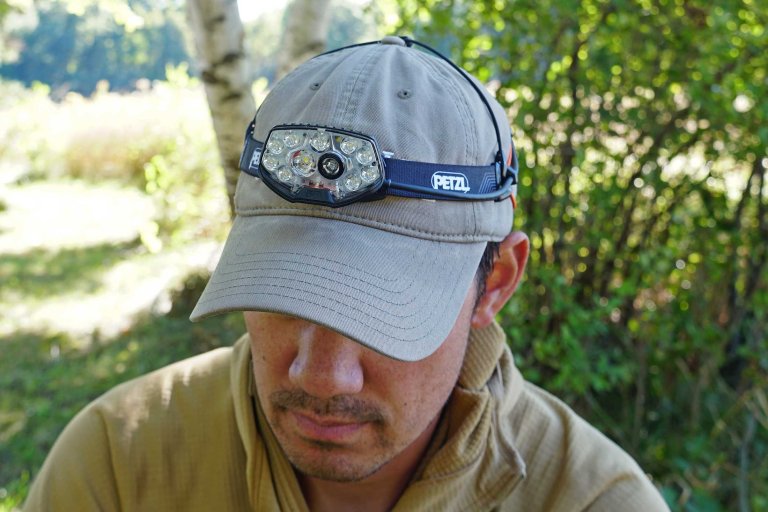
Not all headlamps are useful for trail running; in fact, most aren’t. This is because the super lightweight lamps are usually not bright enough and the heavier ones always seem to wobble and shift as you run. The bouncing beam will make you dizzy or you’ll have to constantly reposition the headlamp as you go.
So if you are going to be running at night regularly, I suggest spending the extra cash on a headlamp that was designed for the purpose. Meet Petzl Nao RL. You’ll see this headlamp being worn by the world’s top ultra-runners (like phenom Courtney Dauwalter), but you don’t have to be lining up at UTMB to appreciate its features. I wore the Nao RL for a few nighttime trail runs around my house (after years of experimenting with other inferior headlamps) and now I’ll never run at night without it.
There are a few specifics that make the Nao RL an ideal headlamp for running. The first is fit. You’ll notice that the battery pack is in the back, which makes the weight more balanced and helps prevent the headlamp from moving out of place while running. Instead of a single strap, the Nao utilizes a harness system (with multiple adjustment points) for your head. It takes some tinkering to get it to fit properly, but when you do get it right, it will feel comfortable and stable no matter what type of running you do. Plus the lamp itself does not wiggle on the strap at all when you run.
This headlamp also has a reactive lighting mode. The light body has a sensor and accelerometer which work to automatically adjust the brightness of the beam depending on the distance of the objects around you, the amount of available ambient light, and the speed at which you’re traveling (faster means more light, slower means less light). There is of course a standard mode, which allows you to adjust brightness manually. However, the benefit of the reactive mode is that it preserves battery life by dimming the light at times when you don’t need full power. ——Alex Robinson, Editor-in-Chief
Best Bug Repellent Device: ThermaCell MR450 Armored Mosquito Repeller
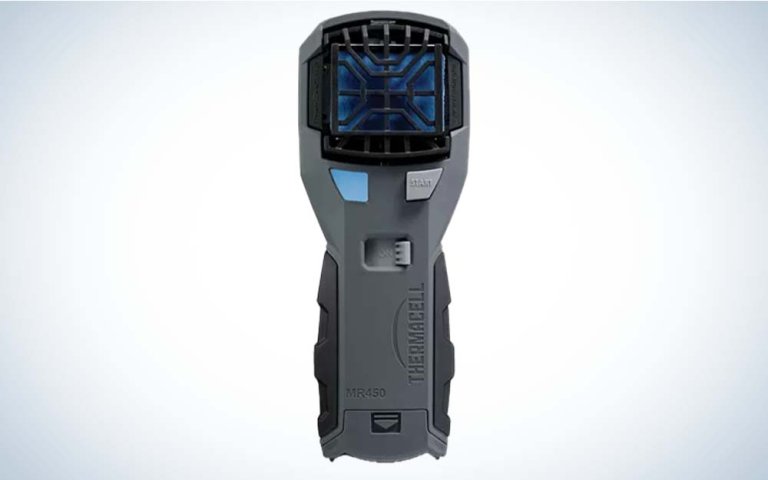
I’ve spent hours in some of the buggiest swamps in the country, and the ThermaCell MR450 made those visits enjoyable rather than horrific. ThermaCells require zero spraying or application of repellent to your skin or clothing. It’s a device with a heating element and a repellent mat warms over the element. The concept is similar to a citronella candle, but the ThermaCell is far more effective. They are so effective that I won’t hunt or camp in the presence of mosquitoes without one of these devices.
You do have to refill the fuel and repellent mats, which adds up over time. And It also doesn’t work when there’s a strong breeze because the fumes it creates are pushed away from you. But, for sitting at camp or while enjoying a meal in the backcountry this is an excellent option. ——Scott Einsmann, Gear Editor
Best Dog Fence Collar With GPS: SpotOn GPS Dog Fence
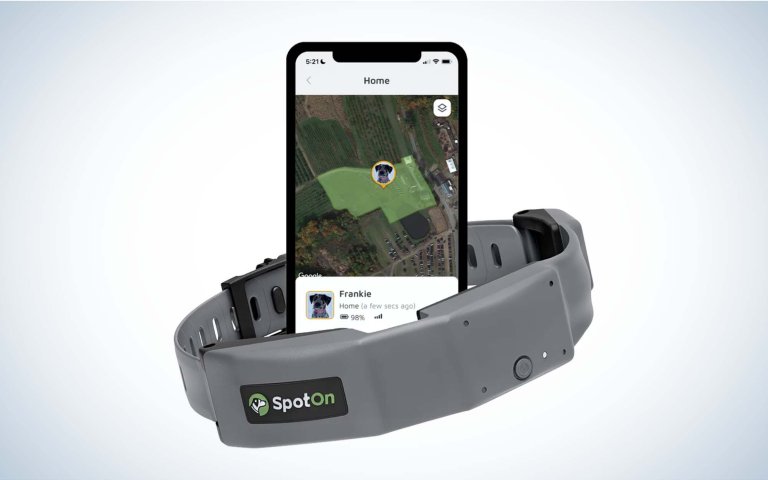
This GPS-enabled invisible dog fence helped keep my wiley old labrador retriever in the yard when nothing else would. The app is relatively easy to use and SpotOn provides customer service help on the front end to make sure you set up your property correctly. I’ve been testing the system for several months now and have found it to be consistent, reliable, and effective — with a few caveats. Here’s the backstory.
A few years ago my family and I moved to the outskirts of town, onto a three-acre property at the dead end of a dirt road. As we got settled, a couple of the neighbors mentioned that dogs tend to roam free in the neighborhood so we proceeded to let our six-year-old Lab have the run of the place. Old Otie dog would chase the mail truck, lounge in the backyard, visit the elderly neighbor lady for treats, and take herself for walks. Then she would return for her dinner and sleep indoors.
After two years of this freedom, one of our neighbors reported that Otis had learned how to tip over garbage cans and devour the most delicious food scraps within. A couple other neighbors confirmed the issue so I, of course, decided we had to keep Otie in the yard.
The problem was that after two years of roaming free, it was difficult to re-train her. We have two little kids and Otie would wait until we were distracted, slink off and return before we even noticed she was gone—her breath stinking like fresh garbage.
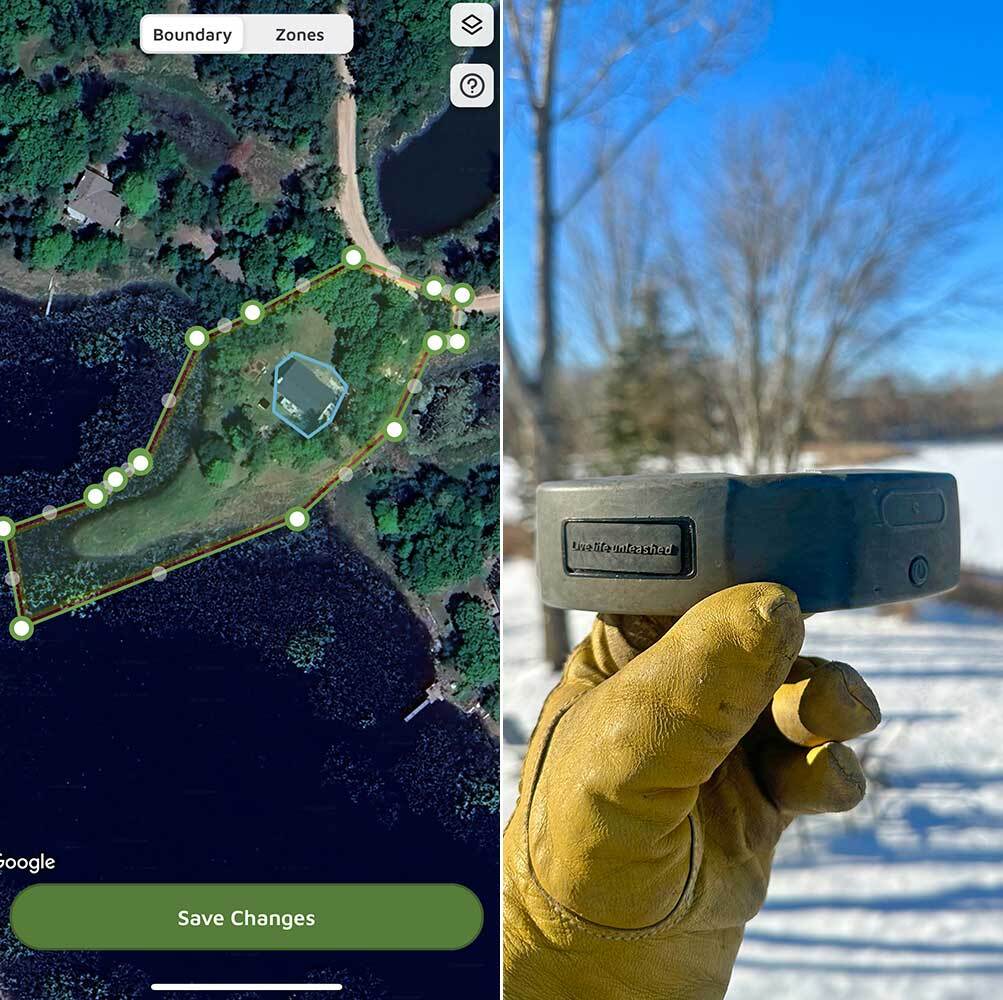
So I opted to hit the easy button and get the SpotOn GPS Dog Fence. The set up process was straightforward. I created a profile in the app and then drew lines around my property on the map, including a safe zone around our house to ensure that Otie wouldn’t get corrections from the collar when she came inside.
I set the correction levels for the collar, which can be audio and vibration alerts only, or can use electric shocks (like a standard e-collar at 30 different levels of intensity).
SpotOn also offers a training tutorial that shows you how to train your dog to stay in the yard with help from the collar.
I opted to pay for the GPS subscription to go with the collar, which is about $10 a month. This feature allows you to track the dog, which proved to be critical in my case. When Otie would leave the yard, I’d get an alert on my phone and then with the tracking feature I’d be able to see where she was. When she re-entered the yard, I got another alert.
I tested the accuracy of the collar by walking the property lines myself while watching the tracker on my phone. I was thrilled to see that it worked just as expected.
It turned out that the static correction set to level 3 wasn’t enough to deter her from escaping at first but I was able to retrieve her quickly and easily thanks to the GPS tracking. After she realized that she would get in trouble (and brought home immediately) every time she left the yard, she quit trying to escape (at least for the most part).
The only flaw in the system was that I needed good cell service in order to use the tracking feature. Where I live I typically get between two and three bars of service which was usually enough to use the tracking feature but on occasions tracking failed to work.
I’d recommend Spot-On to anyone who has a large property and wants to let their dog roam off-leash, but not leave completely. ——Alex Robinson, Editor-in-Chief