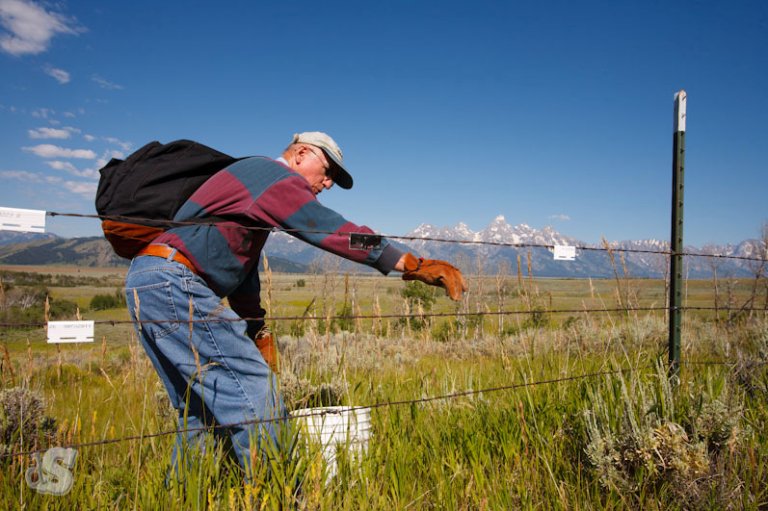
Dubbed the "Volunteer Bill," House Bill 4111 was signed into law by Michigan Governor Rick Snyder in June of 2011. Today, that bill has helped clear the way for an interesting and, thus far, highly effective partnership between the Michigan Department of Natural Resources and the private sector.
A 339-acre parcel was acquired and added to a 2,750-acre tract of land previously purchased for public use in the San Antonio Valley of west-central California. The land, which sits at about 2,300 feet, adjoins Henry Coe State Park and offers excellent wildlife habitat.
When it comes to access, this is the only type of closure we like to see.
Both arms of Congress have passed the Freedom To Fish Act. Pending Pres. Obama’s signature, the legislation brings a temporary close to a ridiculous movement by the U.S. Army Corps of Engineers to impose stringent access restrictions on fishing below dams along the Cumberland River in Tennessee and Kentucky.
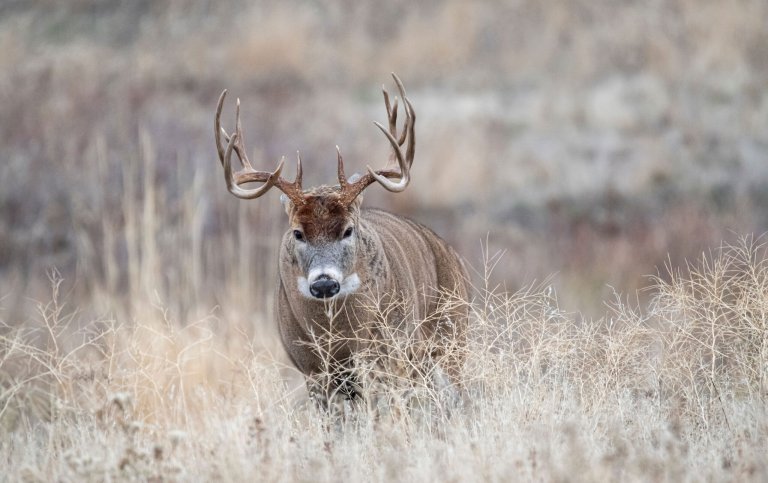
Residents of Weston, MA have no trouble understanding that their homes were built in an area that supports a sizeable population of whitetails.
In late November, the Great Lakes Indian Fish and Wildlife Commission, which oversees the Chippewa tribes' treaty rights in Wisconsin, voted to authorize night hunting for deer by tribal members.
Parts of the Michigan State University campus has been officially opened to fishing.
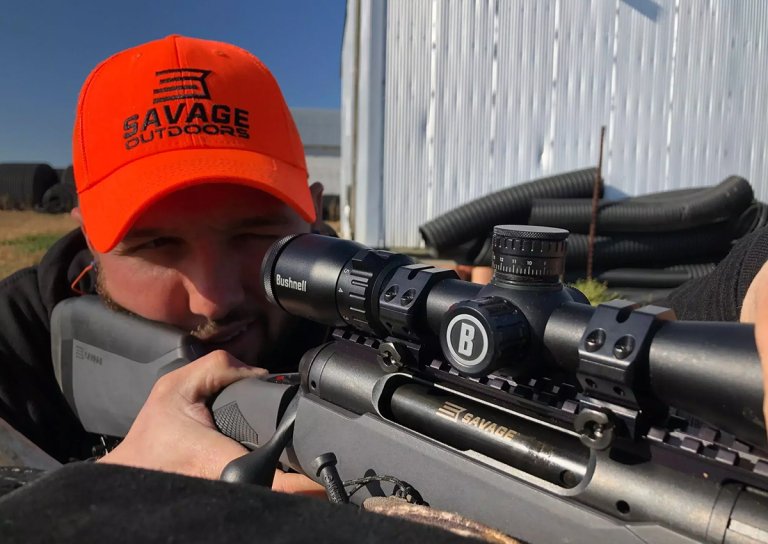
Hunting big game with a rifle is not permitted in many parts of the country. Gun hunters in those areas are left to tote shotguns that are usually better suited to dumping grouse at close quarters than collecting venison at longer range. A modern saboted shotgun load is perfectly capable of delivering lethal performance at distances well beyond 100 yards. But can you put that projectile where it needs to go?
If you'll recall an Open Country post in December of 2012 revealed that the U.S. Army Corps of Engineers intends to close tailrace areas below dams on the Cumberland River to fishing. Its reasoning? "Public Safety." That’s a curious citation given that there have been just eight boating-related deaths below Tennessee Corps projects since 1978 and only about two percent of all deaths on the river system occurred below dams.
Hawaii rankes 21st in the nation in terms of public land with some 4.1 million acres of accessible lands.
| Page 1 of 10 | 123456789 | next › | last » |